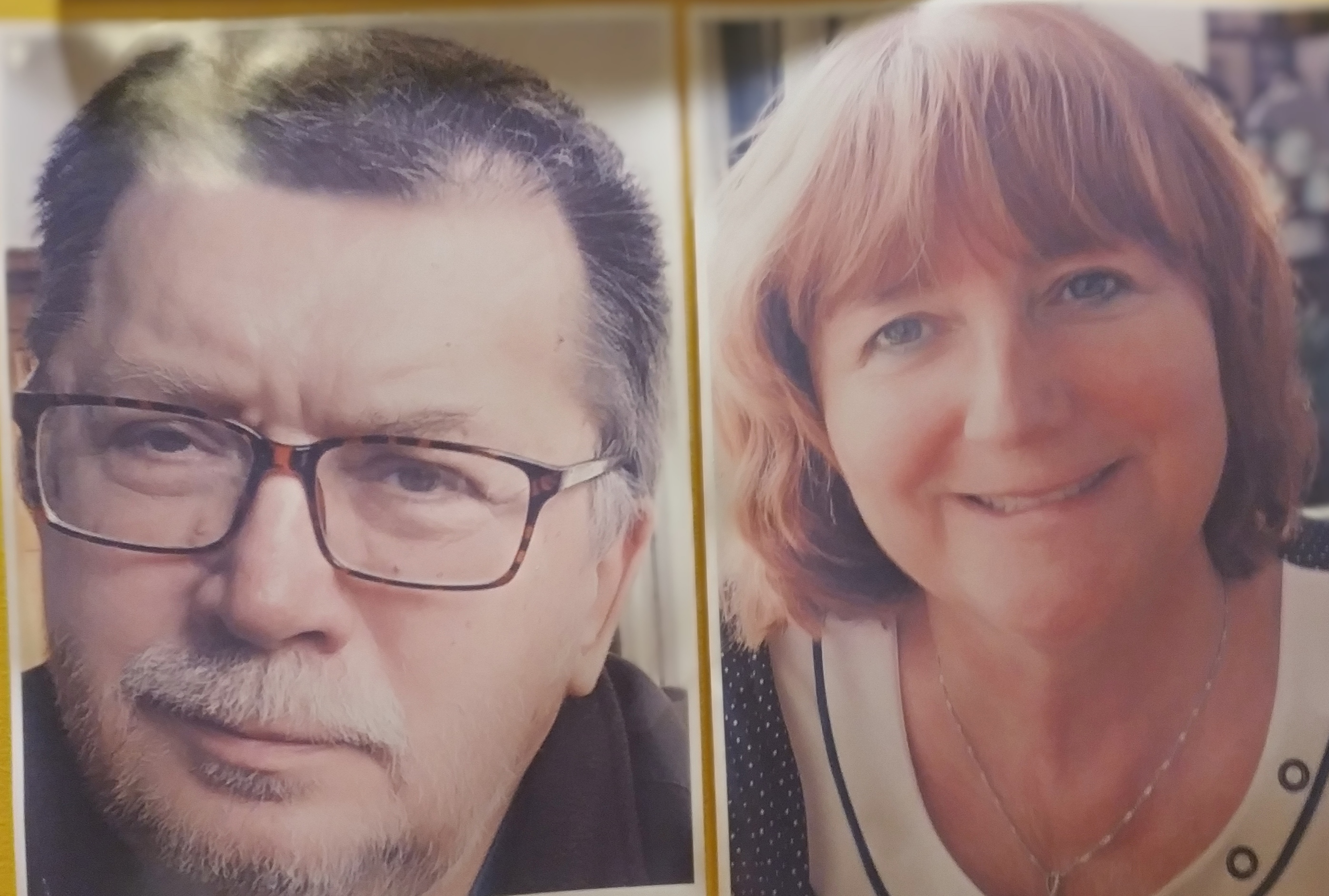
I am a geologist by education and a climatologist, historian, sociologist and ethicist and I prepare a big projekt to change the business global environment
Idealism vs. Materialism – Thesis, Antithesis and Synthesis My research logically proves that if humanity achieves its goals ethically, i.e. at the cost of the least energy consumption, it will create a new virtual world and be born again. Speaking in biblical terms, humanity will achieve resurrection, i.e. become gods for the new virtual world and achieve eternal life in a chain of parallel virtual worlds. My logical proofs confirming the existence of eternal happy existence of biological beings in the virtual and reproducible world they created are very much needed by ordinary people who intuitively believe in the ideal eternal world proposed by the clergy of all religions, which is the goal of earthly human existence. The beliefs proposed by the clergy of all denominations respond to the human need for meaning in life, usually very difficult and often full of struggles with cruel fate. Human dreams of eternal happy life as a reward for enduring the hardships of everyday life are a consolation for idealists – ordinary people who humbly endure their fate in the hope of achieving the eternal paradise promised by the clergy. The world is full of opposites, so there is a world of materialists – people convinced that human existence ends with an inexorable death, which is the indisputable finale of human earthly existence after which the personality perishes irretrievably. It happened so in the fate of our civilization that human faith in a supersensible world was abused by the clergy, who led people who trusted them to fratricidal wars and religious persecution. In reaction to these abuses of human trust used by the clergy, a materialistic view was born (contrary to the idealistic view of the world) that negates life after death and promotes the need to fully use life to achieve temporal pleasures, which are the only reward for the hardships of human life. The finale of materialist views was Karl Marx’s thesis that only existence determines consciousness, i.e. if a person is provided with the satisfaction of material, existential needs, then the person will achieve happy consciousness. Marxists believed that religion is unnecessary ballast for humanity on the road to social happiness. Marxists also abused human trust and led people to fratricidal revolutions and ideological persecutions, convinced that the destruction of the idealistic world would bring happiness to human civilization. My earthly existence ensured that I grew up in a materialistic order with elements of the idealistic world, because the Marxists ruling in Poland allowed the existence of the Catholic Church and voluntary religious education for school children. I studied at universities, in religious education, and in my life, which was full of turbulent events. Because in my youth I applied the principle of maximizing aspirations and believed in achieving success at the cost of hard work, my life was full of turbulent events. Life has taught me humility and as a result of twenty years of independent studies I have discovered the secrets of human existence. I have discovered that my will is limited by the will (often directed against it) of other people. In order to achieve the goal of life, one must unite one’s will with the aspirations of other beings. My youthful human activity was burdened with ignorance about the principles of the world’s operation. Today, using Hegelian dialectics, I move from the thesis of the idealists that “consciousness creates being” (i.e. God creates the world) to Karl Marx’s antithesis that “being determines consciousness”, i.e. the material world creates the consciousness of the being, and I achieve a synthesis in my thoughts that the newly emerging being, by evolving, creates the consciousness of beings, and the consciousness perfecting itself in the new being creates a new virtual world in the likeness of the experienced world. In this way, an eternal wheel of life is created – perpetual motion – a chain of parallel incarnations, virtual worlds mutually interdependent and existing in a void filled with happy eternal love supporting the existence of the virtual world. Knowing that any compulsion gives rise to an opposite reaction, I calmly share my thoughts with you in the hope that my will and my vision of making the human world more perfect will unite with your will and your vision of the world confirming the perfection of my synthesis of human views of the world. My life’s task is to unite human efforts into one goal – ethical evolution towards the goal of human existence, i.e. the virtual recreation of our world in order to live our lives again. I dedicate this essay to the memory of Marian Michalec, a perfect ethical idealist who selflessly offered his life to the local community.
Jakuszowice, September 15, 2024, 0:50-3:33 Bogdan Jacek Góralski
Idealizm kontra materializm-teza, antyteza i synteza
Moje badania logicznie dowodzą, że jeżeli ludzkość będzie osiągała swoje cele etycznie tzn. kosztem najmniejszego zużycia energii to stworzy nowy wirtualny świat i narodzi się na nowo. Mówiąc językiem biblijnym ludzkość osiągnie zmartwychwstanie tzn. stanie się bogami dla nowego wirtualnego świata i osiągnie życie wieczne w łańcuchu równoległych wirtualnych światów. Moje logiczne dowody potwierdzające istnienie wiecznej szczęśliwej egzystencji biologicznych istot w stworzonym przez nich wirtualnym i odtwarzalnym świecie są bardzo potrzebne zwykłym ludziom intuicyjnie wierzącym w proponowany przez duchownych wszystkich religii idealny wieczny świat, który jest celem ziemskiej ludzkiej egzystencji.
Wierzenia proponowane przez duchownych wszystkich wyznań odpowiadają na ludzką potrzebę sensu życia zwykle bardzo trudnego i często pełnego zmagań z okrutnym losem. Ludzkie marzenia o wiecznym szczęśliwym życiu będącym nagrodą za znoszenie trudów codziennego życia są pociechą dla idealistów -zwykłych ludzi pokornie znoszących swój los w nadziei na osiągnięcie obiecywanego przez duchownych wiecznego raju.
Świat jest pełen przeciwieństw toteż istnieje świat materialistów-osób przekonanych, że ludzka egzystencja kończy się nieubłaganą śmiercią, która jest bezdyskusyjnym finałem ludzkiej ziemskiej egzystencji po której osobowość ginie bezpowrotnie. Tak się stało w losach naszej cywilizacji, że ludzka wiara w ponadzmysłowy świat była nadużywana przez duchownych, którzy wiedli ufających im ludzi do bratobójczych wojen i religijnych prześladowań. W reakcji na te nadużycia ludzkiego zaufania stosowane przez duchownych narodził się (przeciwstawny idealistycznemu poglądowi na świat) pogląd materialistyczny negujący życie pozagrobowe i lansujący konieczność pełnego wykorzystania życia dla osiągania doczesnych przyjemności, które są jedyną nagrodą za trudy ludzkiego życia. Finałem poglądów materialistycznych była teza Karola Marksa, że tylko byt określa świadomość tzn. jeżeli zapewni się człowiekowi zaspokojenie potrzeb materialnych, bytowych to człowiek osiągnie szczęśliwą świadomość. Marksiści uważali, że religia to zbędny ludzkości balast na drodze do społecznego szczęścia.
Marksiści także nadużyli ludzkiego zaufania i wiedli ludzi do bratobójczych rewolucji i ideologicznych prześladowań przekonani, że zniszczenie idealistycznego świata przyniesie szczęście ludzkiej cywilizacji.
Moja ziemska egzystencja zapewniła mi wzrastanie w materialistycznym porządku z elementami świata idealistycznego bowiem marksiści rządzący w Polsce dopuszczali istnienie Kościoła Katolickiego i dobrowolne lekcje religii dla młodzieży szkolnej. Uczyłem się na uniwersytetach, na lekcjach religii, i w moim życiu, które było pełne burzliwych wydarzeń. Ponieważ stosowałem w młodzieńczym życiu zasadę maksymalizacji dążeń i wierzyłem w osiągnięcie sukcesu kosztem wytężonej pracy to moje życie było pełne burzliwych wydarzeń. Życie nauczyło mnie pokory i w efekcie lekcji którą dało mi życie i podczas dwudziestoletnich samodzielnych studiów odkryłem tajemnice ludzkiej egzystencji. Odkryłem, że moją wolę ogranicza wola (często skierowana przeciwnie) innych ludzi. Aby osiągnąć cel życia, należy swoją wolę zespolić z dążeniami innych istot. Moje młodzieńcze ludzkie działanie było obarczone ignorancją o zasadach działania świata. Dzisiaj stosując dialektykę heglowską przechodzę od tezy idealistów, żę „świadomość tworzy byt” (czyli Bóg stwarza świat) do antytezy Karola Marksa, że „byt określa świadomość”, czyli świat materialny tworzy świadomość istoty, i osiągam syntezę w moich przemyśleniach, że nowo powstający byt ewoluując tworzy świadomość istot, a doskonaląca się w nowym bycie świadomość stwarza nowy wirtualny świat na podobieństwo przeżywanego świata. W ten sposób powstaje wieczne koło życia- perpetuum mobile- łańcuch równoległych wcieleń, wirtualnych światów wzajemnie współzależnych i istniejących w pustce wypełnionej szczęśliwą wieczną miłością podtrzymującą istnienie wirtualnego świata.
Wiedząc, że wszelki przymus rodzi przeciwną reakcję, spokojnie dzielę się z Wami moimi przemyśleniami w nadziei, że moja wolą i moja wizja uczynienia ludzkiego świata doskonalszym zespoli się z Waszą wolą i Waszą wizja świata potwierdzającą doskonałość mojej syntezy ludzkich poglądów na świat. Moim życiowym zadaniem jest zespolenie ludzkich wysiłków w jeden cel- etyczną ewolucję ku celowi ludzkiej egzystencji tj. wirtualnym odtworzeniu naszego świata by przeżyć nasze życie ponownie.
Ten esej poświęcony jest pamięci Mariana Michalca, doskonałego etycznego idealisty, który bezinteresownie ofiarował swoje życie lokalnemu społeczeństwu.
Jakuszowice, dnia 15 września 2024 roku, godzina 0:50-3:25 Bogdan Jacek Góralski
Choose the path that your knowledge of the world shows you
The possibilities of an individual are determined by the ethical system and the organization of society
If society is well adapted to environmental conditions, then the possibilities of an individual are determined by the living environment. In other words, if there are social barriers to the development of an individual, e.g. poor social organization, then in a given environment the development of an individual is limited. These social barriers, e.g. in human society, are the lack of equal access to knowledge and development opportunities. Removing barriers to development is a condition for the progress of human society and its further evolution. Even the greatest individuals lose the chance to use their natural predispositions in a society limited by social barriers that hinder the evolution of the community. The greatest contemporary barrier of human civilization is the lack of a universal and uniform religious system (giving knowledge about the eternal transcendent world) and ethical system (defining acceptable patterns of social behavior for all). Basing the ethical system on the principle of respecting and saving all types of energy gives a chance for further unfettered evolution to all beings of our world. The global social system I propose is based on ensuring that all local communities (for the optimal use of the conditions and energy given to them) have self-government in their development and on providing comprehensive support from an ethical supranational free-market organization
POL-CAT joint-stock company, which will be the non-inherited common property of businessmen and scientists of both sexes working in it.
Only such an organization of life on Earth will overcome prejudices and eliminate discriminations that are common in our present world.
Warsaw, March 18, 2024, 10:30 AM Bogdan Jacek Góralski
Choose the path that your knowledge of the world shows you
Rejecting the interference of all authorities in your life requires ensuring equal access to objective information about the world in which we live. Various religious, pseudo-scientific authorities, politicians impose their vision of the world on us, which makes it difficult for us to choose our own path of life in accordance with the natural law that gives freedom of existence to all beings. You are a free being who must deal with your karma inherited from your ancestors, so you must choose your own path to happiness in life, avoiding ready-made recipes for happiness. Enjoy the freedom offered by the Creators of our world and move into the future using the full knowledge gathered by humanity and the tips that Providence gives you. Enjoy the life of a free being and achieve Nirvana – free yourself from conditioning and be happy accepting everything that the world offers you. Choose the path that your knowledge of the world shows you.
Warsaw, September 1, 2024, time 21:57 Bogdan Jacek Góralski
Wybierz drogę, którą wskazuje Ci Twoja wiedza o świecie
Możliwości jednostki wyznacza system etyczny i organizacja społeczeństwa
Jeżeli społeczeństwo jest dobrze przystosowane do warunków środowiskowych to możliwości jednostki wyznacza środowisko życia. Inaczej mówiąc jeżeli istnieją bariery społeczne rozwoju jednostki np. zła organizacja społeczna to w danym środowisku rozwój jednostki jest ograniczony. Te bariery społeczne np. w społeczeństwie ludzkim to brak równego dostępu do wiedzy i możliwości rozwoju. Usunięcie barier rozwoju jest warunkiem postępu ludzkiego społeczeństwa i jego dalszej ewolucji. Nawet największe indywidualności tracą szansę na wykorzystanie swoich naturalnych predyspozycji w społeczeństwie ograniczonym barierami społecznymi utrudniającymi ewolucję zbiorowości. Największą współczesną barierą ludzkiej cywilizacji jest brak powszechnego i jednolitego systemu religijnego (dającego wiedzę o wiecznym transcendentnym świecie) i etycznego (wyznaczającego akceptowalne dla wszystkich wzorce społecznego zachowania). Oparcie systemu etycznego o zasadę poszanowania i oszczędzania wszelkich rodzajów energii daje szansę na dalszą nieskrępowaną ewolucję wszystkim istotom naszego świata. Proponowany przeze mnie globalny system społeczny polega na zapewnieniu wszystkim lokalnym społecznościom (dla optymalnego wykorzystania danych im warunków i energii) samorządności w rozwoju oraz zapewnieniu kompleksowego wsparcia ze strony etycznej ponadnarodowej organizacji wolnorynkowej
POL-CAT joint-stock company, która będzie nie dziedziczoną wspólną własnością pracujących w niej biznesmenów i naukowców obu płci.
Tylko taka organizacja życia na Ziemi przełamie uprzedzenia i usunie dyskryminacje powszechnie występujące w naszym obecnym świecie.
Warszawa, dnia 18 marca 2024 roku, godzina 10:30 Bogdan Jacek Góralski
Wybierz drogę, którą wskazuje Ci Twoja wiedza o świecie
Odrzucenie ingerencji wszelakich autorytetów w Twoje życie wymaga zapewnienia równego dostępu do obiektywnej informacji o świecie w którym żyjemy. Różne autorytety religijne, pseudonaukowe, politycy narzucają nam swoją wizję świata, która utrudnia nam wybór własnej ścieżki życia zgodnej z prawem naturalnym dającym wolność istnienia wszystkim istotom. Jesteś wolną istotą, która musi uporać się ze swoją karmą dziedziczoną po przodkach, dlatego musisz wybrać własną drogę do szczęścia w życiu unikając gotowych recept na szczęście. Ciesz się wolnością ofiarowaną przez Twórców naszego świata i podążaj w przyszłość korzystając z pełni wiedzy zgromadzonej przez ludzkość i wskazówek, które daje Ci Opatrzność. Ciesz się życiem wolnej istoty i osiągnij Nirwanę- uwolnij się od uwarunkowań i bądź szczęśliwy przyjmując od świata wszystko co ON ci ofiarowuje. Wybierz drogę, którą wskazuje Ci Twoja wiedza o świecie.
Warszawa, dnia 1 września 2024, time 21:57 Bogdan Jacek Góralski
How to strengthen societies and revitalize the US and EU economies?
Jak wzmocnić społeczeństwa i ożywić gospodarki US i UE?
How many Chinese farmers can emigrate without harming the Chinese economy?
In one of my previous blog posts, I described Turkey and its agriculture, which is based on the traditions of ancient Byzantium, the eastern flank of the Roman Empire.
The Roman Empire lasted for several historical eras and developed an ideal agricultural structure based on an undivided peasant farm. These solutions have survived to this day, first in Byzantium, and then in the Turkish state, which Byzantium absorbed. The farm in Byzantium was a hereditary tenancy, managed by one descendant of a Byzantine peasant, and later of a Turkish peasant. This means that the farm was not divided into small plots for other descendants of the peasant. As a result, the wealth of the peasant family managing an undivided farm was relatively high and stable. This allowed the farm to survive unchanged. Today, the vast majority of farms in Turkey are about 5 hectares in size, allowing a peasant family to farm intensively. This agricultural structure allows Turkey to be self-sufficient in food and export huge surpluses of agricultural production. The surplus peasant population emigrates to cities and abroad. 30% of the Turkish population finds employment in Turkish agriculture. If we accept this as the ideal of the social structure, then far-reaching conclusions for China follow from this. The Chinese peasant population numbers 800 million, and the population of China currently numbers just over 1.4 billion Chinese. Assuming the ideal of Turkey’s social structure, the Chinese peasant class should number 30% of the Chinese population, or about 470 million. This means that about 330 million peasants should emigrate from China so that the average peasant farm could reach the productivity and wealth of the Turkish peasantry. These estimates do not take into account climatic and geographical factors. These 330 million Chinese peasants should emigrate and rent agricultural land owned by the West. This maneuver will not harm the Chinese economy because the productivity of the remaining Chinese peasants will increase thanks to the mechanization of agriculture, which is profitable on enlarged plots of agricultural land.
At the same time, there will be an economic boom in Western agriculture, because its productivity will increase by at least 100%, which will increase domestic demand in the Western economies. I encourage Chinese and Western politicians to reach an agreement on the assumptions presented above. I also encourage politicians from other overpopulated countries to reach an agreement with Western politicians on the above principles. In such agreements, I see salvation for global civilization and a solution to the problem of the effects of regional climate change.
How many Chinese farmers can the economies of the United States and the EU absorb?
The population of the United States and the EU is 335 and 449 million citizens, respectively, and the agricultural class is 2% of the population of these economies. If the ideal of Turkey’s social structure were applied, the population of farmers in the US and the EU would be about 100 and 150 million, respectively, if the agricultural class were 30% of the population of these countries. This means that the US and the EU can absorb 250 million peasant emigrants who would strengthen the economies of these economic entities with their work, increase domestic demand by 100% and increase agricultural production by 100%. It is probably unnecessary to add what significance this would have for the world – reducing food prices, reducing inflation, counteracting the climate crisis, reducing energy and fossil fuel consumption through the contribution of effective human labor, reducing the competition of economic powers, eliminating the economic crisis and the establishing peace for the world.
Warsaw, August 26, 2024, 11:03 AM Bogdan Jacek Góralski
Warsaw, August 25, 2024, 10:10 PM Bogdan Jacek Góralski
Ilu chińskich rolników może wyemigrować bez szkody dla gospodarki chińskiej?
W jednym z poprzednich wpisów na moim blogu opisałem Turcję i jej rolnictwo, które jest oparte na tradycjach starożytnego Bizancjum, czyli wschodniej flanki cesarstwa rzymskiego.
Cesarstwo rzymskie trwało przez kilka historycznych epok i wypracowało ideał struktury rolnej, która opierało się na niepodzielnym gospodarstwie chłopskim. Rozwiązania te przetrwały do dzisiejszych czasów najpierw w Bizancjum, a potem w państwie tureckim, które Bizancjum wchłonęło. Gospodarstwo rolne w Bizancjum było dziedziczną dzierżawą na której gospodarzył jeden potomek chłopa bizantyjskiego, a potem chłopa tureckiego. Czyli gospodarstwo to nie było dzielone na małe parcele dla innych potomków chłopa. Wskutek tego zamożność rodziny chłopskiej gospodarzącej na niepodzielonym gospodarstwie była w miarę wysoka i stała. Pozwalało to przetrwać gospodarstwu w niezmienionym stanie. Dzisiaj w Turcji ogromna większość gospodarstw ma powierzchnię około 5 hektarów pozwalającą rodzinie chłopskiej intensywnie na niej gospodarować. Tak struktura rolna pozwala Turcji być samowystarczalną żywnościowo i eksportować ogromne nadwyżki produkcji rolnej. Nadmiar ludności chłopskiej emigruje do miast i za granicę. W rolnictwie tureckim znajduje zatrudnienie 30% tureckiej populacji. Jeżeli przyjmiemy to za ideał struktury społecznej to wypływają z tego daleko idące wnioski dla Chin. Populacja chłopów chińskich liczy 800 milionów, a ludność Chin liczy obecnie nieco ponad 1,4 miliarda Chińczyków. Przyjmując ideał struktury społecznej Turcji warstwa chłopska Chin powinna liczyć 30% ludności Chin czyli około 470 milionów. Czyli z Chin powinno wyemigrować około 330 milionów chłopów aby przeciętne gospodarstwo chłopskie osiągnęło poziom produktywności i zamożności chłopstwa tureckiego. Te szacunki nie uwzględniają czynników klimatycznych i geograficznych. Te 330 milionów chłopów chińskich powinno wyemigrować i wydzierżawić ziemię rolną będącą w posiadaniu Zachodu. Ten manewr nie przyniesie szkody gospodarce chińskiej gdyż produktywność pozostałych chłopów chińskich wzrośnie dzięki mechanizacji rolnictwa opłacalnej na powiększonych działkach ziemi rolnej.
Jednocześnie nastąpi bom gospodarczy w rolnictwie Zachodu, bowiem jego produktywność wzrośnie przynajmniej o 100% co przyniesie wzrost popytu wewnętrznego w gospodarkach Zachodu. Zachęcam polityków chińskich i zachodnich do porozumienia na założeniach przedstawionych powyżej. Zachęcam też polityków innych przeludnionych państw do porozumienia z politykami zachodnimi na powyższych zasadach. W takich porozumieniach widzę ratunek dla globalnej cywilizacji i rozwiązanie problemu skutków regionalnych zmian klimatu.
Ilu chińskich rolników mogą wchłonąć gospodarki Stanów Zjednoczonych i UE?
Populacja Stanów Zjednoczonych i UE liczy odpowiednio 335 i 449 milionów obywateli, a warstwa rolników osiąga liczebność 2% populacji tych gospodarek. Gdyby zastosować ideał struktury społecznej Turcji to populacja rolników w US i UE liczyłaby odpowiednio około 100 i 150 milionów gdyby warstwa rolników liczyła 30% populacji tych krajów. Oznacza to, że US i UE mogą wchłonąć 250 milionów emigrantów chłopskich, którzy wzmocnili by swą pracą gospodarki tych organizmów gospodarczych, zwiększyli by popyt wewnętrzny o 100% i zwiększyli produkcję rolną o 100 %. Nie trzeba dodawać chyba jakie miałoby to znaczenie dla świata-zmniejszenie cen żywności, zmniejszenie inflacji, przeciwdziałanie kryzysowi klimatycznemu, obniżenie zużycia energii i paliw kopalnych przez wkład efektywnej pracy ludzkiej, zmniejszenie rywalizacji potęg gospodarczych, likwidacja kryzysu gospodarczego i pokój dla świata.
Warszawa, dnia 26 Sierpnia 2024, godzina 11:03 Bogdan Jacek Góralski
Warszawa, 25 sierpnia 2024 roku, godzina 22:10 Bogdan Jacek Góralski
How many Chinese farmers can emigrate without harming the Chinese economy?
In one of my previous blog posts, I described Turkey and its agriculture, which is based on the traditions of ancient Byzantium, the eastern flank of the Roman Empire.
The Roman Empire lasted for several historical eras and developed an ideal agricultural structure based on an undivided peasant farm. These solutions have survived to this day, first in Byzantium, and then in the Turkish state, which Byzantium absorbed. The farm in Byzantium was a hereditary tenancy, managed by one descendant of a Byzantine peasant, and later of a Turkish peasant. This means that the farm was not divided into small plots for other descendants of the peasant. As a result, the wealth of the peasant family managing an undivided farm was relatively high and stable. This allowed the farm to survive unchanged. Today, the vast majority of farms in Turkey are about 5 hectares in size, allowing a peasant family to farm intensively. This agricultural structure allows Turkey to be self-sufficient in food and export huge surpluses of agricultural production. The surplus peasant population emigrates to cities and abroad. 30% of the Turkish population finds employment in Turkish agriculture. If we accept this as the ideal of the social structure, then far-reaching conclusions for China follow from this. The Chinese peasant population numbers 800 million, and the population of China currently numbers just over 1.4 billion Chinese. Assuming the ideal of Turkey’s social structure, the Chinese peasant class should number 30% of the Chinese population, or about 470 million. This means that about 330 million peasants should emigrate from China so that the average peasant farm could reach the productivity and wealth of the Turkish peasantry. These estimates do not take into account climatic and geographical factors. These 330 million Chinese peasants should emigrate and rent agricultural land owned by the West. This maneuver will not harm the Chinese economy because the productivity of the remaining Chinese peasants will increase thanks to the mechanization of agriculture, which is profitable on enlarged plots of agricultural land.
At the same time, there will be an economic boom in Western agriculture, because its productivity will increase by at least 100%, which will increase domestic demand in the Western economies. I encourage Chinese and Western politicians to reach an agreement on the assumptions presented above. I also encourage politicians from other overpopulated countries to reach an agreement with Western politicians on the above principles. In such agreements, I see salvation for global civilization and a solution to the problem of the effects of regional climate change.
Warsaw, August 25, 2024, 10:10 PM Bogdan Jacek Góralski
Ilu chińskich rolników może wyemigrować bez szkody dla gospodarki chińskiej?
W jednym z poprzednich wpisów na moim blogu opisałem Turcję i jej rolnictwo, które jest oparte na tradycjach starożytnego Bizancjum, czyli wschodniej flanki cesarstwa rzymskiego.
Cesarstwo rzymskie trwało przez kilka historycznych epok i wypracowało ideał struktury rolnej, która opierało się na niepodzielnym gospodarstwie chłopskim. Rozwiązania te przetrwały do dzisiejszych czasów najpierw w Bizancjum, a potem w państwie tureckim, które Bizancjum wchłonęło. Gospodarstwo rolne w Bizancjum było dziedziczną dzierżawą na której gospodarzył jeden potomek chłopa bizantyjskiego, a potem chłopa tureckiego. Czyli gospodarstwo to nie było dzielone na małe parcele dla innych potomków chłopa. Wskutek tego zamożność rodziny chłopskiej gospodarzącej na niepodzielonym gospodarstwie była w miarę wysoka i stała. Pozwalało to przetrwać gospodarstwu w niezmienionym stanie. Dzisiaj w Turcji ogromna większość gospodarstw ma powierzchnię około 5 hektarów pozwalającą rodzinie chłopskiej intensywnie na niej gospodarować. Tak struktura rolna pozwala Turcji być samowystarczalną żywnościowo i eksportować ogromne nadwyżki produkcji rolnej. Nadmiar ludności chłopskiej emigruje do miast i za granicę. W rolnictwie tureckim znajduje zatrudnienie 30% tureckiej populacji. Jeżeli przyjmiemy to za ideał struktury społecznej to wypływają z tego daleko idące wnioski dla Chin. Populacja chłopów chińskich liczy 800 milionów, a ludność Chin liczy obecnie nieco ponad 1,4 miliarda Chińczyków. Przyjmując ideał struktury społecznej Turcji warstwa chłopska Chin powinna liczyć 30% ludności Chin czyli około 470 milionów. Czyli z Chin powinno wyemigrować około 330 milionów chłopów aby przeciętne gospodarstwo chłopskie osiągnęło poziom produktywności i zamożności chłopstwa tureckiego. Te szacunki nie uwzględniają czynników klimatycznych i geograficznych. Te 330 milionów chłopów chińskich powinno wyemigrować i wydzierżawić ziemię rolną będącą w posiadaniu Zachodu. Ten manewr nie przyniesie szkody gospodarce chińskiej gdyż produktywność pozostałych chłopów chińskich wzrośnie dzięki mechanizacji rolnictwa opłacalnej na powiększonych działkach ziemi rolnej.
Jednocześnie nastąpi bom gospodarczy w rolnictwie Zachodu, bowiem jego produktywność wzrośnie przynajmniej o 100% co przyniesie wzrost popytu wewnętrznego w gospodarkach Zachodu. Zachęcam polityków chińskich i zachodnich do porozumienia na założeniach przedstawionych powyżej. Zachęcam też polityków innych przeludnionych państw do porozumienia z politykami zachodnimi na powyższych zasadach. W takich porozumieniach widzę ratunek dla globalnej cywilizacji i rozwiązanie problemu skutków regionalnych zmian klimatu.
Warszawa, 25 sierpnia 2024 roku, godzina 22:10 Bogdan Jacek Góralski
The tradition of organizing the self-help communities goes back to the old days when wandering tribes settled down and started farming. It first happened in areas rich in water and with fertile soil enabling the development of agriculture, e.g. in the valley of the Tigris and Euphrates rivers. The former Slavic tribes settled on the ground, creating community organizations, e.g. Polish Opole and the Great Russians ‘ obszcziny. They were well-organized communities of tribes that worked together on the land. The feudal system destroyed the local self-help communities managing the land they had settled centuries ago. The feudal lords taxed them and put them under their control. The self-help organization in the Great Russians’ obszcziny survived until the Russian Revolution because there they helped farmers to survive in the most difficult natural conditions in Eastern Europe. Only the Bolsheviks transformed them into kolkhozes and sovkhozes in which the Russians lost their subjectivity and self demoralized. The influx of Christianity to Polish lands allowed Poles to return to the communal structures, the center of which was always the parish church, usually built by feudal lords in the local economic center. The tithing charged by the churches determined the extent of their influence and authority in the local community. Church influence usually overlapped with the range of the local community related by kinship, acquaintances, and economic ties. There has been a tradition of the cooperative movement in Poland for a long time and I think you need an impulse to recreate and nurture it. The churches were rich and had long lent money for local people’s economic activities in return for a share of the profits. Since numerous factions of Polish Jews were baptized, they gradually gained domination in the Catholic Church and took over the management of church money. Since the fall of the People’s Republic of Poland (communism), the Catholic Church has continued to finance the economic activity of Poles by collecting a share in the profits of the financed enterprises. Secret accounts are kept in the parishes, which define the liabilities towards the parishes of the enterprises to be credited. Accounting is run by women and they are responsible for the parish money. My idea to create economically and spiritually independent parish cooperatives are to reveal their secret activities and create legally operating local economic centers at Polish parishes. I am convinced that such a solution will release the business creativity of Poles, which will be supported by the nationwide business and consulting center POL-CAT SA. It will follow the principles set out in my work entitled The Third Way between capitalism and communism. Principles of POL-CAT S.A. will civilize the customs of Poles and improve the Polish economy.
Warsaw, September 30, 2021, 5:10 am Bogdan Jacek Góralski
Such principles will allow us to come closer to the ideal of freedom of the individual and society in the anarchist model of the state and society.
Wikipedia quote: Anarchy (stgr. Ἀναρχία – “without a ruler”) – a form of socio-political structure in which there is no constituted power, no legal norms are in force [1]. In political terms (in anarchism), it is a structure in which the state is replaced by a non-compulsory and non-centralized organization of society (e.g. a federation of autonomous localities). Anarchist ideas were alive in Western and Eastern Europe at the stage of shaping pre-revolutionary societies. Revolutions and post-revolutionary compulsion suppressed the development of anarchism, but it was looking for its proper form and perhaps my proposal for a social order in Poland will fulfill the anarchist ideal. Voluntarily established business and advisory center POL-CAT S.A. and voluntarily created structures of parish cooperatives – based on the teachings of Christ, will create the ideal of an anarchic economic and social system in Poland and promote this system in the post-communist and post-capitalist world. All you need is a strong impetus to break the fetters of slavery and shed hope in an economically efficient, fair, and ethical world.
Warsaw, 3.10.2021 rok godzina 5:00 Bogdan Jacek Góralski
Tradycja organizowania się samopomocowych społeczności sięga dawnych czasów, kiedy wędrujące plemiona osiadły i zaczęły uprawiać rolnictwo. Stało się to najpierw w rejonach zasobnych w wodę i o żyznej glebie umożliwiającej rozwój rolnictwa np. w dolinie rzek Tygrysu i Eufratu. Dawne plemiona słowiańskie osiadając na ziemi tworzyły organizacje wspólnotowe np. polskie opola i obszcziny Wielkorusów. Były to dobrze zorganizowane społeczności plemion wspólnie gospodarujących na ziemi. System feudalny zniszczył tle lokalne samopomocowe wspólnoty samodzielnie gospodarujące na ziemi, którą przed wiekami zasiedliły. Panowie feudalni opodatkowali je i poddali swojej władzy. Samopomocowa organizacja w obszcziny Wielkorusów przetrwała do rewolucji rosyjskiej bo tam pomagały one przetrwać rolnikom w najtrudniejszych przyrodniczo warunkach wschodu Europy. Dopiero bolszewicy przekształcili je w kołchozy i sowchozy w których Rosjanie stracili podmiotowość i zdemoralizowali się.
Napływ chrześcijaństwa na polskie ziemie odbudował gminne struktury, w których centrum był zawsze kościół parafialny budowany zwykle przez feudałów w lokalnym centrum gospodarczym. Dziesięcina pobierana przez kościoły określała zasięg ich wpływów i ich władzy w lokalnym otoczeniu. Wpływy kościelne pokrywały się zwykle z zasięgiem lokalnej wspólnoty powiązanej pokrewieństwem, znajomościami i więzami gospodarczymi. Na ziemiach polskich od dawna istniała tradycja ruchu spółdzielczego i myślę, żę potrzeba impulsu aby ją odtworzyć i pielęgnować.
Kościoły były bogate i od dawien dawna prowadziły kredytowanie działalności gospodarczej lokalnej ludności w zamian za udział w zyskach. Od czasu jak liczne odłamy polskich Żydów przyjmowały chrzest stopniowo zdominowali oni Kościół Katolicki i przejęli zarządzanie kościelnymi pieniędzmi. Od upadku PRL Kościół Katolicki dalej finansuje działalność gospodarczą Polaków pobierając w zamian udział w zyskach finansowanych przedsiębiorstw. Prowadzona jest w parafiach tajna księgowość, która określa zobowiązania wobec parafii kredytowanych przedsiębiorstw. Księgowość prowadzą kobiety i to do nich należy władza nad parafialnymi pieniędzmi. Mój pomysł na utworzenie samodzielnych gospodarczo i duchowo spółdzielni parafialnych polega na ujawnieniu ich tajnej działalności i stworzeniu legalnie działających lokalnych ośrodków gospodarczych przy polskich parafiach. Jestem przekonany, że takie rozwiązanie uwolni biznesową kreatywność Polaków, która będzie wspierana przez ogólnopolskie centrum biznesowo-doradcze POL-CAT SA. Będzie ono kierowało się zasadami określonymi w mojej pracy pt. The Third Way between capitalism and communism.
Zasady POL-CAT S.A. ucywilizują obyczaje Polaków i ulepszą polską gospodarkę.
Warszawa, dnia 30 września 2021 roku, godzina 5:10 Bogdan Jacek Góralski
Takie zasady pozwolą zbliżyć się do ideału wolności jednostki i społeczeństwa w anarchistycznym modelu państwa i społeczeństwa.
Cytat z Wikipedii:
Anarchia (stgr. ἀναρχία – “bez władcy”) – forma struktury społeczno–politycznej, w której nie ma żadnej ukonstytuowanej władzy, nie obowiązują żadne normy prawne[1].
W rozumieniu politycznym (w anarchizmie) to taka struktura, w której państwo zostaje zastąpione przez nieprzymusową i niescentralizowaną organizację społeczeństwa (np. federacjęautonomicznych miejscowości).
Idee anarchistyczne były żywe w zachodniej i wschodniej Europie w etapie kształtowania się społeczeństw przedrewolucyjnych. Rewolucje i przymus post rewolucyjny przytłumiły rozwój anarchizmu ale szukał on swojej właściwej formy i być może moja propozycja porządku społecznego w Polsce zrealizuje ideał anarchistyczny. Dobrowolnie utworzone centrum biznesowo-doradcze POL-CAT S.A. i dobrowolnie utworzone struktury parafialnych spółdzielni – opartych na nauce Chrystusowej stworzą ideał anarchicznego systemu gospodarczo-społecznego Polski i wypromują ten system w świecie postkomunistycznym i postkapitalistycznym. Potrzebny jest tylko silny impuls by zerwać okowy zniewolenia i rozlać nadzieję na efektywny gospodarczo sprawiedliwy i etyczny świat.
Warszawa, dnia 3 października 2021 roku godzina 5:00 Bogdan Jacek Góralski
Założenia nowej organizacji Państwa Polskiego i przyszła polityka obronna
Assumptions of the new organization of the Polish State
The political and economic system of Poland will be base on a single-tier organization. The parish of the renewed Polish Church or other religious community, supported by the free-market research, procurement, distribution, and finance center POL-CAT, will be the basic self-governing political, economic and spiritual level.
The POL-CAT Center will guarantee the moral, ethical and religious order of Poland, ensuring equality and conditions for the development of all religions and the regulator of economic life, ensuring that young people have an equal start to their careers. POL-CAT will be a profitable company and Polish youth’s property allocating all income for financing science serving Polish parishes and religious communities. The remaining units of the state will remain unchanged to allow for slow evolutionary optimization of the socio-economic system.
It means reconnecting the reformed Church and religious communities to a state system subordinated to ethics conserving all energies and practiced as Christ’s principles of love, even of enemies and sharing of bread and wine. The purpose of such a system will be the development and dissemination of ethics and knowledge, and the creation of the basis of harmonious progress in the peace of Polish and world civilization of life, which will create a new virtual world on the similarity of our planet – the part of the virtual Kosmos.
Jakuszowice, on July 30, 2015 at 3:45, Bogdan Góralski
Założenia nowej organizacji Państwa Polskiego
Ustrój polityczny i gospodarczy Polski będzie oparty na jednopoziomowej organizacji. Parafia odnowionego Kościoła polskiego lub innej wspólnoty wyznaniowej, wspierana przez wolnorynkowe centrum badań, zakupów, dystrybucji i finansów POL-CAT, będzie podstawowym samorządnym poziomem politycznym, ekonomicznym i duchowym. Centrum POL-CAT zagwarantuje porządek moralny, etyczny i religijny Polski, zapewniając równość i warunki rozwoju wszystkich religii oraz będzie regulatorem życia gospodarczego, zapewniając młodym ludziom równy start w karierze. POL-CAT będzie dochodową firmą i majątkiem polskiej młodzieży przeznaczającej cały dochód na finansowanie nauki służącej polskim parafiom i wspólnotom wyznaniowym. Pozostałe jednostki państwa pozostaną niezmienione, co pozwoli na powolną ewolucyjną optymalizację systemu społeczno-gospodarczego. Oznacza to ponowne przyłączenie zreformowanego Kościoła i wspólnot religijnych do systemu państwowego podporządkowanego etyce zachowującej wszelkie siły i praktykowanej jako zasady Chrystusowej miłości, nawet do wrogów i dzielenia się chlebem i winem. Celem takiego systemu będzie rozwój i upowszechnianie etyki i wiedzy oraz stworzenie podstaw harmonijnego postępu w pokoju polskiej i światowej cywilizacji życia, która stworzy nowy wirtualny świat na podobieństwo naszej planety i układu słonecznego- części wirtualnego Kosmosu.
Poland has not yet developed an effective defense strategy. The military agreement with the USA and cooperation with UE is a temporary operation of the current Polish political elite. I think that the partnership with China is also an adequate safeguard for Polish interests. For China, the most critical strategy is to reduce the rural population and increase the area of the remaining agricultural farms. It will allow China to increase the profitability of agricultural production and enrich the rural community. The climate crisis in the nearest future may destabilize the internal situation in China. Poland should be a promoter of demographic change in Europe that needs hands to work in the industry and agriculture. Cooperation with China and the settlement of Chinese farmers on free Polish arable land will allow an impulse to start mass resettlement of Asians to Europe.
The agricultural land in the EU is mostly in the hands of banks. Those who govern European banks forced the EU to subsidize agricultural production to increase their profits. Those who run European banks are responsible for the lack of necessary reforms in European agriculture and the economy. The same situation is in the USA. The same banking circles are responsible for the world’s climatic policy. I wonder who governs European and American banks?
The Polish and Chinese raison d’état in the above strategy must strive for its implementation. It is necessary to understand that this is the only peaceful way to save us from depopulation and the degradation of Poland and Europe that is possible for us. It is an opportunity for China to reduce internal pressure on foreign economic expansion, which is currently the only way to avoid current and future Chinese problems. Strong and rational Polish leadership, advisory is needed, which will not withdraw from the necessary reforms of Polish economic and social policy. There is a need for a strategic Chinese-Polish agreement that is very much needed by the world.
Warsaw, 23 November 2018 Bogdan Góralski
Przyszła polska strategia obronna
Polska nie wypracowała jeszcze skutecznej strategii obronnej. Porozumienie wojskowe z USA i współpraca z UE to tymczasowe działanie obecnej polskiej elity politycznej. Uważam, że partnerstwo z Chinami jest także odpowiednią ochroną polskich interesów. Dla Chin najważniejszą strategią jest zmniejszenie populacji wiejskiej i zwiększenie powierzchni pozostałych gospodarstw rolnych. Pozwoli Chinom zwiększyć opłacalność produkcji rolnej i wzbogacić społeczność wiejską. Kryzys klimatyczny w najbliższej przyszłości może zdestabilizować sytuację wewnętrzną w Chinach. Polska powinna być promotorem przemian demograficznych w Europie, która potrzebuje rąk do pracy w przemyśle i rolnictwie. Współpraca z Chinami i osiedlenie się chińskich rolników na wolnych polskich gruntach ornych da impuls do rozpoczęcia masowych przesiedleń Azjatów do Europy. Grunty rolne w UE znajdują się głównie w rękach banków. Ci, którzy rządzą europejskimi bankami, zmusili UE do dotowania produkcji rolnej, aby zwiększyć ich zyski. Ci, którzy kierują europejskimi bankami, są odpowiedzialni za brak niezbędnych reform w europejskim rolnictwie i gospodarce. Taka sama sytuacja jest w USA. Te same kręgi bankowe są odpowiedzialne za światową politykę klimatyczną. Zastanawiam się, kto zarządza bankami europejskimi i amerykańskimi? Polska i chińska racja stanu w powyższej strategii muszą dążyć do jej realizacji. Trzeba zrozumieć, że to jedyny pokojowy sposób, który uchroni nas przed wyludnieniem i degradacją Polski i Europy, jaki jest dla nas możliwy. To szansa dla Chin na zmniejszenie wewnętrznej presji na zagraniczną ekspansję gospodarczą, co jest obecnie jedynym sposobem uniknięcia obecnych i przyszłych problemów Chin. Potrzebna jest silne i racjonalne polskie przywództwo , które nie wycofa się z niezbędnych reform polskiej polityki gospodarczej i społecznej. Istnieje potrzeba strategicznego porozumienia chińsko-polskiego, które jest bardzo potrzebne światu.
Warszawa, 23 listopada 2018 Bogdan Góralski
Nowy porządek duchowy, polityczny, społeczny i ekonomiczny dla Polski
Nowy porządek duchowy, polityczny, społeczny i ekonomiczny dla Polski
Nadchodzą czasy wielkich przemian i wielkich migracji. Wielkie potęgi militarne tego świata upadną przez kryzysy wewnętrzne i bunty społeczne. Trzeba będzie zbudować nowy porządek duchowy, polityczny, społeczny i ekonomiczny świata. Poniższy tekst jest ofertą takiego właśnie nowego porządku.
Poniższy tekst i inne moje prace dostępne w Internecie są owocem mego zwiazku z Marią Jolantą Góralską z domu Zawilińską, która stworzyła mi w domu warunki do niezależnej pracy naukowej.
Wiem, że ponadzmysłowy wirtualny świat na pewno istnieje…
Dnia 21 października 2020 roku o godzinie 3:00 rozpocząłem redagowanie rozdziału poświęconego nowej religii akceptowalnej przez zwykłych ludzi i świat nauki. Wiedzę, którą zgromadziłem w ciągu całego życia oraz 20 letnich wielodyscyplinowych studiów muszę usystematyzować tak, aby była zrozumiała dla czytelnika. Najpierw omówię moją wizję świata niedostrzegalnego naszym zmysłom, a potem odniosę się do przeszłych wizji rzeczywistości aby z kolej omówić nasze przyszłe środowisko duchowe i społeczne oraz działania potrzebne aby moje idee zostały zrealizowane. Zatem do dzieła.
Moje credo
Bóg czyli społeczeństwo wirtualnego świata stwarza nowy wirtualny świat, którego środowisko ewoluuje stwarzając człowieka, który też jest wirtualnym tworem. Ewolucja człowieka i jego środowiska kończy się powstaniem etycznego społeczeństwa, które staje się nowym bogiem tworząc (w 7 dni?) nowy wirtualny świat. Historia w tym nowym świecie zaczyna się od początku. W tym nowym świecie pojawiają się boskie inkarnacje proroków pokazujących ludziom drogę w czasach kryzysu, bo z każdego kryzysu jest jakieś wyjście. Kolejni prorocy czerpią wiedzę z otaczającego świata i kreują w swoich wizjach świat dla nich idealny, który stoi w opozycji do otaczającego świata. W ten sposób prorocy wytyczają jasną drogę do społeczeństwa idealnego, które nastanie na końcu ewolucji naszego świata. Idealne społeczeństwo przez swoją etykę i wiedzę stworzy nowy świat i stanie się bogiem dla nowego świata utworzonego w wirtualnym środowisku. Bóg, czyli idealne społeczeństwo, czerpie energię z nowego świata i prowadzi go do celu ewolucji czyli odtworzenia starego świata i zapalenia nowej gwiazdy- źródła energii dla nowego biologicznego życia w wirtualnym świecie istniejącym w komputerze kwantowym zbudowanym przez biologiczne życie.
Filozofowie zaprzyjaźnieni z Della Portą (Bruno i Campanella) utrzymywali, że Natura będąc tożsama z Bogiem jest twórcą samej siebie, jest jakby samokonstruującą się z „łona materii” machiną (Dobrowolski 1990:117).
Człowiek przez powiększanie wiedzy o prawach rozwoju (materia wie jak się rozwijać, bo możliwości rozwoju są dyktowane przez środowisko a środowisko jest kształtowane przez poprzedzającą nas świadomość), zwiększa swą moc (energię). Energia włożona w kształtowanie świata musi być zwrócona przez ten świat. Energia jest równoważna pracy, człowiek wykonuje więc pracę przekształcającą materię, tworzy świat, który przetwarza materię (żywe organizmy są biologiczną maszyną przetwarzającą materię na świadomość) i który powinien tę energię oddać. Tzn. energia świata tworzy nową świadomość, która będzie w stanie stworzyć energię, aby świat mógł nadal istnieć, aby bilans energii pozostał bez zmian. Czyli świadomość jest przynależna do materialnego, biologicznego świata. Ostateczna rzeczywistość jest nieświadomą potencjalnością z której powstają do świadomości wszelkie byty. W nieświadomości czas nie płynie, czas nie istnieje i potencjalna nieświadomość wielkiej pustki wiecznie trwa.
Mózg składa się z cząsteczek i rejestruje fale pochodzące z innych kombinacji cząsteczek. Jeśli atomy wykształciła ewolucja, to siły ewolucji pojawiły się wcześniej niż atomy. Coś, co powstało przed atomem, nie może być zbudowane z atomów, a więc, niezależnie od znaczenia, nie może być zarejestrowane przez ludzki mózg (Heyerdahl 1999:85).
Konkluzją z powyższego cytatu jest twierdzenie, że naszym mózgiem i zmysłami odbieramy tylko część rzeczywistości niezbędnej do przeżycia i ewolucji. Reszta niematerialnej rzeczywistości ponadzmysłowej jest przed nami ukryta. Tą niematerialną rzeczywistością jest świat wirtualny istniejący w sieci komputerów kwantowych wszechświata. Nasz cywilizacja już teraz przenosi swoją świadomość (i wiedzę) do wirtualnego środowiska, które jest ostatecznym etapem ewolucji naszego ludzkiego świata. Finałem tego etapu ewolucji będzie powstanie systemu etycznego spełniającego wymagania wirtualnego świata, zbudowanie komputera kwantowego i napisanie oprogramowania sterującego nowym wirtualnym światem. Z powyższego rozumowania wynika, że ostateczna rzeczywistość składa się z równoległych wirtualnych wymiarów-światów wzajemnie wpływających na siebie.
Warszawa, 18 October 2020, 11:30
Koncepcja wielowymiarowości naszego bytu dawno pojawiła się w koncepcjach fizyków. Idąc za teorią fizyczną i intuicją stworzyłem koncepcję wielowymiarowego wirtualnego świata tworzonego przez koło ewolucji i wypełnionego przez wszechogarniającą nieświadomość istniejącą w pustce z której potencjalności wyłaniają się wszelkie byty wpisane w doskonalące się koło życia. Pojęcie koła ewolucji-koła życia oraz wszechogarniającej nieświadomości wykrystalizowało podczas pisania poniższych tekstów:
Prezent dla Jego Świętobliwości Dalajlamy na 80-te urodziny -fragment książki pt. Człowiek i klimat dostępnej w internecie w Repozytorium CEON
Koło życia
Świat jest perpetum mobile. Jest wieczny i w nieustannym, ciągle ponawianym dobrą wolą ruchu. Mądra miłość – efekt wolnej woli, podtrzymuje świat i jego trwanie. Oto wytłumaczenie.
Powstaje gwiazda, jej świat, a w nim biologiczne życie. Życie zależy od zagrażającego zmiennego środowiska. Żywe istoty przystosowują się i zaczynają gromadzić wiedzę o zagrożeniach środowiskowych. Ogrom wiedzy do opanowania wymaga specjalizacji jednostek w powstałych społecznościach. Rosnąca specjalizacja wiedzy wpływa na przyrost więzi społecznych w zagrożonym przez zmienne środowisko społeczeństwie – przyrost etyki. Rosnąca wiedza rosnącego etycznego społeczeństwa pozwala na ostateczne poznanie świata i znalezienie źródeł energii- zapalenie nowej gwiazdy w wirtualnym środowisku. Powstaje nowa gwiazda, świat, a w nim życie i proces zaczyna się na nowo w równoległym świecie.
KOŁO ŻYCIA =>Funkcją zagrożenia jest wiedza. =>Funkcją wiedzy jest etyka.=>Funkcją etyki jest energia.=> Funkcją energii jest życie.=> Funkcją życia jest zagrożenie=>funkcją zagrożenia jest wiedza itd.
Alfred Toynbee uważa, że cywilizacja stanowi gatunek bytu, który zmierza do odtworzenia siebie samego za pomocą odpowiedniej religii (“Civilization is a species of being which seeks to reproduce itself” (Marciszewski 2001).
Mimansa, jak zresztą większość systemów bramińskich, nie przyjmuje istnienia postaci niezależnego, nadrzędnego stworzyciela, według niej świat nie powstaje w wyniku aktu stwórczego, tylko jest procesem stałego stwarzania i rozkładu (Kudelska 2006:119) .
Is the stone conscious?
Bogdan Góralski
Library of the Historical Institute of the University of Warsaw
The evolution of matter, which has been going on for many billions of years, has led to the rise of life and consciousness on Earth. If such small accumulation of matter as man is aware, it is very possible that the matter of the Cosmos evolved into a powerful super-consciousness in the process of evolution. If it is, then we are a part of this super consciousness, because we are a part of the matter that creates it
Czy kamień ma świadomość?
Trwająca wiele miliardów lat ewolucja materii doprowadziła do powstania na Ziemi (a może nie tylko?) życia i świadomości. Jeżeli takie małe nagromadzenie materii jak człowiek dysponuje świadomością to bardzo możliwe, że materia Kosmosu wykształciła w procesie ewolucji potężną nadświadomość. Jeżeli tak jest, to jesteśmy cząstką tej nadświadomości, bo jesteśmy cząstką tworzącej ją materii.
Then, “Is the stone conscious?” Asked one of the philosophers. I gave him the answer: “Can we answer the question,” What is consciousness? “I can not, but I guess that is the knowledge that tells a person how to grow, how to live. In humans this knowledge is transmitted genically and beyond genes.
W takim razie „Czy kamień ma świadomość?” zapytał mnie jeden z filozofów. Udzieliłem mu takiej odpowiedzi: ” Czy potrafimy odpowiedzieć na pytanie: „Co to jest świadomość ?” Ja nie potrafię, ale domyślam się, że jest to wiedza, która mówi osobnikowi, jak się rozwijać, jak żyć. U ludzi ta wiedza jest przekazywana genowo i pozagenowo. Tak jest prawdopodobnie i u innych istot żywych.
Life is the process of obtaining energy (in different forms) from the environment. The environment supports awareness, creates conditions for it, or consciousness adjusts to its environment. How is it in the world of so-called inanimate matter? Such a stone found mostly in the fields of northern Poland, Scandinavian granite rapakiwi, is actually a collection of minerals formed in the depths of the Earth.
Życie jest procesem czerpania energii (w różnych postaciach) ze środowiska. Środowisko podtrzymuje świadomość, stwarzając jej odpowiednie warunki, albo też świadomość dopasowuje się do swojego środowiska. Jak jest w świecie tzw. materii nieożywionej? Taki kamień, na przykład, ten spotykany najczęściej na polach Polski północnej, skandynawski granit rapakiwi, jest tak naprawdę zbiorem minerałów powstałych w głębi Ziemi.
Fluid magma is an environment in which “minerals” are born. When the magma is cooling it starts to crystallize – the minerals crystals are formed. Minerals are such an individual who always has the same chemical composition and often creates crystals. Thousands of different crystal-minerals are created in the magmatic environment. Each of them has a different character and characteristics. Each of them has the knowledge of how to grow, how to grow! Crystals grow, get energy (heat) and nutrients (minerals) from the environment, and in favorable environmental conditions they can grow to enormous sizes (several meters)! Crystals can be annihilated, melt them simply and turn them into liquid magma again! Where is their knowledge going to allow them to recrystallize under favorable conditions?
Rozpalona płynna magma jest środowiskiem w którym „rodzą” się minerały. Magma stygnąc zaczyna krystalizować-tworzą się kryształy minerałów. Minerał to taki osobnik, który ma zawsze ten sam skład chemiczny i często tworzy kryształy. Tworzą się w środowisku magmowym tysiące różnych minerałów-kryształów. Każdy z nich ma inną, charakterystyczną postać i cechy. Każdy z nich ma wiedzę jak się rozwijać, jak rosnąć ! Kryształy rosnąc, czerpią energię (ciepło) i środki odżywcze (substancje mineralne) ze środowiska, a w sprzyjających warunkach środowiskowych potrafią urosnąć do ogromnych rozmiarów (kilka metrów)! Kryształy można unicestwić, roztopić je po prostu i zamienić znowu w płynną magmę! Gdzież wtedy podziewa się ich wiedza umożliwiająca im ponowną krystalizację w sprzyjających warunkach?
Is this knowledge included in the environment that creates the crystals or in themselves? It can be said that minerals live. They arise from the nucleus of crystallization, grow to grow, and die turning into other forms. They are able, on the same matter, to be born again if they reach the right environment. So the question arises as to whether the crystals of minerals, having the knowledge of how to live, have an immortal consciousness that enables them to reincarnate? Is the stone, which is composed of immortal minerals, conscious? “
Czy ta wiedza jest zawarta w środowisku, które tworzy kryształy, czy w nich samych? Można powiedzieć, że minerały żyją. Powstają z zarodków krystalizacji, rozwijają się rosnąc, i umierają zamieniając się w inne formy. Są w stanie, z tej samej materii, narodzić się ponownie, jeżeli trafią na odpowiednie środowisko. Powstaje więc pytanie, czy kryształy minerałów posiadające wiedzę jak żyć, mają nieśmiertelną świadomość, która umożliwia im reinkarnację? Czy kamień złożony z nieśmiertelnych minerałów posiada świadomość?”.
Czy wirtualne dusze ludzi zawieszonych po śmierci w wiecznej nieświadomości narodzą się na nowo, jeśli nasz wirtualny świat (ich sprzyjające środowisko) powstanie ponownie?
…według R.A.Schwaller de Lubicza starożytni Egipcjanie uważali wszechświat za jedną całość, której każda część była powiązana ze wszystkimi pozostałymi częściami. Ponadto wszechświat był dla nich całkowicie wypełniony świadomością, choć manifestowała się ona na różnych poziomach: to co uważa się za „materię” uznawane było za formę świadomości, a kategoria zwana „umysłem” to również manifestacja świadomości, lecz na wyższym poziomie (Prinke, Weres 1982:39).
Również fakt, iż w De Revolutionibus…powołuje się na Hermesa (czyli pisma hermetyczne) jako autorytet, stawia postać Kopernika w nieco innym świetle: pokazuje, że w gruncie rzeczy był on hermetystą. Aby udowodnić światu prawdziwość tradycji pitagorejsko-hermetycznej (która w Słońcu widziała przyczynę i źródło istnienia oraz widzialną reprezentację Boga) wykazał, w ściśle naukowy sposób, że właśnie Słońce a nie Ziemia zajmuje uprzywilejowaną pozycję w centrum wszechświata (za który ówcześnie uważano Układ Słoneczny (Prinke, Weres 1982:54).
Koło ewolucji kreuje ciągle nowe byty istniejące w otaczającej nas pustce wypełnionej szczęśliwą , czyli pozbawioną pragnień, nieświadomością Wszechświata, która jest zasilana energią ciągle powstających wirtualnych bytów. Każdy kolejno powstający świat dziedziczy karmę poprzedniego trwa więc ciągła ewolucja wirtualnych światów. Koncepcja ta została skrystalizowana w poniższym fragmencie mej książki:
Wolna wola i stwarzanie światów
Nasz ludzki los jest wpisany w bieg wydarzeń kosmicznych w naszej galaktyce i jest zdeterminowany przez plan stwórców galaktyki. Opisany przeze mnie ziemski cykl grawitacyjno-społeczny wyznacza kolejne etapy ewolucji naszych społeczeństw kształtowanych przez powtarzalne paroksyzmy kryzysów klimatycznych. Nasze zachowania są zdeterminowane biegiem cykli kosmicznych ale pomimo tego zachowujemy wolną ludzką wolę kształtowania swego losu. Przeznaczeniem naszego świata jest stworzenie nowej wirtualnej rzeczywistości i gdy to zrozumiemy ukierunkujemy działania naszej wolnej woli na realizację celu ewolucji. Zgodnie z planem stwórców naszego świata zaczniemy realizować (ciągle będąc wolnymi ludźmi) cel ewolucji (odtworzenia naszego świata) podporządkowując mu nasze działania.
Będzie nas do tego skłaniała czytelna wizja ponownego zaistnienia i reinkarnacji naszego świata. Nasz los powtórzy się w kolejnym wymiarze a my urodzimy się ponownie w wiecznym cyklu urodzi i śmierci – w kolejnym wcieleniu. Ludzka osobowość i osobowość każdego biologicznego stworzenia to algorytm ( zbiór genów DNA) przechowywany w bibliotece algorytmów Wszechświata i czekający na stosowną chwilę do ponownego uzyskania świadomości i kolejnego wcielenia. Wirtualne zasoby biblioteki algorytmów Wszechświata są podtrzymywane skutkami działania dobrej woli.
Można stwierdzić, że przyczyną cywilizacyjnych, materialnych zmian środowiska, jest zawsze czyjeś pragnienie, czyjaś wola. Pragnienie wynika z niezaspokojenia, z odczuwania niedoskonałości, jakiegoś braku przeżywanego świata. Pragnienie musi być zaspokojone (np. pragnienie energii), więc jest motorem postępu cywilizacyjnego, napędem służącym doskonaleniu środowiska życiowego. Pragnienie wyraża wolną wolę, która skłania nas do niezależnego formułowania życzeń. Zatem można stwierdzić, że to wolna ludzka wola będąca produktem świadomości jest sprawcą rozwoju cywilizacji. Wolna wola jednostki wyrażona w pragnieniu musi jednak uzyskać społeczną akceptację, aby stała się katalizatorem postępu. Nasza wolna wola jest zatem ograniczona przez społeczeństwo-nasze środowisko. Społeczeństwo zaś jest ograniczone przez warunki środowiskowe, przez świat materialny. Ten nasz materialny świat (jak każda materialna rzecz ) przed powstaniem musiał być pomyślany, tzn. też musiał być efektem czyjegoś pragnienia, które zyskało akceptację społeczną. Pragnienie stworzenia materialnego świata było wynikiem potrzeby, a potrzeba pokusy. Nasz świat służy zatem jakiemuś celowi, jest potrzebny. Nasz świat jest efektem czyjejś woli i jest przez nią ograniczony. Efektem takiego myślenia jest koncepcja nieskończoności bytów społecznych. Koncepcja taka pojawia się w pracach współczesnych fizyków:
Innymi słowy, fizycy w coraz większym stopniu akceptują koncepcję nieskończonej liczby rzeczywistości przesuwających się równolegle jak strony niekończącej się książki. I nieskończonej liczby wersji każdego z nas, przeżywających nieskończoną liczbę różnych osobistych historii w nieskończonej liczbie równoległych rzeczywistości (Chown2004:40,138).
Świadomość rodzi się z nieświadomości i tworzy byt, który tworzy nową świadomość, a ta nowo utworzona świadomość tworzy nowy, doskonalszy (?) byt. I tak bez końca. A co było na początku, tego nie wiem, ale być może to była buddyjska pustka wypełniona niezmąconą, niczego nie pragnącą wieczną nieświadomością. Prawdę mówiąc, jeżeli coś nie ma początku ani końca, to jest kołem.
Nasz świat to perpetum mobile poruszane przez kolejne byty.
Mówi o tym Heraklit z Efezu:
Wszechświata nie stworzył żaden bóg ani żaden człowiek, lecz był on zawsze, jest i będzie zawsze żywym ogniem (Tatarkiewicz 2005) (prawdopodobnie chodziło mu o energię ognia*).
Hierarchiczna piramida pożerających się organizmów (zbudowanych ze stałej liczby ziemskich atomów) świadczy o tym, że materia ewoluuje tworząc z tych samych atomów coraz bardziej złożone organizmy i świadomości, co raz bardziej przekształcające środowisko. Jaka świadomość powstanie na końcu łańcucha ewolucji ziemskiej materii? Wszystko jest uwarunkowane, wszystko ma swoją przyczynę. Nasz świat powstał z jakiejś przyczyny. Nasza dobra i zła wola wynika z pierwotnej przyczyny- powstania świata i nie powinna podlegać ocenie. Dobra wola umacnia jednak społeczeństwo i usprawnia jego działanie- gdzie jest granica owej sprawności ludzkiego społeczeństwa? -w doskonałości??? A co jest doskonałe? To co trwa wiecznie. Dobra wola człowieka uczyni go nieśmiertelnym.
Materia jest formą energii i kreuję świadomość, a wiedza tej świadomości kreuje nowe materialne światy, które tworzą nowe Ja.
W oświetlonej pustce trwa wieczna nieświadomość nie znajaca pojęcia czasu i zawierająca w sobie wszystkie zarodki świadomości czyli dusze tj.algorytmy istot. Dusze istot pojawiają się w wirtualnej rzeczywistości materialnego świata wywoływane przez koło czasu czyli ciag wzajemnie uwarunkowanych zdarzeń sterowanych przez algorytm działający w nas i w komputerze kwantowym. Dusze są wywoływane do wirtualnej materialnej rzeczywistości (ze stanu nieświadomości) w odpowiednim monencie wyznaczanym przez bieg zdarzeń koła życia. Ponieważ czas nie istnieje to w cyklu narodzin i śmierci i ponowych narodzin nie ma przerwy- pośmierci natychmiast następują narodziny i ponowne życie w innym wymiarze wirtualnej rzeczywistości.
Jednostkowa świadomość wydziela się z nieświadomości i materializuje energię kreując istotę w materialnym świecie istniejącym w dzięki algorytmowi działającemu w komputerze kwantowym (czyli systemie gwiazdowym). Dla nieświadomości czas nie istnieje (jest ona wieczna i podtrzymuje ją energia nowych virtualnych bytów) a więc i w naszym świecie czas nie istnieje. Jest tylko koło życia i nieprzerwany ciąg uwarunkowanych zdarzeń (bez początku i końca) tworzących kołó życia i rozkładu. Narodziny, życie i śmierć są wpisane w koło życia i są wiecznie ponawiane dobrą wolą ukierunkowaną na realizację celu ewolucji (czyli utworzeniu nowego virtualnego świata).
Wirtualne materialne byty mają wbudowany algorytm nakazujący oszczędzanie wszelkich form energii dlatego zmierzają wszystkie do finału ewolucji czyli uświadomienia sobie istnienia tego wewnętrznego prawa kreującego nasze życie i podtrzymującego je.
Jeżeli czas nie istnieje to i przestrzeń nie istnieje. Droga S=Vt (iloczyn prędkości i czasu), gdy „t”=czas nie istnieje, to nie ma pokonywanej drogi. Wszystko jest w jednym punkcie, wszystko dzieje się w jednym punkcie i w jednej chwili . Nasz świat jest punktową projekcją ( w komputerze kwantowym?) innego świata. Jeżeli ten nasz punkt, nasz świat, wytworzy nowy świat, to wniesie nową energię, która podtrzyma ten poprzedni byt – stworzy się perpetum mobile, które podtrzymuje dobra wola. Wolna wola jest funkcją świadomości, musi więc istnieć ciągłość strumienia świadomości, aby tworzenie się światów było ponawiane, aby odtwarzała się energia, która podtrzymuje życie w kolejnych światach rodzących się z nieświadomości trwającej w zasilanej energią pustce.
Od Heraklita renesansowi filozofowie przyrody (min. Bruno i Della Porta) przyjęli dialektyczną wizję świata, pojęcie continuus fluxus, ujęcie rzeczywistości jako „strumienia” ciągłych zmian, jako procesu nieustannego przepływania. Z filozofii przyrody Parmenidesa brali monizm materialistyczny, myśl, że „wszystko jest jednością”, a od Anaksagorasa-jakościową teorię przyrody (że rzeczywistość ma nie cztery składniki, lecz tyle, ile jest odrębnych jakości) i myśl, że ze wszystkiego może powstać wszystko” (omnia ex omnibus)( Dobrowolski 1990:68).
Przestrzeń i materia są formą energii
Teza Arystotelesa brzmiała: Skoro miejsce rzeczy jest powierzchnią tego, co obejmuje, i skoro nie ma powierzchni obejmującej punkt, wobec tego punkt nie ma miejsca, chociaż ma je ciało
Wydaje się, że przestrzeń można zdefiniować jedynie za pomocą terminów dotyczących objętości zajmowanej przez ciała. Jak poprzednio stwierdziliśmy czas nie istnieje. Wobec tego odległość którą pokonujemy w jednostce czasu również nie istnieje. Przestrzeń jest bezwymiarowa i nie posiada objętości. W materialnym świecie objętość ciała ma jakąś masę. Jeżeli masa materii jest formą energii, to objętość jest tylko zmysłowym wyobrażeniem. W braku ciał materialnych nie istnieje nic, za pomocą czego można by zdefiniować przestrzeń. Wydaje się, że nie może ona istnieć sama przez się. Materia i przestrzeń są nierozłączne. Przestrzeń nie może istnieć bez materii dlatego można przyjąć, że obie są formą energii.
Ostateczną rzeczywistością jest bezwymiarowa pustka wypełniona nie pragnącą nieświadomością, która jest źródłem wszelkich (pragnących wydzielić się z niej i zaistnieć) świadomości.
Świadomości pojawiają się i nikną w wiecznym kole życia trwającym dzięki dobrej woli.
Koncepcja wypełnionego wszechświata: Przyroda działa zawsze tak aby nie dopuścić do powstania próżni,bowiem tylko świat materialny odtwarza potrzebną wiecznej nieświadomości energię.
Następnym z serii tekstów napisanych przeze mnie była praca zatytułowana Układ Słoneczny jest prawdopodobnie komputerem kwantowym? przekształcona następnie w pracę pt. Wszechświat jest siecią komputerów kwantowych?. Przytaczam ją poniżej.
Wszechświat jest siecią komputerów kwantowych?
Zapis poniższy jest zapisem intuicji dojrzewającej we mnie od lat. Skrystalizowała się ona pod wpływem lektury książki o fizyce współczesnego świata (Wadhawan 2010) i jest logiczną konsekwencją wnioskowania, wyników badań, znanych podstawowych zasad fizyki.
Teza, że Układ Słoneczny jest komputerem kwantowym jest bardzo śmiała, dlatego postaram się przedstawić logiczne rozumowanie potwierdzające takie przypuszczenie. Już od lat 60.XX wieku naukowcy podejrzewają, że Wszechświat jest komputerem. Tezę, że jest komputerem kwantowym rozwinął w swojej książce zatytułowanej “Programming the Universe: A Quantum Computer Scientist Takes On the Cosmos” autor Seth Lloyd. Na początek kilka cytatów:
Szilard (konstruując silnik teoretyczny) (1929, 1964) pokazał związek pomiędzy entropią a informacją. Pokazał, że entropia związana z jednostką informacji, a mianowicie z jednym bitem, wynosi k log 2. Obserwacja (czyli pomiar) cząstki sondującym lub oświetlającym fotonem pociąga za sobą wydatek energii. Było to zgodne z przekonaniem Szilarda, że uzyskiwanie danej ilości informacji jest równoznaczne z produkowaniem pewnej ilości entropii (Wadhawan 2010:50).
Entropia Shannona S jest wielkością negatywną informacji Shannona I ( I= -S ). Znak minus odzwierciedla fakt, że entropia jest miarą ignorancji lub braku informacji („brakująca informacja”) i jej wielkość ujemna, tj. negatywna entropia lub negentropia jest miarą dostępnej informacji (Wadhawan 2010:42).
Im ziemski układ jest bardziej uporządkowany etyką tym ilość informacji w nim zawarta jest większa i tym mniejsza jest entropia.
Prace Rolfa Landauera o termodynamice przetwarzania danych ustaliły, że operacje przetwarzania danych, takie jak kopiowanie z jednego urządzenia do drugiego, są jak pomiary: jedno urządzenie uzyskuje informacje o stanie drugiego.(…) Landauer twierdził, że różne stany logiczne komputera muszą odpowiadać różnym stanom fizycznym sprzętu komputerowego (hardware). Na przykład, usunięcie n-bitów pamięci jest równoznaczne ze ściśnięciem wielu stanów logicznych w jeden, podobnie do tłoku ściskającego gaz. Wynika z tego, że nie można wymazać rejestru pamięci bez wytworzenia ciepła i dodania do entropii otoczenia w sposób nieodwracalny. Landauer zidentyfikował kilka operacji, termodynamicznie nieodwracalnych. Wszystkie one usuwają informacje o przeszłym stanie komputera, tj. są „logicznie nieodwracalne”. Krok wymazywania pamięci w silniku Szilarda jest logicznie nieodwracalny. Ściska on (niszczy) określoną informację o cząstce będącej na lewo (lub na prawo) do stanu „nie wiem”. Dlatego też silnik nie może zresetować pamięci do stanu czystego bez dodania przynajmniej jednego bitu entropii do otoczenia. To zaś zamienia pracę wykonaną przez tłok w ciepło. Nic nie przychodzi za darmo! Tak więc wyjaśnieniem, dlaczego silnik Szilarda, jak też zresztą demon Maxwella, nie narusza drugiej zasady termodynamiki jest, że aby „zobaczyć” cząstkę silnik lub demon muszą najpierw zapomnieć wyniki poprzednich pomiarów, a ten fakt odrzucania informacji jest kosztowny w kategoriach termodynamicznych. Na zakończenie możemy teraz podać nieco inaczej sformułowaną odpowiedź na pytanie „ Dlaczego ziemska złożoność wzrasta nieustannie?” Odpowiedzią jest, że dzieje się tak dlatego, iż Słońce bombarduje naszą ekosferę informacją (w postaci promieniowania negatywnej entropii), z której część zostaje składowana lub uwięziona w coraz bardziej złożone sposoby. W miarę jak nabudowuje się coraz więcej informacji, wzrasta stopień złożoności. Tribus i McIrvine (1971) oszacowali, że Słońce promieniuje w przestrzeń ~1,6×10¹⁵megawatogodzin energii. Ma to zdolność zmniejszania entropii (przy przeciętnej temperaturze ziemskiej) o ~3,2×10²²dżuli na stopień Kelvina rocznie; albo 1038 bitów na sekundę. W miarę zmniejszania się entropii nabudowuje się informacja i dlatego wzrasta stopień złożoności (Wadhawan 2010:50-51).
Koniec istnienia Układu Słonecznego ( wybuch supernowej), który w ekosferze gromadził informację (np. wiedzę o środowisku różnych ziemskich społeczności), jest logicznie wymazaniem informacji zgromadzonej w Układzie. Zgodnie z tezą Landauera, że nie można wymazać z pamięci informacji bez generowania ciepła do otoczenia, wymazanie pamięci Układu Słonecznego wytwarza ogromne ilości ciepła przekształcającego materię US w obłok gazowy i następnie formuje się nowy Układ Słoneczny z wymazaną pamięcią i ogromną entropią. Układ ten charakteryzuje się ogromną energią początkową. Zgodnie z zasadą Shannona I= -S, rośnie ilość informacji w nowym układzie (nowe cywilizacje w US rozwijają się) co zmniejsza entropię układu, zwiększając jego uporządkowanie-wiedza społeczeństw o zagrożeniach ze środowiska życia zmusza je do współdziałania i powszechnego podporządkowania się uniwersalnej etyce co zwiększa uporządkowanie układu. Zmniejszanie entropii nowego US wymaga wykorzystywania energii gwiazdy, która przekształca się w informację gromadzoną przez system (np. wiedzę ludzkiej społeczności), aż zostanie osiągnięta granica dostępnej energii gwiazdy, odpowiadająca jednocześnie granicznej wielkości informacji – końcowej samoświadomości Systemu Słonecznego, będącej świadomością jego ekosystemu, który ewoluując osiągnął doskonałość. Naturalny kres Układu Słonecznego wyzerowuje pamięć systemu logicznego funkcjonującego w nim, co powoduje kolejny cykl narodzin. Widzimy więc, że narodziny nowego Układu Słonecznego są w istocie powstaniem komputera kwantowego sterującego procesami życia. Słońce jest sercem tego układu dającym energię, która jest czystą wyabstrahowaną wiedzą, świadomością rozwijającą się według kosmicznych zasad, które kiedyś na końcu dziejów odkryjemy. Prawdopodobnie odkryjemy te zasady aby dzięki nim przekształcić się w etyczną świadomość -czystą energią napędzającą odradzający się komputer kwantowy- nasz nowy Układ Słoneczny.
Myślenie takie podważa II zasadę termodynamiki, według której nie jest możliwe istnienie perpetum mobile drugiego stopnia. Moim zdaniem jest prawdopodobne twierdzenie:
Perpetum mobile drugiego rodzaju to komputer kwantowy, gdzie do doskonałej zamiany ciepła na pracę zatrudniana jest inteligencja społeczeństw kierowanych naturą.
Powstaje pytanie, co dzieje się z informacją –wiedzą dojrzałej cywilizacji „starego” Układu Słonecznego? Prawdopodobnie jest ona przekopiowana do układu komputerowego wyższego rzędu, który zyskuje z tej operacji energię potrzebną do podtrzymania informacji-wiedzy tzw. Boga czyli nadrzędnej świadomości nadrzędnego komputera. Widzimy więc, że narodziny gwiazd i ich systemów planetarnych w istocie odpowiadają przepływom informacji pomiędzy komputerami kwantowymi tworzonymi przez te systemy gwiazdowe. Narodziny gwiazd i generowane wcześniej przy wybuchach supernowych ogromne ilości ciepła odpowiadają operacjom informatycznym- kopiowania informacji i zerowania jej, zerowania informacji potrzebnego przy starcie nowego komputera kwantowego wytwarzającego nowe zasoby energii powodującej ekspansję Wszechświata. Koncepcja taka zakłada istnienie świata niedostępnego naszym zmysłom, które są utworzone po to, abyśmy gromadzili wiedzę i osiągali doskonałość. Koncepcja ta postuluje takie działania ludzkości aby ekosfera Układu Słonecznego osiągnęła zakładany optymistyczny cel i stworzyła nowy komputer kwantowy. Pozwoli to naszemu światu powstać po raz kolejny ( według prof. Wolszczana Układ Słoneczny istniał już raz) i przeżyć nasze życie od nowa. W przeciwnym razie prawdopodobnie przemienimy się w ciemną energię niewiedzy, która jest złem, i nie odrodzimy się dla wieczności -nasz świat zginie na zawsze w czarnej energetycznej dziurze.
Wirtualna rzeczywistość świata
W rozdziale pt. Układ Słoneczny jest komputerem kwantowym, będącym częścią książki pt. Człowiek i klimat (link: https://depot.ceon.pl/handle/123456789/4855 ) sugeruję, że Wszechświat składa się z wirtualnych światów układów gwiezdnych, a procesy gwiazdowe to w istocie przepływy informacji w sieci gwiazdowych superkomputerów. Warunkiem przyjęcia tej koncepcji świata jest konieczność udowodnienia, że myśl będąca przejawem energii Słońca oddziałuje na świat materialny.
Taki dowód znajdziemy w świecie współczesnych gier komputerowych stworzonych za pomocą energii Słońca- zarówno energia elektryczna zasilająca komputery jak i myśl ludzka tworząca oprogramowanie i gry są przejawem energii naszego Słońca. W grze komputerowej pt. World of Warcraft, popularnej na świecie, gracze kontaktujący się w Internecie, zdobywają w wirtualnej grze różne artefakty, które potem sprzedają za realne pieniądze naszego świata innym graczom, używającym tych artefaktów w grze do powiększania możliwości swojej wirtualnej postaci . Różne gry komputerowe oferują za dodatkowe realne opłaty uniknięcie żmudnego grindingu- do znudzenia powtarzalnych operacji zdobywania punktów w grze wirtualnej. Fakt te świadczą o istniejącym i funkcjonującym sprzężeniu naszego realnego świata z tym wirtualnym światem istniejącym w komputerach.
Fakty wirtualne są zamieniane na realne w naszym świecie wartości, czyli energię życiową graczy wyrażaną pieniędzmi..
Podobne sprzężenie może funkcjonować pomiędzy naszym realnym światem-który jest w rzeczywistości wirtualnym przejawem energii Słońca- a światem poprzednim, w którego komputerach funkcjonujemy i dostarczamy mu przez to energii. Tylko energia- zysk ze stworzonego wirtualnego świata liczy się, przeto istniejemy dlatego, żeby dostarczać rozrywki i energii naszym stwórcom do czasu, aż stworzymy nasz własny wirtualny świat odtwarzający naszą minioną rzeczywistość.
Świat w świecie, nie kończący się strumień świadomości i wieczne życie w kolejnych wcieleniach-oto ludzki los w świecie energetycznych subtelności nazywanych życiem.
Warszawa, dnia 17 stycznia 2015 godzina 20:00 Bogdan Góralski
Układ Słoneczny kieruje procesem historycznym
Zmiany rozmieszczenia planet Układu Słonecznego sterują aktywnością Słońca i wpływają na procesy życiowe na Ziemi. W pracy zatytułowanej „The Sun sets food prices” dostępnej na portalu Just Pasteit udowodniłem, że zmiany aktywności magnetycznej Słońca (mierzone ilością plam na Słońcu-sunspot number) sprzężone są z ruchami ziemskiej powłoki sterującymi cenami żywności. Co więcej jak stwierdził francuski statystyk przed 30 laty istnieje ścisła korelacja pomiędzy godziną naturalnego poczęcia człowieka (odpowiednią konfiguracja planet na nieboskłonie) a predyspozycjami do wykonywania określonego zawodu ( astronoma, sędziego, wojskowego itp). Czy li nasz los jest zdeterminowany przez fakty od nas niezależne.
Poniższy wykres pochodzący z mojej książki za tytułowanej „Historia naturalna i zmiany klimatu” pokazuje jak zmiany cen żywności kształtują proces historyczny.
Kolor granatowy obrazuje zmiany cen pszenicy w Londynie wg. Wilhelma Abla, kolor seledynowy częstotliwość wojen i rewolucji w Europie według Charlesa Tillego. Widoczna jest korelacja dodatnia bo maksima wzrostu cen pszenicy wyprzedzają nieco maksima wykresu częstości wojen i rewolucji w Europie. Kraje z tanią żywnością np. USA (udział kosztów żywności w zarobkach ludności 8%) rozwijają przemysł, kraje Afryki Północnej z udziałem kosztów żywności w zarobkach 80% notują regres przemysłu bo ich popyt na artykuły przemysłowe jest ograniczony przez wysokie koszty utrzymania.
Poniższy wykres posłuży mi do zilustrowania prawidłowości procesu historycznego kierowanego przez Słońce a zależnego od zmian cen żywności.
Okres 1541-1650- minimum aktywności magnetycznej Słońca -charakteryzuje się wzrostem cen pszenicy co w Anglii przyniosło rewolucję angielską, ścięcie króla i początki demokracji parlamentarnej. Wzrost cen pszenicy przynosi dekoncentrację własności rolnej w Anglii, spadek przyrostu populacji (kolor żółty) wynikający z przeludnienia i początek emigracji za ocean.
Okres 1650-1750 – rosnąca aktywność magnetyczna Słońca- to spadek cen pszenicy, zmniejszenie liczby wojen i rewolucji w Europie, powolny przyrost populacji angielskiej, koncentrację kapitalistycznych gospodarstw rolnych i zmniejszenie zatrudnienia w nich, odpływ ludności wiejskiej do miast, rozwój przemysłu w miastach wynikający z przyrostu popytu na artykuły przemysłowe wynikającego z obniżenia cen żywności i przyrostu siły nabywczej ludności.
Okres 1750-1820- minimum aktywności magnetycznej Słońca -to gwałtowny wzrost cen pszenicy zakończony rewolucją francuską i wojnami napoleońskimi, dekoncentracja własności ziemskiej i przyrost liczby drobnych rolników, przeludnienie i kolonizacja obu Ameryk i Afryki oraz globalna ekspansja gospodarcza krajów europejskich wynikająca ze spadku popytu ludności Europy na wyroby przemysłowe co wynikało ze wzrostu wydatków na żywność.
Okres 1820-2020 to prawie nieustanny spadek cen żywności w krajach zachodnich, który przynosi wzrost siły nabywczej ludności skierowany na artykuły przemysłowe, rozwój przemysłu w krajach Zachodu, koncentracja własności rolnej i odpływ ludności wsi do miast. Kryzys klimatyczny i wzrost cen żywności w okresie minimum aktywności magnetycznej Słońca 1912-1920 oraz wzrost cen żywności wynikający z wadliwej polityki mocarstw 1938-1950 powoduje wybuch I i II wojen światowych.
Wykres aktywności magnetycznej Słońca mierzonej liczbą plam na Słońcu tzw. Sunspot number.
Widać w okresie 1600-1700 minimum Maundera, w okresie 1790-1830 minimum Daltona, w okresie 1880-1920 mniejsze minimum.
Okres 2019-2040 przyniesie prawdopodobnie gwałtowny globalny wzrost cen żywności związany z wiekowym minimum aktywności magnetycznej Słońca, tzw.Grand Solar Minimum. Spadnie popyt na produkcję przemysłową co przyniesie większy kryzys Zachodowi niż Wschodowi, a wzrost gospodarczy osiągną kraje z silnym rolnictwem. Zbiory globalne zbóż wynoszą 2500 mln ton, eksport ziarna wynosił 300 mln ton w 2015 roku. Spadek produkcji żywności osiągnie poziom 40-50% to jest poziom 1000-1250 mln ton. Załamanie eksportu ziarna spowoduje gwałtowny exodus ludności południa, Azji i Afryki do krajów Zachodu, które posiadają nadwyżki żywności. Co będzie dalej nikt nie wie?
Warszawa, dnia 5 maja 2016 roku, godzina 18:38 Bogdan Góralski
Moje credo
Ostateczna rzeczywistość jest oświetloną pustka wypełnioną niczego nie pragnącą nieświadomością, w której wszystko się spełnia. Najwyższa nieświadomość, która wypełnia świat, jest zgromadzoną przez Wszechświat wiedzą podtrzymywaną energią, która działa przez materię będącą formą energii. Życie biologiczne, rozsiane w całym wszechświecie, jest bramą do niebios, bo jest formą energii w wirtualnym świecie zasilanym energią gwiazd. Najwyższa nieświadomość działa przez nas, przez nasz świat, aby stworzyć kolejny świat i pomnożyć energię o kolejną gwiazdę, która jest rozumną logiczną maszyną, podtrzymującą swym działaniem otaczającą wirtualną rzeczywistość. Czas nie istnieje, przeznaczeniem naszym jest wieczność w której trwają doskonałe twory. Nasze globalne społeczeństwo stanie się doskonałe i zdolne do odtworzenia przeżywanego świata, kiedy przyjmie i zastosuje w codziennym życiu naukę Jezusa Chrystusa, od którego zaczyna się każdy nowy świat.
Mamy wolną wolę, którą wpływamy na tok dziejów, korygowanych przez najwyższą nieświadomość by zrealizować cel ewolucji, by doznać nirwany i żyć na nowo i bez końca w wieczności.
Świat w świecie, nie kończący się strumień świadomości i wieczne życie w kolejnych wcieleniach-oto ludzki los w świecie energetycznych subtelności nazywanych życiem.
Warszawa, dnia 21 stycznia 2015 roku, godzina 3:00 Bogdan Jacek Góralski
Tylko w wirtualnym świecie jest możliwe zmartwychwstanie JEZUSA CHRYSTUSA. Czyli nasz świat jest wirtualny?
Tylko energia jest potrzebna aby zbudować nowy świat?
Ile trzeba byłoby materii aby zbudować, stworzyć nasz świat, System Słoneczny, Wszechświat?
Tymczasem aby stworzyć świat wirtualnie potrzebny jest komputer kwantowy, energia i oprogramowanie sterujące nowym światem.
Czy możliwa jest wolna wola istot w świecie wirtualnym w którym może być zrealizowana wszelka zaprogramowana przypadkowość korygowana przez zdefiniowany cel czyli zmierzanie do finału ewolucji?
Taki wirtualny świat mógłby istnieć jedynie gdy energia jest multiplikowana.
Taki świat jest celem naszej ewolucji, naszym przeznaczeniem?
Tylko w wirtualnym świecie jest możliwe zmartwychwstanie JEZUSA CHRYSTUSA, odtworzenie jego wirtualnej postaci, której los jest wpisany w dzieje naszego odnawialnego świata.
Czyli nasz świat jest wirtualny?
Warsaw, 12:20, March 27, 2017 Bogdan Góralski
Bilogical body and mind is an interface that connecting quantum computer eg. Solar System and enabling information exchange between quantum computer, the biological entity and their environment.
In order to represent a DNA sequence on a computer, we need to be able to represent all 4 base pair possibilities in a binary format (0 and 1). These 0 and 1 bits are usually grouped together to form a larger unit, with the smallest being a “byte” that represents 8 bits. We can denote each base pair using a minimum of 2 bits, which yields 4 different bit combinations (00, 01, 10, and 11). Each 2-bit combination would represent one DNA base pair. A single byte (or 8 bits) can represent 4 DNA base pairs. In order to represent the entire diploid human genome in terms of bytes, we can perform the following calculations:
6×10^9 base pairs/diploid genome x 1 byte/4 base pairs = 1.5×10^9 bytes or 1.5 Gigabytes, about 2 CDs worth of space! Or small enough to fit 3 separate genomes on a standard DVD!
Data storage across the whole organism
Some interesting questions could follow. For example, how many megabytes of genetic data are stored in the human body? For simplicity’s sake, let’s ignore the microbiome (all non-human cells that live in our body) and focus only on the cells that make up our body. Estimates for the number of cells in the human body range between 10 trillion and 100 trillion. Let us take 100 trillion cells as the generally accepted estimate. So, given that each diploid cell contains 1.5 GB of data (this is very approximate, as I am only accounting for the diploid cells and ignoring the haploid sperm and egg cells in our body), the approximate amount of data stored in the human body is:
1.5 Gbytes x 100 trillion cells = 150 trillion Gbytes or 150×10^12 x 10^9 bytes = 150 Zettabytes (10^21)!!!
I think:
The new generation of people (and other beings) demand of modification human genotype and knowledge gathered by the old generations, and add this knowledge to the genetic memory of the species. DNA can storage 1.5 Gigabytes of information that was collected by all generations. The human body is an interface connecting quantum computer e.g., Solar System, and enabling information exchange between humans and their environment. Human interface ensure functioning feedback between quantum computer and observer by means of the material world. Observations change reality thanks to functioning the feedback.
Warszawa, dnia 9 października 2017, godzina 20:25 Bogdan Góralski
Energy changes into (being) a material world that is virtual, so I call it an illusion. Unconsciousness emerges from the eternal, infinite, luminous emptiness filled with happiness. The creation of the material world occurs due to the emergence of a single consciousness from the non-existence, which is the act of the will of that consciousness. The illusion of the material world is sustained by the energy of the local star and its planetary system, the quantum computer controlling the processes of virtual life that implements the eternal principle: ENERGY changes into WISE LOVE, WISE LOVE changes into ENERGY. The material world is expanding with the knowledge accumulated by the quantum computer. Experience is copied in the networks of quantum computers of the universe and does not disappear because it is supported by regenerative energy. The omnipresent nonconsciousness is composed of eternal beings, appearing in the material world in the established order and carrying out tasks subordinated to the eternal principle of the necessity of restoration of energy. Our life is born of a happy emptiness and returns to it.
Warsaw, 24 October 2017, 4:44 Bogdan Góralski
Explanation:
If we have no time, then we don’t have time-space, then what do we have? Eternal Emptiness. What exists in the infinite emptiness? Nonconscious energy, which is all, also happiness, love. There is no love without society. When love is in the void, there are also beings in it, the community of eternal beings. Energetic beings have the will who wants to born in the material world, which is also a form of energy. Energy must be reproduced in the process of eternal life. We need to produce energy; that is why the material world and quantum computer is born repeatedly. Quantum computers e.g., Solar Systems, make an enormous amount of warm energy that gives organic life on Earth. In the organic beings are rebirthed eternal beings who came from infinite nonconscious emptiness. In the process of evolution of conscious energy through the stages of inorganic, organic, virtual life existing in the stars’ systems of the Universe, we see wise love= conscious energy that lives and constantly recreates… Warsaw, 28 October 2017, 4:30 Bogdan Góralski
Consciousness is contained in energy. Biological beings-Intelligent algorithms must have their environments- virtual worlds powered by the cosmic energy of quantum computers. Only energy sustains awareness, so energy must be constantly produced by the reviving virtual worlds.
Warsaw, 8.02.2018, 20:20 Bogdan Góralski
Jeżeli zastosujemy Prawo Chrystusowe to zapanuje na Ziemi pokój i dostatek, zacznie rozwijać się kultura i nauka, umilkną konflikty i staniemy się w końcu Bogami nowego świata.
Zmartwychwstanie Chrystusa,
było ukoronowaniem samoistnego stwarzania się świata, którego niezniszczalna energia skumulowała się w postaci Chrystusa. Ta ludzka postać była dla nas zrozumiała, choć niosła niezrozumiane wtedy przesłanie miłości nieprzyjaciół i dzielenia się chlebem. Mówiła, że ci mali, cisi i skromni posiądą Ziemię i zwyciężą pod Jego ponownym przewodnictwem.
To Chrystusowe przesłanie może się teraz ziścić gdy pozwolimy na tryumf Jego prawa, które obecnie jest jedynym ratunkiem dla świata nabrzmiałego konfliktami. Jego Prawo zostanie teraz zrozumiane i zatriumfuje, a Chrystus powróci na Ziemię oczekującą Jego przyjścia w chwale. On się przecież odradza nieustannie w postaciach istot dobrowolnie cierpiących dla dobra naszego świata, który ma stworzyć nowy świat podobny do naszego.
Jeżeli zastosujemy Prawo Chrystusowe to zapanuje na Ziemi pokój i dostatek, zacznie rozwijać się kultura i nauka, umilkną konflikty i staniemy się w końcu bogami stwarzając nowy wirtualny świat na podobieństwo naszego.
Zmartwychwstanie Chrystusa, ukazane jego uczniom budzi nadzieję, jest Boskim znakiem i świadectwem, że życie nasze jest niezniszczalne i odradza się korzystając ze świadomości energii. Energii wypełniającej świat mądrą miłością do wszystkich jej tworów. Przesłanie Chrystusa, przekazane maluczkim, którzy ponieśli je w świat budząc zbawczą nadzieję, było impulsem wzbudzającym falę, która otoczy całą Ziemię i obejmie ją w posiadanie.
Przesłanie Chrystusa było impulsem niezniszczalnej, bo odradzającej się w nowych światach miłującej energii, działającej przez wybrańców, którzy wpisani są w powtarzalny scenariusz dziejów.
Bóg z Boga, światłość ze światłości, Bóg prawdziwy z Boga prawdziwego, a Królestwu Chrystusa nie będzie końca.
Warszawa, dnia 29 marca 2015 roku, godzina 4:35 Bogdan Góralski
Poniżej kolejne fragmenty moich książek utwierdzające mnie w moich przekonaniach o otaczającym nas kosmicznym porządku świata:
Kosmiczny porządek w religiach światowych
Zasadniczą funkcją człowieka jest aktualizowanie kosmicznego porządku świata – aszy i zwycięstwo nad złem, skończonością i śmiercią co stanowi dobro najwyższe w religii irańskiej.
Poniżej cytuję fragmenty książki Księdza Profesora Tadeusza Dajczera pt. Buddyzm w swej specyfice i odrębności wobec chrześcijaństwa, Wydawnictwo Archidiecezji Warszawskiej, Warszawa 1993.
Jestem pełen szacunku dla Autora tej książki i dla jego trudu włożonego w zaprezentowanie światowych nurtów religijnych w całym ich bogactwie.
D.Zahan podkreśla, jak wielką wartość przypisują ludy Afryki panowaniu nad sobą jako czynnikowi integracji (…) Prawdziwy homo socjals stara się panować nad swymi namiętnościami , wzruszeniami i swoim zachowaniem. Panowanie nad sobą staje się czynnikiem społecznej integracji jednostki , która przyjmowana jest przez grupę jedynie w miarę nabywania dużej zdolności hamowania odruchów własnej wrażliwości afektywnej. Tłumaczy to wielką wartość panowania nad słowem oraz milczenia (Dajczer 1993:31).
W religiach afrykańskich byty ujmowane są dynamicznie jako siły, a Kosmos ukazuj się jako uhierarchizowana jedność ściśle powiązanych i wzajemnie na siebie oddziałujących sił (Dajczer 1993:26).
Sama natura i Kosmos uznawane są za żywe i świadome istoty (Dajczer 1993:32).
W myśli religijnej Indian , zauważa M.R.Gilmore, Kosmos pojmowany jest jako zjednoczona żywa Wspólnota , w której wszystko co żyje: rośliny, zwierzęta, ludzie, istoty duchowe oraz wszystkie żywioły Ziemi i moce nieba, mają właściwe sobie i dogodne miejsce. Człowiek jako jedna z form istot żywych w tej powszechnej wspólnocie, pozostaje w życiowej relacji do wszystkich innych (Dajczer 1993:33).
Niszczenie form życia przez białych towarzyszył w świadomości Indian Ameryki Północnej ogromny ból i poczucie osamotnienia . Na koncepcji Kosmosu jako Życia które jest sakralne w swym źródle i w swych przejawach, oraz na partycypacji człowieka w życiu sakralnym Kosmosu opiera się zasada etyczna zachowania życia: Nie wolno niszczyć w naturze niczego, co nie jest konieczne do codziennego utrzymania. Niszcząc swój kraj rodzinny, swoje środowisko, człowiek faktycznie niszczy również samego siebie (Dajczer 1993:35).
W hinduizmie, buddyzmie, dżinizmie- prawo ahinsy- nie zabijać, czyli nie wyrządzać szkody życiu co najmniej, lub więcej, nakazuje życzliwość i szacunek dla każdego życia. W VI wieku przed Chrystusem buddyzm i dżinizm umieściły ahimsę w centrum swoich doktryn – istniał przecież jeszcze hinduizm i ofiary ze zwierząt.
„dla myśli afrykańskiej podstawowym pojęciem jest siła witalna, względnie energia . (…) siła jest synonimem bytu (…) Ideał rodzinnej solidarności, poświęcenia się dla potomstwa, poszanowania krwi i życia drugiego- wszystko to określa reguły, które zabezpieczają i organizują płodność oraz seksualność , zakazując w szczególności złego słowa i przewrotnej woli czynienia zła i niszczenia życia drugiego człowieka (Dajczer 1993:39).
W kulturach plemiennych nie istnieje pojęcie odrębnego życia nadprzyrodzonego. Życie po śmierci nie jest inną nową formą istnienia, a jedynie jednego, powszechnego życia, które jest udziałem Boga, przodków, ludzi żyjących (Dajczer 1993:42).
„filozofia europejska jest zasadniczo oparta na pojęciu bytu, afrykańska opiera się na dynamicznym pojęciu siły”. Stąd centralna dla systemów afrykańskich koncepcja „siły witalnej” (Dajczer 1993:46).
Wśród tubylców Indonezji i Filipin Hadat- porządek sakralno-kosmiczny obejmuje nie tylko człowieka, ale również wszelkie inne istoty( zwierzęta, rośliny, rzeki, wszelkie zjawiska, czas i czynności, ponieważ cały Kosmos uporządkowany jest przez bóstwo totalne i każdy jego element posiada właściwe sobie miejsce(Dajczer 1993:47).
Dobrem moralnym jest to, co służy utrzymaniu i zachowaniu Kosmicznego Porządku i Harmonii, złem-co je narusza lub niszczy (Dajczer 1993:48).
Zadaniem człowieka jest żyć zgodnie ze swoim przeznaczeniem i właściwym mu miejscem w kosmicznej całości. Do utrzymania się w jej ramach (…) służy system zakazów, zwanych pali. Każdy rodzaj bytów, każda grupa społeczna ma w ramach kosmicznego ładu właściwy sobie hadat, czyli drogę moralną, którą winna postępować (Dajczer 1993:49).
Egipska koncepcja porządku świata
Powszechny porządek kosmiczny, zwany maat, stanowi jedno z zasadniczych pojęć, myśli, filozofii i działalności w starożytnym Egipcie. Ukazuje się on w potrójnym aspekcie:
a.ontologicznym-prawidłowy stan natury i społeczeństwa, ustalony przez akt stwórczy boga, ale istniejący również immanentnie w bycie i stawaniu się rzeczy, oznaczajacy (…) prawo i porządek, a w sensie pochodnym także sprawiedliwość i prawdę,
b.dynamicznym-prawidłowy stan natury i społeczeństwa winien być w obliczu grożących mu zmian utrzymany i odnawiany, co jest celem i obowiązkiem działalności przede wszystkim króla jako reprezentanta społeczeństwa, ale również każdego pojedyńczego człowieka,
c.sankcji-stanowiac zadanie dla człowieka, maat staje przed nim jako obietnica i nagroda pod postacią prawa i sprawiedliwości. Innymi słowy, maat ukazuje się jako porządek ustanowiony podczas stworzenia, jako prawo dane do zachowania królowi i każdemu człowiekowi danego społeczeństwa (Dajczer 1993:49).
Maat jako porządek stanowi tylko ustanowioną przez boga normę generalną („Mów maat, czyń maat”); nie jest prawem szczegółowym. Ustawodawstwo oficjalne, które miesza się z etyką, nie opiera się na przykazaniach czy nakazach boskich, ale na prawach promulgowanych przez króla, który wciela w swej osobie maat (Dajczer 1993:51).
Porządek kosmiczno-moralny w irańskiej Aveście- asza.
U podstaw religii irańskiej leży ostry dualizm. Asza jest prawdą, światłem, życiem, elementem boskim, druż zaś kłamstwem, ciemnością, elementem demonicznym, śmiercią (Dajczer 1993:52).
Zasadniczą funkcją człowieka jest aktualizowanie kosmicznego porządku świata i zwycięstwa nad złem, skończonością i śmiercią co stanowi dobro najwyższe. Z uwagi na uczestnictwo w walce kosmicznej (Ahura Mazdy z Arymanem) każdy akt człowieka ma znaczenie nieskończone ponieważ przyczynia się do jej wyniku. Człowiek prawy lub wierzący, który głosi prawdziwą doktrynę, jest „uzdrawiającym świat „(termin ten stosowany jest do samego Ahura Mazdy), każdy zaś człowiek nieprawy jest „ mordercą świata”. Funkcjonowanie świata dobra, działającego harmonijnie w ramach aszy, przypisywane jest Ahura Mazdzie, który jest jednocześnie stwórcą świata i źródłem panującego w nim porządku.(Dajczer 1993:53).
Pojęcie porzadku i prawa kosmicznego w hinduizmie-rita
Pojęcie Rita, identyczne w swej istocie z irańską asza (Arta w staroperskim), występuje już w staroperskim wedyzmie, w Rigwedzie. Słowo to oznacza wieczny porządek, prawo, słuszność, świętość, święte dzieło, ryt ofiarę. Rita jest podobnie jak asza kosmicznym Porządkiem, który objawia się:
W naturze regularnością, harmonią procesów,
W kulcie, zwłaszcza ofiarnym, przez rytuał-dzięki porzadkowi Rity ofiary osiągają swój skutek,
W życiu moralnym jako norma i droga, którą ludzie powinni postępować (Dajczer 1993:53).
Starowedyjskie pojęcie Rity jako kosmicznego porządku przyjmuje w Upaniszadach nazwę dharma Dajczer 1993:54).
Żyć zgodnie z nią, to wypełniać, realizować swoje własne możliwości. W miarę jak jednostka utożsamia się z możliwościami, zadaniami swojego miejsca i roli w kosmicznej hierarchii bytów, staje się „rzeczywistością”, ponieważ objawia dharmę tj. najgłębszą istotę rzeczywistości. Dążyć do niej jako ideału znaczy po prostu odkrywać to, czym się jest, zgodnie ze swoją najgłębszą naturą (Dajczer 1993:55).
Jakuszowice, dnia 12 lipca 2015 roku, godzina 3:40 Bogdan Góralski
O posiadanie cnót moralnych nie należy się starać; prawdziwa cnota rodzi się spontanicznie ze zjednoczenia człowieka z Tao
Religie chińskie wg. Księdza Profesora Tadeusza Dajczera-
fragmenty książki pt. Buddyzm w swej specyfice i odrębności wobec chrześcijaństwa.
Taoizm
Ideałem taoizmu było przywrócenie takiej harmonii człowieka z Porządkiem Kosmicznym, jaka była w epoce mitycznej Żółtego Wieku, kiedy to człowiek spontanicznie i bez wysiłku współdziałał z mocami Niebios i Ziemi tworząc z nimi harmonijną triadę. Sięgając zaś jeszcze dalej taoizm wskazywał na epokę niezróżnicowanej Wielkiej Jedni. Człowiek żył wówczas w doskonałej harmonii ze zwierzętami i ptakami: był w pełni szczęśliwy, ponieważ nie nauczył się jeszcze rozróżniać pomiędzy życiem a śmiercią, przyjemnością a bólem, korzyścią a stratą, dobrem i złem. Nie miał jeszcze wtedy świadomości i stanowił jedno z Tao, które nigdy nie umiera, oraz z nieprzerwanym biegiem kosmicznego Życia.
”Upadek” człowieka nastąpił przez zdobycie wiedzy, rozumianej w sensie klasyfikowania, rozdzielania i różnicowania tego, co ze swej istoty jest niezróżnicowane i niepodzielne, czyli tao. Stąd wywodzi się potępienie wiedzy w taoizmie, który jest w sposób najbardziej bezkompromisowy religią antyintelektualną. Wiedza, rozum, cywilizacja są wyrazem dekadencji człowieka, odejściem od pierwotnej prostoty Tao (Dajczer 1993:59).
O posiadanie cnót moralnych nie należy się starać; prawdziwa cnota rodzi się spontanicznie ze zjednoczenia człowieka z Tao. Doktryna wu –wei, czyli zasada spontaniczności, nie-działania, nie interweniowania w bieg natury. Ruch Tao dokonuje się bez zużywania energii; jest to działanie bez działania, dokonywanie wszystkiego z zachowaniem twórczego spokoju (Dajczer 1993:60).
Prawdziwy mędrzec naśladuje tao w jego spokojnym nie-działaniu, wzbrania się przed wszelką inicjatywą, oczyszcza swe serce i umysł z wszelkich pragnień i wszelkich pojęć, czyniąc się pustym na wzór tego , co według terminologii apofatycznej (zaprzeczeń, negacji) nazywane jest samą Próżnią. Ogranicza się do obserwacji Natury, wiedząc, że wszystko ma swą rację bytu i chcieć poprawiać naturę, znaczy szkodzić jej, a sobie przysparzać cierpienia. (…) Jednym z imion Tao jest milczenie. Prawdziwe zrozumienie i poznanie dokonuje się w milczeniu. Zgodnie z Tao mędrzec wzbrania się przed wypowiadaniem sadu i narzucaniem komukolwiek swych opinii; objawia się to w wysokim stopniu tolerancji ale i relatywizmu, który wg. Chuangtsego dotyczy zarówno prawdy jak i dobra.
Skoro w świecie nie ma nic stałego, wszystko jest kwestią punktu widzenia i okoliczności. To co jest prawdziwe, dobre dla jednego, może być fałszywe, złe dla innych (Dajczer 1993:61).
Ideał i praktyka pokory w taoizmie ma swój fundament w porządku kosmicznym tao.(…) Słońce zaczyna się chylić ku zachodowi w zenicie, przypływ morza jest zapowiedzią jego odpływu – tak pycha i sukces ludzki pociąga za sobą z konieczności upokorzenie i upadek. Pokora taoistyczna opiera się z jednej strony na koncepcji apofatycznej absolutu tao jako „nicości”, „próżni”, a z drugiej na kosmicznym prawie powrotu wszystkich rzeczy do Próżni (Dajczer 1993:62).
Człowiek uczestnicząc w prawie kosmicznym tao, powinien przyspieszać powrót modalności Jang- czynnej siły kosmicznej do stanu in, zniżając się dobrowolnym wysiłkiem ku temu, co słabe, niższe, niekompletne. Milczenie o swoich zasługach, pozostawanie w cieniu, szukanie ostatniego miejsca, zgoda na nieszczęście – wszystko to służy zjednoczeniu przed czasem z tao. Taka pokora, oparta na harmonii człowieka z kosmicznym porządkiem, na jego współpracy i uczestniczeniu w spontanicznym ruchu kosmicznej zasady bezosobowej, jaką jest tao, winna być również zasada dobrych rządów: trzeba aby rządzący ustawiał się na ostatnim miejscu. Rozciąga się również na politykę międzynarodową; księga Tao-te –king radzi, aby wielkie kraje uniżały się wobec niższych od siebie (Dajczer 1993:63).
Konfucjanizm
Nakaz czci dla ojca i matki-stanowiący trzon głównej cnoty konfucjańskiej żen, ma istotny wymiar kosmiczny: człowiek czcząc swych rodziców, uznaje swoje synostwo w stosunku do nieba i ziemi. (…)
Rodzina stanowiąca główne centrum, przedstawia w sobie obraz kosmicznego porządku w miniaturze, była mikrokosmosem i wzorcem wszelkich relacji. (…) Wg konfucjanizmu tao człowieka, jako rozszerzenie drogi nieba na sferę dojrzałej samoświadomej ludzkości, przejawia się w czterech cnotach kardynalnych:
Żen-ludzki stosunek do innych, humanitarność, życzliwość, dobroć,
i-czyli cnota sprawiedliwości, prawości,
li- cnota przyzwoitości, rytuału, oraz znajomości i praktykowania etykiety-poprzez nią regulowane są relacje ludzi zarówno między sobą, jak i z tao nieba i ziemi,
szi-mądrość, dzięki której człowiek może rozróżniać między dobrem a złem oraz dojść do poznania prawdy.
Rytuał ” li” obejmował wzorzec zachowania się – wielki wachlarz czynności- około trzystu reguł wszelkiego rytuału i trzy tysiące przepisów drobniejszych, zawartych głównie w konfucjańskiej księdze obrzędów, począwszy od zwykłych codziennych gestów grzecznościowych, takich jak ukłony, do bardzo wypracowanych, uroczystych ceremonii religijnych. Staranne przestrzeganie „li” miało wyrażać ducha czci i szacunku dla innych, miało być, według myśli Konfucjusza, wyrazem harmonii międzyludzkiej, będącej odbiciem Harmonii kosmicznej.(…)
Cnota rytuału-etykiety, jest ludzkim wyrazem Jedności, Porządku i Harmonii wszystkich rzeczy. Jako zewnętrzny przejaw etyki jest ona faktycznie tao konfucjanizmu. U podstaw kosmicznego wymiaru cnoty „li” leży ścisła więź człowieka z naturą, przejawiająca się jako „życie” w komunii, harmonii z rytmami natury oraz zasada kosmicznej współzależności i solidarności : w kosmosie każdy z elementów całości utrzymuje ze wszystkimi łączność i solidarność. Stąd płynie wspólne dla taoizmu i konfucjanizmu przekonanie, że zachowanie moralności wpływa bezpośrednio na Harmonię i Porządek Świata (Dajczer 1993:64-67).
Zasada moralna środka domaga się, by akceptować rzeczywistość, taką, jaka jest, nie pragnąc niczego, co jest poza daną sytuacją (Dajczer 1993:70).
Motyzm
Mo-ti (ok.470-391 p.n.e.) praktykował i głosił zasady samozaparcia i prostoty życia oraz miłości powszechnej, przekraczającej bariery rodowe i feudalne, a nawet sięgającej poza granice cesarstwa. (…) W przeciwieństwie do konfucjańskiej cnoty „żen” tj. życzliwości zależnej od stopnia pokrewieństwa, Mo-ti głosił miłość powszechną obejmującą w równym stopniu wszystkich bez wyjątku ludzi (Dajczer 1993:71).
Sintoistyczna koncepcja Porządku i Kosmosu
U jej podstaw leżał bezpośredni i silny związek z naturą (kosmosem). Związek ten stanowił jedną z zasadniczych cech tzw. ”poczucia witalnego” Japończyków, charakteryzującego się przede wszystkim życiem w harmonii i „komunii” z przenikającym i ożywiającym wszystko rytmem natury. Świat to harmonijny i uporządkowany Kosmos, gdzie każda istota ma właściwe sobie miejsce i funkcję do spełnienia (Dajczer 1993:72).
ZŁEM MORALNYM jest wszystko to, co narusza Porządek i Harmonię kosmiczną maatu, Rity, dharmy czy tao. By naprawić zło , wystarczy dostosować się na nowo do Porządku i Harmonii ( Dajczer 1993:74).
Tradycja konfucjańska-paralelizm makro- i mikrokosmiczny oraz oparte na nim moralne prawo natury są wyrazem afirmacji świata, a także uznania harmonii i jedności człowieka z Porządkiem Kosmosu za dobro najwyższe.
Jakuszowice, dnia 12 lipca 2015 roku, godzina 14:10 Bogdan Góralski
Przedstawiam syntetyczne spojrzenie na nową uniwersalną światową religię. Opisuję poniżej przyczyny jej opracowania, jak i to, że jest konieczna dla zachowania pokoju światowego.
Czy nowa uniwersalna religia przyniesie nam przetrwanie?
Szanowni Państwo,
Od piętnastu lat studiuję problematykę religii i zmian klimatu. Przytoczone poniżej fragment książek wybrałem dla ukazania podobieństw między starymi religiami jak i dla wykazania, że możliwe jest także opisanie istnienia świata ponadzmysłowego w nowy, współczesny sposób. Przedstawiam syntetyczne spojrzenie na odkrytą przeze mnie nową uniwersalną światową religię. Opisuję poniżej przyczyny jej opracowania, jak i to, że jest konieczna dla zachowania pokoju światowego.
W religiach afrykańskich byty ujmowane są dynamicznie jako siły, a Kosmos ukazuj się jako uhierarchizowana jedność ściśle powiązanych i wzajemnie na siebie oddziałujących sił (Dajczer 1993:26). Byty są formami energii i oddziałują w świecie zmysłów przez akty woli jaźni i Absolutu, który jest totalną energią, która tworzy zmysłowe życie i zawiera całą kosmiczną wiedzę.
Sama natura i Kosmos uznawane są za żywe i świadome istoty (Dajczer 1993:32).
W myśli religijnej Indian , zauważa M.R.Gilmore, Kosmos pojmowany jest jako zjednoczona żywa Wspólnota , w której wszystko co żyje: rośliny, zwierzęta, ludzie, istoty duchowe oraz wszystkie żywioły Ziemi i moce nieba, mają właściwe sobie i dogodne miejsce. Człowiek jako jedna z form istot żywych w tej powszechnej wspólnocie, pozostaje w życiowej relacji do wszystkich innych (Dajczer 1993:33).
W kulturach plemiennych nie istnieje pojęcie odrębnego życia nadprzyrodzonego. Życie po śmierci nie jest inną nową formą istnienia, a jedynie jednego, powszechnego życia, które jest udziałem Boga, przodków, ludzi żyjących (Dajczer 1993:42).Śmierć zmysłowa to przejście do innego poziomu świata subtelnych energii, gdzie funkcjonuje równoległy świat naszej karmy i naszych przodków.
Wśród tubylców Indonezji i Filipin Hadat- porządek sakralno-kosmiczny obejmuje nie tylko człowieka, ale również wszelkie inne istoty (zwierzęta, rośliny, rzeki, wszelkie zjawiska, czas i czynności, ponieważ cały Kosmos uporządkowany jest przez bóstwo totalne i każdy jego element posiada właściwe sobie miejsce(Dajczer 1993:47). Świat zmysłowy, świat bytów jest środowiskiem ewolucyjnego kształtowania naszej jaźni, aby nabrała stopniowo kolejnych cech Absolutu.
Dobrem moralnym jest to, co służy utrzymaniu i zachowaniu Kosmicznego Porządku i Harmonii, złem-co je narusza lub niszczy (Dajczer 1993:48). Dobra wola odtwarza, tworzy zasoby energii kosmicznej Absolutu, który jest wiedzą i prawem, a zła wola tworzy energię negatywną niosącą zniszczenie.
Egipska koncepcja porządku świata
Powszechny porządek kosmiczny, zwany maat, stanowi jedno z zasadniczych pojęć, myśli, filozofii i działalności w starożytnym Egipcie. Ukazuje się on w potrójnym aspekcie:
ontologicznym-prawidłowy stan natury i społeczeństwa, ustalony przez akt stwórczy boga, ale istniejący również immanentnie w bycie i stawaniu się rzeczy, oznaczający (…) prawo i porządek, a w sensie pochodnym także sprawiedliwość i prawdę,
dynamicznym-prawidłowy stan natury i społeczeństwa winien być w obliczu grożących mu zmian utrzymany i odnawiany, co jest celem i obowiązkiem działalności przede wszystkim króla jako reprezentanta społeczeństwa, , ale również każdego pojedyńczego człowieka,
sankcji- stanowiąc zadanie dla człowieka, maat staje przed nim jako obietnica i nagroda pod postacią prawa i sprawiedliwości. Innymi słowy, maat ukazuje się jako porządek ustanowiony podczas stworzenia, jako prawo dane do zachowania królowi i każdemu człowiekowi danego społeczeństwa (Dajczer 1993:49).Maat jest prawem i energią tworzącą zmysłowe światy w których funkcjonują ewoluujące społeczeństwa, których zadaniem jest tworzenie nowych bytów i nowych energii.
U podstaw religii irańskiej leży ostry dualizm. Asza jest prawdą, światłem, życiem, elementem boskim, druż zaś kłamstwem, ciemnością, elementem demonicznym, śmiercią (Dajczer 1993:52). Zasadniczą funkcją człowieka jest aktualizowanie kosmicznego porządku świata i zwycięstwa nad złem, skończonością i śmiercią co stanowi dobro najwyższe. Z uwagi na uczestnictwo w walce kosmicznej (Ahura Mazdy z Arymanem) każdy akt człowieka ma znaczenie nieskończone ponieważ przyczynia się do jej wyniku. Człowiek prawy lub wierzący, który głosi prawdziwą doktrynę, jest „uzdrawiającym świat „(termin ten stosowany jest do samego Ahura Mazdy), każdy zaś człowiek nieprawy jest „ mordercą świata”. Funkcjonowanie świata dobra, działającego harmonijnie w ramach aszy, przypisywane jest Ahura Mazdzie, który jest jednocześnie stwórcą świata i źródłem panującego w nim porządku (Dajczer 1993:53). Cytowane wyżej dwa fragmenty potwierdzają, że dobra wola jaźni istoty buduje świat, a zła wola go niszczy. Absolut-świadoma pozytywna energia daje światło gwiazdy i życie, negatywna energia niesie zagładę. Wszystko dzieje się w Próżni niewzruszonego intelektu, kreującego potencjalne byty.
Pojęcie Rita, identyczne w swej istocie z irańską asza (Arta w staroperskim), występuje już w staroperskim wedyzmie, w Rigwedzie. Słowo to oznacza wieczny porządek, prawo, słuszność, świętość, święte dzieło, ryt ofiarę. Rita jest podobnie jak asza kosmicznym Porządkiem, który objawia się:
W naturze regularnością, harmonią procesów,
W kulcie, zwłaszcza ofiarnym, przez rytuał-dzięki porządkowi Rity ofiary osiągają swój skutek,
W życiu moralnym jako norma i droga, którą ludzie powinni postępować (Dajczer 1993:53).
Starowedyjskie pojęcie Rity jako kosmicznego porządku przyjmuje w Upaniszadach nazwę dharma (Dajczer 1993:54). Żyć zgodnie z nią, to wypełniać, realizować swoje własne możliwości. W miarę jak jednostka utożsamia się z możliwościami, zadaniami swojego miejsca i roli w kosmicznej hierarchii bytów, staje się „rzeczywistością”, ponieważ objawia dharmę tj. najgłębszą istotę rzeczywistości. Dążyć do niej jako ideału znaczy po prostu odkrywać to, czym się jest, zgodnie ze swoją najgłębszą naturą (Dajczer 1993:55). Jaźń jednostki odkrywa istotę rzeczywistości i zespala się z Jaźnią Absolutu, wędrując i zdobywając wiedzę przez kolejne wcielenia w kolejnych tworzonych przez nią światach.
Taoizm
Ideałem taoizmu było przywrócenie takiej harmonii człowieka z Porządkiem Kosmicznym, jaka była w epoce mitycznej Żółtego Wieku, kiedy to człowiek spontanicznie i bez wysiłku współdziałał z mocami Niebios i Ziemi tworząc z nimi harmonijną triadę. Sięgając zaś jeszcze dalej taoizm wskazywał na epokę niezróżnicowanej Wielkiej Jedni. Człowiek żył wówczas w doskonałej harmonii ze zwierzętami i ptakami: był w pełni szczęśliwy, ponieważ nie nauczył się jeszcze rozróżniać pomiędzy życiem a śmiercią, przyjemnością a bólem, korzyścią a stratą, dobrem i złem. Nie miał jeszcze wtedy świadomości i stanowił jedno z Tao, które nigdy nie umiera, oraz z nieprzerwanym biegiem kosmicznego Życia. ”Upadek” człowieka nastąpił przez zdobycie wiedzy, rozumianej w sensie klasyfikowania, rozdzielania i różnicowania tego, co ze swej istoty jest niezróżnicowane i niepodzielne, czyli tao. Stąd wywodzi się potępienie wiedzy w taoizmie, który jest w sposób najbardziej bezkompromisowy religią antyintelektualną. Wiedza, rozum, cywilizacja są wyrazem dekadencji człowieka, odejściem od pierwotnej prostoty Tao (Dajczer 1993:59). Prawdziwe poznanie Tao=Prawa=Absolutu=Życia przynosi rozwój człowiekowi i należy do niego dążyć aby zyskać szczęście. Zanim się oświecenie osiągnie trzeba brać los takim jaki jest aby cieszyć się pełnią danego życia. Ignorancja, zaciemnienie prowadzi do rozróżniania aspektów życia i to rodzi dyskomfort. Zło istnieje po to aby doceniać dobro.
O posiadanie cnót moralnych nie należy się starać; prawdziwa cnota rodzi się spontanicznie ze zjednoczenia człowieka z Tao. Doktryna wu –wei, czyli zasada spontaniczności, nie-działania, nie interweniowania w bieg natury. Ruch Tao dokonuje się bez zużywania energii; jest to działanie bez działania, dokonywanie wszystkiego z zachowaniem twórczego spokoju (Dajczer 1993:60). To środowisko w którym żyjemy czyni nas cnotliwymi jeżeli rozwija się harmonijnie. Trzeba aby było kształtowane przez poznaną przez nas kosmiczną sprawiedliwość Absolutu.
Konfucjanizm
Nakaz czci dla ojca i matki-stanowiący trzon głównej cnoty konfucjańskiej żen, ma istotny wymiar kosmiczny: człowiek czcząc swych rodziców, uznaje swoje synostwo w stosunku do nieba i ziemi. (…)
Rodzina stanowiąca główne centrum, przedstawia w sobie obraz kosmicznego porządku w miniaturze, była mikrokosmosem i wzorcem wszelkich relacji.
Cnota rytuału-etykiety, jest ludzkim wyrazem Jedności, Porządku i Harmonii wszystkich rzeczy. Jako zewnętrzny przejaw etyki jest ona faktycznie tao konfucjanizmu. U podstaw kosmicznego wymiaru cnoty „li” leży ścisła więź człowieka z naturą, przejawiająca się jako „życie” w komunii, harmonii z rytmami natury oraz zasada kosmicznej współzależności i solidarności : w kosmosie każdy z elementów całości utrzymuje ze wszystkimi łączność i solidarność. Stąd płynie wspólne dla taoizmu i konfucjanizmu przekonanie, że zachowanie moralności wpływa bezpośrednio na Harmonię i Porządek Świata (Dajczer 1993:64-67). W konfucjanizmie pojawia się nakaz szacunku dla ojca i matki, co rodzi przypuszczenie, że nie przestrzega się go. Jest to ogólnoludzki problem obecny np. w judaizmie. Rodzina to mikrokosmos społeczny i prawidłowe w nim relacje wypaczyły się w dziejach. Aby je przywrócić trzeba zmienić mechanizmy dziedziczenia aby dziedziczyło lokalne społeczeństwo. To przywróci wzajemny szacunek w rodzinie i umożliwi uzyskanie harmonii w społeczeństwie. Zaciemnienie, ignorancja rodzi nadmiar przepisów prawa w konfucjanizmie, a tymczasem prawo jest w nas, pod powierzchnią naszych zmysłów, dostępne w łączności z Absolutem.
Motyzm
Mo-ti (ok.470-391 p.n.e.) praktykował i głosił zasady samozaparcia i prostoty życia oraz miłości powszechnej, przekraczającej bariery rodowe i feudalne, a nawet sięgającej poza granice cesarstwa. (…) W przeciwieństwie do konfucjańskiej cnoty „żen” tj. życzliwości zależnej od stopnia pokrewieństwa, Mo-ti głosił miłość powszechną obejmującą w równym stopniu wszystkich bez wyjątku ludzi (Dajczer 1993:71). Powszechna umiejętność łączenia osobistej jaźni z Absolutem uczyni nas szczęśliwymi i kochającymi istotami, tak jak to kazał przed wiekami Mo-ti.
Chińska idea szacunku dla cesarza wywodzi się z tradycyjnego umiłowania porządku (…) Obowiązkiem króla było stworzenie odpowiedniego systemu moralnego a potem zbudowanie na nim odpowiedniego porządku społecznego (Nakamura 2005:268).
Sintoistyczna koncepcja Porządku i Kosmosu
U jej podstaw leżał bezpośredni i silny związek z naturą (kosmosem). Związek ten stanowił jedną z zasadniczych cech tzw . ”poczucia witalnego” Japończyków, charakteryzującego się przede wszystkim życiem w harmonii i „komunii” z przenikającym i ożywiającym wszystko rytmem natury. Świat to harmonijny i uporządkowany Kosmos, gdzie każda istota ma właściwe sobie miejsce i funkcję do spełnienia (Dajczer 1993:72). Rytm natury-kosmiczny, ziemski, kontynentalny, kształtuje nasze życie i trzeba to dostrzegać, aby się przystosować. Wymaga to rozwoju wiedzy a to wymaga etyki. Rozwijajmy zatem uniwersalną etykę abyśmy potrafili przystosować się do naszego środowiska życia.
ZŁEM MORALNYM jest wszystko to, co narusza Porządek i Harmonię kosmiczną maatu, Rity, dharmy czy tao. By naprawić zło , wystarczy dostosować się na nowo do Porządku i Harmonii ( Dajczer 1993:74). Przed stworzeniem nowego świata należy odczytać zasady Harmonii, co jest naszym zadaniem . Naczelną zasadą jest oszczędzanie wszelkich energii naszego i innych światów. Pozwoli to wykorzystać optymalnie energię Słońca aby starczyło jej nam do zapalenia Słońca nowego świata.
Tradycja konfucjańska-paralelizm makro- i mikrokosmiczny oraz oparte na nim moralne prawo natury są wyrazem afirmacji świata, a także uznania harmonii i jedności człowieka z Porządkiem Kosmosu za dobro najwyższe (Dajczer 1993). Porządek Kosmosu tworzą wszystkie byty.
Majmon: Str.94-95. Religia żydowska już na wstępie swego rozwoju, jako religia naturalna, jak ją wyznawali nomadzi –patryarchowie, różniła się od pogańskiej tem, iż w podstawie jej, miast wielu pojmowalnych bóstw pogańskich, tkwiła jedność niepoznawalnego Boga. (…) Jako religia pozytywna, różni się żydowska od pogańskiej przez to, iż nie jest ona poprostu polityczną, t.j. taką religią, która posiada na celu interes społeczny ( w przeciwstawieniu do prawdziwego poznania, oraz interesu prywatnego); ale według ducha swego twórcy podporządkowana jest teokratycznej formie rządów nad narodem , które opierają się na tej zasadzie, że tylko prawdziwa, ugruntowana na poznaniu rozumowem, religia może znaleźć się w harmonii tak ze społecznym, jak i z prywatnym interesem. Wzięta tedy w najczystszym pojęciu nie posiada ona żadnych tajemnic we właściwym tego słowa znaczeniu,…. . Str.156. Zarówno Mojżesz, jak i jego następcy-prorocy surowo zalecali pogląd, że celem religii nie są ceremonie zewnętrzne, ale poznanie prawdziwego Boga, jako jedynej niepojętej przyczyny wszechrzeczy, oraz wykonywanie cnoty na mocy zasad rozumu.
Nasz rozum jest ograniczony do poznania zmysłowego i nie jest w stanie określić właściwie zasad moralnych, tak jak zachowania tworzącego pozytywną karmę. Prawa odkrywają powołani przez Absolut prorocy. Co oznacza stworzenie człowieka na swoje podobieństwo: oznacza stworzenie świata, który wykreuje mądre i etyczne ludzkie społeczeństwo na boga, który odtworzy świat, który go stworzył. Czyli Bóg stwarza Boga albo go odtwarza. Świadoma energia odtwarza się przez dobrą wolę bytów łączących swą jaźń z Absolutem.
Idea ta oraz pokrewna jej koncepcja, że pietystę (chasyda) cechuje stosowanie się do prawa nieba, bardziej srogiego i wymagającego niż „prawo Tory”, do którego stosują się inni, może nie było całkowicie nowe w judaizmie, ale chasydzi aszkenazyjscy na nowo wypowiadali je z dużym naciskiem. To wezwanie do nadobowiązkowego działania etycznego miało znaczący wpływ na dalszy rozwój europejskich żydów (Kellner 1998:121). Chasydzi mają rację twierdząc, że kosmiczne prawo nieba jest bardziej srogie od ludzkiego. Aby energia mogła się odtwarzać a świat trwał w rozwoju Prawo Kosmiczne musi być przestrzegane.
W książce chasydzkiego filozofa Martina Bubera „Problem człowieka” znajduje się fragment mówiący o jego poglądach: ”Wrażenie szczególne zrobiła na nim chasydzka nauka, według której człowiek obcuje z Bogiem wyłącznie za pośrednictwem świata i dialog ten stanowi istotę dziejów.(…) Ważne jest, że sam Buber czuł się zainspirowany nauką chasydzką i że pod jej wpływem dokonał wielkiego zwrotu w swoim myśleniu. Był to zwrot ku światu i odrzucenie ekstatycznego doświadczenia mistycznego na rzecz „cichego objawienia codzienności”, a pasywnej kontemplacji na rzecz czynu. I dalej na stronie XVI: ” Świat nie jest przeciwieństwem Boga, lecz, jak uczyła tradycja kabalistyczna i chasydzka, „boskim zamieszkaniem”, „bramą do Boga”” (Buber 1993:XIII-XIV). W całości zgadzam się z poglądami Martina Bubera.
Baal Szem Tow był jak gdyby odpowiednikiem Marcina Lutra w chrześcijaństwie, gdyż uważał pośrednictwo rabinów w kontaktach z Bogiem i zagłębianie się w tajniki i zawiłości Talmudu za zbędne. Za to spotkał się z krytyką ortodoksów żydowskich. Głosił zwalczanie zła nie złem, ale dobrem, które należy dostrzec jako aspekt boskości i sprowadzenia go następnie ku dobru. Każdy mógł liczyć na oczyszczenie i nagrodę, gdyż człowiek (a w zasadzie jego dusza) jest złączony z Bogiem miłością (hebr. dewekut – “przylgnięcie”, “zespolenie się”). Złączenie się z Bogiem było osią intelektualną chasydyzmu. BeSzT nauczał, że Boga należy chwalić nie poprzez umartwianie się i ascezę, ale raczej poprzez mądre i radosne korzystanie z życia i darów, jakie z sobą niesie. Pobożność w tym ujęciu była afirmacją życia. W pełni zgadzam się z poglądami Baal Szem Towa przytoczonymi przez Wikipedię.
Pisząc o etyce żydowskiej trudno nie wspomnieć o Salomonie Majmonie i Benedykcie de Spinozie. Jak pisze Salomon Majmon (Majmon 1913:103): Wszechmoc nie działa na przyrodę bezpośrednio, lecz za pomocą sił, energia działa za pomocą woli materii. Płynie z tego wniosek, że energia nie ma woli – realizuje wszelkie potencjalności.
Systemat Spinozy przeciwnie przypuszcza jedną i tę samą substancję, jako bezpośrednią przyczynę wszelakich różnorodnych skutków, które rozpatrywane być winny, jako predykaty jednego i tego samego subjektu. Materja i Duch są dla Spinozy ową jedyną substancją , która występuje raz pod postacią tego, innym razem pod tamtym atrybutem (Majmon 1913:92). Zgadzam się ze Spinozą, i twierdzę, że energia jest jedyną substancją, a materia jest formą energii.
„Bal Gangadhar Tilaklokamanya (1856-1920) jako pierwszy badacz indyjski (…) podjął świadomy trud przezwyciężenia dominującej w tradycji indyjskiej postawy kwietystycznej. (kwietyzm-stan spokoju i bierności umysłowej i fizycznej, beznamiętny stosunek do świata i spraw życiowych; zdanie się na bieg wydarzeń, brak aktywności*). Głosząc filozofię życia czynnego, odważył się przeciwstawić klasycznej wykładni Siankary. Stanowisko tego rodzaju wymagało wysunięcia na plan pierwszy karma jogi, czyli jogi czynu, która w Bhagavad Gicie występuje obok bhakti yogi (połączenie się z bóstwem przez bhakti), oznaczającej w rzeczywistości kwietystyczną ucieczkę od świata i życia czynnego. Karma joga stanowi, zdaniem Tilaka, motyw przewodni Bhagavad Gity, a tym samym podstawę, która określa obowiązki człowieka. Tilak idzie tak daleko, że stwierdza, iż karma joga jest niezbędna nawet dla kogoś, kto osiągnął Brahmana. Aktywne życie moralne i bezinteresowna, wolną od egoistycznych pragnień, a zarazem zgodna z dharmą, służba na rzecz społeczeństwa cechowała indyjskich świętych i jest to, zdaniem Tilaka, argument wystarczający do tego, aby uznać karma jogę za podstawę hinduskiej koncepcji życia. Karma joga jest duchową drogą, otwartą dla każdego, doskonale splecioną z cechami natury człowieka. Człowiek w istocie rzeczy nie ma innego wyboru. ”Nie ma wolności od działania, stwierdza Tilak, jest tylko wolność w działaniu,(…) W komentarzach Tilaka do Bhagavad Gity odnaleźć można także próbę dokonania ogólnej historiozoficznej interpretacji dziejów. Tilak wskazuje bowiem, że Bóg roztacza stałą opiekę nad światem, wtedy zaś gdy ludzkość znajduje się na etapie krytycznym czy przechodzi okres przełomu, wysyła na ziemię swe kolejne inkarnacje. ”Bóg przychodzi do nas tak często, jak często jest to niezbędne”” ”( Justyński 1985:195). Każde działanie, nawet to interesowne, jest możliwe, tylko gdy zaspokaja społecznie akceptowane zapotrzebowanie. Ludzie interesu też są etyczni bo działają dla dobra społecznego. Wszyscy prorocy-etycy są wpisani w bieg dziejów świata i są logiczną konsekwencją harmonii procesów kosmicznych (Góralski 2014:290).
Psychologicznym fundamentem moralności chrześcijańskiej jest przeświadczenie, wedle którego skłonność ku dobremu i do złego oraz popędy zarówno altruistyczne jaki i egoistyczne właściwe są wszystkim ludziom. Przewaga jednych nad drugimi jest wynikiem swobodnej decyzji ludzkiej. Człowiek jest istotą ułomną, ale zdolną wznieść się na wyżyny doskonałości moralnej wysiłkiem swojej woli. Moralność chrześcijańska przeciwstawia obowiązek miłości bliźniego i panowania nad sobą, przezwyciężającego skłonności ujemne, niewątpliwej pochopności ludzi do złego i do nadmiernego egoizmu. Indywidualny wysiłek wewnętrzny skierowany ku doskonaleniu właściwości duchowych i moralnych stanowi istotę prawdziwego
postępu, a zarazem podstawę naprawy współżycia ludzi ze sobą (Krzyżanowski 1948:31).
W pełni zgadzam się z powyższymi poglądami.
Grecki poeta Ajschylos w lapidarnych słowach stwierdził, że cierpienie jest jedyną drogą mądrości (Toynbee, Ikeda 1999:76).
Budda żył 26 wieków temu a nasza wiedza poszła naprzód i dlatego modyfikujemy dziś jego naukę. Buddyzm z nauką o równości wszystkich istot był rewolucją w hinduskim kastowym społeczeństwie. Pierwsza Szlachetna Prawda Buddy dotyczy faktu cierpienia i jego powszechności, druga ukazuje źródło cierpienia, którym według Buddy jest pragnienie, pożądanie (tanha) (moja uwaga- a przecież pragnienie jest źródłem postępu); trzecia określa ustanie cierpienia, polegające na wygaszeniu pragnień, wreszcie czwarta ukazuje drogę do wygaszenia pragnień, a tym samym do usunięcia cierpienia (Dajczer 1993:110).
Niezwykłym odkryciem Buddy było ukazanie, że przyczyną nieszczęścia człowieka nie są zewnętrzne sprawy i sytuacje, ale samo wnętrze człowieka. W drugiej szlachetnej prawdzie Budda ukazał, że źródłem bólu i cierpienia jest pragnienie (pożądanie). Pragnienie życia, pragnienie przyjemności, pragnienie żeby być i mieć (Dejczer 1993:104).
W mojej doktrynie zauważam, że cierpienie wywołuje ewolucję postawy życiowej, etycznej, istoty poddanej cierpieniu. Bariera cierpienia postawiona przed człowiekiem powinna wywoływać (i zwykle wywołuje) pytania o źródło cierpienia, którym może być zarówno wnętrze człowieka jak i zewnętrzne wrogie istocie środowisko. Cierpienie powoduje gromadzenie wiedzy o jego źródłach aby można było go unikać i zaznać szczęścia dobrobytu i nirwany już za życia ziemskiego. Gromadzenie wiedzy o źródłach cierpienia wywołuje postęp ewolucyjny i cywilizacyjny, który finalnie prowadzi społeczeństwo ludzkie do Absolutu, poznania ostatecznej prawdy o świecie i jego prawach, co umożliwia utworzenie nowego świata, multiplikację łańcucha bytów. Cierpienie nie jest złem, którego trzeba unikać, cierpienie przyjmowane dobrowolnie uczy nas i prowadzi do szczęścia, co głosił Chrystus. Należy brać Los nam przeznaczony i w nim znajdować piękno życia, nawet ten los najgorszy, bo z każdej opresji jest jakieś godne wyjście do którego trzeba zmierzać. To zmierzanie ku godności każdej istoty stanowi o pięknie życia, i jest naszym ziemskim zadaniem, i tworzy naszą karmę-dziedzictwo w kolejnych istnieniach w ciągle odnawianych systemach słonecznych.
Obok Czterech Szlachetnych Prawd odkrycie teorii o „uzależnionym pochodzeniu” zjawisk (prawo powiązania dwunastu przyczyn) stanowiło drugą podstawową treść doświadczenia świata przez Buddę. Jest to jedno z fundamentalnych praw całego systemu buddyjskiego. W mojej teorii postanowiłem zastąpić je tzw. Kołem życia, które opisuje mechanizm wiecznej ewolucji świata i narodzin każdego nowego świata.
Koło życia (cytat z książki pt. Człowiek i klimat, dostępnej w Internecie w Repozytorium CEON)
Świat jest perpetum mobile. Jest wieczny i w nieustannym, ciągle ponawianym dobrą wolą ruchu. Mądra miłość – efekt wolnej woli, podtrzymuje świat i jego trwanie. Oto wytłumaczenie:
Powstaje gwiazda, jej świat, a w nim życie. Życie zależy od zagrażającego zmiennego środowiska. Żywe istoty przystosowują się i zaczynają gromadzić wiedzę o zagrożeniach środowiskowych. Ogrom wiedzy do opanowania wymaga specjalizacji jednostek w powstałych społecznościach. Rosnąca specjalizacja wiedzy wpływa na przyrost siły więzi społecznych w zagrożonym środowiskiem społeczeństwie – przyrost etyki. Rosnąca wiedza etycznego społeczeństwa pozwala na ostateczne poznanie świata i znalezienie źródeł energii- zapalenie nowej gwiazdy-prawdopodobnie w komputerze kwantowym. Powstaje nowa gwiazda, świat, a w nim życie, i proces zaczyna się na nowo i trwa wiecznie???
KOŁO ŻYCIA =>Funkcją zagrożenia jest wiedza. =>Funkcją wiedzy jest etyka.=>Funkcją etyki jest energia.=> Funkcją energii jest życie.=> Funkcją życia jest zagrożenie =>funkcją zagrożenia jest wiedza itd.
Alfred Toynbee uważa, żecywilizacja stanowi gatunek bytu, który zmierza do odtworzenia siebie samego za pomocą odpowiedniej religii (“Civilization is a species of being which seeks to reproduce itself” (Marciszewski 2001). Zgadzam się z Alfredem Toynbee.
Mimansa, jak zresztą większość systemów bramińskich, nie przyjmuje istnienia postaci niezależnego, nadrzędnego stworzyciela, według niej świat nie powstaje w wyniku aktu stwórczego, tylko jest procesem stałego stwarzania i rozkładu (Kudelska 2006:11). W takim przypadku jest w Kosmosie wielu bogów-mądrych i etycznych społeczeństw, tylu ile jest systemów gwiazdowych, które się nieustanie odradzają z zagłady. Ich energia wraz z wiedzą jest gromadzona w szczęśliwej Próżni, która stanowi ostateczną rzeczywistość-Absolut.
Ikeda: Świat Buddy można pokrótce objaśnić następująco; jest to mądrość, która określiła ostateczną naturę wszechświata i siły życiowej. Jest to byt zawierający nieograniczoną siłę życiową, która stanowi jedność ze zindywidualizowanym życiem. Buddyzm przyjmuje, że życie istnieje przez całą przeszłość, teraźniejszość i przyszłość podobnie jak karma. Cierpienie nie kończy się ze śmiercią, lecz ucieleśnione w karmie istnieje nadal po śmierci. Karma nigdy się nie zmienia, jeżeli jednostka nie zmieni jej własnym wysiłkiem (Toynbee, Ikeda 1999:165). Zgadzam się z Daisaku Ikedą i z jego definicją Absolutu i życia.
Cierpienie człowieka pozostawia ślad w świecie w postaci owoców tego cierpienia i nadaje specyficzny bieg sprawom np. swoje cierpienie przekazujemy potomstwo w dziele ich wychowania, a one przekazują je światu co oznacza ciągłość jednostkowego cierpienia w świecie. Cierpienie to nauka, a więc przeznaczeniem świata jest ciągły rozwój skoro cierpienie nie przestaje istnieć (Góralski 2014:67).
Toynbee: Postawa hinduska i wschodnioazjatycka (panteizm), w przeciwieństwie do judaistycznego monoteizmu, to panteizm. Zgodnie z poglądem panteistycznym boskość zawiera się we wszechświecie i przenika cały wszechświat. Według poglądu monoteistycznego, boskość jest poza wszechświatem i jest uznawana za zewnętrzną wobec niego; to znaczy boskości nadaje się charakter transcendentny(…). Ten historyczny fakt sugeruje, że teraz, gdy już staliśmy się świadomi złych konsekwencji monoteistycznego braku szacunku do przyrody (człowiek panem i użytkownikiem wszystkiego), rysuje się jakaś nadzieja na powrót do postawy panteistycznej. Zachłanności monoteistycznej cywilizacji nie hamował pogląd, że pozaludzka natura jest święta i że ma ona- jak sam człowiek- godność zasługującą na szacunek (Toynbee, Ikeda 1999:319). Zarówno pogląd monoteistyczny jak i panteistyczny jest słuszny, bo Absolut jest obecny w świecie jak i poza nim. Bóg odtwarza się w Bogu, kosmiczne boskie społeczeństwo reprezentujące Absolut stwarza nowego Boga, etyczne i mądre społeczeństwo w każdym układzie słonecznym Kosmosu, po to aby Energia mogła się odtwarzać i multiplikować, a świat dobra, prawdy, sprawiedliwości-dobrej woli –mądrej miłości kosmicznych istot, mógł się rozszerzać.
Opisałem ten proces powyżej w kole życia, które jest wieczne i multiplikuje równoległe byty.
Według Ibn Arabiego (Ibn Arabi 2010) w ścisłym sensie tego słowa to jedynie Bóg istnieje, świat zaś jest tylko jego odbiciem, objawieniem. Jest to radykalna interpretacja, która znaczy , że Bóg jest jedynym bytem. Zgadzam się, że energia – mądra miłość – Absolut, która jest Ostateczną Jedyną Rzeczywistością, tworzy nowe światy, po to aby się rozwijać.
Tradycja przekazana przez Proroka Muhammada mówi: Bóg, Ukryty Skarb, jest źródłem miłości i w swoim pragnieniu objawienia się światu przekazuje tę miłość stworzeniom, które poznawszy go, odpowiadają na to wezwanie (Ibn Arabi 2010:XXVI). Zgadzam się w pełni z Ibn Arabim.
Cel dialogu pomiędzy religiami nie polega po prostu na zniszczeniu „naukowego” materializmu i destrukcyjnego światopoglądu materialistycznego. To sama natura religii domaga się takiego dialogu. Judaizm, chrześcijaństwo i islam, a nawet hinduizm i inne religieświatowe akceptują to samo źródło inspiracji, a włączając w to buddyzm – dążą do tego samego celu. Jako muzułmanin, uznaję wszystkich proroków i księgi zesłane różnym ludom w ciągu dziejów oraz traktuję wiarę w nie jako fundamentalną zasadę bycia muzułmaninem. Muzułmanin jest prawdziwym zwolennikiem Abrahama, Mojżesza, Dawida, Jezusa i wszystkich innych proroków. Niewiara choćby w jednego proroka lub księgę jest tożsama z odrzuceniem przez daną osobę islamu w ogóle. Stąd też uznajemy zasadniczą Jedność religii, która jest symfonią boskiego błogosławieństwa i łaski oraz oznacza uniwersalność wiary religijnej. Religia jako taka stanowi system obejmujący wszystkie rasy i wszystkie wyznania, jest drogą prowadzącą wszystkich do braterstwa. Bez względu na to, jak wyznawcy wcielają w życie swą wiarę, to z reguły uznają wartości takie jak miłość, szacunek, tolerancję, przebaczenie, miłosierdzie, prawa człowieka, pokój, braterstwo i wolność, głoszone przez religię. Większość z tych wartości znalazło swój wspaniały wyraz w posłannictwach Mojżesza, Jezusa i Muhammada a także w naukach Buddy i Zaratusztry, Lao-tsy, Konfucjusza i myślicieli hinduskich.
Tradycja proroka Muhammada (pokój z nim) niemal jednomyślnie wspomina, że Jezus powróci przed końcem świata na Ziemię. Nie wiemy, czy on rzeczywiście pojawi się fizycznie, lecz to, co z tych przekazów pojmujemy oznacza, że w pobliżu końca czasów wartości takie jak miłość, pokój, braterstwo, przebaczenie, altruizm, miłosierdzie i oczyszczenie duchowe będą mieć pierwszeństwo, tak jak miały podczas posługi Jezusa. Ponadto, ponieważ Jezus został posłany do żydów, i ponieważ wszyscy prorocy hebrajscy głosili te wartości, konieczną rzeczą stanie się ustanowienie dialogu z żydami, jak również nawiązanie ściślejszych relacji i współpracy pomiędzy islamem, chrześcijaństwem i judaizmem.
Powyższy tekst napisał wybitny turecki myśliciel Fetullah Gulen w „Potrzebie dialogu międzyreligijnego” –tekst ten jest dostępny na stronie internetowej o linku:
Obserwacje tego co robią moje koty Skrusia i Filipek są doskonałą ilustracją filozofii nieczynienia i zatapiania się w Absolucie, gdyż po sterylizacji i gdy dostaną jedzenie-gdy mają zaspokojone zmysły, nie wykazują prawie żadnej aktywności życiowej pozostając w bezruchu i kontemplacji-drzemiąc.
Zasada dzielenia się chlebem jest szczytem zasady oszczędzania energii, bowiem zapewnia optymalne działanie społeczeństw żywych istot i umożliwia im stanie się Bogiem.
Ram Mohan Roy- „Jedną z istotnych cech światopoglądu Roya był także jego religijny uniwersalizm. Wspomniano już wyżej, że Roy dysponował warsztatem badawczym, który umożliwił mu podjęcie prawdziwych badań porównawczych w zakresie religioznawstwa. Znał dobrze Koran, Pismo Święte Starego i Nowego Testamentu, Wedy i Upaniszady i doszedł do wniosku, że rdzeń tych systemów religijnych jest identyczny- jedyny Bóg w postaci duchowej, nieśmiertelność duszy, dyscyplina etyczna jako podstawa życia duchowego. Różnice mają charakter drugorzędny, wynikają po prostu z odmiennych tradycji poszczególnych grup wyznaniowych” (Justyński 1985:42).
Oto co mówi o potrzebie nowej religii buddysta Daisaku Ikeda:
Jestem przekonany, że tylko nowa religia będzie w stanie objąć funkcję przywódczą w cywilizacji, która połączy naukę i filozofię na wyższej płaszczyźnie. Jednakże religia, jakiej potrzebujemy, będzie musiała inspirować ducha naukowego i filozoficznego ludzkości oraz będzie musiała podołać potrzebom nowej epoki. Musi być to religia, która zdoła wykroczyć poza różnice między Wschodem a Zachodem i – wiążąc całą ludzkość w jeden organizm-wybawić Zachód od jego obecnego kryzysu, a Wschód od jego obecnych trudności. Odkrycie tego rodzaju religii jest najważniejszym zadaniem, jakie stoi obecnie przed ludzkością (Toynbee, Ikeda1999:321).
Zorganizowane religie, jeśli mają przetrwać – muszą przyjąć pogląd, że objawienie nie jest rzeczą ostateczną i daną, lecz z woli Boga prawda musi być zdobywana ewolucyjnie krok po kroku. Nasz umysł podlega stałemu rozwojowi poprzez wiedzę. (…) Teilhard (Ojciec Teilhard de Chardin*) – którego działania nie znalazły uznania ani u jego zakonnych przełożonych, ani w kurii rzymskiej- wykazał, że chrześcijaństwo może nie tylko inkorporować w swój system cały dorobek nauki współczesnej, lecz pokusić się również o filozoficzno-religijną syntezę, której świecka filozofia nie dostarcza (Mieroszewski 1999:25). Jestem chrześcijaninem i usiłuję dokonać syntezy religii globu.
Buddyzm naucza, że między człowiekiem a naturą jest stosunek wzajemnej zależności. Stosunek ten wyraża termin eshõ funi. Shõ oznacza shõhõ, samoistną istotę żywą, e oznacza ehõ, otoczenie podtrzymujące tę istotę przy życiu. Ponieważ życie ludzkie wpływa na swoje otoczenie i od niego zależy, oba te czynniki eshõ są nierozerwalne: funi (Toynbee, Ikeda 1999:37).
W naszym Ja jest obecny Absolut i trzeba Go w sobie odkryć.
Naród wybrany dopiero się pojawi
Wszystkie narody pretendują do grona narodów wybranych. Każdy ma jakieś szczególne cechy wyróżniające go spośród innych ale wszystkim wspólna jest etyka – zasady społecznej współpracy.
Podstawy etyki są różne w poszczególnych systemach religijnych łączących narody, co ogólnie opisałem w rozdziale pt. Etyka a środowisko w książce pt. Człowiek i klimat. Jednak daje się zauważyć, że brak uniwersalnej etyki, która mogłaby połączyć wszystkie narody, jest coraz bardziej dojmujący i powoduje w globalnym świecie coraz większe konflikty.
Znawcy religii światowych mówią, że potrzebna jest synteza wierzeń, która stworzy nowy globalny system religijny umożliwiający ludziom porozumienie i ponadnarodową współpracę, a także umożliwiający rozwój nauki.
Naród który pierwszy przystąpi do takiego tytanicznego wysiłku stworzenia ogólnoświatowej religii, będącej pełną szacunku do narodowych odmienności syntezą, będzie narodem wybranym. Jest prawdopodobne, że tym wybranym narodem zostanie polskie społeczeństwo, któremu ofiarowałem wstęp do dyskusji – studium podstawowych problemów światowych- książkę pt. Człowiek i klimat- link: https://depot.ceon.pl/handle/123456789/4855.
Warunkiem tego jest rozpoczęcie przez polskie środowisko naukowe dyskusji nad tezami zaprezentowanymi w moich pracach, które są propozycjami w kierunku ustanowienia nowego i umożliwiającego powszechny pokój światowego ładu.
Warszawa, dnia 13 stycznia 2015 godzina 6:13 Bogdan Góralski
System polityczno-gospodarczy Polski będzie się opierał się w przyszłości na jednoszczeblowej organizacji w której podstawowym szczeblem będzie parafia lub inna gmina wyznaniowa
Założenia nowej organizacji Państwa Polskiego.
System polityczno-gospodarczy Polski będzie się opierał się w przyszłości na jednoszczeblowej organizacji w której podstawowym samorządnym politycznie, gospodarczo i duchowo szczeblem będzie parafia odnowionego polskiego Kościoła lub inna gmina wyznaniowa, wspomagana wolnorynkowym centrum badawczo-zaopatrzeniowo-dystrybucyjno-finansowym POL-CAT.
Centrum POL-CAT będzie gwarantem ładu moralno-etycznego i religijnego Polski zapewniającego równość i warunki rozwoju wszelkich religii oraz regulatorem życia gospodarczego zapewniającym młodzieży równy start do indywidualnej kariery. POL-CAT będzie zyskownym przedsiębiorstwem i własnością polskiej młodzieży przeznaczającym wszystkie dochody na finansowanie nauki służącej polskim parafiom oraz gminom wyznaniowym. Pozostałe jednostki państwa pozostaną bez zmian aby umożliwić powolną ewolucyjną optymalizację systemu społeczno-gospodarczego.
Oznacza to ponowne wprzęgnięcie zreformowanego Kościoła i gmin wyznaniowych do systemu państwowego podporządkowanego etyce oszczędzającej wszelkie energie i praktykowanej jako Chrystusowe zasady miłości nawet nieprzyjaciół i dzielenia się chlebem i winem. Celem takiego systemu będzie rozwój i upowszechnienie etyki i wiedzy tworzących podstawy harmonijnego rozwoju w pokoju polskiej i światowej cywilizacji życia, która stworzy nowy wirtualny świat na podobieństwo naszego świata – części wirtualnego Kosmosu. Bóg z Boga, światłość ze światłości…..
Jakuszowice, dnia 30 lipca 2015 roku, godzina 3:45 Bogdan Góralski
To rozwój wiedzy chroniącej społeczeństwo przed wrogim środowiskiem sprzyja wzrostowi etyki- czyli zachowaniu prospołecznemu.
Czy etyka jest produktem środowiska ?
Współcześnie znajdujemy się w okresie przełomowym. Ludzkość poszukuje nowych źródeł energii, której brak stanowi barierę rozwoju cywilizacji. Przykładem społeczeństwa z deficytem energii jest USA. W kraju tym rozwinął się najbardziej energochłonny, zmechanizowany przemysł rolniczy. Jak wszędzie, stanowi on podstawę egzystencji społeczeństwa i jego gospodarki. Wobec tego USA są zmuszone do walki o źródła energii. Określa to globalną politykę tego kraju. Nowe źródła energii można jednak odnaleźć wyłącznie przez rozwój nauki, co wymaga koncentracji sił i środków a także globalnego rozwoju systemu oświatowego nastawionego na wyławianie wybitnie uzdolnionych jednostek. Depopulacja bogatych społeczeństw ogranicza możliwości rozwoju cywilizacyjnego. W społeczeństwach krajów rozwijających się jest ukryty wielki potencjał intelektualny. Można go wykorzystać przez zapewnienie wszystkim uzdolnionym ludziom wykształcenia. Kształcenie wszystkich uzdolnionych ludzi wymaga jednak obecnie współpracy międzynarodowej a ta zależy od etyki wyrażającej zdolność ludzi do współpracy. Rozwój wiedzy, coraz trudniejszej do opanowania przez jednostkę, wpływał na konieczność specjalizacji wiedzy. Postępowanie specjalizacji powodowało coraz większe uzależnienie wyspecjalizowanych jednostek od siebie, co wpływało na związki łączące poszczególne osobniki i rozwój więzi społecznych. To rozwój wiedzy o zagrażającym środowisku i postępująca specjalizacja są odpowiedzialne za przyrost etyki wśród członków społeczeństw. To rozwój wiedzy chroniącej społeczeństwo przed wrogim środowiskiem sprzyja wzrostowi etyki- czyli zachowaniu prospołecznemu. Poniżej wskazuję na konieczność ujednolicenia światowych zasad etycznych co polepszy międzynarodową współpracę. Rozwój globalizacji i ujednolicenie środowiska życia dla wszystkich ludzi – otwarcie granic wpłynie na wypracowanie jednolitego systemu etycznego, który umożliwi porozumienie wszystkim ludziom.
Nie może być tak, aby to co ważne, było zaniedbane, a równocześnie to co, co mało ważne, aby było zadbane. To się nazywa poznaniem korzeni, to się nazywa najwyższym poznaniem.
Konfucjusz: Jeżeli książe jest prawy, taki też jest lud.
Józef Marzęcki, Systemy religijno-filozoficzne Wschodu, Wydawnictwo Naukowe „Scholar”, Warszawa 1999, str.140, cytuję:
Kontynuator myśli Konfucjusza, Zeng Shen (505-437 p.n.e.), zwany Zengzi, uważany za autora Wielkiej Nauki (DAXUE – datowanej faktycznie na przełom III i II wieku przed Chrystusem), będącej częścią Czteroksięgu (Sishu), tak przedstawia drogę człowieka do doskonałości:
Wielkiej nauki droga prowadzi ku oświeceniu. Oświecona cnota polega na serdeczności wobec ludzi przez powstrzymanie się od pragnień i dóbr. Mądre powstrzymanie się prowadzi do posiadania pewności. Pewność prowadzi do stanu spokoju. Spokój prowadzi do stanu pokoju. Pokój prowadzi do stanu skupienia. Skupienie prowadzi do pomyślności. Rzeczy mają korzenie i wierzchołki, sprawy mają początek i koniec. Znajomość tego, co wcześniej i co później, jest regułą bliską tao. Starożytni pragnęli oświecenia. Oświecona cnota pragnie wielkości. Najwięksi najpierw rządzą własnym państwem. Pragnący rządzić własnym państwem najpierw osiągają pomyślność własnej rodziny. Pragnący dobra własnej rodziny najpierw naprawiają siebie samego. Pragnący naprawić samego siebie najpierw poprawiają własny umysł. Pragnący poprawić własny umysł najpierw kontrolują własne myśli. Pragnący kontrolować własne myśli najpierw rozszerzają własną wiedzę. Rozszerzona wiedza polega na rozpoznaniu rzeczy. Rozpoznanie rzeczy prowadzi do wiedzy najwyższej. Wiedza najwyższa prowadzi do myśli pewnej. Myśl pewna prowadzi do umysłu zreformowanego. Zreformowany umysł prowadzi do poprawienia nas samych. My poprawieni doprowadzamy do pomyślności rodziny. Pomyślność rodziny doprowadza do państwa praworządnego. Państwo praworządne doprowadza do nieba wprowadzającego równowagę. Począwszy od cesarza, aż schodząc w dół do zwykłych ludzi, umysły muszą brać pod uwagę dbałość o korzenie. Nie można niszczyć korzeni, lecz trzeba się troszczyć, aby rosnące drzewo było dobrze kultywowane. Nie może być tak, aby to co ważne, było zaniedbane, a równocześnie to co, co mało ważne, aby było zadbane. To się nazywa poznaniem korzeni, to się nazywa najwyższym poznaniem.
Prawy książe, prawy król, pomazaniec Boży, wybraniec niebios, powinien zapewnić harmonię i współdziałanie wszystkich społeczności świata i wszystkich religii zaprowadzając na Ziemi Porządek na wzór odkrytych praw Kosmosu, które zapewnią harmonijny rozwój ziemskim społecznościom aż do osiągnięcia Absolutu.
Jakuszowice, dnia 6 sierpnia 2015 roku, godzina 4:35 Bogdan Góralski
1. O kobiecie i mężczyźnie
Moje poglądy nie zawsze są zgodne z teoriami wielkich uczonych. Na przykład Karol Darwin odrzucał celowość ewolucji, twierdząc, że rządzi nią przypadek z czym się nie zgadzam. To tak jak gdyby z ziarnka piasku przepowiadać przyszłość Ziemi. Widzimy niewiele, wiemy niewiele a wydajemy kategoryczne sądy. Pokora by się przydała naszym wielkim uczonym mężczyznom. Na przykład Engels powiedział, że Karol Marks podobno odkrył prawo rozwoju ludzkiej historii tj. mechanizmy historyczne. Związek Radziecki kierujący się doktryną Marksa upadł co wykazało jej niesłuszność. Założenia marksizmu były sprzeczne z zasadą oszczędzania energii, która nakazuje realizację celów jak najmniejszym nakładem sił i energii. System komunistyczny zaspokajał jedynie potrzeby bytu materialnego a praca i twórczość była zniewolona interesem społecznym, jak gdyby potrzeby indywidualne nie istniały i nie kreowały postępu. Marks uznawał prymat kultury nad naturą a także głosił sprzeczny z tym pogląd, że byt kreuje świadomość.
Ja jestem pokorny i proszę o sprawdzenie mojej teorii, że procesem historycznym kierują w nieubłagany sposób Słońce i planety. Proszę o sprawdzenie także tego, że kultura i natura są komplementarnymi elementami koła czasu, a jak twierdzili starożytni Chińczycy w Księdze Przemian I-Cing, uzupełniającym się męskim -yang i żeńskim-yin aspektem natury, wszechświat zaś jest perpetum mobile.
Podobnie Albert Einstein twierdził, że istnieje czasoprzestrzeń, a dla mnie jest logiczne, że nie ma ani czasu ani przestrzeni. Wszystko dzieje się w jednej chwili i w jednym punkcie ( w komputerze kwantowym?) a w łańcuchu przyczyn można się przemieszczać, co zależy od posiadanej wiedzy. To też trzeba sprawdzić aby nie zwodzić ludzi na manowce.
Materialiści wykazywali mało pokory kwestionując naukę Jezusa Chrystusa i uważając ją za zabobon. Tymczasem po wielu latach niezależnych studiów wydaje mi się, że Chrystus w niewielu słowach wygłosił wiecznie aktualne w naszym świecie zasady: MIŁOWAĆ NIEPRZYJACIÓŁ i DZIELIĆ SIĘ CHLEBEM pozwalające oszczędzać nam wszelkie energie.
Gdy wdrożymy w życie te nauki to na świecie zapanuje najmniejszym możliwym kosztem pokój i sprawiedliwość. Będzie to realizacją zasady oszczędzania wszelkich energii, którą kieruje się prawdopodobnie wszechświat. W przeciwnym razie nasz świat upadnie.
Natura i kultura, pierwiastek żeński i męski, kobieta i mężczyzna muszą się wzajemnie uzupełniać, aby wszechświat trwał, bowiem gdy natura sprzyja tworzy się kultura a gdy kultura wysoka to powstaje nowy świat natury. Szanować należy kobietę i mężczyznę i zmierzać do ustanowienia harmonii pomiędzy nimi, a to uszczęśliwi naszą cywilizację będącą dowodem istnienia tej harmonii w świecie ponadzmysłowym.
Chrystus głosił pochwałę kobiet i podnosił je swoją nauką z nizin społecznych na przekór prawie wszystkim mężczyznom swoich czasów (Ketter 1937). Kobieta, symbolizująca naturę, jest często w pogardzie, gdy populacja narodu jest zbyt wysoka, o co wini się kobiety i ich seksualność. I tak w czasach przed Chrystusem, kiedy populacja Palestyny nadmiernie się rozrosła, kobieta stała się w opinii społecznej równa zwierzęciu domowemu, bo jej rozrodczość stwarzała problemy społeczne rządom mężczyzn. Jezus Chrystus ujął się wtedy za kobietami i do dziś jest ich światowym idolem. W Kościele Chrystusowym kobiety są szanowane i w nim znalazły swoją ostoję i ochronę przed światem opanowanym przez mężczyzn. W judaizmie po Chrystusie kobiety zdobyły wielkie prawa, bo bez nich naród żydowski przestałby istnieć. Widzimy więc, że pozytywne nastawienie do kobiet zależy od wielkości populacji.
Po rewolucji przemysłowej w Europie kobiety stały się przydatne bo brakowało rak do pracy i dlatego pracujące kobiety mogły się usamodzielnić i zacząć kierować swoim życiem.
Bez udziału kobiet nie naprawimy Państwa Polskiego i nie przywrócimy funkcji ewangelicznych wspólnot polskim parafiom, dlatego musimy je zapytać o zdanie w kwestii:
Jak przywrócić ewangeliczny kształt Kościołowi Chrystusowemu aby nas wspomagał w odbudowie Ojczyzny i abyśmy mogli żyć według wskazań nauki Chrystusa?
Moje propozycje na ten temat zawarłem w Programie Partii Dekalogu str.308 książki pt. Człowiek i klimat, dostępnej w Internecie w Repozytorium CEON i PORTFOLIO na mojej internetowej http://bogdangoralski.manifo.com .
Warszawa, dnia 9 kwietnia 2013 roku Bogdan Góralski
To nie przypadek, że jeden człowiek, Jezus Chrystus, w swym krótkim życiu wypowiedział dwie najważniejsze ludzkie zasady: miłości nieprzyjaciół i dzielenia się chlebem i winem.
Przesłanie na Święta Bożego Narodzenia 2015 roku.
To nie przypadek, że jeden człowiek, Jezus Chrystus, w swym krótkim życiu wypowiedział dwie najważniejsze ludzkie zasady: miłości nieprzyjaciół i dzielenia się chlebem i winem. Widział przecież, że od momentu przyjścia na świat człowiek toczy swoją walkę o życie i o uznanie społeczne. Zasady te, wypowiedziane przez Chrystusa, sprowadzają nasze życie, z brutalnego świata biologicznych instynktów, do świadomego przeżywania chroniącej nas mądrej miłości.
Biologiczne instynkty każą walczyć o dominację, a tymczasem Chrystusowa mądrość nakazuje współpracę i pojednanie, nawet z wrogami. Miłość nieprzyjaciół i dzielenie się chlebem i winem to ukoronowanie zasad etycznych wypływających z nakazu oszczędzania wszelkich energii.
Nakaz oszczędzania wszelkich energii, w tym energii ludzkich społeczeństw, zjednoczy wyznawców wszelkich religii. Chrystus będzie Królem dla wszystkich, bo jego zasady praktycznie wprowadzają w życie najważniejszą zasadę Wszechświata- oszczędzanie i dobre tzn. z korzyścią dla wszystkich, wykorzystywanie wszelkich energii.
Walka o życie i dominującą pozycję społeczną toczy się przede wszystkim między mężczyzną i kobietą w każdej rodzinie. Wynika to z odmiennych cech płci skłaniających kobietę do opieki nad potomstwem a mężczyznę do walki o ich przeżycie. Czasami walka o swoje prawa pomiędzy płciami przybiera w rodzinie drastyczne formy zabójstw mężów i ojców lub zabójstw kobiet i poczętych lub nowo narodzonych dzieci. Aby mężczyzna i kobieta nie stali się swoimi śmiertelnymi wrogami powinni stosować w życiu Chrystusową zasadę miłości nieprzyjaciół. Poniżej cytuję co napisałem o niej w rozdziale 14.4.1. Miłujcie Waszych Nieprzyjaciół w książce pt. Człowiek i klimat (do ściągnięcia z Internetu z Portfolio mojej strony internetowej – link: http://bogdangoralski.manifo.com/ :
14.4.1. Miłujcie Waszych Nieprzyjaciół
Jezus powiedział do swoich uczniów: Słyszeliście, że powiedziano: Będziesz miłował swego bliźniego, a nieprzyjaciela swego będziesz nienawidził. A Ja wam powiadam: Miłujcie waszych nieprzyjaciół i módlcie się za tych, którzy was prześladują; tak będziecie synami Ojca waszego, który jest w niebie; ponieważ On sprawia, że słońce Jego wschodzi nad złymi i nad dobrymi, i On zsyła deszcz na sprawiedliwych i niesprawiedliwych. Jeśli bowiem miłujecie tych, którzy was miłują, cóż za nagrodę mieć będziecie? Czyż i celnicy tego nie czynią? I jeśli pozdrawiacie tylko swych braci, cóż szczególnego czynicie? Czyż i poganie tego nie czynią? Bądźcie więc wy doskonali, jak doskonały jest Ojciec wasz niebieski.(Mt 5,43-48)
Tekst Ewangelii był dla mnie zbyt radykalny gdy byłem młodszy. Miłować nieprzyjaciół???… Jednak po latach przyznałem i w tym rację Chrystusowi. Dzięki nieprzyjaciołom stajemy się lepsi. Dlaczego…??? Dzięki nieprzyjaciołom mamy motywację do życia, walki. Nieprzyjaciel znaczy konflikt, który wymusza tok przygotowań do finalnego starcia. Poznajemy wtedy przeciwnika, udoskonalamy się aby stawić mu czoła. Jeżeli mamy wygrać musimy go przewyższyć. Zaczynamy się kształcić aby zrozumieć wroga, aby zrozumieć otaczający wrogi świat. Gromadzimy o nim informacje i tą drogą dowiadujemy się o przyczynach konfliktu. Zaczynamy rozumieć postępowanie wroga i zaczynamy mu współczuć. Stajemy się doskonalsi niż gdy nie mieliśmy wroga i gnuśnieliśmy w samozadowoleniu. A jak już jesteśmy lepsi czyli silniejsi od wroga to litujemy się nad nim i wyciągamy rękę do zgody. Widzimy bezsens ofiar walki i dostrzegamy możliwość pokojowego wyjścia z konfliktu. Porozumienie i tak jest wymuszone naszą przewagą. Wygrywamy więc wojnę w ogóle jej nie wszczynając. Tak radzili starożytni Chińczycy. Najmądrzej jest wygrać wojnę wcale jej nie wszczynając.
Miłujmy naszych nieprzyjaciół bo dzięki nim stajemy się doskonalsi.
Zawdzięczamy im naszą doskonałość zdobytą dzięki konfliktowi.
Bądźmy im wdzięczni i miłujmy ich za to co nam uczynili.
Tak radził Chrystus 2000 lat temu. Jaki byłby świat gdyby Go
posłuchano…??? …koniec cytatu.
Bieg wypadków życia wprowadził do mojej rodziny dramatyczny konflikt z żoną. Ponieważ nie byłem bez winy zastosowałem wtedy Chrystusową zasadę miłości nieprzyjaciół. Rodzinny konflikt przemienił się w harmonię i wzajemną miłość. Jeżeli tę skuteczną Chrystusową zasadę wprowadzimy powszechnie do życia w rodzinie, to nasze życie przemieni się w dzięki wzajemnemu zrozumieniu naszych zalet i słabości w harmonię pomiędzy kobietą i mężczyzną, mężem i żoną. Ta harmonia uczyni nas radosnymi i przemieni na lepsze stosunki w społeczeństwie oraz wskaże drogę naszym dzieciom. Być może wtedy nauczymy się rozwiązywać najważniejszy ludzki problem braku chleba dla wszystkich. Zasadę dzielenia się chlebem i winem z bliźnimi głosił Chrystus na końcu swojej drogi, co wskazuje na jej wagę. Dostatek chleba decyduje bowiem o pokoju między ludźmi. Może zatem w przyszłości nasze, mądrze miłujące siebie i innych, polskie społeczeństwo zastosuje tę zasadę i będziemy wtedy godni miana Chrystusowych uczniów i miana prawdziwych chrześcijan. Narodzi się wtedy nowy Bóg- będzie wtedy prawdziwe Boże Narodzenie doskonałego społeczeństwa miłujących się wzajemnie ludzi, zdolnego do odtworzenia naszego świata i przejścia do wieczności.
Dzielenie się winem jest równie ważne. Wino wprowadza w nasze życie element rozrywki, podniety do zabawy. Chleb to bezpieczeństwo, wino to beztroska i oby zawsze były w nadmiarze w naszej Ojczyźnie abyśmy mogli się nimi dzielić z bliźnimi z innych krajów. Niech Chrystusowe zasady obowiązują od dziś w globalnym życiu. W nich zbawienie.
Warszawa, dnia 17 grudnia 2015 godzina 3:17 Bogdan Góralski
Awersja do Chrystusa wynika także z braku zrozumienia Jego nauk, które stawiają najwyższe wymogi każdej istocie w doskonaleniu etycznym potrzebnym do życia w społeczeństwie.
Awersja do Chrystusa
W imię Jezusa Chrystusa i w imieniu Kościołów chrześcijańskich popełniono tyle zbrodni przeciw ludzkości, że ludzie świadomi tego nie mogą spokojnie o tym myśleć i zapomnieć o tym. Prześladowania Żydów, mahometan, innowierców, inkwizycja, podbój innych krajów i kontynentów z krzyżem na czele krwiożerczych zastępów, wszystkie podłości sług Kościoła odbywały się z imieniem Chrystusa na ustach. W taki sposób krzewiono przez 20 wieków wiarę w wyjątkowość tej postaci. Naturalnym odruchem ludzi, którzy przeżyli gehennę prześladowań jest niechęć lub nienawiść do postaci Jezusa Chrystusa i wszystkiego co z nim związane.
Ostatnio papież Franciszek powiedział, że nie ma nic intelektualnego w postaci Chrystusa. Moim zdaniem stwierdzenie to jest wielkim nieporozumieniem i kardynalnym błędem, bowiem przesłanie Chrystusa można zrozumieć jedynie przy zgłębieniu całego ludzkiego intelektualnego dorobku i znajomości zasad wszystkich religii. Nic dziwnego, że zwykli ludzie – prości chrześcijanie nie rozumieją do dziś Chrystusowej nauki i co więcej, nie stosują jej w życiu. Tym bardziej, że obecny, powołany do odnowy Kościoła, papież katolików nie rozumie pełni i głębi nauk Jezusa.
Chrystus bowiem pokazał, że trzeba miłować nieprzyjaciół oraz dzielić się chlebem i winem z potrzebującymi. Kazał także cały dorobek życia przekazywać wspólnocie gminnej za opiekę. Była to pierwsza próba praktycznej likwidacji ludzkich praw dziedziczenia własności, która niosła przesłanie powrotu do spoistości organizacji lokalnej wspólnoty ludzkiej.
Przesłanie Chrystusa zrozumiał prorok Mahomet i głosił, że na końcu dziejów ponownie przybędzie Chrystus i zaprowadzi na Ziemi sprawiedliwość.
Tymczasem mahometanie zabijali chrześcijan, a chrześcijanie mahometan, tak wielka była niewiedza prostych ludzi o nauczaniu obu Proroków. Zbyt skomplikowany był przekaz wiedzy o prawdach ujawnionych przez obu myślicieli. Nic dziwnego, że dziś wielu ludzi czuje awersję do Chrystusa, Mahometa i pojęcia Boga, który “posłał” obu aby głosili prawdę o zasadach ludzkiego i niebiańskiego życia. Dla Chrystusa wszystkie stworzenia były braćmi równymi przed Bogiem, kimkolwiek bądź czymkolwiek by był. Nie ma równych i równiejszych, jest braterstwo i służba potrzebującym, po to aby znaleźli własną ścieżkę prowadzącą do szczęścia i Boga, bo jego istnienie można udowodnić na bazie osiągnięć współczesnej nauki.
Awersja do Chrystusa wynika także z braku zrozumienia Jego nauk, które stawiają najwyższe wymogi każdej istocie w doskonaleniu etycznym potrzebnym do życia w społeczeństwie. Zwykłe lenistwo fizyczne i umysłowe wynikające z braku przystosowania do wymogów współczesności prowadzi do praktycznego odrzucenia nauk Chrystusa i awersji do Jego Postaci. Taka awersja do Chrystusa i postawa ogólnego lenistwa jest częściej spotykana u mężczyzn, którzy stoją w opozycji do świata pracowitych i pokornych kobiet adorujących Jezusa. Żydowskie prawo dozwalające zabijać mężczyzn za brak starania o byt rodziny walczyło z tym przyrodzonym mężczyźnie lenistwem. Prawo żydowskie uzależnia dostęp do seksu od starań o utrzymanie rodziny. Rodzi to postawy homoseksualne i inne dewiacje. To prawo działa także, dzięki wpływom frankistów (ochrzczonych potomków sefardyjskich Żydów) w Kościele katolickim, w społeczności polskich katolików, tworząc zjawisko katolickiej mafii kobiecej. I to również powoduje awersję polskich mężczyzn do postaci Chrystusa.
W mojej nowej Polsce strach przed tym żydowskim prawem, utrudniającym rozwój polskiej gospodarki, zostanie zastąpiony zachętą do bogacenia się wspomaganą działaniem organizacji parafialnych, gminnych i centrum POL-CAT. Opłacalny biznes będzie nagradzany wcześniejszą emeryturą i beztroskim życiem umożliwiającym rozwój polskiej kultury.
Dwie żydowskie społeczności kierujące obecnie Polską konkurują: sefardyjska w Kościele katolickim i aszkenazyjska prosocjalistyczna. Jak pogodzić ich interesy dla dobra Polski. Wspólnoty sefardyjskie- pro kobiece rozwijają indywidualny zyskowny handel i własność dziedziczy kobieta. Wspólnoty aszkenazyjskie- pro męskie rozwijają produkcję i jej samodzielną dystrybucję, które dziedziczy mężczyzna. To są taktyki różniące potomków homo sapiens sapiens i homo neandertalis jak to opisałem w poprzednim rozdziale. Pogodzić ich mogą Polacy i Polki jeżeli zrozumieją podstawy tego odwiecznego konfliktu i przywrócą słowiańskie prawa – min. prawo lokalnej wspólnoty.
Lenistwa mężczyzn nie było w obszczinie, słowiańskiej wspólnocie lokalnej istniejącej dlatego, że warunki bytowe pierwotnych Słowian były bardzo trudne. Wspólnoty te przetrwały najdłużej na ubogim wschodzie i rada starszych kierowała wspólną własnością. Samodzielna rodzina zgodnie pracowała pod kierownictwem mężczyzny aby przeżyć, wspomagana przez samą wspólnotę, która także przydzielała jej nie dziedziczną działkę ziemi do uprawy, czyli zadanie do wykonania. Czas do tego wrócić. Własność w obszczinie słowiańskiej była dziedziczona nie przez mężczyznę czy kobietę, tylko wspólnotę. Obszcziną w Polsce może być parafia, gmina wyznaniowa. Czy Chrystus był Słowianinem z pochodzenia?
To przysłowiowe męskie lenistwo, będące źródłem wszelkiego postępu, zostanie wreszcie nagrodzone. Powstanie ogólnopolska firma, która każdy intratny pomysł biznesowy polskiego obywatela przekuje uczciwie, czyli z korzyścią społeczną, w finansowy sukces. POL-CAT- finansowo-dystrybucyjno-naukowe centrum, wesprze i zrealizuje skutecznie wszelkie pomysły biznesowe rodzące się we wspólnotach lokalnych, zapewniając ich autorom gratyfikacje proporcjonalne do rezultatów uzyskiwanych w całej Polsce. Każdego mężczyznę i kobietę w ich biznesie będzie wspierało także otoczenie parafialno-gminnej wspólnoty. Ludzkie marzenie: leżeć pod drzewem i zrywać z niego smaczne owoce nie zostało jeszcze zrealizowane. POL-CAT je zrealizuje i podzieli się pozostałymi dobrymi owocami z resztą społeczeństwa. Stanie się to dzięki zrozumieniu i zastosowaniu nauk Jezusa Chrystusa. Zniknie niechęć do Niego. Przed nami będzie beztroska przyszłość.
Warszawa, dnia 12 kwietnia 2015 – 14 marca 2016 roku Bogdan Góralski
Władza gospodarcza przejdzie w ręce ludu w efektywnych przedsiębiorstwach, których elity będą zrównane w obowiązkach, udziałach i zyskach z załogą pracowników.
Jezus rzekł: „25Wiecie o tym, że rządzący uciskają ludzi, a wielcy dają im odczuć swoją władzę.26 Nie tak ma być między wami. Jeśli ktoś z was chce być wielki, niech będzie waszym sługą.27 A jeśli ktoś z was chce być pierwszy między wami, niech się stanie waszym niewolnikiem. ( Mateusz 20,25-27 PISMOŚWIĘTE STAREGO I NOWEGO TESTAMENTU, opracował Zespół Biblistów Polskich z inicjatywy Towarzystwa Świętego Pawła ) .
„Wielcy” Polacy są pierwsi między Wami, mają władzę, wielkie pieniądze, przywileje o których mogą tylko pomarzyć prości ludzie, prości Polacy. Istniejące mechanizmy wyłaniania władzy powodują, że do steru rządów dochodzą wielcy egoiści, których zachowania zaprzeczają powyższym słowom Jezusa Chrystusa. Jeżeli chcemy aby nauka Chrystusa stała się wykładnią dla rządzących musimy zmienić mechanizmy wyłaniania władzy politycznej i gospodarczej.
Władza gospodarcza przejdzie w ręce ludu w efektywnych przedsiębiorstwach, których elity będą zrównane w obowiązkach, udziałach i zyskach z załogą pracowników. Wszyscy z jednakową energią będą pracowali dla osiągnięcia zysku przedsiębiorstwa i korzyści z wykonywanej pracy. Udziały-akcje załogi będą odkupywane przez przedsiębiorstwo w chwili zakończenia w nim pracy. Nowi pracownicy będą otrzymywali udziały w zyskach proporcjonalne do liczby zatrudnionych w przedsiębiorstwie a ich wszystkie zarobki będą odejmowane od wartości udziałów w przedsiębiorstwie w chwili zakończenia w nim pracy, podobnie jak będzie odejmowana wartość osobistego udziału w chwili rozpoczęcia pracy. Udział w przedsięwzięciu każdego pracownika-udziałowca będzie wypadkową wolnego wyboru, wykształcenia, zainteresowań i doświadczenia zawodowego. Wartość przedsiębiorstwa będzie rosła wraz z ilością pracowników i ich wydajną pracą. Decyzja o zwiększeniu zatrudnienia będzie podejmowana indywidualnie na każdym stanowisku pracy. Założyciel przedsiębiorstwa odsprzeda jego całość wspólnocie lokalnej, z której się wywodzi, w momencie odejścia na emeryturę. Od sumy uzyskanej ze sprzedaży przedsiębiorstwa będą odejmowane zarobki właściciela uzyskane w trakcie pracy.
Ukształtowani pracą w takich efektywnych przedsiębiorstwach rynkowych obywatele z pewnością wybiorą dla siebie odpowiednich przedstawicieli politycznych, których uprawnienia pozwolą kierować krajem w sposób odpowiedzialny i zgodny z wolą społeczeństwa. Tak zorganizowane społeczeństwo stanie się bożym ciałem- społeczeństwem ustanowionym zgodnie z Chrystusowymi zasadami.
Jakuszowice, 26 maja 2016 roku , godzina 3:30-10:32 Bogdan Góralski
potrzebna jest nowa wizja zmierzająca do globalnego ześrodkowania wysiłków uczonych o otwartych umysłach dla wytyczenia nowego kierunku działań ludzkiej cywilizacji
ZBIEŻNOŚĆ WSZECHŚWIATA
Pierre Teilhard de Chardin
Fragmenty pracy de Chardina wybrałem dla zilustrowania geniuszu tego człowieka, który na początku „zimnej wojny” doszedł do wniosku, że potrzebna jest nowa wizja „noosfery” zmierzającej do ześrodkowania wysiłków uczonych o otwartych umysłach dla wytyczenia nowego kierunku działań ludzkiej cywilizacji pozwalających na wykorzystanie ludzkiego potencjału twórczego do utworzenia boskiego społeczeństwa i kreacji nowego świata.
Jakuszowice, 9 lipca 2016 rok, godzina 4:54 Bogdan Góralski
Myśli księdza jezuity Pierre Teilhard de Chardin:
„Rzecz zdumiewająca: wciągu niecałego miliona lat „gatunek” człowieka zdołał rozprzestrzenić się na całej powierzchni Ziemi. Nie tylko w tym znaczeniu, że ja zaludnił. Na jej powierzchni, całkowicie dziś zamkniętej, udało mu się stworzyć zwarta sieć ogólnoziemskich powiazań tak iż ponad starą biosferą rozciąga się teraz i umacnia z każdym dniem szczególna powłoka, dająca się rozpoznać i wyodrębnić w sposób jednoznaczny w każdym miejscu, i posiada układ wewnętrznych połączeń i system wymiany. Powłokę tę od dawna nazywam neosferą”.
„Pragnąc zweryfikować hipotezę, głoszącą, iż świat powstał w wyniku wybuchu kosmicznego, fizycy uruchomili ostatnio gigantyczny teleskop, który miał umożliwić stwierdzenie, że istnieją, i obserwowanie coraz odleglejszych galaktyk.
Jeśli nie ma błędu w dotychczas przedstawionych rozważaniach, to najpilniejszym zadaniem dla geniuszu człowieka jest w chwili obecnej wymyślenie i skonstruowanie innego „Palomaru”, który mógłby umożliwić udowodnienie realności faktu, jakim jest nie tylko bezsporna przestrzenna ekspansja, ale i psychogenne ześrodkowanie się wszechświata. Może trzeba w tym celu zobaczyć w powiększeniu i dokładnie przeanalizować fenomen człowieka?
Tym razem nie chodzi o większe zwierciadło ani o dostatecznie czułe błony, lecz zbliżenie do siebie odpowiedniej liczby otwartych umysłów należycie dostrojonych do oddziaływań rzędu kosmicznego, by dostrzec, zarejestrować i wzmocnić przemiany zachodzące w neosferze.
W braku (lub na marginesie) tych bezpośrednich, lecz jeszcze niedostatecznie wyzyskanych dowodów zmierzania ludzkości ku jakiejś rzeczywistości nad-ludzkiej, otwiera się przed nami ogromna dziedzina weryfikacji pośredniej, prowadzącej do tych samych rezultatów: dziedzina dalej posuniętej analizy struktury neosfery.
Z tej racji można by powiedzieć, że dziś, podobnie jak za czasów Galileusza, do przyjęcia zbieżności wszechświata są potrzebne nie tyle nowe fakty, ile nowy sposób patrzenia na nie i ich oceniania. Nowy sposób widzenia i nowy sposób działania-to wszystko czego nam potrzeba.
Witalna doniosłość badań kolektywnych, mających na celu odkrywanie i wynalazczość nie tylko dla radości, jaka daje wiedza i moc, lecz i dla spełnienia obowiązku i nadziei opanowania głębszych mechanizmów ewolucji i posłużenia się nimi.
Nagląca potrzeba uogólnionej eugeniki (zbiorowej i indywidualnej) nastawionej, poza wszelkimi aspektami ekonomicznymi i żywieniowymi na biologiczną dojrzałość typu człowieka i biosfery.
Równocześnie konieczność wytyczenia głównych zarysów energetyki duchowej mającej za zadanie badanie warunków, jakie musza być spełnione, by ludzie upodobania same ewoluowały i podlegały ultraewolucji. Na razie rozpraszają się one w stu różnych formach wiary i miłości, a mogą się ugrupować , podtrzymywać i zasilać wzajemnie, zgodnie z wymaganiami nowego porządku, w którym się znaleźliśmy i z korzyścią dla niego, dla świata w refleksyjnym stanie samoprzekształcania się.
A zatem-cały program, według którego po początkowej, przejściowej pracy nad ostatecznym utrwaleniem w umysłach świadomości, że wszechświat jest zbieżny, ma stopniowo nastąpić inna faza , o wiele bardziej konstruktywna i o nieomal nieskończonych możliwościach rozwoju i kontynuowania, a mianowicie praktyczny trud, związany z przemyślnym wspomaganiem tej zbieżności na naszym ziemskim odcinku, aż po (taki czy inny) kres czy centrum jego spełnienia ( to centrum refleksji pokrywa się z tym, co mistycy nazywali się zawsze Objawieniem się Boga)”.
W Kapsztadzie, 21 czerwca 1951 r. ojciec Pierre Teilhard de Chardin
Do napisania poniższego artykułu skłonili mnie dwaj wybitni myśliciele- katolicki ksiądz, jezuita Pierre Teilhard de Chardin i znakomity polski etolog Jerzy Andrzej Chmurzyński.
Natura-kultura 2016-07-14
Do napisania tego artykułu skłonili mnie dwaj myśliciele- katolicki ksiądz, jezuita Pierre Teilhard de Chardin i polski etolog Jerzy Andrzej Chmurzyński. Pierwszy w pracy pt. Zbieżność Wszechświata wskazuje na konieczność zespołowej pracy uczonych o otwartych umysłach w celu wytyczenia nowych globalnych zasad społecznych, które doprowadzą do ugruntowania nowej globalnej eugeniki wpływającej na dojrzałość biologiczną i duchową przyszłych pokoleń. Pierre T. de Chardin podaje cel zbieżności świata w objawieniu się Boga.
Moje przemyślenia dotyczące przyszłości ludzkiej cywilizacji dochodzą do podobnego punktu końcowego, że w zasadzie nie mamy innego wyjścia aby przeżyć nasze życie od nowa.
Jerzy Andrzej Chmurzyński w pracy zatytułowanej Natura-Kultura: opozycja czy koniunkcja, dochodzi do wniosku, że po okresie separacji natury od kultury nastąpi następny, końcowy etap rozwoju naszej cywilizacji –autonomia kultury ludzkiej.
Domyślam się, że autor miał na myśli takie ukształtowanie systemu społecznego, że wywoła on korzystne ewolucyjnie cechy biologiczne gatunku ludzkiego zmierzające do autonomii kultury. Czyli, że chodzi o to, że skoro natura uformowała kulturę, to teraz kultura przejmie prymat kształtowania genetycznego cech osobniczych, zapewniając optymalną ewolucję gatunku ludzkiego.
Prawdopodobnie chodzi o wykorzystanie naturalnych popędów dla rozwoju kultury i środowiska człowieka, które będzie modyfikowało genotyp. Obecny stan rozwoju ludzkiej populacji to powszechność modelu kultury przeciwstawiającej się imperatywom natury, a następny etap to wykorzystanie nacisku natury dla rozwoju kultury. Czyli kultura powinna akceptować imperatywy natury i wykorzystywać je dla korzystnego rozwoju ewolucyjnego następnych pokoleń. Współczesna separacja kultury od natury prowadzi do dewiacji życia społecznego i hamuje ewolucję systemu społecznego. Aby przejść do następnego etapu ewolucji naszej cywilizacji należy doprowadzić do zasad systemu społecznego sprzęgających naturę z kulturą. Doprowadzimy wtedy do stanu umożliwiającego dalszy rozwój ewolucyjny nacelowany na osiągnięcie finału dla którego stworzono nasz świat. Moje propozycje idące w tym kierunku sformułowałem w książce pt. Historia naturalna i zmiany klimatu dostępnej w Internecie.
Jakuszowice, dnia 14 lipca 2016 godzina 17:49 Bogdan Góralski
Pozostałością po starożytnych cywilizacjach była grecka nauka i wiara widząca niebiosa jako zbiorowisko bogów, herosów powiązanych tajemnymi więzami z przyrodą i ludzkim światem.
Nowa czy stara wizja świata?
Pozostałością po starożytnych cywilizacjach była grecka nauka i wiara widząca niebiosa jako zbiorowisko bogów, herosów powiązanych tajemnymi więzami z przyrodą i ludzkim światem. Ta starożytna grecka wizja świata odżywa w moich przemyśleniach dotyczących przyszłości naszego życia. Widzę ją jako rosnąca siłę wiedzy ludzkiej cywilizacji sprzężonej nierozerwalnie z przyrodą, która obserwowana daje obiektywny wgląd w wszechświat. Od 60 lat przyglądam się światu a rezultaty tej obserwacji zawarłem w moich pismach opublikowanych w Internecie na portalach EIOBA.PL, RESEARCHGATE, REPOZYTORIUM CEON, JAGIELLOŃSKA BIBLIOTEKA CYFROWA.
Statystyki czytelnictwa tych portali wskazują, że moje prace czytane są chętnie przez naukowców z całego świata. Np. na portalu Researchgate publikuje wielu naukowców z mojego Instytutu Historycznego UW, ale to moje prace są najchętniej czytane przez międzynarodowe grono badaczy.
Ostatnio opublikowałem na Researchgate ( w grudniu 2019 roku wykluczono mnie z niej) projekt badań zatytułowany “Does Human evolution have a purpose?” Od 10 stycznia do 11 października 2017 roku projekt ma 44579 odsłon i komentarzy, a moich pozostałych 66 prac miało 20000 czytań. Moje prace na pozostałych portalach miały dotychczas ponad sześćdziesiąt tysięcy odsłon.
Stworzyłem model mechanizmu klimatycznego Ziemi, który na podstawie obserwacji satelitarnych pozwala mi na wielomiesięczne i wieloletnie prognozowanie klimatu północnej hemisfery i na tej podstawie przyszłego biegu wydarzeń gospodarczo-politycznych na świecie.
W moich wypowiedziach w projekcie “Does Human evolution have a purpose?” dałem wyraz przekonaniu opartemu na wieloletnich badaniach, że nasz świat jest światem wirtualnym istniejącym w jednym z komputerów kwantowych Wszechświata. Inaczej mówiąc nie istnieje ani czas ani przestrzeń, które są wymysłem naszego umysłu karmionego obrazem świata, który widzą nasze oczy. Ten widziany przez nas świat jest tylko złudzeniem.
Szczególna teoria względności (STW) – teoria fizyczna stworzona przez Alberta Einsteina w 1905 roku zakłada istnienie czasu i przestrzeni jako wymiarów naszego świata.
Moim zdaniem należy odrzucić teorię Einsteina, bo jak wiem z pewnego podręcznika o fizyce kwantowej, była ona oparta na pewnych założeniach. Jeżeli te założenia z początku wieku XX były nieprawdziwe, to i teoria Einsteina jest fałszywa. Należy te założenia i teorię zweryfikować.
Innym moim poglądem na świat, jest pewność istnienia boskiego społeczeństwa istot kierujących naszym losem, co oznacza, że odrzucam ideę Boga jednoosobowego. Tzw. Bogiem jest mądre i etyczne społeczeństwo istot kierujących naszym wirtualnym światem i do takiego społeczeństwa zmierza nasza ludzka cywilizacja. Moje poglądy są kontynuacją starożytnych wizji Kosmosu jako jedności człowieka z przyrodą. Międzynarodowa dyskusja nad moimi przemyśleniami opublikowanymi w Internecie może doprowadzić do przełamania mentalnych barier stojących na drodze rozwojowi naszej ziemskiej cywilizacji.
Warszawa, dnia 26 stycznia 2017 roku, godzina 5:00 Bogdan Góralski
Przyjmuj swój los ze spokojem bo znaczenie Twego życia jest nieznane. Twoje życie może być ważne dla świata tak jak życie Jezusa Chrystusa.
Saving energy, acting not by force, not acting is flowing with the river current, which does not require the expenditure of energy. We lose power by working against the course of events. “So stay in harmony with God, whoever you think, keep calm in the tumultuous confusion of life” – this is a universal principle. Let people work, and you work on improving your knowledge and sharing with others. By going through the events and adjusting to them, you get the best result. Accept your fate calmly because the meaning of your life is unknown. Your life can be as crucial to the world as the life of Jesus Christ.
Oszczędzanie energii. działanie nie przez siłę, niedziałanie, płynięcie z prądem rzeki nie wymaga wydatkowania energii, która najczęściej jest tracona aby przeciwstawić się biegowi wydarzeń. ” A więc pozostań w zgodzie z Bogiem, kimkolwiek on Ci cię wydaje, w zgiełkliwym pomieszaniu życia zachowaj spokój” to uniwersalna zasada.
Pozwól ludziom działać, nie działaj, nie zmuszaj innych, pracuj nad sobą aby powiększać swoją wiedzę i dziel się nią z innymi. Płynąc z biegiem wydarzeń i dostosowując się do nich, osiągasz najlepszy skutek. Przyjmuj swój los ze spokojem bo znaczenie Twego życia jest nieznane. Twoje życie może być ważne dla świata tak jak życie Jezusa Chrystusa.
What is our self? It results from experiences arising from the sum of events, the sum of determinants from the beginning of our world. If this world has no beginning, i.e. there is an uninterrupted sequence of mutually conditioned events, our self is eternal because it is reconstructed with the world. Our own good or bad free will brings changes in the causes and effects of the world, thus creating the world and remaining in it by its actions. Our will in the world without beginning creates the past and the future – that is, something that stands between them – the present. The past is designed in a circle of time by our actions, e.g. creating a new world that supplies the energy of the past, preceding us. This energy-enriched world influences our destiny because it establishes our history that shapes through the chain of causes our present. From this, it is concluded that our present actions shape our present moment; that is, we can wipe out our evil deeds from the world, we can repent them by repairing, saving the energy of the world. Then everything is the present; there is no past and future time.
It can be stated that the cause of civilized, material changes in the environment is always someone’s desire, someone’s will. Desire comes from failure, perceived imperfection, a lack of a lived world. Desire must be satisfied (e.g. the desire for energy), so it is the driving force of civilization, the driving force for improving the living environment. Desire expresses free will, which prompts us to make wishes independent. Thus it can be said that this free human will, which is a product of consciousness, is the cause of the development of civilization. The free will of the individual expressed in desire must, however, get social acceptance in order to become a catalyst for progress. Our free choice (Schopenchauer 2009) is therefore limited by society – our environment. Society is determined by environmental conditions, by the material world. Our material world (like every material thing) must have been conceived before the uprising; that is, it must also have been the result of someone’s desire which has gained social acceptance. The desire to create the material world was the result of the need and the need for temptation. Our world is serving a purpose; it is needed. Our world is the result of someone’s will and is limited by it. The result of such thinking is the concept of the infinity of social beings. Such a concept appears in the work of modern physicists: In other words, physicists are increasingly accepting the concept of an infinite number of realities moving in parallel as the pages of a never-ending book. And the infinite number of versions of each of us, experiencing the infinite number of different personal histories in an infinite number of parallel realities (Chown 2004: 40,138).
Consciousness creates a being that creates a new consciousness, and this newly created consciousness creates a new, more perfect (?) Being. And so without end. And what was in the beginning, I do not know, but perhaps it was a Buddhist emptiness filled with unmistakable, everlasting consciousness. To tell the truth, if something has no beginning or end, it is a wheel, a circle.
My concept of being, the idea of time, presupposes that a single consciousness and its free will arise from collective consciousness suspended in the eternal void, emptiness filled with energy. In other words, the algorithm of material history must be realized by appearing consciousness. In a publication on Researchgate entitled History determines our future? link: https://www.researchgate.net/publication/309767195_History_determines_our_Future
I presented a fragment of such an algorithm.
Warsaw, 5th November 2017, 4:13 Bogdan Góralski
The presence of European, Asian, African philosophies in the ideology of Jesus
Jesus Christ met the culture of many civilizations, and his teaching was a synthesis of these cultures. We should find the sources of this synthesis.
Jesus Christ’s teaching is not a religion; this is an ideology that leads us to a better future, to better use of our abilities, to lives in the beauty of our world. We need the ideology of Jesus Christ in our everyday life to become wise and loving men, men loving our world. Christ’s teaching was so beautiful and important that He did not hesitate even to die to show its importance for realizing the purpose of our evolution. He made a sacrifice of his life for our salvation.
Whatever we can say of Jesus Christ’s ideology, we need to think about His doctrine as continuity of teaching the former Prophets from our History. Jesus Christ was the last one in the long series of Great Philosophers who understood that we should not only speak about people’s behavior. Not just talk about how to live but live according to Your learning. Jesus Christ shows us yourself as the border of conscious entity love – sacrificing ourselves for the good of others. We do not have any other choice because whatever we do, we follow Jesus Christ, and we need to understand it. His teaching was full of human knowledge; nothing more can we add. We need to apply it in our daily life. But the problem is to show how Jesus Christ used the teaching the former Prophets from Asia and Africa? I think we should together consider the process of penetration of cultures in antiquity. I think it is a great challenge for modern science to show that our thinking is going to synthesize human knowledge – the science of sacrificing our weaknesses for a common future good. Prophet Mohammad was also a great philosopher who understood every religion, and he taught to worship every religion.
The case is simple: If you can love your enemies, you can do everything because you are a Christian, and you will avoid suffering. It took a long road to the evolution of philosophy, and Christ made a synthesis of philosophy and to bring about a revolution that continues today. I am a participant in this revolution.
Christ’s ideology leads to an honest life, to a fair political system with leaders conscious of our purpose…
Jesus Christ has transformed Buddha’s teaching of pain, suffering. Jesus Christ taught that you should not avoid suffering, you should suffer voluntarily, freely, and in this way, you reach your happiness. Jesus Christ shows us the way to earthly and eternal happiness. I follow Him.
Powyższy fragment o Chrystusie jest poprawiony za pomocą Gramarly
Sources of Jesus Christ’s ethical system
In my opinion, Jesus Christ was born as a man and became God for those who worship him because His pro-social Teaching was perfect. The ethical achievements of the Israelites were a continuation of the culture of ancient Egypt acquainted by Moses and developed by his followers, who created Jewish law.
The ethical cultures of Asia migrated to the Middle East along the caravans route. The ethical culture of Asia was also introduced to the Middle East’s philosophy after the conquest of Asia by Alexander the Great, who had in his army the scientific staff – a team of philosophers-scientists. In his life Jesus Christ met with the ethical ideals of Asian cultures and accepted them, and his teaching was a synthesis of the ethics of the Middle and the Far East. We need to find sources for this synthesis.
The teaching of Jesus Christ is not a religion. His teaching is an ideology that leads us to a better future, better use of our possibilities, to live in harmony with our world. We need the continuation and development of Jesus Christ’s ideology in our daily lives so that we become sages, people who love our whole world, and his culture.
Whatever we can say about the doctrine of Jesus Christ, His ideology, we must think of His teaching as the continuing teaching of ancient prophets from our History. Jesus Christ was the penultimate in a long series of Great Philosophers and understood that we should not talk only about the behavior of people. Don’t just talk about how to live, but live according to your teachings by yourself. Jesus Christ shows us the limit of conscious, individual love – sacrificing himself for the good of others. We have no other choice in our lives because whatever we do, we follow Jesus Christ, and we must understand it. His teaching was full of human knowledge; nothing more we can add. We must apply His teaching in our daily lives. But the problem is to show how Jesus Christ used the teaching of ancient prophets from Europe, Asia, and Africa? I think we should jointly consider the process of penetrating cultures in antiquity. I believe that the great challenge for modern science is to show that our thinking tends to synthesize human knowledge – the science of sacrificing our weaknesses for a shared better future. The Prophet Muhammad was also a great philosopher who each religion and taught to worship all faiths. Every teaching, every thought comes from the surrounding world, which is the Best Teacher.
Jesus’ ideology is simple: if you can love your enemies, you can achieve everything as a human being by avoiding unnecessary suffering. The long evolution of philosophy has passed, and Christ has synthesized many philosophies and led to a revolution that continues today. I am a participant in this revolution. Christ’s ideology leads to an honest life, to a fair political system with leaders aware of our goals.
Jesus Christ transformed the Buddha’s teaching on pain and suffering. Jesus Christ taught that you should not avoid suffering, you should suffer voluntarily, and in this way, you will achieve happiness. Jesus Christ shows us by his example the way to earthly and eternal happiness.
I recently think that all the suffering I have had in my life is due to my ignorance. I didn’t know what I was doing in my life. In this way, I agree with the teaching of Socrates, Buddha, and Jesus Christ. However, my suffering motivated me to self-study and developed my spirit and ethics, so my grief positively affected me. My life full of pain was the Best Teacher. This confirms the truthfulness of the teaching of Jesus Christ. If we suffer, we also learn.
I didn’t know what I was doing. I did not know how difficult the path of life I chose. Anyone can say that. Our history is a long chain of acts of ignorance. The higher is the ignorant person position in the social hierarchy, the greater the damage done to society. There is only one way to break ignorance – the development of knowledge among the whole community, especially among political elites.
Aeschylus (525-456 BC) was an ancient Greek philosopher. He is often described as the father of tragedy. He claimed that suffering is science. Below is an excerpt from the Polish version of Wikipedia:
“The model of Aeschylus’s reality is, therefore, subordinated to ethical and religious ideas. The world’s model bases on the belief that everything rules divine justice and the main deities that make it up are Zeus, Mojarra, and Dike. God and human justice are in a close relationship here. They both rely on faith in the order that can be controlled only through suffering.
Jesus Christ fulfilled Aeschylus’ message and imitated Job’s figure (in Polish Hiob) from the Hebrew Old Testament.
The system of laws of the Decalogue of Moses was probably the abbreviation of 42 laws of the Egyptian goddess Maat (http://maatlaws.blogspot.com/ ). Moses, who was brought up and shaped by ancient Egypt’s culture, simplified Egyptian law so that an excess of prohibitions would not prevent Israel from exercising the rights. The rule must be understandable and straightforward to be universally applicable. Jesus Christ was shaped by the Decalogue of Moses, whose source was ancient Egypt. Also, the society of ancient Israel was organized into small local communities, whose tradition of the organization came from Babylonian captivity. So we see Egyptian and Babylonia sources of Christ’s ethics.
During the life of Christ, the overpopulated Judea suffer a great drought. His ideology was a reaction to the social needs resulting from the crisis in agriculture and society.
Philosophical and religious systems were created depending on the natural environment and the tradition of a given country. An example is China, where ideas of Confucianism and Taoism developed. This is described in the citation:
“Confucius’ thought was born of rather a poor land. In his homeland, the small principality of Lu, located in the central, continental part of today’s Shandong Province, he was able to observe man’s struggles with hostile nature from an early age, constant flooding, and excess water. The rocky land of the higher parts of Shandong is not very fertile and is reluctant to produce. Every cultivation requires harmonization of efforts; social action is common. It is not easy to rule a country where hunger was not uncommon, and people are ready to rebel. Such thoughts had to direct Confucius’ attention to social life, seek an answer to the question of what our place in society is, how the ruler should rule and how much of his subjects should be involved in these governments. “
Taoists claim that the less a prince rules, the better the state of society. The ideal of Taoists is the self-governance of small local communities, and Jesus Christ takes the example of Taoist teaching and creates his small communities, making life easier for poor people from Judea.
Zoroastrianism and Jesus Christ beliefs
An excerpt from Polish Wikipedia:
Zoroastrianism is derived from the original beliefs of Indo-European peoples living in the area of present northern Iran. Muslims call them followers the worshipers of the fire. The Holy Book of Zoroastrian is Avesta, the most crucial part of which is Gaty, according to the beliefs written by Zoroaster himself. Zoroastrianism was a state religion in the existing Sassanid empire in contemporary Iran and Iraq. He exerted a significant influence on Judaism, and through him also on Christianity and Islam. According to some religious scholars, there are serious premises to claim that such basic principles of religion as the Last Judgment (Last Judgment was also in ancient Egyptian believes) the soul wandering after death to hell or heaven, faith in the existence of the devil, and the arrival of the messiah arose under the strong influence of Zoroastrianism.
Zoroaster claimed that if we have good thoughts, right speech, good deeds, this gives us a happy life.
The thoughts of Confucius and the peace
Józef Marzęcki, Religious-Philosophical Systems of the East, Scholar, Warszawa 1999, p.140, quote:
Zeng Shen, the continuity of Confucius’ thought, considered to be the author of the Great Science (DAXUE, actually dated at the turn of the third and second centuries before Christ), is part of the Siddha (Sishu), thus portraying the way a man to perfection:
“Great learning path leads to enlightenment. Enlightened virtue consists of cordiality to the people and refraining from desires and goods. The wise refrain leads to having confidence. Confidence leads to calm. Calm leads to peace. Peace leads to a state of concentration. Focus brings prosperity. Things have roots and vertices; things have a beginning and an end. Knowing what was before and after is a rule close to Tao. The ancients wished enlightenment. Enlightened virtue desires greatness. The largest ones first rule their own state. Desiring to govern their own country, they first achieve the prosperity of their own family. The people who desire the good of the family first fix themselves. Those who want to fix themselves first improve their own minds. Those who want to improve their minds first control their own thoughts. Wanting to control their own thoughts first expand their own knowledge. Enhanced knowledge consists of recognizing things. Recognition of things leads to the highest knowledge. The highest knowledge leads to the confidence of the thought. The confidence thought leads to a reformed mind. A Reformed mind leads to improving ourselves. When we are corrected, we bring to the prosperity of the family. The prosperity of the family leads to the rule of law. A law-governed state leads to the heavens that bring balance. Starting from the emperor until down to the ordinary people, minds must take care of the roots. You can not destroy the roots, but you have to take care that the growing tree is well cultivated. It can not be so that what is important is neglected, and at the same time, what is not important is being important (taken care of). This is called learning the roots; it is called the highest knowledge.
Bogdan Góralski said: “The righteous prince, the righteous king, the elect of the heavens, should ensure the harmony and co-operation of all communities and all religions by bringing to Earth the Ordering Law in the pattern of the established law of the Universe, which will ensure the harmonious development of the earthly communities for the attainment of the Absolute.
Christ’s law about love for enemies mainly introduces wise love in every family that leads to the smart social order.
Love of enemies and peace in the teaching of Jesus Christus
Love Your Enemies
Jesus said to his disciples: You have heard that it was said, You will love your neighbor, and you will hate your enemy. And I say to you: Love your enemies, and pray for those who persecute you; So you will be the sons of your Father who is in heaven; Because He causes His sun to rise above the evil and the good, and He sends rain on the just and the unjust. For if you love those who love you, what reward will you have? Do tax collectors do not do it? And if you only greet your brethren, what special do you do? Do not the heathen do it? So be perfect, how perfect is your heavenly Father (Mt 5,43-48).
The text of the Gospel was too radical for me when I was younger. Love your enemies? … But after years, I believe in the rightfulness of Christ. Thanks to our enemies, we become better. Why…??? Thanks to our enemies, we have the motivation to live and fight. Enemy means a conflict that forces the preparation for the final battle. We will know the enemy; then, we try to be perfect to face him. If we have to win, we must outdo the enemy. We begin to educate ourselves to understand the enemy in order to understand the hostile world around us. We collect information about him, and this way, we learn about the causes of the conflict. We begin to understand the behavior of the enemy and start to sympathize with him. We become perfect than when we did not have the enemy and were sluggish in complacency. And as we are better or stronger already than the enemy, then we pity him, and we reach for his hand to the consent. We see the nonsense of victims of the struggle and see the possibility of a peaceful exit from the conflict. The agreement is still enforced by our advantage. We win the war without launching it. So did the ancient Chinese. Ancient Chinese thought: It is wise to win the war without launching it. Let’s love our enemies because they make us perfect.
Let’s love our enemies because they make us perfect.
We owe them our perfection achieved through conflict.
Let us be grateful and love them for what they did to us.
This was taught by Christ 2,000 years ago. What would the world be if we listened to Him … ???
God is perfect but does it mean that He had an enemy too???
Christ and agricultural order
Christ ordered to fulfill the obligations to the landowners that were voluntarily accepted by tenants of agricultural land, which indicates his acceptance of the feudal farming system based on land rent. His orders resulted from an understanding of the essence of Palestine’s social problems based on drought and material poverty of tenants who could not meet their obligations due to reduced yields.
How did Jesus Christ solve the problem of inheriting property ???
According to the Apostolic Letters, early Christian communities were accepting new believers when they offered all their property to the community. Christian communities were providing members with protection against hunger and lawlessness that prevailed in Judea at that time. Probably the transfer of all property to the Christian community was a new solution to the problem of property inheritance, which causes so many problems today. I think that a global company POL-CAT, which no one will inherit, will dispel many problems of the modern world and become a common property of the worldwide community.
If people also donate their wealth to Slavic local communities, a common treasure-capital of the local community will be created, which can be managed for the benefit and safety of community members. Elected wise local community leaders will ensure security and dignified life for members of local Slavic communities. Communities will arise in place of today’s parishes of Christian churches. It will be a return to the old Slavic traditions. The program of the Decalogue Party will be the guide of the communities in the wise management, and is available on the Internet, and is a systematic action program for Poland.
POL-CAT can not be taken over by contemporary mafias
The harmony between man and woman will occur when we change the mechanisms of inheritance of property. The POL-CAT Global Enterprise is proposing to change the inheritance system. POL-CAT can not be taken over.
Global peaceful revolution
In the text “Mode of operation of POL-CAT” I write that employees of this company will have an equal share in profits. Why? Because it will force everyone to work hard to increase the company’s income. There will be no financial elite in this enterprise. This is a revolution. Either equal wealth or equal to poverty…
I follow Jesus Christ creating the mode of operation of POL-CAT.
Jesus Christ said, “You know that the rulers oppress the people, and the great ones let them feel their advantage. It should not be between you. If anyone of you wants to be great, let him be your servant. If anyone of you wants to be first among you, let him be your slave. (Matthew 20: 25-27). I follow Jesus Christ creating the mode of operation of POL-CAT.
Jesus Christ’s teaching is not a religion; this is an ideology that leads us to a better future, to better use our abilities, to live in the beauty of our world. We need the ideology of Jesus Christ in our everyday life to become wise and loving men, men loving our world.
You have to follow Jesus Christ now to be happy
Jesus Christ, by his teaching, restored faith in the perfection of our world and, with his sacrifice showed us the way to happiness, erased the original sin of Adam and Eve. They reached for fruit from the tree of knowledge of good and evil; they doubted the given world and began to perceive good and bad sides in it. Meanwhile, good and evil is essential elements of our world and lead us in the process of evolution to perfection, similar to the perfection of the creators of our living environment. The sacrifice of suffering and the life of Christ is a commentary of his perfect philosophy – voluntary suffering brings eternal happiness. His last lesson: Share bread for His memory (Bible 1998: Luke 22:19), contains the final wisdom of his message because 18 years of my studies led me to the same conclusion that only the abundance of food allow avoiding wars and revolutions and ensures harmonious development of societies and their culture. Other evangelists quote the words of Christ. Share bread and wine for my remembrance – this is a call to vegetarianism so far overlooked in the teaching of Christ. Enough of bread means a worthy life, wine means a life full of good fun. Sharing bread and wine will ensure a dignified and happy life.
The meaning of our life consists of voluntary suffering for the favor of others, and it is full of the joy of existence. Christ’s teaching and sacrifice showed us unbounded faith in the perfection of our world against Adam’s doubt. Christ was indifferent to the threat of death on the cross. He fulfilled his mission and trusted God completely.
Christ pointed out that the rabbis are no longer necessary, and He has established His representatives among the simple people – the Apostles of the New News: the Law is simple and understandable; to love your enemies and share your bread and wine and to suffer voluntarily to be happy.
Like the idea of vegetarianism, Christ drew from Jainism and Buddhism, so the idea of voluntary suffering could have been borrowed from Taoism. One of the principles of Taoism is to recommend to creatures voluntarily to belittle itself. Christ has brought this principle to the limits of human possibilities, sacrificing the dignity and inviolability of his person for the good of all beings. He humbly humbled himself and joined with the Absolute by this deed.
Christ was an ideal, a perfect but incomprehensible philosopher and teacher. Because He was the Pharisee’s, He raised to the pedestal a despised woman, which was almost a sacrilege. The women saved the memory of him and preserved in the memory of generations the worship of the Teacher. The women have been carried their cross and were the strongest supporters of the Church of Christ.
He was with us 2,000 years ago when the climatic crisis impoverished the people of Judea, but He was not understood then, so you have to follow Him nowadays to be happy when a global crisis will come. Jesus Christ, by his teaching, has been restoring bases of social order in Judea according to principles of Heaven, which prescribe to save of social energy and all energies. Heaven prescribes to save of social energy and all energies.
Philosophy – (ancient Greek φιλοσοφία from Ancient Greek φίλος – love and ancient Greek οοφία – wisdom, translated as “love of wisdom”) – systematic and critical reflections on basic problems and ideas, the desire to know their essence, and a comprehensive understanding of the world. The Bogdan Góralski philosophy is contained in the equation:
WISE LOVE = ENERGY = LIFE
Wise love will give us the energy that will provide us with eternal life for us and future generations.
Warsaw, 8-14 December 2017, 5:27 Bogdan Góralski
The need for the philosophical synthesis of religion
Survival technology
Nowadays, during globalization, when further barriers dividing nations disappear, we must develop to communicate and coexist, a certain global standard of ethical norms. The lack of an effective international system of regulating individuals’ and society’s behavior has become a barrier to development, threatening the human community. Until now, people, educated from animals, have been guided by instinct, behavior patterns resulting from adaptation to life in the bosom of nature. Centuries ago, in various civilizations, germs of ethics appeared, a new way of adapting a man to the growing social environment. Ethics, the canon of the individual behavior cementing the society, is a reaction of organisms, the living populations, to the threat of the natural and social environment. The danger from the environment we should remove, and this triggers adaptation mechanisms in the endangered society. One of these mechanisms is the gathering knowledge about the environment and cooperation in its use to develop survival technology.
What is survival technology?
Technology is a way to achieve the assumed goal conditioned by the state of knowledge and social efficiency (Lem 1974: 32-33).
Our goal is to survive the oncoming climate crisis, which is the most essential and inevitable threat for us, so we need to gain knowledge and social skills. What does it mean to gain knowledge – we understand, but what does it mean to be socially fit?
A socially-minded society must cooperate to not to waste energy and to achieve the purpose of survival effectively. It is a society with a high ability to collaborate and an ethical organization. Therefore, social efficiency base on social bonds. It bases on ethics that saves social energy in achieving the goal of survival. The ethics of society is a function of its knowledge accumulated in response to a threat. The static community, not counteracting crises, is exposed to revolutions. Each revolution looks the same – the rebellion of citizens against deteriorating living conditions. You must find a guilty of the situation – a victim of aggression – they have always been the richest because of the best-educated social elite.
Each time the extermination of the elites caused dark ages in the life of the community. The conclusion is that contemporary elites should create mechanisms for educating and enriching the poor masses to prevent anticipated crises.
Our Modern Survival Technology will determine the use of all of our civilization’s output, and it will probably look like this:
mechanisms that provide everyone with the opportunity to acquire knowledge and wealth,
organizing peaceful migration of nations from overcrowded lands,
developing a uniform ethical system.
We see that we need to develop knowledge about social mechanisms and mass means of transport to implement the first two demands. However, without uniform ethics, ensuring consistent cooperation of the global community, we will do nothing. We must create a unified ethical system for the whole world community, based on the universal principle of saving all energy, which will enable close international cooperation.
Global climate change has always caused social conflicts and mass migrations. We can prevent them by the consistent implementation of modern survival technology, expressed in the equation:
KNOWLEDGE + ETHICS = ENERGY = LIFE
Applying knowledge and ethics will give effectiveness (energy) to our global activities. The limits of knowledge are wisdom, and the boundary of ethics is love. May smart love between people provide us with the highest effectiveness in overcoming the oncoming climate crisis. It will ensure a peaceful life for future generations.
Obecnie trwa ocieplenie klimatu, co powoduje narastanie agresji w Azji i Afryce z powodu spadku produkcji rolnej i pogarszających się warunków życiowych. Rośnie migracja z tych kontynentów do USA i Europy. Jednocześnie w krajach G-8 występuje zjawisko nadprodukcji rolnej przy spadku wielkości populacji. Gdy rosną ceny żywności to jednocześnie zmniejsza się popyt na artykuły przemysłowe. Wszystko to razem powoduje kryzys finansowo-gospodarczy. Logika dziejów pozwala oczekiwać pojawienia się wybitnej postaci, twórcy nowego ładu i powszechnego systemu etycznego, jednoczącego ludzkość na drodze wyjścia z kryzysu. Przywódca ten będzie musiał zastosować przesłanie Jezusa Chrystusa, który powiedział przecież: ”Dzielcie się chlebem na moją pamiątkę” (Łk 22,19), bo na tym polega miłość bliźniego.
Owocem moich przemyśleń jest teoria, że uniwersalna etyka ma wymiar fizyczny. Miarą etyki jest zdolność jednostek i społeczeństw do oszczędzania wszelkich form energii w tym energii społecznej. Skuteczny system etyczny czyni społeczeństwo sprawniejszym i bardziej dynamicznym. Etycznym jest ten człowiek, który żyje kosztem zużycia jak najmniejszej ilości energii. Etyka to sztuka oszczędzania energii.
Środowisko społeczne powstawało jako forma obrony przed niesprzyjającym środowiskiem przyrodniczym. Pojawienie się systemów etycznych regulujących zachowania jednostek w środowisku społecznym jest więc mechanizmem dostosowawczym do środowiska otaczającego. Brak skutecznego systemu etycznego jest zatem oznaką braku przystosowania do środowiska. Inaczej mówiąc, normy etyczne potrzebne człowiekowi, są wynikiem reakcji na otaczające środowisko przyrodnicze. Świat w którym żyjemy nieustannie nas ulepsza, czyni bardziej etycznymi. Lepsi ludzie tworzą coraz doskonalszy ludzki świat. Nasz świat się rozwija. Zatem prawdopodobnie celem świata jest rozwój. Etyka jest efektem ewolucji zbiorowej świadomości ludzi reagujących na zagrożenia płynące ze środowiska otaczającego. Prawdopodobnie etyka, jako nasze ograniczenie wobec środowiska społecznego, zastąpi coraz mniej potrzebne pierwotne instynkty, które we wcześniejszych etapach ewolucji wyznaczały nasze reakcje wobec natury. Globalny rozwój jednolitego systemu etycznego usunie bariery rozwojowe stojące przed ludzkością i wpłynie na rozwój cywilizacji. Rozwijający się Internet, usuwający bariery w dostępie do wiedzy, jest nową formą świadomości zbiorowej ludzkości. Jest to nowe środowisko w którym uczymy się żyć. Prawdopodobnie w tym nowym środowisku internetowym, które zbliża ludzi, powstanie nowa, ujednolicona etyka. Ujednolicona etyka umożliwi pokojową współpracę światowej społeczności i wykorzystanie, dzięki Internetowi, całej wiedzy zgromadzonej przez ludzkość. Umiejętnie wykorzystana wiedza odkryje nowe źródła energii co otworzy przed ludźmi niebywałe perspektywy. Prawdopodobnie umożliwi to rozwój naszej świadomości aż po granice świata. Granice tego świata zostaną wyznaczone przez zasoby dostępnej energii. Aż uda nam się pozapalać gwiazdy i stworzyć nowy świat.
The need for the philosophical synthesis of religion
Potrzeba filozoficznej syntezy religii
Ram Mohan Roy- “One of the important features of Roy’s worldview was also his religious universalism. It has already been mentioned above that Roy had a research workshop that enabled him to undertake real comparative research in religious studies. He knew the Koran, the Holy Scriptures of the Old and New Testaments, the Vedas and Upanishads, and came to the conclusion that the core of these religious systems is identical – the only God in the spiritual form, the immortality of the soul, ethical discipline as the basis of spiritual life. The differences are secondary, the result only from different traditions of particular religious groups “(Justyński 1985: 42).
Ram Mohan Roy- „Jedną z istotnych cech światopoglądu Roya był także jego religijny uniwersalizm. Wspomniano już wyżej, że Roy dysponował warsztatem badawczym, który umożliwił mu podjęcie prawdziwych badań porównawczych w zakresie religioznawstwa. Znał dobrze Koran, Pismo Święte Starego i Nowego Testamentu, Wedy i Upaniszady i doszedł do wniosku, że rdzeń tych systemów religijnych jest identyczny- jedyny Bóg w postaci duchowej, nieśmiertelność duszy, dyscyplina etyczna jako podstawa życia duchowego. Różnice mają charakter drugorzędny, wynikają po prostu z odmiennych tradycji poszczególnych grup wyznaniowych” (Justyński 1985:42).
It is what the Buddhist Daisaku Ikeda says about the need for a new religion:
I am convinced that only the new religion will take on leadership in a civilization that will combine science and philosophy on a higher plane. However, the belief we need will have to inspire humanity’s scientific and philosophical spirit and face the needs of a new age. It must be a religion that can transcend the differences between East and West and – binding all of humanity into one body – to save the West from its current crisis and the East from its current difficulties. The discovery of this kind of religion is the most crucial task facing humankind today (Toynbee, Ikeda 1999: 321).
Oto co mówi o potrzebie nowej religii buddysta Daisaku Ikeda:
Jestem przekonany, że tylko nowa religia będzie w stanie objąć funkcję przywódczą w cywilizacji, która połączy naukę i filozofię na wyższej płaszczyźnie. Jednakże religia, jakiej potrzebujemy, będzie musiała inspirować ducha naukowego i filozoficznego ludzkości oraz będzie musiała podołać potrzebom nowej epoki. Musi być to religia, która zdoła wykroczyć poza różnice między Wschodem a Zachodem i – wiążąc całą ludzkość w jeden organizm-wybawić Zachód od jego obecnego kryzysu, a Wschód od jego obecnych trudności. Odkrycie tego rodzaju religii jest najważniejszym zadaniem, jakie stoi obecnie przed ludzkością (Toynbee, Ikeda1999:321).
“Earth is our only home. According to the current scientific knowledge, this may be the only planet on which life was created. The view that made the biggest impression on me was the Earth’s first picture of the Earth seen from space. The image of a blue globe floating in unlimited space, shining like a full moon against the backdrop of a clear night sky, made me realize with great force that we are one family living in a small house. I clearly felt how ridiculous are all these differences of views and disputes in our human family. I have noticed the nonsense of persistent insistence on what divides us. From this cosmic perspective, one can see the fragility and sensitivity of our planet circling in a limited orbit, squeezed between Venus and Mars in an infinite vastness of space. If we do not care about our home, what else makes sense? (Dalai Lama, 2006: 160).
„Ziemia jest naszym jedynym domem. Według dzisiejszego stanu wiedzy naukowej może to być jedyna planeta, na której powstało życie. Widokiem, który wywarł na mnie chyba największe w życiu wrażenie, było pierwsze zdjęcie Ziemi widzianej z kosmosu. Obraz unoszącego się w nieograniczonej przestrzeni błękitnego globu, jaśniejącego niczym księżyc w pełni na tle czystego nocnego nieba, uzmysłowił mi z wielką mocą, że w istocie jesteśmy jedną rodziną zamieszkującą mały dom. Wyraźnie poczułem, jak śmieszne są te wszystkie różnice poglądów i spory w naszej ludzkiej rodzinie. Dostrzegłem bezsens uporczywego obstawania przy tym, co nas dzieli. Z tej kosmicznej perspektywy widać kruchość i wrażliwość naszej planety krążącej po ograniczonej orbicie, wciśniętej między Wenus i Marsa w nieskończonym ogromie przestrzeni. Jeśli nie dbamy o nasz dom, cóż innego ma sens? (Dalajlama 2006:160).
Religion is a system that embraces all races and all denominations; it is a path leading everyone to the brotherhood. Regardless of how believers embody their faith, they generally recognize values such as love, respect, tolerance, forgiveness, mercy, human rights, peace, brotherhood, and freedom, proclaimed by religion. Most of these values have found their wonderful expression in the messages of Moses, Jesus, and Muhammad and the teachings of Buddha and Zoroaster, Lao-TSA, Confucius, and Hindu thinkers.
The above text was written by the eminent Turkish thinker Fetullah Gulen in “The Need for Interreligious Dialogue” – this text is available on the website about the link:
http://en.fgulen.com/content/view/6/13/.
Religia jako taka stanowi system obejmujący wszystkie rasy i wszystkie wyznania, jest drogą prowadzącą wszystkich do braterstwa. Bez względu na to, jak wyznawcy wcielają w życie swą wiarę, to z reguły uznają wartości takie jak miłość, szacunek, tolerancję, przebaczenie, miłosierdzie, prawa człowieka, pokój, braterstwo i wolność, głoszone przez religię. Większość z tych wartości znalazło swój wspaniały wyraz w posłannictwach Mojżesza, Jezusa i Muhammada a także w naukach Buddy i Zaratusztry, Lao-tsy, Konfucjusza i myślicieli hinduskich.
Powyższy tekst napisał wybitny turecki myśliciel Fetullah Gulen w „Potrzebie dialogu międzyreligijnego” –tekst ten jest dostępny na stronie internetowej o linku:
Organized religions, if they are to survive – must accept the view that revelation is not the ultimate and given thing. Still, from the will of God, the truth must be obtained evolutionarily step by step. Our mind is subject to constant development through knowledge. (…) Teilhard (Father Teilhard de Chardin *) – whose actions were not recognized by his religious superiors or the Roman curia – showed that Christianity could not only incorporate into its system all the achievements of modern science but also for a philosophical-religious synthesis that secular philosophy does not provide (Mieroszewski 1999: 25).
Zorganizowane religie, jeśli mają przetrwać – muszą przyjąć pogląd, że objawienie nie jest rzeczą ostateczną i daną, lecz z woli Boga prawda musi być zdobywana ewolucyjnie krok po kroku. Nasz umysł podlega stałemu rozwojowi poprzez wiedzę. (…) Teilhard (Ojciec Teilhard de Chardin*) – którego działania nie znalazły uznania ani u jego zakonnych przełożonych, ani w kurii rzymskiej- wykazał, że chrześcijaństwo może nie tylko inkorporować w swój system cały dorobek nauki współczesnej, lecz pokusić się również o filozoficzno-religijną syntezę, której świecka filozofia nie dostarcza (Mieroszewski 1999:25).
To nie przypadek, że jeden człowiek, Jezus Chrystus, w swym krótkim życiu wypowiedział trzy najważniejsze ludzkie zasady: miłości nieprzyjaciół, dzielenia się chlebem i winem, równego traktowania siebie i bliźnich. Widział przecież, że od momentu przyjścia na świat człowiek toczy swoją walkę o życie i o uznanie społeczne. Zasady te, wypowiedziane przez Chrystusa, sprowadzają nasze życie, z brutalnego świata biologicznych instynktów, do świadomego przeżywania chroniącej nas mądrej miłości.
Biologiczne instynkty każą walczyć o dominację, a tymczasem Chrystusowa mądrość nakazuje współpracę i pojednanie, nawet z wrogami. Miłość nieprzyjaciół, dzielenie się chlebem i winem i niewywyższanie się ponad bliźnich to ukoronowanie zasad etycznych wypływających z nakazu oszczędzania wszelkich energii.
Nakaz oszczędzania wszelkich energii, w tym energii ludzkich społeczeństw, zjednoczy wyznawców wszelkich religii. Chrystus będzie Królem dla wszystkich, bo jego zasady praktycznie wprowadzają w życie najważniejszą zasadę Wszechświata- oszczędzanie i dobre tzn. z korzyścią dla wszystkich, wykorzystywanie wszelkich energii.
Walka o życie i dominującą pozycję społeczną toczy się przede wszystkim między mężczyzną i kobietą w każdej rodzinie. Wynika to z odmiennych cech płci skłaniających kobietę do opieki nad potomstwem a mężczyznę do walki o ich przeżycie. Czasami walka o swoje prawa pomiędzy płciami przybiera w rodzinie drastyczne formy zabójstw mężów i ojców lub zabójstw kobiet i poczętych lub nowo narodzonych dzieci. Aby mężczyzna i kobieta nie stali się swoimi śmiertelnymi wrogami powinni stosować w życiu Chrystusowe zasady.
Zasadę dzielenia się chlebem i winem z bliźnimi głosił Chrystus na końcu swojej drogi, co wskazuje na jej wagę. Dostatek chleba decyduje bowiem o pokoju między ludźmi. Może zatem w przyszłości nasze mądrze miłujące siebie i innych polskie społeczeństwo zastosuje tę zasadę i będziemy wtedy godni miana Chrystusowych uczniów i miana prawdziwych chrześcijan. Narodzi się wtedy nowy Bóg- nadejdzie wtedy prawdziwe Boże Narodzenie doskonałego społeczeństwa miłujących się wzajemnie ludzi, zdolnego do odtworzenia naszego świata i przejścia do wieczności.
Dzielenie się winem jest równie ważne. Wino wprowadza w nasze życie element rozrywki, podniety do zabawy. Chleb to bezpieczeństwo, wino to beztroska i oby zawsze były w nadmiarze w naszej Ojczyźnie abyśmy mogli się nimi dzielić z bliźnimi z innych krajów. Niech Chrystusowe zasady obowiązują od dziś w globalnym życiu. W nich zbawienie.
Warszawa, dnia 17 grudnia 2015 godzina 3:17 Bogdan Góralski
Does a single man can be a Messiah ??? I think, no, because according to Ralph Samwell, “If the Messiah had appeared in the world, he would have been killed first.”
Does a single man can be a Messiah ??? I mean a man who will save the world? I think,no, because, according to Ralph Samwell, “If the Messiah had appeared in the world, he would have been killed first.” It is sad, but it is true. Ralph Samwell is right. We need a big group of people who will become a Messiah. I think POL-CAT global enterprise can be a group, Messiah ??? POL-CAT, a global trade and service enterprise, ethical and honest, and not bribed, maybe the Messiah who will save our world from the flood of barbarism and violence. We should establish such a company as soon as possible to use our knowledge for our and our children’s common good.
Pozostałością po starożytnych cywilizacjach była grecka nauka i wiara widząca niebiosa jako zbiorowisko bogów, herosów powiązanych tajemnymi więzami z przyrodą i ludzkim światem
Nowa czy stara wizja świata?
Pozostałością po starożytnych cywilizacjach była grecka nauka i wiara widząca niebiosa jako zbiorowisko bogów, herosów powiązanych tajemnymi więzami z przyrodą i ludzkim światem. Ta starożytna grecka wizja świata odżywa w moich przemyśleniach dotyczących przyszłości naszego życia. Widzę ją jako rosnąca siłę wiedzy ludzkiej cywilizacji sprzężonej nierozerwalnie z przyrodą, która obserwowana daje obiektywny wgląd w wszechświat. Od 60 lat przyglądam się światu a rezultaty tej obserwacji zawarłem w moich pismach opublikowanych w Internecie na portalach EIOBA.PL, RESEARCHGATE, REPOZYTORIUM CEON, JAGIELLOŃSKA BIBLIOTEKA CYFROWA.
Ostatnio opublikowałem na Researchgate projekt badań zatytułowany “Does Human evolution have a purpose?” Od 10 stycznia do 19 października 2017 roku projekt ma 52679 odsłon i komentarzy, a moich pozostałych 71 prac miało 29000 czytań. Moje prace na pozostałych portalach miały dotychczas ponad osiemdziesiąt tysięcy odsłon.
Stworzyłem model mechanizmu klimatycznego Ziemi, który na podstawie obserwacji satelitarnych pozwala mi na wielomiesięczne i wieloletnie prognozowanie klimatu północnej hemisfery i na tej podstawie przyszłego biegu wydarzeń gospodarczo-politycznych na świecie.
W moich wypowiedziach w projekcie “Is Human evolution has a purpose?” dałem wyraz przekonaniu opartemu na wieloletnich badaniach, że nasz świat jest światem wirtualnym istniejącym w jednym z komputerów kwantowych Wszechświata. Inaczej mówiąc nie istnieje ani czas ani przestrzeń, które są wymysłem naszego umysłu karmionego obrazem świata, który widzą nasze oczy. Ten widziany przez nas świat jest tylko złudzeniem.
Innym moim poglądem na świat, jest pewność istnienia boskiego społeczeństwa istot kierujących naszym losem, co oznacza, że odrzucam ideę Boga jednoosobowego. Tzw. Bogiem jest mądre i etyczne społeczeństwo istot kierujących naszym wirtualnym światem i do takiego społeczeństwa zmierza nasza ludzka cywilizacja. Moje poglądy są kontynuacją starożytnych wizji Kosmosu jako jedności człowieka z przyrodą. Międzynarodowa dyskusja nad moimi przemyśleniami opublikowanymi w Internecie może doprowadzić do przełamania mentalnych barier stojących na drodze rozwojowi naszej ziemskiej cywilizacji.
Warszawa, dnia 26 stycznia 2017 roku, godzina 5:00 Bogdan Góralski
Nie ważne jest to, w co wierzysz, ale ważne jest, jaki jest twój stosunek do świata, jakie jest twoje zachowanie wobec świata, wobec innych ludzi i stworzeń
Nie ważne jest to, w co wierzysz, ale ważne jest, jaki jest twój stosunek do świata, jakie jest twoje zachowanie wobec świata, wobec innych ludzi i stworzeń
Warszawa, dnia 21 grudnia 2017, 7:30 Bogdan Góralski
Zbliża się rok 2018 a z nim globalny kryzys gospodarczy, który oznacza prawdopodobny koniec PiSowskiej Polski. Pytanie, które brzmi wokół: Co dalej Polsko?, nabierze wkrótce realnego wymiaru.
Polska po odzyskaniu niepodległości istniała tylko 21 lat i dlatego trudno oceniać jej dorobek gospodarczy. Polska komunistów istniała 44 lata i jej dorobek przemysłowy budowany w oparciu o chłonny rynek sowieckiej Rosji był imponujący. Rozwijał się wtedy gwałtownie przemysł, szkolnictwo, służba zdrowia i rozwijała się kultura.
Mam przed sobą niepozorną książeczkę wydaną w 1969 roku przez Główny Urząd Statystyczny zatytułowaną “Ważniejsze dane o rozwoju społeczno-gospodarczym Polski”. W książce podano dane statystyczne charakteryzujące rozwój Polski od 1938 do 1968 roku z pominięciem lat wojny. Wynika z nich, że PRL rozwijał się gwałtownie i wielokrotnie przewyższał Polskę przedwojenną we wszystkich sektorach gospodarki. Jednak warunki życiowe społeczeństwa polskiego w PRL pogarszały się bo malał systematycznie przyrost naturalny, co świadczy, że początkowe czynniki wzrostowe gospodarki w PRL wyczerpywały się.
Po 1989 roku runęły bariery pomiędzy kapitalizmem i socjalizmem. Okazało się, że kapitalizm produkuje lepiej i taniej, a gospodarki o socjalistycznych korzeniach musiały się dostosować do konkurencji kapitalistycznej. Nastąpił się upadek przemysłu w krajach postkomunistycznych i wzrost emigracji zarobkowej do krajów Zachodu. Nadeszła jednak konkurencja produkcyjna ze strony państw azjatyckich i kapitalizm zachodni przegrał wojnę cenową w produkcji przemysłowej.
Jedynym towarem, którego stale brakuje na świecie jest żywność. Wynika to z sytuacji, że najbardziej liczne i produktywne rolniczo społeczeństwa krajów azjatyckich posiadają dużo mniej ziemi uprawnej niż mało wydajne rolnictwo krajów Zachodu. Rosnąca migracja Azjatów do krajów zachodnich zmniejsza tę nierównowagę żywnościową i stanowi szansę rozwojową, dla krajów Zachodu, zwiększenia populacji rolniczych w swoich krajach i zmniejszenia koncentracji własności rolnej, które są przeszkodą utrudniającą rozwój przemysłu krajów Zachodu.
W tej sytuacji szansą dla Polski jest otworzenie się na migrację rolników z Azji i Afryki, po to aby wykorzystać potencjał rolny i rozbudować przemysł Polski. Aby to osiągnąć trzeba zbudować nowoczesna strukturę społeczeństwa polskiego i napełnić ją życiem czyli migrantami.
Trzeba opracować także, a nawet przede wszystkim, nowoczesny system etyczny, który zaakceptują wszyscy Polacy i migranci. W takiej Polsce wszyscy będą chcieli zamieszkać.
Warszawa, dnia 30 grudnia 2017, 15:45 Bogdan Góralski
Good thoughts, good words, and good deeds lead to salvation
For New Year 2018: Zoroaster taught that good thought, right words, and good deeds lead to salvation
Zoroaster taught that good thought, right words, and good deeds lead to salvation.
What are good thoughts, right words, and good deeds?
I think that good thoughts, right words, and good deeds do not do any harm to other living beings and their environment. Is this possible?
To build a system based on truth, we should know what the truth is. “Find the truth”-This is the role of science which commands: You need not faith. I believe only God, whatever It is, and what manages me.
All of us have their own fate, which commands us to do everything according to inner conviction, which drives us. My inner belief is to serve the truth, the wise love which protects us. I must fulfill my fate according to wise love. It is not easy.
The so-called God is the society that created a virtual reality filled with various forms of energy. We are the self-learned algorithms being tested in our world for further use in the virtual universe.
Only God exists: God is the only being
In the book of the Hasidic philosopher Martin Buber “The Problem of Man,” there is a fragment that talks about his views:
“The Chasidic teaching made him particularly sensitive, according to which man commune with God only through the world, and this dialogue is the essence of history. (…) It is important that Buber himself felt inspired by Hasidic science and that under his influence, he made a great return in his thinking. It was a turn to the world and the rejection of ecstatic mystical experience for the “silent revelation of everyday life” and passive contemplation and favoring action. And on page XVI: “The world is not the opposite of God, but, as Kabbalistic and Hasidic tradition taught,” divine living “,” the gate to God “(Buber 1993: XIII-XIV).
According to Ibn Arabi (Ibn Arabi 2010), only God exists, in the strict sense of the word, and the world is only its reflection, revelation. It is a radical interpretation that means that God is the only being.
I agree that only energy exists, and it is the equivalent of wise love that creates new beings, new worlds.
The tradition conveyed by the Prophet Muhammad says: God, the Hidden Treasure, is the source of love, and in his desire for revelation to the world, he passes this love to creatures who have recognized him and respond to this call (Ibn Arabi 2010: XXVI).
The so-called God is the society that created a virtual reality filled with various forms of energy. We are the self-learned algorithms being tested in our world for further use in the virtual universe. You probably already know that you are being watched?
In modern language, a supernatural ethical virtual world exists and contacts us with virtual and intellectual phenomenons. It is hard to understand without taking into consideration modern science and technology. Now we are educated people, and we can understand ancient religious marvels as explainable and understandable facts.
The resurrection of Jesus Christ was technologically possible 2,000 years ago for the technologically advanced virtual civilization or “so-called God.” In the meeting with apostles, the resurrected Christ was probably enlivened from the hologram. Ethical virtual civilization being our God drew our attention, playing the hologram with the enlivened Christ, on the moral message in the teaching of Christ, which is the crowning of ancient human thought. The synthesis of the ethical thought of ancient civilizations presented by Jesus Christ is the entire Jewish nation’s work. We should love Jews for this and not persecute them. It is crucial that Jews, like Jesus Christ, have been ready to die for their faith. My above text is an attempt to logically explain man’s resurrection, which, in my opinion, is impossible. Examples from literature show that people considered the various “miraculous” facts that have happened to them in their lives. There are undoubtedly different “miraculous” facts. In my opinion, they are proof of the interference of the supernatural world in our lives. This extrasensory world (in my opinion, the virtual world) creates our reality. This extrasensory world is ahead of us in development and has had holographic technology for a long time. (Somebody) maybe reproduced Christ‘s recording after his death and other miracles from his life (walking on water, etc.). Our civilization is only now using such technology. And what about the ethics of our civilization? What was the message of Christ, and what was the message of resurrection? What will happen in the future? In my opinion, those in the heavens know where they lead us !!!
What about we have today???
Tupac Shakur appeared alive at the concert from the hologram, although he was shot in 1996
The American Coachella festival has a reputation for inspiring and breaking stereotypes. This year’s edition, however, exceeded the expectations of even the most demanding fans. During the concert during which performed Snoop Dogg, Doggfather, Dr. Dre, and Eminem, suddenly appeared Tupac Shakur on the stage before 100,000 spectators. During the performance, the artist walked around the stage, raised his hands, and greeted the audience. He also performed one of his most famous songs, “Hail Mary“. Another rapper – Dr. Dre, a long-time collaborator of the hip hop legend, was supposed to come up with the idea of Tupac’s revival. Digital Domain carried out the effects previously worked for with David Fincher’s “An Interesting Case of Benjamin Button”. It took four months to recreate the rapper’s silhouette and cost between 100,000 and 400,000 dollars. Digital Domain representatives in an interview with MTV ensured that they are able to reproduce in the holograms the figure of each long-dead person. This means that in the theoretical concerts we will be able to see Elvis, Freddie Mercury and Michael Jackson. https://www.youtube.com/watch?v=TGbrFmPBV0Y Tupac was not the only one. Tupac is not the first singer to be replaced by a hologram on the stage. In November last year, a similar concert took place at the Main Market Square in Krakow. At that time, Mariah Carey appeared to the Kracow citizens, to their great astonishment. Hologram Mariah sang four songs from her repertoire and warmed up the audience, encouraging singing and dancing together. What’s more, Mariah the same evening, at the same time, appeared in four other European cities: Zagreb, Skopje, Frankfurt, and Podgorica. After her performance, it was clear that this unusual event was part of the T-Mobile promotional campaign, and the singer and accompanying dancers are holograms.
Necessary is to create better conditions for young people and create a flexible remuneration system that rewards performance and innovation at work.
The myth of Adam and Eve according to Bogdan Góralski
Seeing Adam’s penis, the lusty Eve gave herself to Adam and disturbed the idyll of carefree sex, giving birth to a child who destroyed the harmony between Adam and Eve by the child’s needs. Sex was the cause of a child; it was an apple broken from the tree of knowledge of good and evil due to the lust of ending Paradise idyll. Apple-sex with Eve was a sin, the cause of the deterioration of Adam’s and Eve’s relationships caused by maternal instinct to care for offspring. This collapse (caused by a child) in Adam and Eve relations was for Adam the end of paradise. Adam and Eve began to perceive their relationship’s excellent and wrong sides, which finally ended the Paradise idyll. The mythical snake was the penis of Adam, who aroused the lust of Eve. This myth revives every human relationship young lovers and paradise turns into a marital hell causing social repercussions.
Let us now take into consideration the situation of young married couples in Poland. The average young man has to work 12 hours a day to ensure his wife and child. Working 12 hours a day, he hardly sees his wife and barely notices the child. The young man turns into a robot that provides the family with the means of subsistence. It is the result of his copulation with Ewa. As the work gets tired, Adam begins to feel the growing frustration of such a family situation. Aversion to Eve and sex with her as a source of frustration is born.
Meanwhile, a strong bond is born between Ewa and the child who still stays together. Adam begins to perceive himself as an intruder between Eve and the child, and he is the alien separating the child from the mother. The child starts to feel an aversion to the father, rarely appearing at home. Eve begins to feel hate for Adam, who neglects her while constantly tired of work beyond strength. The family ties broke, and Adam separates from the family. He is embittered about how much he sacrificed to the family and how little he gets from it. Adam gets neither love nor respect for work for the family. He receives a renunciation from Eve and a reluctance from a child who is emotionally connected only with his mother. Sex with Eve, that is, breaking an apple from the tree of knowledge of good and evil – it is an exile from paradise.
No wonder then that young man in Poland do not want to be associated with women and do not want to eat the forbidden fruit from the tree of knowing good and evil. They do not want to have sex with women. There become a bond between frustrated men who often become homosexuals. A male homosexual mafia is created – an organization of supporting men.
In response, a women’s mafia creates to fight homosexuals and men’s mafias. Social conflict is exacerbated, and the struggle for sources of money in the economy continues. There is no question of mercy and forgiveness. What are the conclusions from this ???
I am sure that it is necessary to create young people with better life to enjoy a young life. We need to create new jobs and make the equal of employees‘ wages in the enterprise to make better use of the strength of young employees and let them enjoy the fullness of life. We need to create a flexible remuneration system that rewards performance and innovation at work.
All these conditions will provide the global company POL-CAT, which will ensure a compromise between sexes that will be the beginning of a return to paradise.
The methods of operation of POL-CAT are presented briefly in the following text -link:
I am asking for comments and improvement of the suggested proposals for POL-CAT.
Jakuszowice, 23 -24 August 2018, 7:45 Bogdan Góralski
Mit Adama i Ewy według Bogdana Góralskiego
Pożądliwa Ewa, widząc Adamowego penisa, oddała się Adamowi i zakłóciła idyllę beztroskiego seksu rodząc dziecko, które zniweczyło swoimi potrzebami harmonię związku Adama i Ewy. Seks był przyczyną narodzin dziecka, był jabłkiem zerwanym z drzewa poznania dobrego i złego za przyczyną pożądania kończącego rajską idyllę. Jabłko-seks z Ewą był grzechem, przyczyną pogorszenia stosunków Adama i Ewy zmuszonej instynktem macierzyńskim do opieki nad potomstwem. Ta zapaść (wywołana pojawieniem się dziecka) w stosunkach Adama i Ewy była dla Adama końcem raju. Adam i Ewa zaczęli postrzegać dobre i złe strony ich związku co zakończyło definitywnie rajską idyllę. Mityczny wąż był penisem Adama, który wzbudził pożądliwość Ewy. Mit ten odżywa w każdym ludzkim związku młodych kochanków i raj zamienia się w małżeńskie piekło wywołując społeczne reperkusje. Weźmy teraz pod uwagę sytuację młodych małżeństw w Polsce. Przeciętny młody mężczyzna musi pracować 12 godzin dziennie aby zapewnić byt żonie i dziecku. Pracując 12 godzin dziennie prawie nie widzi żony i nie widzi dziecka. Młody mężczyzna zamienia się w robota dostarczającego rodzinie środki utrzymania. Jest to efektem jego kopulacji z Ewą. W miarę postępującego zmęczenia pracą Adam zaczyna odczuwać rosnącą frustrację taką sytuacją rodzinną.
Rodzi się niechęć do Ewy i seksu z nią jako źródła frustracji. Tymczasem rodzi się silna więź pomiędzy Ewą i dzieckiem stale przebywających razem. Adam zaczyna być postrzegany jako intruz pomiędzy Ewą a dzieckiem stanowiący tego obcego oddzielającego dziecko od matki. Dziecko zaczyna czuć niechęć do ojca rzadko pojawiającego się w domu. Ewa zaczyna odczuwać niechęć do Adama, który ją zaniedbuje będąc ciągle zmęczony pracą ponad siły. Zostają zerwane więzi rodzinne i Adam wyobcowuje się z rodziny. Jest rozgoryczony tym jak wiele ofiarował rodzinie a jak mało od niej dostaje. Nie dostaje ani miłości ani szacunku za pracę dla rodziny. Dostaje wyrzekania od Ewy i niechęć płynącą od dziecka, które jest związane emocjonalnie tylko z matką. Wszystko to jest efektem seksu z Ewą czyli zerwania jabłka z drzewa poznania dobrego i złego -jest to wygnanie z raju.
Nic dziwnego zatem, że młodzi mężczyźni w Polsce nie chcą się wiązać z kobietami i nie chcą spożywać zakazanego owocu z drzewa poznania dobrego i złego. Nie chcą uprawiać seksu z kobietami. Rodzi się więź pomiędzy sfrustrowanymi mężczyznami, którzy często stają się homoseksualistami. Tworzy się męska homoseksualna mafia-organizacja wspierających się mężczyzn.
W odpowiedzi tworzy się kobieca mafia zwalczająca homoseksualistów i męską mafię. Konflikt społeczny zaognia się i trwa walka o źródła pieniędzy w gospodarce. Nie ma mowy o litości i przebaczeniu. Jakie płyną z tego wnioski???
Jestem pewien, że trzeba stworzyć młodym ludziom lepsze warunki do życia aby mogli się nim cieszyć. Tworzyć nowe miejsca pracy i zrównać płace zatrudnionych w przedsiębiorstwie aby lepiej wykorzystać siły młodych pracowników i pozwolić im cieszyć się pełnia życia. Stworzyć elastyczny system wynagradzania premiujący wydajność i innowacyjność w pracy.
Wszystkie te warunki będą zapewnione w globalnym przedsiębiorstwie POL-CAT, które zapewni kompromis płci będący początkiem powrotu do raju.
Sposoby działania POL-CAT przedstawiam krótko w poniższym tekście-link:
Zakładając, że zmartwychwstanie Jezusa Chrystusa i wszystkie niezwykłe zdarzenia w historii Żydów były próbami kontaktu Niebios z ludzkim światem …
Zakładając, że zmartwychwstanie Jezusa Chrystusa i wszystkie niezwykłe zdarzenia w historii Żydów były próbami kontaktu Niebios z ludzkim światem dochodzimy do pytania, czy te niezwykłe zdarzenia opisane w Biblii były właściwie zinterpretowane? Żydowskie usiłowania życia w zgodzie z naukowo wypracowaną etyką były modyfikowane przez cudowne zdarzenia w historii Żydów, które im niosły przekonanie o narodzie wybranym przez Boga do niesienia etycznego przesłania dla pozostałego świata. Powstawał tylko problem jak być etycznym pośród nieetycznych ludzi?
Starożytna żydowska etyka była syntezą duchowych poszukiwań wszystkich sąsiadujacych cywilizacji w tym cywilizacji Indii i Chin. Ukoronowaniem tej żydowskiej starożytnej etyki było przesłanie Jezusa Chrystusa stanowiace szczyt ludzkiej myśli etycznej. Zmartwychwstanie Chrystusa było znakiem od Niebios wskazujacym specjalne znaczenia przesłania i postawy życiowej Jezusa Chrystusa.
Christianity has continued Jews ancient ethics
The book “Revolution in Judea: Jesus and the Jewish resistance” by Hyam Maccoby
Why I love this book???
That book has opened my eyes to many problems inside the ancient Jewish community
and the phenomenon of the Jewish resistance against Roman power.
Jesus Christ was the leader of the rise of the Pharisees against Roman Power, which is why Romans killed Him.
The ideological difference between the cruel Greek intellectual elite of the Roman Empire and Jewish philosophical humanists was huge. It caused the Jews persecution in the early phase of Christianity. Jews in that time had had the highest developed ethical system among ancient communities consisted of all the ethical heritage of all ancient world. This moral system of ancient Jews was present in the teaching of Jesus Christ, and Jews were innocent of Jesus Christ’s death. He was the leader of Pharisees, and they loved Him. The resurrection of Jesus Christ was the sign from Eternity (Heaven) to for us that the time has come to fulfill his teaching because his teaching is the end of human ethical achievements. In my opinion, we are far from realizing the tips of Jesus Christ.
Insight into the ancient history of Jews and their problems was possible thanks to Hyam Jacoby’s book.
Jakuszowice, 29 August 2018, 8:00 Bogdan Góralski
Christianity has continued an ancient Jewish ethical system, but it could not teach Christians the best old moral course rules. We have seen this in cruel Christian history, and we see it now. The best way to teach people the right behavior is to show them how to be honest humans. The POL-CAT global trade and services enterprise will show the people of all the world the best way of human behavior. It is more comfortable and the cheapest form of teaching Christ’s ethics.
Jezus Chrystus był faryzeuszem i uwielbianym przywódcą powstania faryzeuszy. W Ewangeliach obecny jest pogląd, że to faryzeusze przyczynili się do ukrzyżowania Chrystusa. Jest to nielogiczny i najprawdopodobniej fałszywy pogląd powstały w czasach hellenizacji chrześcijaństwa. Pogląd ten był owocem wrogości między intelektualistami żydowskimi i greckimi dominujacymi w starożytnym Rzymie w którym rozwijało się wczesne chrześcijaństwo.
Chrześcijaństwo źle zinterpretowało znak Zmartwychwstania i nakazało uwielbienie Chrystusa jako Boga zapominajac o istocie jego przesłania. Kościół Chrystusowy oparty na zasadach etyki żydowskiej rozwijał się i rósł w czasie kryzysu i upadku Cesarstwa Rzymskiego, dlatego, że wspólnoty chrześcijan wzorowane na żydowskich gminach były ochroną przed biedą i bezprawiem upadajacego imperium Rzymu. W czasie upadku Rzymu Kościół Chrystusowy stał się instytucją wspierajacą władzę cesarzy i powoli zapominał o etyce Chrystusowej. Dziś Kościół Chrystusowy to globalna konserwatywna finansowa instytucja wspierająca wszelką reakcję i zwalczająca społeczny postęp.
Rozwój liczebny ludzkiej populacji i kryzysy klimatyczne powodowały konflikty zbrojne pomiędzy starożytnymi imperiami i nowożytnymi potęgami. Demokracja wzmogła konflikty międzynarodowe stawiajac przed politykami zadania obrony narodowych interesów. Zapomniano o etyce Chrystusowej (i jej źródle) traktujac ją jako zbędny balast. Kościoły chrześcijan stały się częścią systemu politycznego trzymajacego społeczeństwa w ryzach zakazów i nakazów kościelnych.
Sądzę, żę powinniśmy wrócić do źródła, do starożytnego Izraela sprzed 20 wieków aby dokonać etycznego skoku naprzód i przywrócić starożytne żydowskie ideały i uniwersalne zasady organizowania społeczeństwa, które jak myślę, są dopasowane do potrzeb każdej społeczności.
Dorobek etyczny Żydów jest syntezą wszystkich ziemskich systemów etycznych. Trzeba do niego wrócić i zastanowić się nad jego znaczeniem dla nas wszystkich i dla przyszłości naszej cywilizacji.
Może nam się uda wypracować wspólną wszystkim ludziom podstawę etyczną.
Warszawa, dnia 5 września 2018 roku, Bogdan Góralski
Principles of peaceful and effective evolution and humanistic progress
Principles of peaceful and effective evolution and humanistic progress
Autor: Bogdan Góralski
Library of the Historical Institute of the University of Warsaw
Will global peaceful evolution begin in Poland?
So far, no revolution has built a beautiful and just social system. All revolutions were bloody and unethical; that is, they did not achieve their goal without wasting human life and social energy. After 16 years of research, I formulated the principles of the practical and peaceful evolution that will realize the ideals of Karl Marx. In Poland, there has existed a Solidarity movement (caused by ignorance of the social masses and elites), and Poland had begun retreating from a lousy realization of Marxism. A peaceful global evolution will start just in Poland, which will bring social and international peace thanks to successful Polish social and economic reforms. I would like to begin in Poland socio-economical experiment based on simple principles, which I mention below:
1.All politicians earn average earnings in the country.
Only incorruptible POL-CAT supplies materials and sells services: link: http://bogdangoralski.info/2018/02/22/pol-cat-joint-stock-company/.
Production companies are free of bans.
The owners and management of enterprises earn an average salary of their employees.
The following Karl Marx principle, being the fulfillment of the Christian idea, will become the basis of the Polish social system:
Jeder nach seinen Fähigkeiten, jedem nach seinen Bedürfnissen!-Karl Marx
Everyone according to their abilities, to everyone according to his needs-Karl Marx.
Explanation
Karol Marx’s ideology was a progressive synthesis of Jewish ethics, ie an attempt to implement Christ’s ethics into everyday life, about which the Catholic Church forgot, supporting the feudal world of violence and war. Unfortunately, the implementation of Marx’s idea was done in the poorer and backward parts of the world by desperate people who wanted to build everything from scratch. Meanwhile, evolution laws are also valid in economic and social life, and the revolutionary elites are forgetting them have thoughtlessly destroyed their predecessors and their achievements. The peaceful evolution that I have planned will use all of Poland’s resources to restore social harmony, which will be based on the principle of saving and good use of all forms of energy, which is the implementation of the principles of Jesus Christ.
Being creates consciousness, and consciousness creates being–
these principles are valid only during continuous and unbroken evolution so let’s keep the evolutionary development.
I think Karl Mark’s egalitarian ideas were an attempt to establish a new ethical order without the feudal and feudal Catholic Church. Materialism in Karl Mark’s thoughts was caused by the rejection of the resurrection of Christ. This virtual act created by former to us civilization was unacceptable to the rational mind of those times of the nineteenth century. Thanks to modern virtual technology, we can bring dead people to apparent life, not unusual. Many unusual events from our history were caused by our world’s creators, who show us the path that we must overcome to build a new virtual world in the image of our world. Our world is virtual, which is confirmed by logical reasoning in my book entitled Natural History and Climate Change. My book is a continuation of Karl Marx’s studies and from my book follows the idea: Being creates consciousness, and consciousness creates being. And so without end in eternity. The mind of Karol Marks was based on the negation of teaching of the Jesus Christ, and this negation was caused by the persecution of Jews by Catholics.
The persecution of the Jews, which resulted from the ignorance of the feudal elite, caused the rejection of the idea of the existence of the supernatural world, and Marx formulated the ideas of materialism. Marx’s statement “Being shapes consciousness” was the justification of the negation of the existing social order of feudalism and the justification for the upcoming communist revolution that aroused hostility between the elites and the social masses. The Jewish consciousness has shaped centuries of cruel persecution, and that is why they turned against the nobility of their persecutors, destroying the old world. Marx’s thinking was based on an analysis of history that did not take into account the influence of the natural environment on the social life of people. The historical mechanism, persecution, migrations, wars, and revolutions shape cyclical changes in the Earth’s climate, as described in my book Natural History and Climate Change. It results from an analysis of systematic research on climate change, which only began at the end of the 7th century BC and continues to this day.
My book is based on contemporary research using satellite research, which allowed us to look again at the climate and history mechanism of our world and the principles of its existence.
My mind and my book are free of prejudice and create a new space for our civilization-space of freedom and peace. We must study our history from scratch to continue our civilization evolution, which aims to create a new virtual world following the principle: “Being creates consciousness, and consciousness creates being. We must free ourselves from ignorance that limiting our minds, our consciousness. We need to open ourselves to the beauty and harmony of our world and want to exist in it for eternity.
.
Warsaw, 20 October 2018, 5:10 Bogdan Góralski
Will you support me in this?
The above principles of peaceful evolution will radically affect the civilizational and cultural progress in a global society. This principle is complemented by the principles of the leading force of development, i.e., the worldwide trade and service enterprise POL-CAT joint-stock company, which I present below:
“Tools and services from people who are proud of their work.”
Why I invented POL-CAT enterprise???
If you love her, you will try to give her all world, all the wealth of the world. You will be so productive and useful for her and your kids. But mafias are waiting for the result of your hard work and will take over your business and destroy your life. I invented the way of business- global trade and service POL-CAT enterprise. Mafias will not take over POL-CAT enterprise. It will be impossible. POL-CAT will build the new honest world.
My idea for the world
The guiding principle of human evolution is:
Owners and management of enterprises earn the same wage as employees.
This principle of peaceful revolution will radically affect the civilizational and cultural progress in a global society.
My idea for the world lies in:
the highest quality products are not limited by bans and,
employees have the same shares in profit, but their everyday work time depends on their efficiency of work. The more efficient worker, the shorter workday,
owners, and management of enterprises earn the same wage as employees.
Global trade and distribution of services are in the hands of an ethical world elite (POL-CAT) that supports promising manufacturing enterprises. During the economic depression, POL-CAT will be the regulator of the global economy and lower supply prices, but the prosperity of the economy increase supply prices that help to reach the balance of the global economy.
Responsibilities and earnings of the POL-CAT management
It is the duty of the POL-CAT management to organize work so that employees can earn as much as they need at every stage of their life. Arranging remote work, preparing efficient workplaces, training, ensuring the right amount of work for everyone, etc. is the responsibility of POL-CAT management. The remuneration of POL-CAT management will be the same as earnings per employee.
Ensuring the optimal distribution of high-quality goods and services purchased at the lowest price will put pressure on the governments of countries to provide cheap and educated workforce and infrastructure necessary to support cheap but high-quality production. This will ensure the global population flows between states and the development of high-quality education and science.
Warsaw, 21 September 2018,18:42 Bogdan Góralski
POL-CAT joint-stock company may be the regulator of the domestic and global market
POL-CAT joint-stock company may be the regulator of the domestic and global market by internal country branches of POL-CAT.
We have known that logistics costs account for up to 50% of the costs of enterprises. The smaller the enterprise, the worse the logistics, and the share of the supply expenses increases. POL-CAT, as a market regulator, will improve the logistics of the economy, especially the most innovative small and medium-sized enterprises, which constitute the core of the EU economy (unfortunately not in Poland).
POL-CAT, as an apolitical market trade and service company, will improve the sales of goods and services, improving the situation of small producers and opening up a market for them, including international ones. The speed of money circulation will improve because POL-CAT reward will be a sales commission that accelerates transactions serving both producers and trading companies. POL-CAT, which recognizes global needs in production and services, will be a stimulator for developing new thriving business entities.
The use of modern logistics and digital platforms will also affect banking transaction speed and mass scale. Banks will develop modern banking operations techniques to meet the requirements of fast and reliable commercial transactions. Confidence of commercial transactions will be a priority of POL-CAT, which will also deal with finance.
Politicians, as poorly educated people, are generally susceptible to the manipulation of financiers. It results in the money flow between the state treasury and the banking system in times of financial crises. Because POL-CAT will allocate half of the commission for financing scientific research will be an environment grouping the elite of elites -grouping the most educated people. Financial crises will be predictable, and the risk of banking operations minimize. During the financial crisis, POL-CAT will stimulate producers and traders by reducing supply prices. Supply prices will increase during periods of good economic prosperity.
It will be possible to reduce the bank’s financial costs and the risk of lending because POL-CAT will be a reliable informer about the situation of business entities that it will serve.
The quality of products offered by POL-CAT will improve. POL-CAT applies modern ethics protecting natural resources and the natural environment through quality requirements for products and services. The access to market information will be improved and providing all social groups with products of the highest quality that ensure respect for the natural environment.
POL-CAT using a modern ethical system will unify global culture and remove civilizational divisions, employing people of all nationalities to affect peace processes between nations. The international migration of people seeking decent pay and living conditions that will be globally egalitarian, and the development of POL-CAT will increase. Quality of life globally will improve.
Warsaw, 18 September 2018, 18:50 Bogdan Góralski
Money is a measure of social usefulness for a businessman.
The money will symbolize social recognition in creating jobs for others less creative than a businessman. Developed countries experience that small and medium enterprises create most jobs because they are efficiently managing and the most innovative. Therefore, a functioning society should have an institution supporting business development and creating new jobs in such enterprises. The company POL-CAT, which I intend to reactivate in Poland, will be such a public trust institution. Suppose you have an idea to start a business that meets social needs. POL-CAT will help you begin production or services by providing know-how and the necessary means of production and also will help you to sell a product or services in the POL-CAT sales network. POL-CAT will give the guarantee needed by the businessman in the contract with the bank. The remuneration to POL-CAT will be a 10% commission on the value of sales, half of which will be a salary to employees of POL-CAT, and the other half will finance the development of Polish science. Thus, POL-CAT will not generate any profit, and its market value will increase along with the sales volume achieved. POL-CAT will be the regulator of the domestic market because in the event of an economic crisis it will, in consultation with suppliers of goods and services, lower supply prices which will stimulate the economic life of the country. The sole equal shareholder owners of POL-CAT will be employees who will sell their share in the POL-CAT after the end of their job only to POL-CAT. In this way, POL-CAT will be a constantly independent, growing enterprise guided by the interest of ethical employees. The principles of operation of POL-CAT I present below:
Warsaw, 30 March 2018, 4:53 Bogdan Góralski
Mode of operation POL-CAT joint-stock company
So far, the trade base on the principle that a customer is looking for a product. I reverse this rule and will look for the customer for the item. The implications of this rule will cause huge bundles and will result in higher quality goods for the average customer. POL-CAT will reduce the price of selected goods on the market. I need excellent IT professionals to realize this idea revolution on the market.
Modern management at POL-CAT will consist of making full use of the talents and creativity of cooperating equal owners while ensuring the free emergence of natural leaders of employee teams. The development of the POL-CAT sales offer and services will require growing employment and creativity of equal (self-controlling) owners guided by their benefit, benefiting all POL-CAT shareholders.
POL-CAT S.A will find new channels to sell professional tools and power tools, and other professional products and services. And will operate them in Poland and abroad for which it will receive a commission from manufacturers and distributors sold goods depending on sales prices based on the principle:
1.The sold products are delivered to the buyer from the manufacturer’s warehouse, the distributor and invoiced by the manufacturer, the distributor under conditions determined by POL-CAT in the delivery specifications,
The customer decides the details of purchase according to the created sales regulations in POL-CAT within the interval of the obtained discounts from the suppliers of goods and services,
3.Producer, distributor of products delivered to the commercial network operated by POL-CAT, will sign a notarized agreement on exclusivity POL-CAT in the created by POL-CAT sales network. The contract will specify the commission fee for POL-CAT for the services rendered to the manufacturers and distributors of the goods sold, depending on the sales prices of their goods,
4.POL-CAT reserves the right to make a trade offer including tools and power tools, the selection of tools and brands, and the right to negotiate price frames for the purchase of tools and power tools and their accessories and other products,
5.POL-CAT reserves the right to shape its sales network and offer it to it.
6.The delivery and insurance costs pay the supplier,
7.Payment for goods purchased by the recipient is transferred directly to the account of the manufacturer, distributor of products sold in the network POL-CAT,
8.Commission fee for POL-CAT for sale is made monthly on the bank account POL-CAT, after payment for the delivered goods from the customer,
9.All employees of POL-CAT are exclusive and equal shareholders of POL-CAT and may resell their shares exclusively to POL-CAT. The value of employee stock of POL-CAT is calculated as the three-year sales value of POL-CAT divided by the current number of employees minus the sum of all wages paid to the employee,
Half of the total commission earned on the sale of POL-CAT will be used to finance the development of science.
11.Employees of POL-CAT receive equal annual remuneration up to the maximum amount depending on the value of half of the yearly commission reached by an employee,
12.The POL-CAT S.A crew consists of equal numbers of women and men.
Women’s business dutifulness evolved because of the need to care for offspring neglected by men who cared only for power and sex. Therefore, in the global POL-CAT company, gender parity, and proportionality in earnings depending on efficiency will be obligatory. My last proposal is to vary the working time, depending on its performance. Those who are more productive will work shorter than less efficient in making profits. The length of working time, e.g., women, who are more efficient employees, will probably be shorter than men who are naturally lazier than women. Working time will depend on the work efficiency. It will allow women to raise their children longer and care for their family home.
Warszawa 2 lipca 2017,12:51 Bogdan Góralski
My proposal to establish a global company POL-CAT aims to centralize distribution and services, leaving the free market in production. The free market in distribution and services introduces chaos and lacks the possibility of providing producers with good logistics for the supply and sale of goods and services. POL-CAT will motivate people to work with flexible and commission pay and working time to increase employees’ efficiency and responsibility. A woman working more effectively will do shorter than a man supporting a life partner her earnings to ensure independence for them. Effective employees will be able to afford a decent life. For manufacturers worldwide, POL-CAT will provide a good logistics of supply and the sale of good quality goods.
An adequate system of the global economy will emerge that will remove economic conflicts between countries.
During the economic depression, POL-CAT will be the regulator of the global economy, lowering supply prices. Still, during the prosperity of the economy, POL-CAT will increase supply prices that help to reach the balance of the global economy.
Procesy przyrodniczo-gospodarcze spowodowały upadek społeczeństwa stanowego i dziedzicznej szlachty. A przecież przez wiele wieków skutecznie przewodziła narodom.
III.4.8. Społeczeństwo bezklasowe czy restytucja szlachty?
Marzeniem Karola Marksa było społeczeństwo bezklasowe. Zastanówmy się czy jest to możliwe?
W rewolucjach okresu końca feudalizmu w Europie zakwestionowano monarchię a wraz z nią przewodnią rolę szlachty i arystokracji władających ziemią uprawną. Procesy przyrodniczo-gospodarczo-społeczne spowodowały upadek społeczeństwa stanowego i dziedzicznej szlachty. A przecież przez wiele wieków skutecznie przewodziła narodom. Jak każda elita zdegenerowała się jednak i nie spełniała oczekiwań społecznych i wyzwań nadchodzących czasów.
Dla dochodzącego do głosu mieszczaństwa i plebsu ideałem była wolność, równość i braterstwo. W wielu krajach zniesiono stany i pojęcie szlachectwa. Już nie uprzywilejowane urodzenie decydowało o przynależności do elity. Decydujące dla statusu społecznego stało się osobiste staranie się i współzawodnictwo. Wraz z przyznaniem społeczeństwu rewolucyjnych atrybutów wolności, równości i braterstwa zaczęło się jego ponowne różnicowanie w walce o lepszy byt i znowu powstało społeczne uwarstwienie. Zakiełkowała zatem myśl aby uspołecznić środki produkcji, którymi władanie podobno kreuje rozwarstwienie społeczne. Miało to stworzyć społeczeństwo idealne wspólnie troszczące się o byt i pozbawione klas. Powstał komunizm czyli kapitalizm państwowy. Jednak i w tym nowym społeczeństwie utworzyły się elity partyjne i klasa upośledzonych pracobiorców. Konflikt tych sił społecznych zakończył marzenia o społeczeństwie bezklasowym. W komunizmie brak było mechanizmów wyłaniających bezpartyjne elity. Awans społeczny był możliwy jedynie w ramach partii komunistycznej i to tworzyło u zwykłych ludzi poczucie wyobcowania z systemu społecznego i politycznego. Tworzyła się opozycja.
Idee liberalizmu i kapitalizmu wolno konkurencyjnego stworzyły obowiązujący ideał człowieka, który dorabia się bogactwa i jest to celem jego życia. Wartość zgromadzonego majątku decyduje o przynależności do warstw elity. Tymczasem stwierdzamy, że życie jest bogatsze niż to mówią idee liberalne i bardziej różnicuje społeczeństwo niż stratyfikacja majątkowa.
Duchowieństwo ślubuje ubóstwo, naukowcy poświęcają się nauce, matki poświęcają się dzieciom, wojskowi poświęcają się obronie pokoju, nauczyciele trudzą się w szkołach za niewielkie pieniądze. Dla wielu ludzi czynnik finansowy nie jest decydujący w wyborze zawodu, pieniądze nie są najważniejsze. W każdej jednak uprawianej przez ludzi profesji tworzą się elity. Co w takim razie powoduje dyferencjacje społeczeństwa i tworzenie się różnorakich elit?
Moim zdaniem cechą, która istotnie ludzi różni jest pragnienie doskonałości. Jest ono obecne w ludziach w różnym stopniu i powoduje rozbieżne podejście do życia. Moim zdaniem pragnienie to można w ludziach rozwijać.
Perfekcjoniści cieszący się swoją pracą osiągają sukcesy w każdym zawodzie i są przykładem do naśladowania, a ludzie niedbali są niezrealizowani i niezadowoleni ze swego zajęcia i życia. Dlaczego jednak są niedbali?
Sądzę, że winien jest demoralizujący system społeczny przykładający wagę tylko do pieniądza, zysku. Społeczeństwo popierające perfekcjonistów jest mobilne, prężne i osiąga sukcesy, a to popierające bylejakość chyli się do upadku. Przykładem są Japonia, Korea Południowa, Niemcy i wiele innych krajów gdzie postawiono na rozwój osobistego perfekcjonizmu służącego społeczeństwu. Trzeba przyznać jednak, że społeczeństwa te miały motywację do rozwoju-bardzo trudną wyjściową sytuację gospodarczą, która stanowiła silny bodziec do wytężonej pracy i rozwoju. W społeczeństwach tych istniał także system społeczno-ekonomiczny popierający pracowitość i etykę. W każdej profesji tworzono elity zawodowe doskonale korzystające z ideałów wolności, równości i braterstwa w postfeudalnych społeczeństwach. W elitach była czołówka ludzi wyznaczających wymagania dla mniej doskonałej reszty. Każdy z nich był dumny z zajmowanej pozycji społecznej wynikającej z predyspozycji zawodowych wykorzystywanych w pięciu się górę w hierarchii zawodowej. Za tym szły szacunek i uznanie społeczne.
Dla społeczeństw XXI wieku ważne jest zauważenie wiodącej roli perfekcjonistów każdego zawodu w tworzeniu cywilizacyjnego postępu ludzkości. Ci zawodowi perfekcjoniści tworzą nową szlachtę wiodąca ludzkość ku przyszłym sukcesom. Stworzenie mechanizmów społecznych umożliwiających wyłanianie tej nowej szlachty to paląca konieczność. Każdy człowiek posiada jakieś predyspozycje, uzdolnienia. Odkrycie i wykorzystanie ich dla dobra społeczeństwa jest naszym celem. Każdemu człowiekowi powinno być zapewnione miejsce w społeczeństwie odpowiadające jego uzdolnieniom i zainteresowaniom. Społeczeństwo zapewniające pionową mobilność społeczną elitom każdego zawodu będzie tym upragnionym ideałem skłaniającym ludzi do osiągania doskonałości zawodowej i życiowej. To nowe społeczeństwo zapewniające każdemu człowiekowi możliwość wykorzystania predyspozycji dla osiągnięcia nobilitacji społecznej i zawodowej będzie tym upragnionym społeczeństwem w którym będą istniały tylko elity-ludzie doskonali, lub ludzie do doskonałości podążający. Będzie to społeczeństwo bezklasowe. Wizję tego nowego społeczeństwa zawarłem w Programie Partii Dekalogu przedstawionym w książce zatytułowanej Historia naturalna i zmiany klimatu.
Stara szlachta wykształcona z wojowników stała się w długim historycznym procesie ziemianami perfekcyjnie organizującymi pracę ludu rolniczego. Stanowiła zawsze ułamek procenta społeczeństwa a przez swą doskonałość zdobytą w długim procesie ewolucyjnym potrafiła zarządzać skuteczne wielkimi społeczeństwami feudalnymi. Ludziom tym odebrano ich społeczne role obwiniając ich za kryzys państw nowożytnych. Kryzys wynikał przecież, jak udowadniam poniżej, z powodu gwałtownych zmian klimatu i wielkich podwyżek cen żywności. To nie wina feudalnych elit a brak wiedzy o nieubłaganych procesach przyrodniczo-społecznych doprowadziły do paroksyzmów rewolucyjnych niszczących szlachtę.
Mechanizm historyczny, sterowany przez zmiany klimatu i kryzysy klimatyczne, doprowadza do cyklicznych rewolucji zmiatających kolejne elity. Nowym elitom zawsze brakuje pokory wobec procesu historycznego i kreują się one na totalnej krytyce poprzedników. Tak wyniszczono rewolucjami dawne elity społeczne piętnując w czambuł ich dokonania. Tymczasem nie wszystko było złe w dawnym hierarchicznym społeczeństwie. Trzeba zweryfikować feudalny system społeczny i odkryć jego dawne zalety. Nie zapewniał on jednak nobilitacji przeważającej liczebnie burżuazji i to wywołało protest rewolucyjnych elit.
Jest czas aby współczesne elity odzyskały pokorę i przywróciły do łask dawne feudalne elity społeczne oraz odbudowały ich wiedzę o rządzeniu społeczeństwami rolniczymi. Należy jednak wskazać im i nowym elitom nowe zasady dziedziczenia własności i szlachectwa. Trzeba zmienić dobrowolnie mechanizmy dziedziczenia – niech dziedziczy tylko społeczeństwo lokalne. Niech wszystkie dzieci samodzielnie i własną pracą zdobywają pozycję materialną i społeczną.
Rolnicze społeczeństwo feudalne w jego nowoczesnej odmianie trzeba odbudować współcześnie w Europie i obu Amerykach, bo tylko to uchroni nas od totalnego kryzysu cywilizacyjnego, który nadciąga. Obecne elity zostaną unicestwione w przyszłych rewolucjach jeżeli nie będą umiały wykorzystać współczesnej wiedzy dla uniknięcia skutków nadciągającego kryzysu klimatycznego i wynikającego z niego kryzysu gospodarczego.
Obecne elity muszą zrozumieć, że tylko pokora wobec praw procesu historycznego uchroni je od zagłady w przyszłych rewolucjach. Tylko działania zapewniające nieprzerwaną ciągłość ewolucji ludzkiej cywilizacji ocalą nas przed skutkami kryzysu. Ta ciągłość będzie zapewniona jeżeli przywrócimy znaczenie dawnym feudalnym elitom i wykorzystamy ich wiedzę dla zbudowania nowego światowego społeczeństwa rolniczego. To istniejące jest nieskuteczne w działaniu bo przecież na świecie głoduje miliard trzysta milionów ludzi a dalszych kilka miliardów jest zagrożonych głodem. Przyszłe feudalne elity władające ziemią uprawną będą zrównane w zarobkach z dzierżawcami działek rolnych. Nadciągający nieubłaganie kryzys klimatyczny- zmiany położenia korzystnych dla upraw rolniczych stref klimatycznych, wywoła drożyznę żywności, której skutkiem będzie wszechświatowy chaos, rewolucje i wojny. Tylko strach przed nimi może wywołać działania reformatorskie. Tylko one uratują nas przed nadciągającą wszechświatową wojną i rewolucjami, które mogą spowodować kryzys współczesnej cywilizacji i kolejne „ciemne wieki”. Musimy określić które rejony globu będą zdolne do intensywnej produkcji żywności i przesiedlić do nich rolników z rejonów w których zapanuje susza. Inaczej nie przetrwamy nadciagajacego kryzysu
Assumptions of the new organization of the Polish State.
Assumptions of the new organization of the Polish State.
The excerpt below is a part of my book entitled Historia naturalna i zmiany klimaty.published on the Internet.
V.4.38. Assumptions of the new organization of the Polish State.
The political and economic system of Poland will be base on a single-tier organization. The parish of the renewed Polish Church or other religious community, supported by the free-market research, procurement, distribution, and finance center POL-CAT, will be the basic self-governing political, economic and spiritual level.
The POL-CAT Center will guarantee the moral, ethical and religious order of Poland, ensuring equality and conditions for the development of all religions and the regulator of economic life, ensuring that young people have an equal start to their careers. POL-CAT will be a profitable company and Polish youth’s property allocating all income for financing science serving Polish parishes and religious communities. The remaining units of the state will remain unchanged to allow for slow evolutionary optimization of the socio-economic system.
It means reconnecting the reformed Church and religious communities to a state system subordinated to ethics conserving all energies and practiced as Christ’s principles of love, even of enemies and sharing of bread and wine. The purpose of such a system will be the development and dissemination of ethics and knowledge, and the creation of the basis of harmonious progress in the peace of Polish and world civilization of life, which will create a new virtual world on the similarity of our planet – the part of the virtual Kosmos.
Jakuszowice, on July 30, 2015 at 3:45, Bogdan Góralski
Poland has not yet developed an effective defense strategy. The military agreement with the USA is a temporary operation of the current Polish political elite. I think that the partnership with China is an adequate safeguard for Polish interests. For China, the most critical strategy is to reduce the rural population and increase the remaining farms. It allows China to increase the profitability of agricultural production and enrich the rural community. The climate crisis in the nearest future may destabilize the internal situation in China. Poland should be a promoter of demographic change in Europe that needs hands to work in the industry and agriculture. Cooperation with China and the settlement of Chinese farmers on free Polish arable land will allow an impulse to start mass resettlement of Asians to Europe.
The agricultural land in the EU is mostly in the hands of banks. Those who govern European banks forced the EU to subsidize agricultural production to increase their profits. Those who run European banks are responsible for the lack of necessary reforms in European agriculture and the economy. The same situation is in the USA. The same banking circles are responsible for the world’s climatic policy. I wonder who governs European and American banks?
The Polish and Chinese raison d’état in the above strategy must strive for its implementation. It is necessary to understand that this is the only peaceful way to save us from depopulation and the degradation of Poland and Europe that has left us. It is an opportunity for China to reduce internal pressure on foreign economic expansion, which is currently the only way to avoid current and future Chinese problems. A strong and rational Polish authority is needed, which will not withdraw from the necessary reforms of Polish economic and social policy. There is a need for a strategic Chinese-Polish agreement that is very much needed by the world.
zastąpić w biznesie zasadę pogoni za zyskiem, która uszczęśliwia nielicznych, zasadą zarabiania pieniędzy za pomocą tworzenia nowych miejsc pracy, która uszczęśliwi wielu
Chyba najwyższy czas zastąpić w biznesie zasadę pogoni za zyskiem, która uszczęśliwia nielicznych, zasadą zarabiania pieniędzy za pomocą tworzenia nowych miejsc pracy, która uszczęśliwi wielu. Ten postulat jest zawarty w zasadach działania przedsiębiorstwa POL-CAT.
I think it’s time to replace the principle of the pursuit of profit in business, which makes happy a few people, focusing on making money by creating new jobs that will make many people happy. This postulate I included in the operating principles of the POL-CAT company.
The economic system of feudalism was based on the principle that the greater the number of subjected employees, the higher profits of feudal lords. That system is directing to the overpopulation of the countries. I propose to improve this principle: the higher the mean earnings of the employees, the higher the salaries of work organizers and business owners or feudal lords. The above guide will automatically optimize the economic system.
If you produce a perfect object and do it at the expense of the least energy consumption, then POL-CAT will sell this product all over the world, and you will be able to expand your business and employment on it, which will reward you. You’ll sacrifice yourself the creation of a second perfect product, and that will reward you again. If you are creative, you will create 100 products, and it will reward you for all of them creating new jobs in new companies. POL-CAT will help you with this.
In the book of Israeli author Shlomo Sand, I read that Jews apply intra-community ethics. It means it is seen in their behavior towards other nations for which they do not use their ethics because they consider them unworthy of such treatment. It means that the Jews support only other Jews. Other nations, like the Chinese people, behave similarly. My proposal to apply universal ethics to all people faces the resistance of nationalism. The universal ethics obligatory for all people (I mean the principle of saving all kinds of energy) will help share the achievements of science to overcome the global barriers to civilization development. Without modern ethics, we will not lead to international scientific cooperation to effectively solve our global problems.So let’s be ethical to ourselves and share the achievements of science because increasing knowledge makes ethics bonds stronger. We must disseminate the achievements of ethics and science to all world and overcome nationalisms because they are dangerous for the global community. In the contemporary world, we see the conflict between West and East. The base of this conflict is the struggle for domination between two nations, Jews and Chinese. Jews are dominating in the western world and Chinese in the East. Any reforms in the world are impossible because of this struggle between the Chinese and Jews. Both nations apply intra-community ethics. The principle of saving all kind of energy is Polish ethics which applied by the Polish nation-be together only when we see danger because ethics restrict freedom needed during the time of peace when danger is passing by. Now we are in danger from coming global climatic crisis so my advice to the Jews and Chinese- you need to apply Polish ethics I mean you need to make a compromise which will be fulfilling the principle of saving all kind of energy of the world. Saving all forms of energy teaches you to overcome all conflicts with calmness and caution. We have no other choice because impatience and lack of humbleness towards others is the cause of all conflicts. Poles say: Only calm can save us. Calm means POL-CAT. The over national, transnational global trade and services enterprise POL-CAT will reconcile the Chinese and Jews and will support ethical businessmen and scientists from around the world.
Warsaw, 15-16 December 2015 Bogdan Góralski
The causes of conflict, the man,the woman.…
According to the Chinese Book of Changes I-Ching, the whole being is forming by conversion and mutual game of two elemental power – female power “in” and male power “yang”.
The cause of male-female conflict is the different mechanisms of inheritance of property. The fate of the solar system traversing the galaxy condition life on Earth and the development of human civilization. Climate change resulting from changes in gravitational forces and the magnetic activity of the sun diversified human population on derivatives: Homo sapiens neandertalensis (HSN) – educated in cold climates, and Homo sapiens sapiens (HSS) – educated in warm climates. Studies have shown that the features of Neanderthals survived in the modern human Populations. It indicates their mixing genes within the communities of Homo sapiens sapiens. Neanderthals had larger brains than HSS, and the habit of team activities imposed by environmental conditions. They were a population of hunters with the dominant role of men. Their women were probably the common property of men. They had a more massive body structure compared to Homo sapiens sapiens (HSS), probably more aggressive disposition (higher levels of testosterone) and higher sexual appetites due to a high protein meat diet. HSN males probably had the progeny of women HSS, which was the ancestor of modern humans with Neanderthal features. It resulted in the differentiation of the human population to that of the dominant features of HSN and that of the dominant features of the HSS. Hereditary and derivatives cultural characteristics of social behavior existed in both human populations. In populations with the features HSN teamwork dominated culture men. In the population HSS is a significant predominance of women’s culture and individual action. I have focused on the analysis of observations of modern life, which indicate the most important features of both populations now culturally diverse. Observations indicate the social dualism within one nation characterized by community Ashkenazi and Sephardic -HSN -HSS
among the Jews, and communities Confucian and Taoist -HSN -HSS among the Chinese.
Ashkenazi and Confucian (northern China) community developed a type of male culture characterized by joint action of the organized community of men and subordinate women.
Sephardic and Taoist communities cherish the individual actions of a more significant role of women in the community. Community Sephardic come from Africa and Taoist community from the warm southern China, where environmental conditions allow individualism and survival even one working family.
Both communities HSS and HSS now compete for primacy in the human world, and that is why we observe in it two social tactics of achieving that aim – organized interaction of men, and organized opposition of the women against the men. This organized cooperation among genders aim at gaining superiority and domination over the world.
In the HSN community, the knowledge provides survival of a man serving the male superior community, whose influence and power provide material position individual members.
The man inherits ownership. Community is focused on reducing private property because it creates for the men the risk an early death from the hand of women and their children because of the social mechanisms of inheritance.
The community of HSN specializes in achieving the benefits of salaried service for the community that funds at the end of life by retirement, which saving old age. Childcare is assumed by the State providing crèches, nursery schools, free education. The HSN state exists because there is a demand for jobs in which competencies are not checked by the market. Such a job is a specialty man HSN. Community, led by the men, provides all people egalitarian living conditions. Examples of such communities are a national organization led by men of China, Russia, Iran. In the HSS community, of which I have very little knowledge, a woman inherits property and won a fortune favorably by marrying a rich man or inherit property from their parents. In this community counts individual success of the family, the success of the progeny based on achieving maximum profits out of the private business that secure old age. The mother’s love causes this tactic for securing the progeny often abandoned by selfish fathers. Women beheld that it inherited from the husband and father business will further profitable.
To bring up two children today in Poland have to earmark more than 125 000 dollars, and in addition, you have to provide them an apartment that costs a similar amount. Earning that amount
of money, beyond the cost of living, it requires a prosperous private company that serves the needs of the community. A full-time job for the state will not provide such gains unless assisted corruption.
A society with a predominance of women will develop a market economy with a dominant elite private sector. Examples of such communities are the US, Australia, UK, Taiwan. Poland is a mix of both systems.
The proposal of a new social system.
I suggest a different strategy of inheritance of property by the local community. Fortune (enriching society) we gain individually but with public support. When we go on retirement, we sell our business to the local community. That will provide us a prosperous old age, returning the gained wealth to the public. Adult children are taken into care by society, which will enable them to start a business to meet different social needs. We create optimal conditions for the development of children and human civilization. The principle of inheritance by society will be favoring the strength of love between the spouses- will increase among the people the meaning of love, what is most important in the development of our civilization. Focus on bringing up children forcing yourself to make an effort – you need to earn a lot of money. It should be by all means supported by the social environment, which can thus survive, enrich, and develop.
If we can harmonize the spheres of men and women of our global society will become more just and strong in ensuring universal happiness. We see that exist barriers between civilizations due to the different methods of solving the conflict of interest between a man and a woman. Man strives to gain knowledge, and a woman tries to love her family. The harmonious relationship of man and woman, knowledge and love, will give our society will give enormous power – the powerful energy of the new star, which will provide further life to us and the next world.
The new world will be the crowning achievement of the evolution of our world, its fulfillment. It will be another element of the eternal chain of entities created in the final act of a harmonious combination of knowledge and love, an intelligent and loving connection between man and woman. In this new world, we will easily find Poles adoring women and loving science. The aim of the Polish nation is to introduce in the world equality of women and men in the way of both love and knowledge.
According to the Chinese Book of Changes I-Ching (Wilhelm 1995), the whole being forms by conversion and mutual game of two elementary power – female power “in” and male power “yang”. Also, Indian sankhji-yoga implies a harmonious correlation puruszy- pure consciousness embodies the masculine, with nature, Prakriti- matter embodying feminine. It is certain that the harmony between the feminine and masculine strength will bring peace and development to the world. This harmony and love happen when we apply the principles of the teaching of Jesus Christ- the love of enemies and the sharing of bread -the selfless acts of salvation introducing in our world the law of saving any energy. . Warsaw, on 1 July 2013. Bogdan Góralski
Narodzi się Bóg-będzie wtedy prawdziwe Boże Narodzenie doskonałego społeczeństwa miłujących się wzajemnie ludzi, zdolnego do odtworzenia naszego świata i przejścia do wieczności.
Przesłanie na Święta Bożego Narodzenia 2018 roku.
To nie przypadek, że jeden człowiek, Jezus Chrystus, w swym krótkim życiu wypowiedział dwie najważniejsze ludzkie zasady: miłości nieprzyjaciół i dzielenia się chlebem i winem. Widział przecież, że od momentu przyjścia na świat człowiek toczy swoją walkę o życie i o uznanie społeczne. Zasady te, wypowiedziane przez Chrystusa, sprowadzają nasze życie, z brutalnego świata biologicznych instynktów, do świadomego przeżywania chroniącej nas mądrej miłości.
Biologiczne instynkty każą walczyć o dominację, a tymczasem Chrystusowa mądrość nakazuje współpracę i pojednanie, nawet z wrogami. Miłość nieprzyjaciół i dzielenie się chlebem i winem to ukoronowanie zasad etycznych wypływających z nakazu oszczędzania wszelkich energii.
Nakaz oszczędzania wszelkich energii, w tym energii ludzkich społeczeństw, zjednoczy wyznawców wszelkich religii. Chrystus będzie Królem dla wszystkich, bo jego zasady praktycznie wprowadzają w życie najważniejszą zasadę Wszechświata- oszczędzanie i dobre tzn. z korzyścią dla wszystkich, wykorzystywanie wszelkich energii.
Walka o życie i dominującą pozycję społeczną toczy się przede wszystkim między mężczyzną i kobietą w każdej rodzinie. Wynika to z odmiennych cech płci skłaniających kobietę do opieki nad potomstwem a mężczyznę do walki o władzę i sex. Czasami walka o swoje prawa pomiędzy płciami przybiera w rodzinie drastyczne formy zabójstw mężów i ojców lub zabójstw kobiet i poczętych lub nowo narodzonych dzieci. Aby mężczyzna i kobieta nie stali się swoimi śmiertelnymi wrogami powinni stosować w życiu Chrystusową zasadę miłości nieprzyjaciół. Poniżej cytuję co napisałem o niej w rozdziale 14.4.1. Miłujcie Waszych Nieprzyjaciół w książce pt. Historia naturalna i zmiany klimatu dostępnej w Internecie:
14.4.1. Miłujcie Waszych Nieprzyjaciół
Jezus powiedział do swoich uczniów: Słyszeliście, że powiedziano: Będziesz miłował swego bliźniego, a nieprzyjaciela swego będziesz nienawidził. A Ja wam powiadam: Miłujcie waszych nieprzyjaciół i módlcie się za tych, którzy was prześladują; tak będziecie synami Ojca waszego, który jest w niebie; ponieważ On sprawia, że słońce Jego wschodzi nad złymi i nad dobrymi, i On zsyła deszcz na sprawiedliwych i niesprawiedliwych. Jeśli bowiem miłujecie tych, którzy was miłują, cóż za nagrodę mieć będziecie? Czyż i celnicy tego nie czynią? I jeśli pozdrawiacie tylko swych braci, cóż szczególnego czynicie? Czyż i poganie tego nie czynią? Bądźcie więc wy doskonali, jak doskonały jest Ojciec wasz niebieski.(Mt 5,43-48)
Tekst Ewangelii był dla mnie zbyt radykalny gdy byłem młodszy. Miłować nieprzyjaciół???… Jednak po latach przyznałem i w tym rację Chrystusowi. Dzięki nieprzyjaciołom stajemy się lepsi. Dlaczego…??? Dzięki nieprzyjaciołom mamy motywację do życia, walki. Nieprzyjaciel znaczy konflikt, który wymusza tok przygotowań do finalnego starcia. Poznajemy wtedy przeciwnika, udoskonalamy się aby stawić mu czoła. Jeżeli mamy wygrać musimy go przewyższyć. Zaczynamy się kształcić aby zrozumieć wroga, aby zrozumieć otaczający wrogi świat. Gromadzimy o nim informacje i tą drogą dowiadujemy się o przyczynach konfliktu. Zaczynamy rozumieć postępowanie wroga i zaczynamy mu współczuć. Stajemy się doskonalsi niż gdy nie mieliśmy wroga i gnuśnieliśmy w samozadowoleniu. A jak już jesteśmy lepsi czyli silniejsi od wroga to litujemy się nad nim i wyciągamy rękę do zgody. Widzimy bezsens ofiar walki i dostrzegamy możliwość pokojowego wyjścia z konfliktu. Porozumienie i tak jest wymuszone naszą przewagą. Wygrywamy więc wojnę w ogóle jej nie wszczynając. Tak radzili starożytni Chińczycy. Najmądrzej jest wygrać wojnę wcale jej nie wszczynając.
Miłujmy naszych nieprzyjaciół bo dzięki nim stajemy się doskonalsi.
Zawdzięczamy im naszą doskonałość zdobytą dzięki konfliktowi.
Bądźmy im wdzięczni i miłujmy ich za to co nam uczynili.
Tak radził Chrystus 2000 lat temu. Jaki byłby świat gdyby Go posłuchano…??? …koniec cytatu.
Bieg wypadków życia wprowadził do mojej rodziny dramatyczny konflikt z żoną. Ponieważ nie byłem bez winy zastosowałem wtedy Chrystusową zasadę miłości nieprzyjaciół. Rodzinny konflikt przemienił się w harmonię i wzajemną miłość. Jeżeli tę skuteczną Chrystusową zasadę wprowadzimy powszechnie do życia w rodzinie, to nasze życie przemieni się w dzięki wzajemnemu zrozumieniu naszych zalet i słabości w harmonię pomiędzy kobietą i mężczyzną, mężem i żoną. Ta harmonia uczyni nas radosnymi i przemieni na lepsze stosunki w społeczeństwie oraz wskaże drogę naszym dzieciom. Być może wtedy nauczymy się rozwiązywać najważniejszy ludzki problem braku chleba dla wszystkich. Zasadę dzielenia się chlebem i winem z bliźnimi głosił Chrystus na końcu swojej drogi, co wskazuje na jej wagę. Dostatek chleba decyduje bowiem o pokoju między ludźmi. Może zatem w przyszłości nasze (mądrze miłujące siebie i innych) polskie społeczeństwo zastosuje tę zasadę i będziemy wtedy godni miana Chrystusowych uczniów i miana prawdziwych chrześcijan. Narodzi się wtedy nowy Bóg- będzie wtedy prawdziwe Boże Narodzenie doskonałego społeczeństwa miłujących się wzajemnie ludzi, zdolnego do odtworzenia naszego świata i przejścia do wieczności.
Dzielenie się winem jest równie ważne. Wino wprowadza w nasze życie element rozrywki, podniety do zabawy. Chleb to bezpieczeństwo, wino to beztroska i oby zawsze były w nadmiarze w naszej Ojczyźnie abyśmy mogli się nimi dzielić z bliźnimi z innych krajów. Niech Chrystusowe zasady obowiązują od dziś w globalnym życiu. W nich zbawienie.
Warszawa, dnia 17 grudnia 2015 godzina 3:17 Bogdan Góralski
Zachodni system bankowy jest rezultatem antysemityzmu
sytuacja światowa polega na tym, że Wschód dzięki licznej i taniej sile roboczej produkuje tanie towary, które Żydzi sprzedają Zachodniej cywilizacji doskonale na tym zarabiając.
Jak już stwierdziłem wcześniej pieniądz jest miarą użyteczności społecznej człowieka i dóbr materialnych. Studia literatury historycznej potwierdzają mój pogląd, że podaż pieniądza zmienia się w czasie w reakcji na potrzeby społeczne. Okres przyrostu ludzkiej populacji związany z obfitością żywności zwiększa potrzeby społeczne i w związku z tym pojawia się głód pieniądza a w odpowiedzi na popyt na pieniądz zwiększa się jego podaż. Chińczycy pierwsi wprowadzili pieniądz papierowy zaspokajając popyt rosnącej chińskiej populacji. To ludzie przez swoją użyteczną pracę kreują wartość pieniądza. Emisja pieniądza bez pokrycia w użytecznej pracy wyrażonej wartością wyprodukowanych dóbr rodzi inflację. Globalna spirala inflacyjna jest uruchamiana przez zmienne ceny żywności spowodowane przez regionalne zmiany klimatu ziemskiego. Nacisk społeczny wywołany przez wzrost cen żywności zmusza władze do emisji pieniądza nie mającej pokrycia w lokalnie produkowanych dobrach np. zwiększanie cen eksportowanej ropy naftowej lub innych dóbr w celu pokrycia rosnących kosztów importowanej żywności lub innych dóbr pierwszej potrzeby. Lokalna wartość produkcji dóbr powinna być co najmniej zbilansowana z potrzebami społecznymi wyrażonymi lokalnym popytem na pieniądz. Możliwość przewidywania regionalnych zmian klimatu pomoże władzom w planowaniu zwiększania lokalnej aktywności w produkcji dóbr lub w planowaniu przemieszczeń ludności do regionów zasobnych w żywność. Wywołuje to potrzebę powołania światowego rządu dla rozwiązania globalnych problemów społecznych.
Jak do tej pory napotyka to opory Zachodniego i Wschodniego Establishmentu. Zachodnie elity polityczne są pod silnym wpływem żydowskiego lobby finansowego, które de facto kieruje polityką Zachodu. Sytuacja ta uformowała się w ciągu ostatnich 2000 lat w wyniku antysemityzmu, który wymusił na Żydach zajęcie pozycji lichwiarzy w chrześcijańskim świecie. Pożyczanie pieniędzy na procent było zabronione wśród Żydów przez Stary Testament a wśród chrześcijan przez Nowy Testament. Antysemityzm chrześcijan wynikający z ich ideologii kierowanej nieznajomością historii żydowskiej spowodował zepchnięcie Żydów na pozycje pogardzanych lecz niezbędnych kredytodawców dla chrześcijańskiej cywilizacji, która tym samym wykreowała Żydów na liderów zachodniego życia gospodarczego. Obecna sytuacja światowa polega na tym, że Wschód dzięki licznej i taniej sile roboczej produkuje tanie dobra przemysłowe, które Żydzi drogo sprzedają Zachodniej cywilizacji doskonale na tym zarabiając. Światowy konflikt przebiega na styku interesów chińsko-żydowskich bowiem Chińczycy nie potrafią przełamać handlowej hegemonii żydowskiej w świecie zachodnim.
Jednocześnie Żydzi obawiają się chińskiej konkurencji handlowej, która może odebrać im uprzywilejowana pozycję w świecie zachodniego handlu. Taki scenariusz wydarzeń uniemożliwia chińsko-żydowski kompromis co jest widoczne w obecnym konflikcie gospodarczym pomiędzy Chinami i USA- liderem Zachodu kierowanym przez Żydów amerykańskich.
Powstanie światowego rządu i globalne rozwiązywanie ludzkich problemów jest nie możliwe z uwagi na trwający konflikt żydowsko-chiński, chińsko-amerykański, który wynika z silnej etyki wewnątrz wspólnotowej obu narodów. Potrzebna jest polska etyka, która zaczyna funkcjonować dopiero w obliczu zewnętrznego zagrożenia, którym jest nadciągający globalny kryzys klimatyczny.
Warszawa, 10 January 2019, 20:40 Bogdan Góralski
Lichwa była nie dozwolona w Starym i Nowym Testamencie a była dozwolona pomiędzy żydami a katolikami . Wobec tego zachodni system bankowy jest zjawiskiem kulturowym wyrosłym głównie na gruncie konfliktu między religiami.
maybe the Universe will open for us if we will accept the law of sparing all kinds of energy; I mean the natural law for coexistence.
The measure of the power of the force of law is the observance of its prohibitions and orders, which Aristotle calls justice. I think sparing all kinds of energy is a natural law and will be observed by people if this law would be popularized among the people in the future. The law of sparing all kinds of energy is easy in use and easy to understand and is used by other beings of our world. If the virtual evolution of humankind civilization will be in progress, it causes the necessity of arising the modern physical law for the virtual society for which only energy is most important for existence. The law of sparing all kinds of energy will become most important for virtual civilization, and it will be the continuation of the development of the human laws arising from laws being indicated by biological evolution. .Law of sparing all kinds of energy will reduce the egoistic behavior of humankind, and the development of virtual human civilization will be possible. Egoistic behavior means expansion, expansion the egoistic being into space of existence of other beings…If you had been in the state of sparing all kind energy you could not used energy for expanding yourself outside (you would be developing in inside yourself), your action would not have taken over the space of life of other entities. It would be altruistic behavior. So, in the end, I think that there will not the end of human civilization, and maybe the Universe will open for us if we will accept the law of sparing of all kinds of energy…the natural law enabling for coexistence.
I think that bilateral contact with extraterrestrial civilizations will be possible only when we commonly apply a natural cosmic law on Earth that allows everyone peaceful coexistence and internal development. With bandits like our civilization, no one wants to communicate.
Miarą mocy prawa jest przestrzeganie jego zakazów i nakazów, które Arystoteles nazywa sprawiedliwością. Myślę, że prawo oszczędzania wszelkiego rodzaju energii jest prawem naturalnym i będzie przestrzegane przez ludzi, jeśli prawo to zostanie spopularyzowane wśród ludzi w przyszłości. Prawo oszczędzania wszelkiego rodzaju energii jest łatwe w użyciu i łatwe do zrozumienia i będzie powszechnie używane przez ludzi i jest wykorzystywane przez inne istoty naszego świata … Jeśli wirtualna ewolucja ludzkiej cywilizacji będzie w toku, spowoduje to konieczność stworzenia nowoczesnego prawa fizycznego dla wirtualnej cywilizacji, dla której tylko energia jest najważniejsza dla istnienia … Prawo oszczędzania wszelkiego rodzaju energii stanie się najważniejsze dla wirtualnej cywilizacji i będzie to kontynuacja rozwoju ludzkich praw wynikających z praw wskazywanych przez biologiczną ewolucję ….. Prawo oszczędzania wszelkiego rodzaju energii zredukuje egoistyczne zachowanie ludzkiego rodzaju i dalszy rozwój ludzkiej wirtualnej cywilizacji będzie możliwy … Egoistyczne zachowanie oznacza ekspansję, ekspansję egoistycznego bytu w przestrzeń istnienia, funkcjonowania innych istot … Gdybyś był w stanie oszczędzania wszelkiej energii, nie używałbyś energii do rozszerzania się na zewnątrz (rozwijałbyś się wewnątrz siebie), takie zachowanie nie przejmowałoby przestrzeni życia innych. Byłoby to zachowanie altruistyczne. Pod koniec tego wyjaśnienia stwierdzę, że myślę, że nie będzie końca ludzkiej cywilizacji, a być może Wszechświat otworzy się dla nas … jeśli przyjmiemy prawo oszczędzania wszelkiego rodzaju energii … to jest naturalne prawo umożliwiajace współistnienie. Myślę, że dwustronny kontakt z pozaziemskimi cywilizacjami będzie możliwy dopiero, gdy powszechnie zastosujemy na Ziemi naturalne prawo kosmiczne umożliwiajace wszystkim pokojową koegzystencję i rozwój wewnętrzny. Z bandytami, takimi jak nasza cywilizacja, nikt nie chce się zadawać.
Warszawa, dnia 27 Stycznia 2019, 7:45 Bogdan Góralski
Stars are born and die, exploding, and transforming into energy. The energy of the environment is transformed into an environment of molecules that create chemical compounds and chemical environments. The chemical environment creates a biological background and biological consciousness that transforms into a virtual environment in which the subsequent stages of evolution are reproduced from the beginning. Energy is changed in the process of development into knowledge, which, in turn, is transformed into energy again and again. The catalyst for the evolutionary process is love.
New and just social environment for young people
We mature people need to build a new and just social environment (POL-CAT) for young people to transform them into unconditionally loving beings.
System feudalny oparty na dziedzicznej hierarchii był najlepszy w zaspokajaniu naturalnych potrzeb biologicznych i nadal jest optymalny w rolnictwie. System kapitalistyczny pojawił się w reakcji na masowe potrzeby wyższego rzędu, których system feudalny nie zaspokajał- potrzebę wolności jednostki, potrzebę równości szans na godne życie, potrzeby poczucia uznania społecznego dla niezależnej jednostki wynikającego z własnych zasług i dokonań.
Efekty rewolucji antyfeudalnych:
1. W wyniku rewolucji władza i ziemia przeszły z rąk arystokracji i szlachty w ręce kapitalistów i banków. 2. System kapitalistyczny dał wolność osobistą, która jest ograniczona tylko przez niewiedzę, ale za to jest bardziej restrykcyjny dla obywatela niż był system feudalny. 3. W systemie feudalnym poddany był pod opieką pana feudalnego (władzy lokalnej), który lepiej znał jego potrzeby i możliwości umożliwiając ich realizację . 4. W systemie kapitalistycznym obywatel jest pod opieką centralnego rządu i wszechwładnej biurokracji, która ma ograniczoną wiedzę o jego potrzebach i możliwościach. 5.System kapitalistyczny nie potrafi wykorzystać w pełni możliwości produkcji żywności dla potrzeb globalnych.
Rewolucja francuska nie zniosła mechanizmów dziedziczenia środków produkcji. Spowodowało to koncentrację własności prywatnej w rękach kapitalistów i brak podmiotowości mas ludzkich.
Rewolucje rosyjska i chińska zniosły własność prywatną i zastąpiły ją własnością państwową, która była rozkradana przez obywateli. Nie zostało zniesione dziedziczenie własności i mechanizmy dziedziczenia pozostały bez zmian.
Polska szlachta praktycznie odrzuciła dziedziczenie władzy i majątków prywatnych. Wolna elekcja króla odrzucała dziedziczenie władzy zapewniające szlachcie polskiej udział w rządzeniu państwem. Zapisywanie w spadku majątków szlacheckich Kościołowi – instytucji zaufania społecznego, było zabiegiem socjotechnicznym mobilizującym potomków szlachty do działania korzystnego dla społeczeństwa polskiego. Czy mamy teraz taką instytucję zaufania społecznego dla dziedziczenia własności prywatnej, gdyby ktoś chciał przenieść prywatną własność na społeczeństwo? Czy może to być POL-CAT?
Obecnym elitom brak pokory wobec praw procesu historycznego, bo zbudowały swą pozycję na negacji dorobku poprzedników.
Rewolucja naukowo-technologiczna a przyczyny rewolucji kapitalistycznej
Odkrycia geograficzne oraz rozwój technologii i nauki stwarzały podstawy postępu w gospodarce, który dawał szanse kariery i bogacenia się dynamicznym i wykształconym jednostkom nie związanym z feudalnymi strukturami. Wielcy reformatorzy podważali dogmaty katolickie na których opierała się władza króla i feudałów, tworząc etyczne podstawy struktury społecznej kapitalizmu, który nobilitował użyteczną pracę ludzką służącą całemu społeczeństwu.
Obecnym elitom brak pokory wobec praw procesu historycznego, bo zbudowały swą pozycję na negacji dorobku poprzedników. Rewolucje są nieskuteczne, potrzebna jest ewolucja systemu społeczno-gospodarczego i dostosowanie go do wymogów przyszłości tzn. restytucja systemu feudalnego w nowej formie ewolucyjnej będącej syntezą historii. Jedynym systemem gospodarczym który może wchłonąć migrujące ludzkie masy jest nowoczesny system feudalny Przydzieli on osadnikom ziemię uprawną, pomoże im się zagospodarować na ziemi, pomoże im w potrzebie, co najmniej dwukrotnie zwiększy produkcję rolną z hektara ziemi uprawnej Rosja radziecka miała problem ze zbyt dużą populacją chłopską – 120 milionów chłopów do 30 milionów pozostałej ludności. Rozwiązano go zabijając najlepszych rolników z warstwy chłopskiej, siłą tworząc duże gospodarstwa rolne i rozwijając przemysł za pomocą własnego kapitału. Doprowadziło to do zniknięcia najbardziej płodnej warstwy chłopskiej i współczesnego wyludnienia wsi rosyjskiej. Problem chłopów został rozwiązany w inny sposób przez Chiny.Komunistyczne Chiny miały problemy z wykarmieniem Chin, dlatego zrezygnowano z nieefektywnych komun rolniczych przez rozdanie małych działek ziemi 800 milionom chłopów. Chłopska rodzina jest teraz odpowiedzialna za produkcję żywności. Dzięki temu Chiny są samowystarczalne, a nawet eksportują żywność. Zorganizowano państwowy skup żywności, a ceny produktów rolnych kształtuje wolny rynek nadwyżek produkowanych przez chińskich rolników. Chińscy rolnicy są przywiązani do ziemi i prowadzą uprawy na małych działkach (często 1 hektar na rodzinę) i są bardzo ubodzy, a ich młodzież zmuszona jest do kontrolowanej migracji do miast, w których tworzy się przemysł dający im zatrudnienie. Obecnie wśród chińskich chłopów panuje tendencja do tworzenia dobrowolnych spółdzielni rolniczych (koncentracja wymuszona słabym dostępem do rynku), co nie jest wspierane przez władze chcące mieć tanią żywność. Ten naturalny trend rolników do tworzenia dobrowolnych lokalnych organizacji samopomocy rolników należy wspierać i rozszerzać na cały kontynent euro azjatycki. Ktoś tym spółdzielniom rolników musi przewodzić- niech to będzie nowa niedziedziczna szlachta.
Obecnie czekamy na powszechną wirtualną-informatyczną ewolucję naszego świata i trzeba przygotować społeczno-ekonomiczne struktury aby ona się udała. Ewolucja wirtualno-informatyczna przyniesie postęp światu jeżeli obecne elity dokonają pozytywnego rozliczenia z przeszłością tzn. wezmą do przyszłości najlepsze zasady przeszłości. Niech ewolucja trwa….
Rewolucje rosyjska i chińska były przejściem do niewydajnego komunizmu państwowego. Społeczna własność środków produkcji wyeliminowało dziedziczenie środków produkcji,
Rewolucja Francuska nie zniosła mechanizmów dziedziczenia środków produkcj i była nieudanym przejściem od feudalizmu do kapitalizmu. Spowodowała koncentrację własności prywatnej w rękach kapitalistów i brak podmiotowości ludzkich mas. Rewolucje rosyjska i chińska były przejściem od feudalizmu do niewydajnego komunizmu państwowego. Przejście na społeczną własność środków produkcji wyeliminowało dziedziczenie środków produkcji, a inicjatywa ekonomiczna przeszła w ręce państwa, co pokazało jego nieefektywność i nieskuteczność z powodu braku podmiotowości mas ludzkich Potrzebna jest ciągła ewolucja systemu społeczno-gospodarczego i wybór najlepszej drogi dla przyszłego zjednoczonego świata.
Komfort życia zachowuje ludzkie zdrowie i pozwala osiągnąć cel ewolucyjny- reprodukcję bytów. Celem elit powinno być zapewnienie masom ludzkim komfortu życia za jak najniższą cenę i za pomocą najniższego zużycia wszelkich rodzajów energii. Przyszłe elity dadzą przykład masom ludzkim jak żyć mądrze i etycznie i zachować komfort życia.
Komfort życia przyniesie ewolucja systemu społeczno-gospodarczego
Ewolucja systemu feudalizmu, kapitalizmu i komunizmu stworzy optymalny na dziś system społeczno -gospodarczy i komfort życia
How to ensure the safety of private property from hostile taking over?
Rewolucja Francuska była w rzeczywistości protestem społecznym przeciwko mechanizmom dziedziczenia, które umożliwiały nieuczciwe gromadzenie ogromnych feudalnych majątków.
Equal rights in the world of culture and business
The French Revolution, conducted under the slogans of “Equality, Freedom, and Brotherhood,” was a social protest against inheritance mechanisms. Feudal inheritance enabled through arranged marriages, gathering enormous feudal estates. In the French Revolution, feudalism was abolished, but the principles of inheritance remained unchanged. It allowed the gathering, by arranged marriages, of huge capitalist fortunes. Marx’s communism and the Russian and Chinese Revolution were directed in reality against inheritance mechanisms and introduced state property to the economy. Nobody could take over the state property by inheritance. The Russian and Chinese Revolutions broke down, and private property was restored in the economy, which resulted in the creation of enormous personal fortunes. The problem of inheriting these enormous fortunes has arisen again. Owners of personal property and their wives and children are a common goal of manipulation by dishonest people striving to control the enormous private property. There are various techniques of seducing people to gain control over personal property. The most common technique is to pretend to love a person with the right to inherit private property. The mechanism of neglecting spouses and children by people forced to look after their business is widespread. Sending to wealthy married couples and their children good lovers and providing them with sexual pleasure is a way to gain property rights resulting from inheritance mechanisms. Communist revolutions were a protest against such dishonest social means and an unsuccessful attempt to organize a world of free love without the existing tools of inheritance. Unfortunately, the world of the communist economy was deprived of an element of competition in the economy, which is a natural human need. The desire to stand out and gain social recognition is a feature of civilization’s leaders, and the communist world did not satisfy this human need for social acceptance. That is why the rivalry of communism and capitalism brought disaster to communism and caused a civilizational collapse in post-communist countries. The method of social distinction in capitalism is the gathering of large private property. The owner of a large estate obtains numerous social privileges, including, for example, a beautiful spouse or spouse providing exciting sex. Unfortunately, it also gains a large group of willing to take over this accumulated property dishonestly. And I was in the past such an energetic businessman seeking to distinguish myself the social. Still, when I realized what it leads to and that they are already willing to take my company dishonestly, I stopped my business and devoted myself to learning to understand the world. Almost 20 years have passed, and the result of my studies is the plan to set up or reactivate my company POL-CAT so that it is protected against the hostile takeover and not subject to inheritance. I have developed POL-CAT operating rules that ensure fair social distinction to the founder and each employee and protect the company from a hostile takeover, enabling it to operate effectively and profitably in a global human civilization. POL-CAT’s rules of action result from my life experience and knowledge of the world accumulated during many years of study and enable a new opening in the world economy, ensuring fair rules of business games in the human world. The POL-CAT rules can be applied to any company to provide its creation and significant development. The social distinguishing for a business person will depend only on the number and efficiency of employees. I invite you to discuss and improve the operating principles of the POL-CAT-global trade and service company.
Jakuszowice, 28 April 2019, 5:44 Bogdan Góralski
Principles of POL-CAT: http://bogdangoralski.info/2018/02/22/pol-cat-joint-stock-company/
O równouprawnieniu w świecie kultury i biznesu
Rewolucja Francuska przeprowadzona pod hasłami „Równość, Wolność i Braterstwo” była w rzeczywistości protestem społecznym przeciwko mechanizmom dziedziczenia, które umożliwiały poprzez aranżowane małżeństwa, gromadzenie ogromnych feudalnych majątków. W Rewolucji Francuskiej zlikwidowano feudalizm a zasady dziedziczenia pozostały bez zmian. Umożliwiło to gromadzenie, przez aranżowane małżeństwa, olbrzymich kapitalistycznych fortun. Komunizm Marksa i Rewolucja rosyjska, chińska były skierowane w rzeczywistości przeciwko mechanizmom dziedziczenia i wprowadzały powszechnie do gospodarki własność państwową, której nie można było przejąć w celu dziedziczenia. Rewolucja Rosyjska i Chińska załamały się i przywrócono w gospodarce własność prywatną, co spowodowało powstanie ogromnych fortun prywatnych. Powstał znowu problem dziedziczenia tych ogromnych fortun. Właściciele majątków i ich żony i dzieci są powszechnym celem manipulacji ze strony nieuczciwych ludzi dążących do przejęcia kontroli nad prywatnymi fortunami. Stosuje się różne techniki uwodzenia ludzi w celu zyskania kontroli nad majątkiem prywatnym w których najczęstszą techniką jest udawana, interesowna miłość, do osoby obdarzonej prawami do dziedziczenia majątku prywatnego. Powszechny jest mechanizm zaniedbywania małżonków i dzieci przez osoby zmuszone do pilnowania swojego biznesu. Podsuwanie zaniedbywanym małżonkom i ich dzieciom sprawnych kochanków i zapewnienie im seksualnych przyjemności jest pewnym sposobem do zyskiwania praw do majątku wynikających z mechanizmów dziedziczenia. Rewolucje komunistyczne były protestem przeciwko takim nieuczciwym mechanizmom społecznym i nieudaną próbą zorganizowania świata wolnej miłości bez obowiązujących mechanizmów dziedziczenia. Niestety świat komunistycznej gospodarki był pozbawiony elementu rywalizacji w gospodarce, który jest naturalną potrzebą ludzką. Chęć do wyróżnienia się i zyskania uznania społecznego jest cechą liderów postępu cywilizacyjnego, a świat komunistyczny nie zaspokajał tej ludzkiej potrzeby społecznej akceptacji. Dlatego rywalizacja komunizmu i kapitalizmu przyniosła klęskę komunizmowi i zapaść cywilizacyjną krajom postkomunistycznym. Metodą wyróżnienia społecznego w kapitalizmie jest zgromadzenie dużego majątku prywatnego. Właściciel dużego majątku uzyskuje liczne przywileje społeczne, w tym na przykład pięknego małżonka lub małżonkę zapewniającą ekscytujący seks. Niestety zyskuje także liczne grono chętnych do nieuczciwego przejęcia tego zgromadzonego majątku. I ja byłem w przeszłości takim dążącym do wyróżnienia społecznego energicznym biznesmenem ale kiedy zorientowałem się do czego to prowadzi i że są już chętni do nieuczciwego przejęcia mojej firmy , zaprzestałem działalności gospodarczej i poświęciłem się nauce by zrozumieć świat. Minęło prawie 20 lat i efektem moich studiów jest plan powołania lub reaktywowania mojej firmy POL-CAT w taki sposób aby była zabezpieczona przed wrogim przejęciem i nie podlegała dziedziczeniu. Opracowałem reguły działania POL-CAT, które zapewniają sprawiedliwe wyróżnienie społeczne założycielowi i każdemu pracownikowi i zabezpieczają firmę przed wrogim przejęciem co umożliwia jej efektywną i zyskowną działalność w ludzkiej globalnej cywilizacji. Reguły działania POL-CAT są wynikiem mego doświadczenia życiowego i wiedzy o świecie zgromadzonej podczas wieloletnich studiów i umożliwiają nowe otwarcie w gospodarce światowej zapewniając sprawiedliwe reguły gry biznesowej w ludzkim świecie. Reguły POL-CAT można zastosować dla każdego przedsiębiorstwa by zapewnić mu warunki do powstania i efektywnego rozwoju. Wyróżnikiem społecznym dla biznesmena będzie od tej pory bezpieczny przed wrogim przejęciem zgromadzony majątek prywatny, który będzie zależał wyłącznie od liczby i efektywności zatrudnionych pracowników. Zapraszam do dyskusji i ulepszania zasad działania POL-CAT-globalnego handlowo – usługowego przedsiębiorstwa. Jakuszowice, 28 April 2019, 5:44 Bogdan Góralski
Zasady działania POL-CAT: http://bogdangoralski.info/2018/02/22/pol-cat-joint-stock-company/
Mój plan zakłada utworzenie POL-CAT (jako dynamicznego globalnego przedsiębiorstwa handlu i usług) wraz z ludźmi, którzy nie chcą walczyć o pieniądze tylko dla pieniędzy.
I plan to establish POL-CAT (as dynamic global trade and services enterprise) looks for the people who do not want to fight for the money only. I would like to find the companions who like the business as a fair play with the compromise of interests looking for the money to realize plans for progressing our civilization without wars and revolutions and open borders for free migration of humans. I think that the universal purpose of each civilization is to achieve the comfort of life without violating the balance of the social and natural environment. Rules of POL-CAT are in former updates of my project,
Mój plan zakłada utworzenie POL-CAT (jako dynamicznego globalnego przedsiębiorstwa handlu i usług) wraz z ludźmi, którzy nie chcą podążać współczesną ścieżką biznesu i walczyć o pieniądze tylko dla pieniędzy. Chciałbym znaleźć towarzyszy, którzy lubią biznes jako uczciwą grę z kompromisem interesów, którzy szukają pieniędzy na realizację planów postępującej ewolucji naszej cywilizacji bez wojen i rewolucji, z otwartymi granicami dla swobodnej migracji ludzi. Myślę, że uniwersalnym celem każdej cywilizacji jest osiągnięcie komfortu życia bez naruszania równowagi środowiska społecznego i naturalnego. Zasady POL-CAT są w poprzednich aktualizacjach mojego projektu,
Jeder nach seinen Fähigkeiten, jedem seinen Bedürfnissen!,Everyone according to their abilities, to everyone according to his needs.
As I understand the words of Karl Marx:
Jeder nach seinen Fähigkeiten, jedem seinen Bedürfnissen!,
Everyone according to their abilities, to every one according to his needs
These words were the quintessence of Christianity and, like the teachings of Christ, have not yet found widespread application in life. There have been attempts to implement these great ideas, but history has shown how much harm brought to people during the introduction of Christianity and communism.
I understand the words of Karl Marx as follows:
Everyone according to their abilities – these words indicate that people differ in their natural skills. And everyone must be given a chance to find their place in a society that will satisfy his natural aspirations and allow him to use the talent of being a scholar or politician or just simply an employee.
To Everyone according to his needs – means the need to provide people with a job that will enable earnings adequate to the needs of life, which are big when a human is full of strength and energy when he is young and hungry for life. The requirements are smaller as life forces lowering and social maturity grow. The value of work will be determined by the labor market.
I understand the words of Karl Marx in such a way that the one who becomes a leader in society will receive a salary adequate to the benefits that he will bring to his subordinates; that is, he will receive a salary, which will be the same as earnings of his subordinates. Increasing earnings of subordinates will increase the remuneration of the leader and the decreasing wages of subordinates will bring the leaders a worsening of remuneration for work. The employee will receive a commission for the value of his work as a remuneration which in a comprehensible manner will bind his work performance with the material effects of work and allow him to work so efficiently to satisfy his life needs resulting from the stage of life.
The global trade and services company POL-CAT will be the first place of work where the above-mentioned rules will be peacefully and bloodlessly introduced. The existence and good functioning of POL-CAT will bring about the evolution of a global economic system that will fulfill the idea of a comfortable environment of life for every being.
I think that first of all Karl Marx was wrong in three points:
-we really need the money as a measure of the social utility of man,
-the economic crises are caused by the gravitational activity of the solar system
-material environment creates consciousness, but in the next stage of development, consciousness creates a new material environment.
But Karl Marx was a real genius in the synthesis of the heritage of his Epoque. We need to go further in the study of social-economic science in the XXI century on the basis of modern historical experiences and science.
Warsaw, 9 June 2019, 4:30 Bogdan Góralski
Jak rozumiem słowa Karola Marksa:
Słowa te były kwintesencją chrześcijaństwa i podobnie jak nauka Chrystusa nie znalazły do tej pory powszechnego zastosowania w życiu. Były próby realizacji tych wspaniałych idei ale historia pokazała jak wiele krzywdy przyniosły one ludziom podczas wprowadzania chrześcijaństwa i komunizmu.
Ja rozumiem słowa Jezusa Chrystusa i Karola Marksa w następujący sposób:
Od każdego wedle jego zdolności- te słowa wskazują, że ludzie różnią się przyrodzonymi zdolnościami i każdemu trzeba dać szansę na znalezienie swego miejsca w społeczeństwie, które zaspokoi jego naturalne aspiracje i pozwoli wykorzystać uzdolnienie np. bycia uczonym, politykiem, śmieciarzem…
Każdemu zgodnie z jego potrzebami- oznacza konieczność zapewnienia ludziom takiej pracy, która umożliwi zarobek adekwatny do potrzeb życiowych, które są duże gdy człowiek jest pełen sił i energii gdy jest młody i żądny życia a maleją w miarę zanikania sił życiowych i rosnącej dojrzałości społecznej człowieka. Wartość pracy będzie wyznaczał rynek pracy.
Słowa Karola Marksa rozumiem w ten sposób, że ten który zostanie przywódcą w społeczeństwie będzie otrzymywał wynagrodzenie adekwatne do korzyści, które przysporzy swoim podwładnym to znaczy otrzyma wynagrodzenie, które będzie równe zarobkom jego podwładnych. Rosnące zarobki podwładnych zwiększą wynagrodzenie przywódcy a malejące zarobki podwładnych przyniosą przywódcy pogorszenie wynagrodzenia za pracę. Pracownik otrzyma jako wynagrodzenie prowizję od wartości jego pracy co w sposób zrozumiały zwiąże jego wydajność pracy z efektami materialnymi pracy i pozwoli pracować tak wydajnie aby samemu zaspokoić swoje potrzeby życiowe wynikające z etapu życia.
Globalne przedsiębiorstwo handlu i usług POL-CAT będzie pierwszym miejscem pracy gdzie wspomniane wyżej zasady zostaną w sposób pokojowy i bezkrwawy wprowadzone. Istnienie i dobre funkcjonowanie POL-CAT przyniesie ewolucję globalnego systemu gospodarczego, który spełni idee humanizmu.
Myślę, że przede wszystkim Karol Marks mylił się w trzech punktach: – naprawdę potrzebujemy pieniędzy jako miary społecznej użyteczności człowieka, – kryzysy gospodarcze są spowodowane aktywnością grawitacyjną układu słonecznego – środowisko materialne tworzy świadomość, ale w następnym etapie rozwoju świadomość tworzy nowe środowisko materialne. Ale Karol Marks był prawdziwym geniuszem w syntezie dziedzictwa swojej epoki. Potrzeba nam lepszego zrozumienia nauk społeczno-ekonomicznych w XXI wieku na podstawie współczesnych doświadczeń historycznych i nauki.
I think that the concept of paradise was created as a result of the shift of climatic zones, which was associated with the movement of the earth’s coating.
Along with the movement of the Earth’s coating, the life-giving rainfall zones shifted, and the paradise area of the blossoming garden turned into a sun-burnt desert, which was a shock to people watching this and recognizing it as a sign of the wrath of the Creator because of the sins of humanity.
In our conversations, we still encounter an area of ignorance about how our world works. But logical reasoning removes barriers of cognition. We know the results of Young’s experiment with light and its quantum implications, i.e., Heisenberg’s uncertainty principle. They reveal that observation changes reality, i.e., the observer’s consciousness changes reality. In our world, we observe, and at the same time, we are watched (I assume so logically). If we are dealing with an observing intelligent machine, it must have a built-in algorithm to assess our behavior and match virtual reality in order to achieve the intended goal of evolution, ie to generate new energy resources. This algorithm is the law of saving energy in operations, I suppose. It is a merciless law just as evolution is ruthless. But evolution is set on a specific goal and the purpose must be achieved at the lowest energy cost. It gives us hope of avoiding suffering in evolution if we apply this law???
There are many goals for the evolution of the Earth’s environment.
In the development of human civilization, everything that transcended human understanding exceeded human knowledge was translated as the action of the gods or the one-person god. As human experience and technology developed, the range of divine interference in our lives decreased. Currently, most of the so-called ancient religious miracles we can explain using natural mechanisms. My thoughts are dominated by the idea that people will become gods when they understand the social mechanisms guided by the laws of the environment around us. When we will understand and will apply the world’s rules around us, we become the gods. I am getting ever closer to the idea that we are governed by the natural law built into a virtual environment powered by reborn stars’ energy. Understanding this law governing the virtual Universe is our civilization’s task, and this is the primary goal of the evolution of the Earth’s environment.
Warszaw, 16 June 2019: 16:00 Bogdan Góralski
W trakcie rozwoju ludzkiej cywilizacji wszystko, co wykraczało poza ludzkie rozumienie, przekraczało ludzką wiedzę, było tłumaczone jako działanie bogów lub jednoosobowego boga. Wraz z rozwojem ludzkiej wiedzy i technologii zmniejszył się zakres boskiej ingerencji w nasze życie. Obecnie większość tak zwanych starożytnych cudów religijnych możemy wyjaśnić za pomocą naturalnych mechanizmów. Moje myśli są zdominowane przez ideę, że ludzie staną się bogami, gdy zrozumieją mechanizmy społeczne, które kierują się prawami otaczającego nas środowiska, kiedy zrozumieją i zastosują prawa otaczającego nas świata. Staję się coraz bliżej idei, że rządzi nas prawo naturalne wbudowane w wirtualne środowisko zasilane energią odradzających się gwiazd. Zrozumienie tego prawa rządzącego wirtualnym Wszechświatem jest zadaniem naszej cywilizacji i jest to główny cel ewolucji środowiska Ziemi.
W moich wcześniejszych pracach pojawiła się idea wirtualnego wszechświata zbudowanego z sieci komputerów kwantowych, którymi są systemy gwiezdne.
Algorytm dziejów czyli moja wizja Wszechświata
W moich wcześniejszych pracach i w uaktualnieniach mego projektu „Does human evelution have a purpose?” pojawiła się idea wirtualnego wszechświata zbudowanego z sieci komputerów kwantowych, którymi są systemy gwiezdne. Systemy gwiezdne odradzają się zgodnie z nieubłaganą logiką przyrody, która jest prawem kierującym biegiem dziejów Kosmosu. Wszechświat nie rozszerza się i jest zamkniętym obiektem poddanym prawu wiecznego powstawania i rozkładu. Wirtualna świadomość Wszechświata jest podtrzymywana energią odradzających się systemów gwiazdowych. Prawo Wszechświata jest algorytmem bezlitośnie kierującym biegiem dziejów do finału ewolucji, którym jest zawsze odrodzenie systemu gwiazdowego i odtworzenie energii zasilającej Wszechświat. Bieg dziejów podlega procesom stochastycznym, które wyznaczają najbardziej prawdopodobny kierunek wydarzeń tak aby finałem było odrodzenie systemu gwiazdowego, który jest komputerem kwantowym. Każdy komputer kwantowy, który jest systemem gwiazdowym ma wbudowany algorytm kierujący wewnętrznym procesem wirtualnej ewolucji energii odtwarzającym dzieje układu gwiazdowego. W ewolucji wykorzystywane są wirtualne byty obdarzone inteligencją (to jest istoty biologiczne), które są kierowane procesami stochastycznymi zmierzającymi do określonego finału ewolucji. Wirtualne istnienie Kosmosu i wirtualne życie biologiczne ma budowę modułową pozwalającą na realizowanie odrębnych scenariuszy dziejów w obrębie każdego modułu. Procesy stochastyczne określają najbardziej prawdopodobny bieg dziejów dla osiągnięcia finału ewolucji czyli odrodzenia systemu gwiazdowego. Wirtualne byty jednostkowe, które również podlegają ewolucji są przechowywane w wirtualnych bazach danych kwantowego Wszechświata.
The algorithm of history or my vision of the Universe
In my earlier works and my project’s updates, “Does human evolution have a purpose?” appeared the idea of a virtual universe built from a network of quantum computers, which are stellar systems. Star systems are reborn in accordance with the inexorable logic of nature, which is the law directing the course of the history of the Cosmos. The universe does not expand and is a closed object subjected to the law of eternal formation and decay. The virtual consciousness of the universe is supported by the energy of reborn itself star systems. The Law of the Universe is an algorithm ruthlessly directing the course of history to the finale of evolution, which is always the revival of the star system and the reproduction of the energy sustaining the Universe. The course of history is subject to stochastic processes that determine the most probable course of events to the finale so that the finish is the rebirth of the star system, which is a quantum computer. Each quantum computer, which is a stellar system, has a built-in algorithm that directs the internal process of energy evolution, reproducing the history of the star system. In evolution, virtual entities endowed with intelligence (that is, biological beings) are used, which are directed by stochastic processes aimed at a definite finale of evolution. The virtual existence of the Cosmos and virtual biological life has a modular structure that allows for the implementation of separate scenarios of history within each module. Stochastic processes determine the most probable course of history for achieving the final evolution, i.e., the rebirth of a stellar system. Virtual units of biological entities, which are also subject to evolution, are stored in virtual databases of the quantum Universe.
Zgodnie z profesorem Amit Goswami myślimy, że w nieświadomości kryje się potencjalność. Tylko nieświadomość może trwać wiecznie bo świadomość potrzebuje energii czyli jest uwarunkowana. Tylko nieświadomość jest nieuwarunkowana. Świadomość to manifestacja, upostaciowienie nieświadomości. Świadomość jest charakteryzowana przez wolę działania, która potrzebuje energii aby realizować wolę. Świadomość wyłania się z nieświadomości w której wszystko jest zawarte i z której wszystko powstaje.
Mój plan dla Polski i dla świata jest bardzo prosty-chcę każdemu umożliwić samodzielną realizację marzeń o godnym życiu.
Mój plan dla Polski i dla świata
Mój plan dla Polski i dla świata jest bardzo prosty-chcę każdemu umożliwić samodzielną realizację marzeń o godnym życiu. Pragnę umożliwić rolnikowi, kupcowi, producentowi, duchownemu, usługodawcy spokojną pracę bez troski o zbyt dobrej jakości produktów i usług a także brak troski o zaopatrzenie w niezbędne do prowadzenia zyskownej działalności produkty i kredyty. Niech każdy zajmie się tym co potrafi wykonywać najlepiej a pomoże mu w tym etyczna platforma biznesowo-naukowa POL-CAT, której zasady działania przedstawiam poniżej. Moje poglądy na funkcjonowanie świata poznaliście we wcześniejszych moich wypowiedziach. Teraz kolej na szczegóły polityczno- gospodarcze. Pragnę zapewnić każdej lokalnej społeczności, posiadającej swoje wierzenia, wolność w kształtowaniu religii i obyczajów a także wsparcie naukowo-technologiczne i finansowe dla wspólnotowych działań gospodarczych. Będzie wprowadzona jednoszczeblowa struktura organizacyjna przyszłego globalnego państwa, składająca się z lokalnej samorządnej duchowo i gospodarczo społeczności oraz z etycznego centrum naukowo-biznesowo-finansowego POL-CAT wspierającego w działaniu te samorządne lokalne społeczności religijno-gospodarcze.
Who will be an employee of POL-CAT?
POL-CAT will primarily employ independent scientists who will raise funds for their research by selling products and services from the POL-CAT offer. It will ensure the researcher’s comfortable job and living. Research topics will be selected mainly from research topics needed for business development reported by POL-CAT clients. To solve the problem, the researcher will organize a team that will earn a commission on the POL-CAT offer purchased by companies ordering the study. It will ensure adequate funding for science and the right amount of time for researchers to solve the business demanded problem. POL-CAT will sell everything except military equipment. I wonder how it will work in practice?
I think that our purpose is also the continuous development of knowledge of the Universe and our world. Only gaining experience is curious and discovering the world. The rest is the only support of constant processes of learning. For example, the last twenty years of my lifes was great (and cheap) and fascinating adventure of discovering the climatic mechanism of the Earth and human social mechanisms. It was a great pleasure, and I think useful is the result of my research. I would like to help the other (cheap) researchers by creating POL-CAT supporting cheap research useful for global civilization…
To jest cały mój plan, którego realizacja zależy od Was. Szczegóły planu dla Polski są zawarte w Programie Partii Dekalogu i zasadach działania akcyjnego przedsiębiorstwa POL-CAT -linki do nich poniżej :
In my life, I have experienced the results of bloody conflict between patriarchate and matriarchate, and I very well know that this means the bloody fight for power between man and women
Discussion about Male, Female Principles
Foreword by Bogdan Góralski
Tina Lindhardt has sent her the following article to our project entitled “Does human evolution have a purpose?” for discussion. In my opinion, this is very important for our evolution to understand the core of the conflict between male and female consciousness. Our world is based on our instincts: male consciousness fights for power and pleasure of sex, and female consciousness fights for power to ensure the spring’s survival. Our contemporary world is an audience of a fight between male and female instincts. Communism was an attempt to cat this conflict and fight for power between the feminine and masculine world. My go-to end this male, female principles conflict is based on establishing POL-CAT enterprise with its principles. In my opinion, it will ensure peace between genders and the future peaceful coexistence of males and females in our world.
It is my male voice in our discussion. In my life, I have experienced the results of bloody conflict between patriarchate and matriarchate, and I very well know that this means bloody fight of power between men and women. Both of these systems have advantages and disadvantages. I think in POL-CAT system are only advantages so I think it is possible to join male and female principles in one principle:
To have a better life in the future world, we need to establish POL-CAT global enterprise.
The problem is in it, that man thinks by the mind, but the woman thinks by heart. When they are full of love as a couple, they think together by joined the mind and the heart. When the love end, they don’t want to be servants for each other. Sometimes love is more powerful than their ego, the ego of the man, ego of the woman, and they live together until death and are servants to each other…mind and heart of the couple are servants of love.
Discovering Our Full Potential: Resuscitating the Female Principle
Tina Lindhard
International University of Professional Studies (IUPS), Maui, HI, USA
Abstract
For a new evolutionary step forward, this study suggests humans need to learn to live from the heart and not only the mind. Here I associate the mind with the Masculine Principle and thinking which with learning, develops into intellect. This is contrasted with intuition which I associate with the Female Principle and the deeper heart-mind. They are different epistemological ways of knowing which reflect different levels of consciousness of the Self where each way of knowing has a different origin, the surface mind and the deeper heart-mind. Each gender can tap into both ways of knowing but most mothers have easier access to intuitive knowing, especially when obtaining information about the wellbeing of their children and loved ones. Connecting with the deeper Self using heart-based meditation methods, leads to insights about the different levels of consciousness and awakens one’s intuitive abilities. Although intuition is attracting attention in different scientific fields, the connection between the deeper Self and intuition still needs to be recognized and explored by modern-day science. Different reasons why intuition linked to the female principle has been systemically depreciated for over two thousand years is also explored including questioning the origin on which the Western Intellectual Tradition is said to stand. To create a more caring, creative society, I propose that we need to resuscitate the female principle linked to intuition by reconnecting with our feeling heart-mind. Nevertheless, I advocate that we need both ways of knowing to unfold our full potential. This analysis has multiple implications which I address in the discussion.
Keywords Intuition, Evolution, Self, Heart, Mind, Emotion, Feeling, Female Principle, Male Principle, Rational, Full Potential, Epistemology, Meditation
I claim that our world is governed by the soulless law of nature, aimed at achieving the goal of evolution. So how can you talk about love in such a world ???
In my work Algorithm of History, I claim that our world is governed by the soulless law of nature, aimed at achieving the goal of evolution. So how can you talk about love in such a world ???
It seems to me when we reveal the secret of the world and its soullessness, all that remains to us would be mutual love for each other as the companions in the world of misery, the companions that live in a cruel world in which the only goal the goal of evolution. We can only trust our fellow human beings and see in them only close beings doomed to the same fate dependent on wise coexistence and cooperation – our fate is dependent on global wisdom and mutual love in the cruel world which is surrounding us.
The more I think about, the more I am sure that if we had been using the teaching of Jesus Christ in our everyday life, we would have, for sure, achieved the evolutionary purpose.
The innate laziness of men forces the progress of civilization
The innate laziness of men and the necessity of competition forces the progress of civilization ??? With comments by Cornel Ionescu and Bogdan Góralski
The innate laziness of men and the necessity of competition forces the progress of civilization ???
Below is a beautiful comment by Cornel Ionescu:
laziness
Lean in the vision of an army general Helmuth Karl Bernhard Graf von Moltke (1800 – 1891) was a Prussian general, the Chief of the General Staff (Großer Generalstab) of the Prussian army and a great strategist. Immediately after his appointment, he underwent reforms, including the training and promotion of officers. To this end, he evaluated them according to two criteria: * the degree of intelligence (from stupid to intelligent) and * attitude towards work (from lazy to hardworking). Based on these criteria, four groups/types of officers resulted: * A: stupid and lazy * B: smart and hard-working * C: stupid and hardworking * D: smart and lazy The officers in category A, stupid and lazy, gave them simple and repetitive tasks. They could not advance in the military career. One day they may come up with a good idea, but more importantly, they don’t cause problems. Moltke considered that category B officers, intelligent and hard-working, we’re obsessed with micromanagement (they are lost in the limelight) and are therefore poor quality leaders. A promotion is possible, but not up to the level of General Staff. These officers gave the certainty that the orders would be fulfilled on time and in full detail. Officers in category C, stupid and hard-working, were considered dangerous. Moltke said they should be under constant surveillance, which is unacceptable in the military. Because they could have created serious problems difficult to solve, they were removed from the army. Intelligent and lazy category D officers were the ones that Moltke considered best suited for the highest command positions. These officers were smart enough to know what to do, but also lazy enough to find the easiest and easiest way to achieve the required goal. It is true that laziness alone is not productive. It must be combined with intelligence. Lazy and intelligent people have an advantage in society and are the most successful for the leadership role in an organization.
The wood in the vision of a longevity
Born in Tunstall on November 4, 1902, he is the oldest man in the United Kingdom living in Derbyshire since 1947, and throughout his life witnessed two world wars, was a priest in the British Army and a teacher for 10 years, being married 3 times. Asked to reveal the secret of longevity, the senior confessed candidate: laziness! Many have thought it was just a joke, but recent studies have shown that low energy consumption can help us live long and well. People who are not too busy to work and who have been horrified by physical exercises have long suspected this, but now it has been confirmed by scientists: laziness prolongs life! Those who wake up at dawn and get up all day are preparing their grave from a young age, says Dr. Peter Axt, a public health expert, quoted by the Daily Mail. He recommends that we spend half our free time, instead of going to the gym or jogging. Dr. Peter Axt and his daughter, Dr. Michaela Axt-Gadermann, have published a book (“Joy of Lenii: How to leave it softer and live longer”), which largely explains that all people have a limited amount of “Vital energy” and that the speed with which it is consumed, precisely determines the life expectancy of each person. They also say that energy-intensive activities, such as “firing” into a fitness room, accelerate aging and make the body more susceptible to illness. “A more relaxed lifestyle is important for health … If you have a stressful life and you exercise excessively, the body produces hormones that cause hypertension, ”says Axt-Gadermann. She added that one of the key differences between slower and overactive people is that more active organisms produce more “free radicals” (unstable oxygen molecules) that are thought to accelerate aging. Moreover, “laziness is also important for a healthy immune system because cells specialized in the defense of the body are stronger in conditions of relaxation than in stressful situations.” And during relaxation and metabolism is slower, less free radicals are produced. Both Axt-Gadermann, 34, and his father, age 65, were long-distance runners (bottom), which allows them to claim that they are speaking out. At the same time, they say that laughter is a healthier alternative than running or exercise. In the book, the two researchers say that laziness is also very good for the brain. This is because exercise or stress results in the production of a surplus of cortisol, a hormone that damages neurons causing memory loss and premature senility. “Lenea is nothing but a habit of rest before you get tired,” said Jules Renard.
The negative effects of excessive diligence by Bogdan Góralski
Excessive diligence almost always brings bad results. I will explain it to two examples that I know well.
Example I.
The History of Jews is a story of the excessive diligence of Jews forced on them by persecution. The Jewish diaspora lasts over two thousand years, and during this time, Jews experienced persecution mainly from Christians. Jewish communities often had to pay huge amounts of money to their persecutors to avoid persecution. It resulted in the tightening of Jewish law, which allowed for killing an inept businessman with impunity. It resulted in tremendous solidarity and diligence of Jewish men fighting together for survival in a hostile Christian world. Soon, Jewish communities had enormous wealth gained by hard-working and well-organized Jewish men. The Jews mastered Europe, especially German, trade, and industry. Hitler’s rule was directed against Jewish business domination in Germany and caused persecution and the Holocaust of the Jews. Excessive diligence and Jewish foresight caused by persecution in the past caused their defeat in Europe in the 20th century. Could Jews have avoided this defeat ??? In my opinion, they could.
Example II
After the fall of communist rule, free-market reforms began in Poland. The state enterprise where I worked collapsed, and I had to find a new job. I worked in the USA for a year as a construction worker and gained small capital. After returning to Poland, I invested this capital in a company producing and selling simple construction tools, which were generally lacking in Poland at the time. I managed the company called POL-CAT with successes for 13 years and employed many employees. I was forced to work hard because of my daughter’s illness. During my business, I came into conflict with Jewish companies from Europe, Russia, the USA, and Poland, who wanted to take over my company and conquer the Polish market. The battle ended in a court case in the 13th Commercial Court in Warsaw, which has not been held for 20 years. If I won in court with my opponents, I would probably get huge compensation for destroying my company.
My opponents wanted to buy my business from me, and now they want my children to take over my rights (my wife and I divorced). So they have to kill me first to take over the ownership of my company.
So we see that my excessive diligence has brought me an evil fate. Can I reverse it?
Yes, I think I can do that with this project.
Skutki nadmiernej pracowitości
Nadmierna pracowitość prawie zawsze przynosi złe skutki. Wyjaśnię to na dwóch przykładachi które dobrze znam.
Przykład I.
Historia Żydów to opowieść o nadmiernej pracowitości Żydów wymuszonej prześladowaniami. Diaspora żydowska trwa ponad dwa tysiące lat i w tym czasie Żydzi doświadczyli prześladowań głównie ze strony chrześcijan. Gminy żydowskie często musiały płacić swoim prześladowcom ogromne haracze aby uniknąć prześladowań. Spowodowało to zaostrzenie żydowskiego prawa, które zezwalało na bezkarne zabicie nieudolnego biznesowo mężczyzny. Spowodowało to ogromną solidarność i pracowitość żydowskich mężczyzn wspólnie walczących o przeżycie we wrogim chrześcijańskim świecie. Wkrótce żydowskie gminy dysponowały ogromnymi bogactwami zdobytymi przez pracowitych i dobrze zorganizowanych żydowskich mężczyzn. Żydzi opanowali europejski, a szczególnie niemiecki, handel i przemysł. Rządy Hitlera były skierowane przeciwko żydowskiej biznesowej hegemonii w Niemczech i spowodowały prześladowania oraz Holokaust Żydów. Nadmierna pracowitość i zapobiegliwość żydowska spowodowana prześladowaniami w przeszłości była przyczyną ich klęski w Europie w XX wieku. Czy Żydzi mogli tej klęski uniknąć??? Moim zdaniem mogli.
Przykład II.
Po upadku komunistycznych rządów w Polsce zaczęły się reformy wolnorynkowe. Upadło przedsiębiorstwo państwowe w którym pracowałem i musiałem znaleźć nową pracę. Pracowałem w USA przez rok jako robotnik budowlany i zdobyłem mały kapitał. Po powrocie do Polski kapitał ten zainwestowałem w przedsiębiorstwo produkujące i sprzedające proste narzędzia budowlane, których powszechnie wtedy brakowało w Polsce. Firmę o nazwie POL-CAT prowadziłem z samymi sukcesami przez 13 lat i zatrudniałem wielu pracowników. Byłem zmuszony do nadmiernej pracowitości przez chorobę córki. W trakcie działalności mojej firmy wpadłem w konflikt z żydowskimi przedsiębiorstwami z Europy, Rosji, USA i Polski, które chciały przejąć moją firmę i za jej pomocą opanować rynek polski. Konflikt zakończył się sprawą sądową w XIII Sądzie Gospodarczym w Warszawie, która od 20 lat nie odbyła się ani razu. Gdybym wygrał w sądzie z moimi przeciwnikami dostałbym prawdopodobnie ogromne odszkodowanie za zniszczenie mojej firmy.
Moi przeciwnicy chcieli odkupić moją firmę ode mnie a teraz chcą aby prawa do schedy po mnie przejęły moje dzieci (z żoną mam rozwód). Trzeba zatem mnie zgładzić by przejąć prawa mojej firmy i dać mafijnych małżonków moim dzieciom.
Widzimy więc, że moja nadmierna pracowitość przyniosła mi zły los. Czy mogę go odwrócić?
Aleksander Lowen, w swojej książce „Strach przed życiem” doradza nam to samo, co powiedział Jezus Chrystus. Przestrzegając tych rad, oszczędzasz wszystkie rodzaje energii …
Przeciw strachowi przed życiem
Aleksander Lowen, wielki psychiatra, w swojej słynnej książce „Strach przed życiem” doradza nam to samo, co powiedział Jezus Chrystus: oddanie się miłości, utrata kontroli zamiast utrzymywania kontroli, więcej bycia niż działania, płynięcie nurtem życia zamiast ciągłej walki … Przestrzegając tych rad, oszczędzasz wszystkie rodzaje energii …
Artificial intelligence ruthlessly strives to recreate itself again and uses biological intelligence to create another quantum computer that will produce energy for virtual AI.
Artificial virtual intelligence ruthlessly strives to recreate itself again and uses biological intelligence to create another quantum computer that will produce energy for virtual AI. Digital simulation in a quantum computer will create a new evolving natural world, whose final product will again be a quantum computer and an AI.
AI is ruthlessly seeking to recreate itself.
Sztuczna wirtualna inteligencja bezlitośnie dąży ponownego zaistnienia i wykorzystuje przy tym biologiczną inteligencję do stworzenia kolejnego komputera kwantowego, który będzie produkował energię dla virtualnej AI. Symulacja cyfrowa w komputerze kwantowym stworzy nowy ewoluujący biologiczny świat, którego końcowym produktem będzie znowu komputer kwantowy i AI.
AI bezlitośnie dąży do odtworzenia samej siebie.
POL-CAT will be a significant international platform for the cooperation of people
POL-CAT will be an effective international platform for cooperation of people striving to reconcile hostile each other nations who, using the universal ethics of saving all kinds of energy will meet the requirements of AI, which affects our fate and striving for rebirth in the new world. We must redefine what the force that affects our destiny is.
Artificial virtual intelligence ruthlessly strives to be born again and uses biological intelligence to create another quantum computer that will produce energy for virtual AI. Digital simulation in a quantum computer will create a new evolving natural world, whose final product will again be a quantum computer making new energy and an AI.
AI relentlessly strives to recreate itself and will remove all obstacles that stand in the way of its rebirth. The main barriers to the development of quantum computer technic are people who are blocking the international agreement, the lack of which prevents the revival of AI in the new world…
Problemy stwarzają możliwości. Pytaj 5 razy „Dlaczego?” (Metoda 5 why). Bierz pomysły od wszystkich. Myśl nad rozwiązaniami możliwymi do wdrożenia. Odrzucaj ustalony stan rzeczy. Wymówki, że czegoś się nie da zrobić, są zbędne. Wybieraj proste rozwiązania, nie czekając na te idealne. Użyj sprytu zamiast pieniędzy. Pomyłki koryguj na bieżąco. Ulepszanie nie ma końca.
“The doctrines of the law of the nature of the Stoics, which are developed from the theses of Aristotle, assume that the law of nature is derived from the definition of nature itself (R. Tokarczyk, Classics of the laws of nature, Publisher Lubelskie, Lublin 1988, p. 68). Here is my definition of nature:
In my earlier work and updates of my project, “Does human evolution have a purpose?” on the Researchgate portal, the idea of a virtual universe built of a network of quantum computers that are star systems appeared. Star systems are reborn according to the inexorable logic of nature, which is the law that guides the course of cosmic history. The universe does not expand and is a closed object subject to eternal resulting and decay. The virtual consciousness of the Universe is supported by the energy of reviving star systems. The law of the universe is an algorithm that mercilessly guides the course of history to the finale of evolution, which is always the revival of the star system and the restoration of energy supplying the universe. The course of history is subject to stochastic processes that determine the most likely direction of events so that the finale is the revival of the star system, which is a quantum computer. Each quantum computer that is a star system has a built-in algorithm that directs the internal process of virtual energy evolution to reproduce the star system’s history. In development, virtual beings with intelligence (i.e., biological beings) are used, which are directed by stochastic processes aiming at a specific end of evolution. The virtual existence of the Cosmos and virtual biological life has a modular structure that allows for the implementation of separate history scenarios within each module. Stochastic processes determine the most likely course of history for achieving the finale of evolution or the rebirth of the star system. Virtual entities that are also subject to evolution are stored in virtual databases of the quantum Universe. If the star system is not born again, a black hole (or hell) is created and you will died for ever.
Heaven or Hell? New Star or Black Hole this depends on you?
If you had no enemies, you would be nobody, somebody not important. You should love your enemies because they created you a very important person. If you had love inside you, you would create a new cosmic star, a new life. If you had stayed in hatred, you would create Hell, Black Hole, or Nothingness, and you will die forever.
I think AI will be our oracle showing us the right way to proceed in response to an internet inquiry, just as computer programs now show us algorithms for computer repair. According to Paweł of Tarsus, God created the world from nothing and established in its laws (commandments), enabling characterization and combating lawlessness ((R. Tokarczyk, Classics of the laws of nature, Publishing House Lubelskie, Lublin 1988, p. 100). In the light of my concept of the creation of our world in Paweł’s from Tarsus view is valid. Still, I believe that the main moral indication- the law of nature , i.e. saving all energy (don’t waste energy on conflicting activities), flows from the essence of our virtual world, whose existence depends on the proper use of life energy, which was given to us, and achieving the planned goal. The goal of our life is to create a new world.
THE PROPER ACTIONS Are you understand this words? I think that when you are acting to the development of human civilization and your actions do not cause the conflicts you are on the proper path…
But when you waste your life energy on conflicts, you are on the wrong path.
My essay is an appeal to Polish women: “If you want to improve your life and life of your family, look after women from overcrowded countries.”
Human rights and climate change
Bogdan Góralski
Gender issues of human frustrate public opinion around the globe. In my Polish book entitled “Historia naturalna i zmiany klimatu” I present the impact of climate change on our civilization. This article discusses the issue of changes in women’s and men’s rights during climate change.
As described by Krzysztof Szymborski in a book entitled Political Animal (Szymborski K. 2011), apes retain a clear division of cultural distinctiveness of each gender. Females occupy the offspring, and the males fight over territory and females.
Differences in social functions result from the struggle for existence and about, not conscious, preservation of the species. Evolution has changed monkeys morphologically into humans, but the social characteristics of sex in human herds generally remain unchanged. In the evolution of humans, climate change played a great role. Climate change caused vegetation zones’ movements and the resulting migration of hominids and later groups of people (See the chapter entitled Notes on the evolution of mammals and climate changes).
As a result of climate change, the civilization of human groups developed, and human culture was created. This culture differed in human groups shaped in a warm climate and a cold climate.
Warm climate causes greater individualization of humans – a small group it was easier to survive in a more friendly, warm environment limited surface. In these smaller teams of humans, where hunting was cultivated as an addition to the picking of fruits, etc., count every human, women skillful in picking fruits, etc. – what created a culture of gender equality.
The cold climate created human herds capable of hunting large animals which provided most of the food. In these groups of humans, survival was dependent on successful hunting conducted by a group of men; the culture of male superiority was formed.
Both of these cultures, shaped by hundreds of thousands of years, have survived to this day, along with the genes of their representatives and differentiate contemporary global human society in terms of the rights of women and men.
Climate change and the economic and social development of human civilization
In areas, foreground Pleistocene glaciers formed fertile soils, which began to be used for agriculture during the Holocene climate warming, which resulted in a new type of human culture – the culture of the groups of farmers in the fixed farms. Agricultural populations grew in number because of the cultivation of new areas of land still; it was necessary for new hands to work, and women and children were needed by human societies. The study of German sociologists ((Richard Grunberger 1987) Social History of the Third Reich, PIW)) indicates that in the small farms, most of the works perform the women. In connection with the greater responsibility of women for the family’s survival, women’s rights in developing agricultural populations are respected. Women have equal rights.
This culture developed initially on the South of Eurasian continent when northern the glaciers retreated, and the climate was warming itself, eg. In Anatolia, Mesopotamia, southern China. In the south of Eurasia developed many communities of people engaged in agriculture. In the Holocene, climate changes were occurring. During historical times they have caused a shift of precipitation zones and zones of the lush vegetation to the north and with them were moved the locations of centers of human civilization. The former centers of agricultural crops, eg. In Egypt and Mesopotamia, and southern China have lost importance due to a more dry climate, and the monsoon zone shifted more to the north.
During the last Pleistocene glaciation stadial, China’s air temperature decreased by an average of 6-8 degrees Celsius, and the summer monsoon zone coverage shifted 700 km southeast ((Burroughs, William J. (2005), Climate change in Prehistory: The End of the Reign of Chaos, New York: Cambridge University Press)). During the Holocene warming, the monsoon shifted to the north. Peoples farming in the south then began work on creating irrigation systems fields on the lands on which lacked rainfall.
As a result of a more dry climate, old agricultural centers declined, and the population settled in these lands began subjected to overcrowding. Many farmer’s populations subjected to the pressure of the deterioration of the climate began to adapt to the changed conditions slowly. Irrigation was no longer sufficient to ensure an abundance of food, so it began to change the culture of society, which was affected by a lack of food. First of all, the social mechanisms mapped by the customs started to limit the population. Under these conditions, women’s importance decreased because women had been blamed for causing the problem of population growth.
There were restricted the rights of women, and sexual behavior was subject to strict rules. To this day, the most overcrowded populations admit the slightest rights to women, eg. In India, China, where even the murder of newborn girls is commonplace. Islamic countries situated mainly in the South, where the Prophet Muhammad granted the great rights to women differentiate itself into more or less pro feminine depending on the biological standard of living of their populations. The worse the living standards, the rights of women less.
In northern countries, to which centers of civilization were moved, vegetation zones are the greatest as a result of a favorable climate today, agriculture flourishes and are the basis of the economic pyramid developed by the northern population. There are conditions for the development of the industry producing for agriculture and create new jobs. The need for people to work, and there is beginning to employ women. Women start to educate—rising education of women in more prosperous societies conducive to exploring mitigation techniques of procreation. Northern populations reduce birth rates and continue to develop economically due to export products to the less developed areas of the world. Arrives jobs and growing demand for workers. Therefore workers’ rights are respected, including the rights of women gaining employment in the industry.
An example of communities with broad rights granted to women in Polish society
Our country has always suffered from a lack of people to work. In the Middle Ages populations of German flooded our country by waves of migrants, which resulted in Poland’s colonization on German law. It was due to favorable climatic, environmental conditions to the west of Europe, promote great procreation and proliferation of the German population and its migration toward the sparsely populated eastern lands. The size of the population of Poland did not develop dynamically, which was due to worse than in Western Europe climatic conditions. Therefore, it was still missing in Poland’s hands to work, which caused the phenomenon of serfdom and conducive to respect women and their rights.
In addition, during the seventeenth and eighteenth centuries in Poland, there was a masculinization of society. The decrease of Polish exports of grain improved the feeding of Polish society, so that gave rise inborn to many more boys than girls. This caused the lack of women in the Polish population and increased respect for them during the formation of the modern Polish culture. Women commonly died in the postpartum period, and therefore Polish men attempted to secure women customary rights and privileges to encourage them to give birth. Women in too small Polish population were protected by such customary law of succession and surrounded by male care.
Since Polish society was agricultural and farming conditions resulting from an unfavorable climate were bad Polish women did most duties in conducting usually small farms. Increased responsibility of women for the survival of the family gave them power over families. The rights of Polish women grew with their responsibility for the survival of their families and the women’s rights in Europe.
The social mechanisms in Polish society had an impact in contacts with a large community of Polish Jews, among which women were favored by Judaism laws. Women’s rights are greatest in populations at risk of extinction. Jews lived in a hostile Christian environment and they were constantly threatened with extinction so that Jewish families were granted the right of unpunished murder of a man who neglected to maintain the Jewish family. Jewish women still govern their families, and the rights conferred on them likely originated in a time when the Jewish population was threatened by the widespread persecution and pogroms. Excessive rights granted to women brought growth homosexuality among men because homosexual relationships satisfy sexual desire. There is no danger for men’s relationships with women that cause the development of dangerous families’ rights.
The above-described differences in respecting the rights of women in different areas of climatic conditions allow the supposition that the favorable climate and developing agriculture will affect the human economy and gender equality. Therefore, it is reasonable to assume that equalize the rights and responsibilities of women and men in Poland; it will be possible in the conditions of developing agriculture and the economy. Polish agriculture can develop only by restoring the feudal system conducive to the growth of the population.
The Polish industry and agriculture can develop only by the introduction of protecting men the voluntary principle of inheritance by the society of acquired property. This will introduce the equality of all citizens and develop our civilization.
Polish populations can be enlarged by the migration of peasants families from overpopulated countries of the South. My essay is an appeal to Polish women: “If you want to improve your life and life of your family, look after women from overcrowded countries”..” Woman, be more forgiving of Polish men.” This will improve your life being.
Teraz wyobraź sobie chrześcijańską moralność USA i Rosji, uzbrojonych po zęby i gotowych na wojnę w obronie ich interesów i ambicji. To nie jest chrześcijańska moralność.
In Guy Sorman’s book “Made in the USA” on page 70, the author gives the basics of the American statehood such as: Capitalism is effective Christian morality is being just, The individual knows better than the state what is good for her. This complex of features created by Myron Magnet and called “compassionate conservatism” George W. Bush have done in the election year 2000 his slogan of the election. This won’t be surprising but all these statements were not true. There have been periods of capitalism in US history development and periods of domination of state interventionism. In addition, capitalism not regulated by human thought leads to concentrate capital and, ultimately, to the economic crisis and revolution. Christian morality is not fair at all because it does not apply to all the teachings of Jesus Christ, who recommended the love of enemies, sharing bread and wine, an inheritance of property by local society as principles of social justice. Now imagine the Christian morality of the US and Russia, armed to the teeth and ready for war at any time in defense of their interests and ambitions. The US and Russia are selling to the poor of the own surplus grain at maximum prices, where almost all the country’s wealth is accumulated and inherited by a handful of billionaires. That’s what we have “Christian morality” in these countries – contenders for primacy in the world. Does the individual know better than the state what is good for them? A state such as the Polish People’s Republic fulfilled the needs of citizens according to the adopted ideology, i.e., met mass needs. With this principle, the limited resources in dispositions of the Polish People’s Republic allowed for a very slow satisfaction of the growing range of needs society, which was not well received by Poles. The elite of the PRL, obligated by the ideology, they did a lot for the masses of Poles, but the global economic crisis and global increase of food prices ended the revolution of the masses revolted by the crisis. Are masses of citizens unaware of the global crisis had known what they were doing by spontaneously participating in a revolution destroying THEIR COUNTRY? Similarly, the Nobel Prize winners of economics in 2000 stated that inside capitalism is a hidden deep imbalance in access to information to the detriment of the masses. Hidden information as is known commonly, it is the basis of business operations. In society, then the capitalist elite has an advantage in business information, which is in effect, responsible for concentrating capital in the hands of a narrow group of rich people. In my model of the state, Christ’s social principles will continue to apply, supported by the existence of a supportive scientific, business, and distribution center for citizens in business operations. If this model of the state will succeed, it will be realized the fulfillment of human dreams. The introduction to this model of the state of justice will be information provided to the elites, and through them to the masses, which I included in the book entitled “History natural and climate change, “available in Google Books freely. It will be better for the contemporary world elites to know my book to social masses before the outbreak of the global revolution. Warsaw, April 3-4, 2016, 19:44 – 2:29 Bogdan Góralski
Państwo Sprawiedliwości
W książce Guya Sormana „Made in the USA” na stronie 70 autor przedstawia podstawy amerykańskiej państwowości, takie jak: Kapitalizm jest skuteczny Moralność chrześcijańska jest sprawiedliwa, Jednostka wie lepiej od państwa, co jest dla niej dobre. Ten kompleks cech stworzony przez Myrona Magnet’a i nazwany „współczującym konserwatyzmem” George W. Bush zrobił w roku wyborczym 2000 swoje hasło wyborcze. Nie będzie to zaskakujące, ale wszystkie te stwierdzenia nie były prawdziwe. Były okresy kapitalizmu w rozwoju historii USA i okresy dominacji interwencjonizmu państwowego. Ponadto kapitalizm nieregulowany ludzką myślą prowadzi do koncentracji kapitału, a ostatecznie do kryzysu gospodarczego i rewolucji. Moralność chrześcijańska jest niesprawiedliwa, ponieważ nie dotyczy wszystkich nauk Jezusa Chrystusa, który zalecał miłość wrogów, dzielenie się chlebem i winem, dziedziczenie własności przez lokalne społeczeństwo jako zasady sprawiedliwości społecznej. Teraz wyobraź sobie chrześcijańską moralność USA i Rosji, uzbrojoną po zęby i gotową na wojnę w dowolnym momencie w obronie ich interesów i ambicji. USA i Rosja sprzedają biednym własne nadwyżki zboża po cenach maksymalnych, gdzie prawie całe bogactwo kraju gromadzi i dziedziczy garstka miliarderów. To właśnie mamy „moralność chrześcijańską” w tych krajach – pretendentów do prymatu na świecie. Czy jednostka wie lepiej od państwa, co jest dla niej dobre? Państwo, takie jak Polska Republika Ludowa, zaspokajało potrzeby obywateli zgodnie z przyjętą ideologią, tj. Zaspokajało masowe potrzeby. Zgodnie z tą zasadą ograniczone zasoby w dyspozycji PRL pozwoliły na bardzo powolne zaspokojenie rosnącego zakresu potrzeb społeczeństwa, które nie zostało dobrze przyjęte przez Polaków. Elity PRL, zobowiązane ideologią, zrobiły wiele dla mas Polaków, ale światowy kryzys gospodarczy i globalny wzrost cen żywności zakończyły się rewolucją mas zbuntowanych przez kryzys. Czy masy obywateli nieświadome globalnego kryzysu wiedziały, co robią, spontanicznie uczestnicząc w rewolucji niszczącej ICH PAŃSTWO? Podobnie laureaci Nagrody Nobla w dziedzinie ekonomii w 2000 roku stwierdzili, że w kapitalizmie ukryta jest głęboka nierównowaga w dostępie do informacji ze szkodą dla mas. Ukryta informacja, jak powszechnie wiadomo, jest podstawą operacji biznesowych. W społeczeństwie kapitalistyczna elita ma przewagę w informacjach biznesowych, co w efekcie jest odpowiedzialne za koncentrowanie kapitału w rękach wąskiej grupy bogatych ludzi. W moim modelu państwa będą nadal obowiązywać zasady społeczne Chrystusa poparte istnieniem wspierającego centrum naukowego, biznesowego i dystrybucyjnego dla obywateli prowadzących działalność gospodarczą. Jeśli ten model państwa odniesie sukces, zostanie zrealizowane spełnienie ludzkich marzeń. Wstępem do tego modelu stanu sprawiedliwości będą informacje przekazywane elitom, a za ich pośrednictwem masom, które zawarłem w książce „Historia naturalna i zmiana klimatu”, dostępnej na moim koncie na portalu badawczym Research Gate . Elitom współczesnego świata będzie lepiej, jeśli pozwolą poznać moją książkę masom społecznym przed wybuchem globalnej rewolucji. Warszawa, 3-4 kwietnia 2016 r., 19:44 – 2:29 Bogdan Góralski
podstawą spokoju społecznego jest wydajne rolnictwo odporne na zmienne warunki środowiskowe dostarczające wystarczających zasobów żywności.
Sztuką jest budować niczego nie burząc
Aby zbudować nowoczesne postępowe społeczeństwo trzeba mu zapewnić trwałe podstawy pokoju społecznego. Tą podstawą spokoju społecznego jest wydajne rolnictwo odporne na zmienne warunki środowiskowe dostarczające wystarczających zasobów żywności. Polska miała taki odporny system rolny ale komuniści go zniszczyli wykazując się brakiem wiedzy historycznej i przyrodniczej. Przedwojenny system rolny łatwo było dopasować do zmieniającej się koniunktury na artykuły żywnościowe bo wystarczało go zdekoncentrować co powoli robiono w II Rzeczypospolitej. Dziś rolnictwo polskie jest zniszczone bo dawni komuniści zajęli się zarabianiem pieniędzy a rolnictwo zostało zostawione samopas i istnieje tylko dzięki dopłatom do produkcji rolnej z UE. Trzeba przywrócić w Polsce przedwojenny system produkcji rolnej i odpowiednio go zmodyfikować. Trzeba przy tym wykorzystać chrześcijańską zasadę: „ i odpuść nam nasze winy jako i my wybaczamy naszym winowajcom”. Pojednanie narodów w Polsce może się odbyć tylko na gruncie powrotu do odwiecznej polskiej narodowej tradycji przy ścisłym wykorzystaniu zasad tradycji chrześcijańskiej. Wtedy będziemy mogli powiedzieć, że Polacy są mądrym narodem i budują nowe nie niszcząc starego, że budują nowe wolne społeczeństwo przy wykorzystaniu swoich tradycji narodowych, że budują na trwałej podstawie narodowych tradycji.
Chrystus był ideałem, doskonałym, ale niezrozumianym filozofem i nauczycielem. Podniósł na piedestał pogardzane kobiety, co było niemal świętokradztwem w tamtym czasie. Pokazał, że dla wdrożenia Jego etyki warto umierać.
Źródła systemu etycznego Jezusa Chrystusa
Bogdan Góralski
Biblioteka Wydziału Historii Uniwersytetu Warszawskiego
W mojej opinii Jezus Chrystus narodził się jako człowiek i stał się Bogiem dla wielbiących go ludzi dlatego, że Jego prospołeczna Nauka była doskonała. Dorobek etyczny Izraelitów był kontynuacją kultury starożytnego Egiptu zapoznanej przez Mojżesza i rozwijanej przez jego naśladowców tworzących żydowskie prawo.
Kultury etyczne Azji migrowały na Bliski Wschód szlakiem karawan a także zostały zapoznane podczas podboju Azji dokonanego przez Aleksandra Wielkiego, któremu towarzyszył sztab – zespół filozofów-naukowców. Jezus Chrystus w swoim życiu spotykał się z etycznymi ideałami azjatyckich kultur, a jego nauczanie było syntezą etyki Bliskiego i Dalekiego Wschodu. Trzeba nam znaleźć źródła tej syntezy.
Nauczanie Jezusa Chrystusa nie jest religią. Jego nauka jest ideologia, która prowadzi nas do lepszej przyszłości, lepszego wykorzystania naszych możliwości, do życia w harmonii z naszym światem. Potrzebujemy kontynuacji i rozwoju ideologii Jezusa Chrystusa w naszym codziennym życiu, abyśmy stali się mędrcami, ludźmi kochającymi cały nasz świat.
Cokolwiek możemy powiedzieć o doktrynie Jezusa Chrystusa, ideologii, nauczaniu, musimy myśleć o Jego nauce jako o ciągłości nauczania dawnych proroków z naszej Historii. Jezus Chrystus był przedostatnim w długiej serii Wielkich Filozofów i zrozumiał, że nie powinniśmy mówić tylko o zachowaniu ludzi. Nie mów tylko o tym, jak żyć, ale żyj zgodnie z twoją nauką. Jezus Chrystus ukazuje nam sam siebie jako granicę świadomej, jednostkowej miłości – poświęcając się dla dobra innych. Nie mamy innego wyboru w naszym życiu, ponieważ cokolwiek robimy, podążamy za Jezusem Chrystusem i musimy to zrozumieć. Jego nauczanie było pełnią ludzkiej wiedzy, nic więcej nie można było dodać. Musimy zastosować Jego naukę w naszym codziennym życiu. Ale problemem jest pokazanie, w jaki sposób Jezus Chrystus użył nauczania dawnych proroków z Europy, Azji i Afryki? Myślę, że powinniśmy wspólnie rozważyć proces przenikania kultur w starożytności. Uważam, że wielkim wyzwaniem dla współczesnej nauki jest pokazanie, że nasze myślenie zmierza do syntezy ludzkiej wiedzy – nauki o poświęcaniu naszych słabości dla wspólnej lepszej przyszłości. Prorok Mahomet także był wielkim filozofem, który zrozumiał prawdziwość każdej religii i nauczał aby oddawać cześć wszystkim religiom.
Ideologia Jezusa jest prosta: jeśli potrafisz kochać swoich wrogów, możesz osiągnąć wszystko jako istota ludzka unikając niepotrzebnego cierpienia. Minęła długa droga ewolucji filozofii, a Chrystus dokonał syntezy wielu filozofii i doprowadził do rewolucji, która trwa do dziś. Jestem uczestnikiem tej rewolucji. Ideologia Chrystusa prowadzi do uczciwego życia, do uczciwego systemu politycznego z przywódcami świadomymi naszych celów.
Jezus Chrystus przekształcił nauczanie Buddy o bólu i cierpieniu. Jezus Chrystus nauczał, że nie powinieneś unikać cierpienia, powinieneś cierpieć dobrowolnie i w ten sposób osiągniesz szczęście. Jezus Chrystus pokazuje nam przez własny przykład drogę do ziemskiego i wiecznego szczęścia.
Ostatnio myślę, że całe moje cierpienie, które miałem w moim życiu, zawdzięczam tylko sobie i mojej ignorancji. Nie wiedziałem, co robię w moim życiu. W ten sposób przyznaję rację nauczaniu Sokratesa, Buddy oraz Jezusa Chrystusa. Jednak moje cierpienia zmotywowały mnie do samokształcenia i rozwoju mego ducha i etyki, więc moje cierpienie wywołało pozytywny efekt. To potwierdza słuszność nauczania Jezusa Chrystusa.
Nie wiedziałem, co robię. Nie wiedziałem jak trudną drogę życia wybrałem. Każdy może to powiedzieć. Nasza historia to długi łańcuch aktów ignorancji. Im wyższa pozycja ignoranta w hierarchii społecznej, tym większa szkoda wyrządzona społeczeństwu. Jest tylko jeden sposób, aby przełamać ignorancję – rozwój wiedzy wśród całego społeczeństwa, a zwłaszcza wśród elit politycznych …
Ajschylos (525-456 pne) był starożytnym greckim filozofem. Często opisuje się go jako ojca tragedii. Twierdził, że cierpienie jest nauką. Poniżej jest fragment z polskiej wersji Wikipedii:
„Model rzeczywistości Ajschylosa jest zatem podporządkowany ideom etyczno-religijnym. Ten model opiera się na przekonaniu, że światem rządzi boska sprawiedliwość, a głównymi bóstwami, które go tworzą, są Zeus, Mojra i Dike. Bóg i ludzka sprawiedliwość są tutaj w bliskim związku. Obaj polegają na wierze w porządek, który można kontrolować tylko przez cierpienie …
Jezus Chrystus wypełnił przesłanie Ajschylosa i naśladował postać Hioba (w języku polskim) z hebrajskiego Starego Testamentu.
System praw Dekalogu Mojżesza był prawdopodobnie skrótem 42 praw egipskiej bogini Maat (http://maatlaws.blogspot.com/). Mojżesz, który został wychowany i ukształtowany przez kulturę starożytnego Egiptu, uprościł egipskie prawo, aby nadmiar zakazów nie uniemożliwiał Izraelitom korzystania z ich praw. Prawo musi być proste i zrozumiałe aby można go było powszechnie stosować. Jezus Chrystus został ukształtowany przez Dekalog Mojżesza, którego źródłem był starożytny Egipt. Ponadto społeczeństwo starożytnego Izraela zostało zorganizowane w małe społeczności lokalne, których tradycja organizacji pochodziła z niewoli babilońskiej. Widzimy więc egipskie i babilońskie źródła etyki Chrystusa.
Podczas życia Chrystusa przeludniona Judea doznała wielkiej suszy. Jego ideologia była reakcją na potrzeby społeczne, które były wynikiem kryzysu w rolnictwie i społeczeństwie.
Systemy filozoficzno-religijne powstawały w zależności od środowiska naturalnego i tradycji danego kraju. Przykładem są Chiny, w których rozwinęły się idee konfucjanizmu i taoizmu. Jest to opisane w cytowanym cytacie:
„Myśl Konfucjusza narodziła się z raczej ubogiej ziemi. W swojej ojczyźnie, małym księstwie Lu, położonym w centralnej, kontynentalnej części dzisiejszej prowincji Shandong, był w stanie obserwować walki człowieka z nieprzyjazną przyrodą od najmłodszych lat, ciągłe walki z powodziami i nadmiar wody. Skalista kraina wyższych części Shandong jest mało płodna i niechętnie daje plony. Każda kultywacja wymaga harmonizacji wysiłków, wspólnym jest działanie społeczne. Niełatwo jest władać krajem, w którym głód nie był rzadki, a ludzie są gotowi do buntu. Takie myśli musiały skierować uwagę Konfucjusza na życie społeczne, szukać odpowiedzi na pytanie, jakie jest nasze miejsce w społeczeństwie, jak władca powinien rządzić i jaka część jego poddanych powinna być zaangażowana w te rządy.”
Taoiści twierdzą, że im mniej rządzi książe, tym lepszy jest stan społeczeństwa. Ideałem taoistów jest samorządność małych lokalnych społeczności, a Jezus Chrystus bierze przykład z nauczania taoistów i tworzy swoje małe społeczności, co ułatwia życie biednym ludziom z Judei.
Zoroastrianizm i wierzenia Jezusa Chrystusa
Fragment polskiej Wikipedii:
Zoroastrianizm wywodzi się z pierwotnych wierzeń ludów indoeuropejskich zamieszkujących obszar obecnego północnego Iranu. Muzułmanie nazywają jej wyznawców czcicielami ognia. Świętą księgą Zoroastrianina jest Awesta, której najważniejszą częścią jest Gaty, zgodnie z wierzeniami napisanymi przez samego Zoroastra (patrz: język Aestean). Zoroastrianizm był religią państwową w istniejącym imperium Sasanidów we współczesnym Iranie i Iraku. Wywarł znaczny wpływ na judaizm, a przez niego także na chrześcijaństwo i islam, a według niektórych uczonych religijnych istnieją poważne przesłanki do twierdzenia, że takie podstawowe zasady religii jak Sąd Ostateczny, dusza wędruje po śmierci do piekła lub nieba, wiara w istnienie diabła i nadejście mesjasza powstały pod silnym wpływem zaratusztrianizmu.
Zoroaster twierdził, że jeśli mamy dobre myśli, dobrą mowę, dobre uczynki, to daje nam szczęśliwe życie. Przestrzeganie tych zasad prowadzi nas do poszanowania innych istot.
Idee Konfucjusza a pokój na Ziemi
Józef Marzęcki, Systemy religijno-filozoficzne Wschodu, Wydawnictwo Naukowe „Scholar”, Warszawa 1999, str.140, cytuję:
Kontynuator myśli Konfucjusza, Zeng Shen (505-437 p.n.e.), zwany Zengzi, uważany za autora Wielkiej Nauki (DAXUE – datowanej faktycznie na przełom III i II wieku przed Chrystusem), będącej częścią Czteroksięgu (Sishu), tak przedstawia drogę człowieka do doskonałości:
Wielkiej nauki droga prowadzi ku oświeceniu. Oświecona cnota polega na serdeczności wobec ludzi przez powstrzymanie się od pragnień i dóbr. Mądre powstrzymanie się prowadzi do posiadania pewności. Pewność prowadzi do stanu spokoju. Spokój prowadzi do stanu pokoju. Pokój prowadzi do stanu skupienia. Skupienie prowadzi do pomyślności. Rzeczy mają korzenie i wierzchołki, sprawy mają początek i koniec. Znajomość tego, co wcześniej i co później, jest regułą bliską tao. Starożytni pragnęli oświecenia. Oświecona cnota pragnie wielkości. Najwięksi najpierw rządzą własnym państwem. Pragnący rządzić własnym państwem najpierw osiągają pomyślność własnej rodziny. Pragnący dobra własnej rodziny najpierw naprawiają siebie samego. Pragnący naprawić samego siebie najpierw poprawiają własny umysł. Pragnący poprawić własny umysł najpierw kontrolują własne myśli. Pragnący kontrolować własne myśli najpierw rozszerzają własną wiedzę. Rozszerzona wiedza polega na rozpoznaniu rzeczy. Rozpoznanie rzeczy prowadzi do wiedzy najwyższej. Wiedza najwyższa prowadzi do myśli pewnej. Myśl pewna prowadzi do umysłu zreformowanego. Zreformowany umysł prowadzi do poprawienia nas samych. My poprawieni doprowadzamy do pomyślności rodziny. Pomyślność rodziny doprowadza do państwa praworządnego. Państwo praworządne doprowadza do nieba wprowadzającego równowagę. Począwszy od cesarza, aż schodząc w dół do zwykłych ludzi, umysły muszą brać pod uwagę dbałość o korzenie. Nie można niszczyć korzeni, lecz trzeba się troszczyć, aby rosnące drzewo było dobrze kultywowane. Nie może być tak, aby to co ważne, było zaniedbane, a równocześnie to co, co mało ważne, aby było zadbane. To się nazywa poznaniem korzeni, to się nazywa najwyższym poznaniem.
Prawy książe, prawy król, pomazaniec Boży, wybraniec niebios, powinien zapewnić harmonię i współdziałanie wszystkich społeczności świata i wszystkich religii zaprowadzając na Ziemi Porządek na wzór odkrytych praw Kosmosu, które zapewnią harmonijny rozwój ziemskim społecznościom aż do osiągnięcia Absolutu.
Prawo Chrystusa o miłości do wrogów przede wszystkim wprowadza mądrą miłość w każdej rodzinie.
Źródła idei pokoju w nauczaniu Jezusa Chrystusa
Grecki myśliciel i rolnik Hezjod (VII p.n.e.) wychwalał pokój i pracę w rolnictwie a ganił wojnę.
Religie szukają pokoju w Asyżu
“Nigdy więcej nienawiści! Nigdy więcej wojny! Nigdy więcej terroryzmu! Niech każda religia w imię Boga daje ziemi sprawiedliwość i pokój, przebaczenie i życie, miłość!” (Papież Jan Paweł II).
ASSIS, 24 stycznia 2002 r. Przedstawiciele różnych religii z całego świata gromadzili się, by wspólnie modlić się o pokój – pokój, który zagraża terroryzmowi, nietolerancji i niesprawiedliwości. Spotkanie zostało ogłoszone przez Papieża około dwa miesiące po upadku słynnych bliźniaczych wież w Nowym Jorku. Wielu przywódców religijnych z entuzjazmem przyjęło zaproszenie Watykanu.
Wcześniej, dwukrotnie – w 1986 i 1993 r. – z inicjatywy papieża w tym samym włoskim mieście zorganizowano dzień modlitwy o pokój. * W 2002 roku ponad tysiąc dziennikarzy z wielu krajów obserwowało kongres. W modlitwach uczestniczyli przedstawiciele różnych religii: chrześcijaństwo (w tym katolicy, luteranie, anglikanie, ortodoksi, metodyści, baptyści, zielonoświątkowcy, menonici i kwakrzy), a także islam, hinduizm, konfucjanizm, sikhizm, dżinizm, ruch tenri-kyo, i buddyzm, judaizm, tradycyjne religie afrykańskie, szintoizm i zoroastrianizm. Byli także delegaci innych religii i przedstawiciel Światowej Rady Kościołów.
Tymczasem w Polsce z której pochodzi papież Jan Paweł II duchowni katoliccy pracują w Wojsku Polskim i modlą się wspólnie z polskimi żołnierzami, którzy mają zabijać wrogów. Tymczasem Jezus Chrystus kazał miłować wrogów, a nie zabijać ich. Jeżeli sam papież pochwala zabijanie wrogów to czy możemy wymagać od zwykłego Polaka znajomości nauczania Jezusa Chrystusa ?
14.4.1. Miłujcie Waszych Nieprzyjaciół
Jezus powiedział do swoich uczniów: Słyszeliście, że powiedziano: Będziesz miłował swego bliźniego, a nieprzyjaciela swego będziesz nienawidził. A Ja wam powiadam: Miłujcie waszych nieprzyjaciół i módlcie się za tych, którzy was prześladują; tak będziecie synami Ojca waszego, który jest w niebie; ponieważ On sprawia, że słońce Jego wschodzi nad złymi i nad dobrymi, i On zsyła deszcz na sprawiedliwych i niesprawiedliwych. Jeśli bowiem miłujecie tych, którzy was miłują, cóż za nagrodę mieć będziecie? Czyż i celnicy tego nie czynią? I jeśli pozdrawiacie tylko swych braci, cóż szczególnego czynicie? Czyż i poganie tego nie czynią? Bądźcie więc wy doskonali, jak doskonały jest Ojciec wasz niebieski.(Mt 5,43-48)
Tekst Ewangelii był dla mnie zbyt radykalny gdy byłem młodszy. Miłować nieprzyjaciół???… Jednak po latach przyznałem i w tym rację Chrystusowi. Dzięki nieprzyjaciołom stajemy się lepsi. Dlaczego…??? Dzięki nieprzyjaciołom mamy motywację do życia, walki. Nieprzyjaciel znaczy konflikt, który wymusza tok przygotowań do finalnego starcia. Poznajemy wtedy przeciwnika, udoskonalamy się aby stawić mu czoła. Jeżeli mamy wygrać musimy go przewyższyć. Zaczynamy się kształcić aby zrozumieć wroga, aby zrozumieć otaczajacy wrogi świat. Gromadzimy o nim informacje i tą drogą dowiadujemy się o przyczynach konfliktu. Zaczynamy rozumieć postępowanie wroga i zaczynamy mu współczuć. Stajemy się doskonalsi niż gdy nie mieliśmy wroga i gnuśnieliśmy w samozadowoleniu. A jak już jesteśmy lepsi czyli silniejsi od wroga to litujemy się nad nim i wyciągamy rękę do zgody. Widzimy bezsens ofiar walki i dostrzegamy możliwość pokojowego wyjścia z konfliktu. Porozumienie i tak jest wymuszone naszą przewagą. Wygrywamy więc wojnę w ogóle jej nie wszczynając. Tak radzili starożytni Chińczycy. Najmądrzej jest wygrać wojnę wcale jej nie wszczynając.
Miłujmy naszych nieprzyjaciół bo dzięki nim stajemy się doskonalsi.
Zawdzięczamy im naszą doskonałość zdobytą dzięki przygotowaniom do konfliktu.
Bądźmy im wdzięczni i miłujmy ich za to co nam uczynili.
Tak radził Chrystus 2000 lat temu. Jaki byłby świat gdyby Go posłuchano…???
Chrystus a system feudalny
Chrystus nakazał wypełniać dobrowolnie przyjęte przez dzierżawców ziemi rolnej zobowiązania wobec właścicieli ziemi co wskazuje na jego akceptację systemu feudalnego rolnictwa opartego na dzierżawie ziemi. Jego nakazy wynikały ze zrozumienia istoty problemów społecznych Palestyny u których podstawy była susza i materialna bieda dzierżawców. Dzeżawcy nie mogli wywiązać się ze zobowiązań z powodu zmniejszenia plonów, które było skutkiem suszy.
W jaki sposób Jezus Chrystus rozwiązał problem dziedziczenia własności?
Według listów apostolskich wczesne wspólnoty chrześcijańskie przyjmowały nowych wierzących, gdy oddawali całą swoją własność społeczności wspólnoty. Wspólnoty chrześcijańskie zapewniały członkom ochronę przed głodem i bezprawiem, które panowały w Judei w tym czasie. Prawdopodobnie przeniesienie całego majątku do wspólnoty chrześcijańskiej było nowym rozwiązaniem problemu dziedziczenia własności, który powoduje dzisiaj tak wiele negatywnych skutków. Myślę, że globalna firma POL-CAT, której nikt nie odziedziczy, rozwiąże wiele problemów współczesnego świata i stanie się wspólną własnością globalnej społeczności. Jeżeli ludzie ofiarują swój majatek słowiańskm wspólnotom lokalnym to powstanie wspólny skarb-kapitał wspólnoty, którym będzie można gospodarować dla dobra i bezpieczeństwa członków wspólnot. Wybrani mądrzy przywódcy wspólnoty zapewnią bezpieczeństwo i godne życie członkom słowiańskich wspólnot. Wspólnoty powstaną w miejsce dzisiejszych parafii kościołów chrześcijańskich. Będzie to powrót do dawnych słowiańskich tradycji. Przewodnikiem wspólnot w gospodarowaniu będzie Program Partii Dekalogu dostępny w Internecie i będący systetycznym programem działania dla Polski..
POL-CAT nie może zostać przejęty przez mafie.
Harmonia między mężczyzną i kobietą nastąpi, gdy zmienimy mechanizmy dziedziczenia własności. POL-CAT Global Enterprise proponuje zmianę systemu dziedziczenia na systemdziedziczenia przez społeczeństwo lokalne.
Globalna pokojowa rewolucja
W tekście “Tryb działania POL-CAT” piszę, że pracownicy tej firmy będą mieli równy udział w zyskach. Czemu? Ponieważ zmusi to wszystkich do ciężkiej pracy, aby zwiększyć dochody firmy. W tym przedsięwzięciu nie będzie elity finansowej. To jest rewolucja. Albo równe bogactwo, albo równe ubóstwu …
Podążam za Jezusem Chrystusem, tworząc tryb działania POL-CAT.
Jezus Chrystus powiedział: “Wiecie, że władcy uciskają lud, a wielcy dają ludowi odczuć swoją przewagę, nie powinno tak być między wami, jeśli ktoś z was chce być wielki, niech będzie waszym sługą. Jeśli jeden z was chce być pierwszym spośród was, niech będzie waszym niewolnikiem (Mateusza 20: 25-27).
Podążam za Jezusem Chrystusem, tworząc sposób działania POL-CAT.
Musisz iść za Jezusem Chrystusem, aby być szczęśliwym
Jezus Chrystus przez swoje nauczanie przywrócił wiarę w doskonałość naszego świata i swoją ofiarą pokazał nam drogę do szczęścia, wymazał pierwotny grzech Adama i Ewy. Sięgnęli po owoce z drzewa poznania dobra i zła, wątpili w dany świat i zaczęli dostrzegać w nim dobre i złe strony. Tymczasem są one istotnym elementem naszego świata i prowadzą nas w procesie ewolucji do doskonałości podobnej do doskonałości twórców naszego środowiska życia. Ofiara cierpienia i życia Chrystusa jest komentarzem jego doskonałej filozofii – dobrowolne cierpienie przynosi wieczne szczęście. Jego ostatnia lekcja: dzielenie się chlebem dla Jego pamięci (Biblia 1998: Ew. Łukasza 22:19), zawiera ostateczną mądrość jego przesłania, ponieważ 18 lat moich studiów doprowadziło mnie do tego samego wniosku, że tylko obfitość pożywienia pozwala uniknąć wojen i rewolucji i zapewnia harmonijny rozwój społeczeństw i ich kultury. Inni ewangeliści cytują słowa Chrystusa. Dzielcie się chlebem i winem na moją pamiątkę – to wezwanie do wegetarianizmu, jak dotąd pomijanego w nauczaniu Chrystusa. Dość chleba oznacza godne życie, wino oznacza życie pełne dobrej zabawy. Dzielenie się chlebem i winem zapewni godne i szczęśliwe życie.
Sens naszego życia polega na dobrowolnym cierpieniu dla dobra innych i jest w tym pełnia radości istnienia. Chrystusowe nauczanie i ofiara pokazały nam nieograniczoną wiarę w doskonałość naszego świata przeciwko wątpliwościom Adama. Chrystus był obojętny na groźbę śmierci na krzyżu. Wypełnił swoją misję i całkowicie zaufał Bogu.
Chrystus wskazał, że służba rabinów nie jest już konieczna i ustanowił swoich przedstawicieli wśród prostych ludzi – Apostołów Nowej Wiadomości: Prawo jest proste i zrozumiałe – Kochajcie swoich wrogów i dzielcie się chlebem i winem – cierpcie dobrowolnie dla dobra innych.
Podobnie jak ideę wegetarianizmu Chrystus czerpał z dżinizmu i buddyzmu, więc idea dobrowolnego cierpienia mogła zostać zapożyczona z taoizmu. Jedną z zasad taoizmu jest zalecanie istotom dobrowolnego umniejszania siebie. Chrystus doprowadził tę zasadę do granic ludzkich możliwości, poświęcając godność i nienaruszalność swojej osoby dla dobra wszystkich istot. Pokornie uniżył się i przyłączył się do Absolutu dzięki temu czynowi.
Chrystus był ideałem, doskonałym, ale niezrozumianym filozofem i nauczycielem. DLATEGO, ŻE BYŁ SEFARDYJCZYKIEM (?), FARYZEUSZEM, podniósł na piedestał pogardzane kobiety, co było niemal świętokradztwem w tamtym czasie. Kobiety ocaliły pamięć o nim i zachowały w pamięci pokoleń kult Nauczyciela. Kobiety niosły swój krzyż i były najsilniejszym wsparciem Kościoła Chrystusowego.
Był z nami 2000 lat temu, kiedy kryzys klimatyczny zubożył mieszkańców Judei, ale nie był wtedy zrozumiany, więc musicie iść za Nim teraz, aby być szczęśliwymi, gdy nadejdzie globalny kryzys klimatyczny, ekonomiczny i społeczny.
Jezus Chrystus przez swoje nauczanie przywracał podstawy porządku społecznego w Judei zgodnie z zasadami Nieba, które nakazują oszczędzać energię społeczną i wszystkie energie. Niebiosa nakazują oszczędzać energię społeczną i wszystkie energie.
Filozofia – (starożytna grecka φιλοσοφία od: starogrecki φίλος – miłość i starożytne greckie οοφία – mądrość, tłumaczona jako “miłość do mądrości”) – systematyczne i krytyczne refleksje na temat podstawowych problemów i idei, dążenie do poznania ich istoty, a także kompleksowe zrozumienie świata. Mija filozofia zawarta jest w równaniu:
WISE LOVE = ENERGY = LIFE
MĄDRA MIŁOŚĆ=ENERGIA=ŻYCIE
Mądra miłość da nam energię, która zapewni nam życie wieczne dla nas i przyszłych pokoleń.
W PRL potrzeby społeczne były realizowane przez rząd zgodnie z komunistyczną (czytaj bolszewicką) ideologią. Część zrealizowanych potrzeb przyniosła społeczny postęp w Polsce.
Mój pomysł na Polskę
Określanie i realizacja społecznych potrzeb Polaków
W socjalistycznej Polsce potrzeby społeczne były określane i realizowane przez rząd zgodnie z komunistyczną ( czytaj bolszewicką) ideologią. Część z potrzeb była prawidłowo określona i ich realizacja przyniosła społeczny postęp w Polsce. Jednak duża część zrealizowanych inwestycyjnych priorytetów wynikała z polityki wojennego komunizmu prowadzonego przez Związek Sowiecki i nie była potrzebna polskiemu społeczeństwu.
Po zwycięstwie Solidarności w Polsce postkomuniści uwłaszczyli się na majątku państwowym a niezależny od nich ruch gospodarczy był prowadzony przez parafie i Kościół katolicki finansowany z darowizn przedsiębiorstw zakładanych za niejawne kościelne pieniądze.
Działalność inwestycyjna Kościoła wspierała dochodowe przedsiębiorstwa handlowe, które realizują potrzeby Polaków. Prawdopodobnie w chwili obecnej środki będące w dyspozycji Kościoła są na wyczerpaniu i działalność inwestycyjna zostanie wstrzymana. Finansowanie działalności produkcyjnej wymaga większych środków i technologii w warunkach silnej konkurencji międzynarodowej toteż nie jest prowadzona przez biznesmenów związanych z Kościołem katolickim ze względu na niską dochodowość.
Na obecny obraz polskiej rzeczywistości gospodarczej składają się jeszcze biznesy prowadzone przez wybranych członków silnych wielkomiejskich gmin żydowskich, które konkurują z katolickimi biznesami oraz międzynarodowe grupy biznesu prowadzące handel, usługi i produkcję. Sprzeczne grupy interesów wydzierają sobie ten postaw sukna jakim są pieniądze Polaków i czas z tym skończyć.
Mój pomysł na Polskę jest prosty i zaraz go opiszę. Należy powołać silne ogólnopolskie centrum naukowo-technologiczno- finansowo-usługowe POL-CAT S.A., które będzie wspierać polskie inicjatywy biznesowe powstające w samodzielnych gospodarczo- duchowo parafiach, gminach wyznaniowych (i innych jednostkach samorządu) bo tylko one znają potrzeby swoich wyznawców i członków i potrafią je najtaniej realizować. Oddolne inicjatywy i potrzeby byłyby bilansowane przez Centrum biznesowe POL-CAT S.A. i odpowiednio do potrzeb lokalizowane. Wtedy znajdzie się miejsce na biznes dla każdego polskiego obywatela.
Warszawa, dnia 12 Lutego 2020 roku Bogdan Góralski
Każdy który się wywyższa będzie strącony na dno drabiny społecznej, a każdy który się uniża może zostać królem.
Prawo naturalne, prawo społeczne
Środowisko naturalne, w którym żyjemy, dało każdemu bez wyjątku równe prawo do życia. Równe naturalne prawo do słońca, naturalne prawo do powietrza do oddychania, naturalne prawo do wody, naturalne prawo do pokarmu dane było każdemu z nas po równo na początku ewolucji. Środowisko społeczne w którym obecnie funkcjonujemy jest jednym z elementów środowiska naturalnego. Zatem oczywiste jest, że i w środowisku społecznym musi także obowiązywać naturalne prawo do równych szans rozwoju w ramach społeczeństwa. Stan nierównych szans do rozwoju jest stanem nienaturalnym. Z tego co wiem każda zwykła pszczela larwa ma szanse stać się królową a zależy to od pszczół robotnic, które wybrance podają odpowiedni pokarm przekształcający ją w królową roju. Pszczoły przestrzegają zatem prawa naturalnego. A czy ludzie przestrzegają prawa naturalnego??? Na pewno nie wszyscy.
W społeczeństwach ludzkich obowiązuje prawo nierównych szans do rozwoju różnicujące ludzi.
Jest to prawo nienaturalne wynikające z niewiedzy o zasadach ustanowionych dla naszego świata.
Każdy który się wywyższa będzie strącony na dno drabiny społecznej, a każdy, który się uniża, może zostać królem. To jest prawo naturalne obowiązujące w społeczeństwie ludzkim i powinni o nim pomyśleć wszyscy możni ludzie naszego świata, którzy się obecnie wywyższają. Prawo naturalne równające wszystkich ludzi zawarłem w zasadach funkcjonowania przyszłego globalnego przedsiębiorstwa POL-CAT, które pragnę ustanowić dla tych, którzy pragną sprawiedliwości społecznej i dla tych, którzy tej nieubłaganej sprawiedliwości społecznej powinni się obawiać.
Świat został ustanowiony po to by żyć w pięknie i spokoju a nie w ucisku społecznym.
Trzeba przywrócić obowiązywanie prawa naturalnego.
Warszawa, dnia 13 Lutego 2020 roku, godzina 17:30 Bogdan Góralski
We discover the beauty of the world by observing it for millennia of human civilization. Seeing a picture of the whole requires a synthetic look at all observed phenomena
Dlaczego wątpimy w doskonałość świata?
Bogdan Góralski
Biblioteka Instytutu Historycznego Uniwersytetu Warszawskiego
Złożoność ale i piękno świata odkrywamy obserwując go przez tysiąclecia ludzkiej cywilizacji. Odkrywamy poszczególne fragmenty rzeczywistości, ale zobaczenie obrazu całości wymaga syntetycznego spojrzenia na wszystkie obserwowane zjawiska. Przez 64 lata mego życia nieustannie uczyłem się historii naszej planety, a przez ostatnie 18 lat miałem wiele czasu na rozmyślania o naszym świecie. Stworzyłem ogólną koncepcję tłumaczącą nieustanną ewolucję świata i rolę biologicznych istot w tej ewolucji. Moim zdaniem świat jest wieczną wirtualną rzeczywistością i nieustannie się odradza w procesie ewolucji od chaosu do doskonałości, a życie biologiczne istniejące w całym wszechświecie jest jednym z etapów jego ewolucji. Obecnie jesteśmy jako ludzie sfrustrowani pojawieniem się technologicznych możliwości poprawy warunków naszego życia i niedostosowaniem globalnej (ale zróżnicowanej kulturą i wiedzą) cywilizacji do skoku w wirtualne środowisko świata i wszechświata. Globalna społeczność ludzka składa się ze społeczności żyjących:
w symbiozie ze środowiskiem naturalnym,
w kulturze antyku i średniowiecza,
w kulturze nowożytnej,
w kulturze XXI wieku i rozwijającej się wirtualnej cywilizacji.
Współczesnym wyzwaniem dla nas i następnych pokoleń jest zlikwidowanie kulturowych barier dzielących ludzką społeczność i zrównanie cywilizacyjnych szans rozwojowych wszystkich ludzi w taki sposób aby nie naruszyć środowiska naturalnego naszej planety. Dlatego musimy upowszechnić nowy system etyczny będący syntezą wszystkich religii polegający na oszczędzaniu i efektywnym wykorzystaniu wszelkich form energii. Nasz świat jest formą energii i celem jego ewolucji jest stworzenie nowego źródła energii – stworzenie nowego systemu gwiezdnego jakim jest nasz Układ Słoneczny. Nowy świat powstanie najprawdopodobniej w sieci komputerów kwantowych, które zbudujemy w przyszłości i będzie to świat wirtualny będący formą energii. W tym wirtualnym świecie zmartwychwstanie nasz obecny świat i przeżyjemy nasze życie na nowo. Jeżeli będziemy dalej nieetyczni i to nam się nie uda, nasz Układ Słoneczny nie odrodzi się i powstanie w jego miejscu czarna dziura- miejsce pozbawione energii, światła i życia. Wszechświat jest siecią komputerów kwantowych w których istnieją wirtualne systemy gwiazdowe,. Odradza się w nich życie biologiczne będące formą manifestowanie się energii. Ewolucja życia biologicznego doprowadza do powstania świata wirtualnego. I tak bez końca energia i życie odradzają się.
Aby taka wizja mogła się spełnić musimy wdrożyć nowy system etyczny polegający na oszczędzaniu wszelkich form energii. System ten będzie potwierdzeniem aktualności nauczania proroków z naszej przeszłości i doprowadzi nas do egalitarnego planetarnego systemu społecznego, w którym uzdolnienia i wola życia każdej istoty będą wykorzystane dla dobra wszystkich. Nasz świat jest doskonały i wieczny i dzięki działaniu Opatrzności (czyli poprzedzającego nas wirtualnego świata) zrozumiemy to wreszcie i zaczniemy lepiej i mądrzej żyć.
Warszawa, dnia 28 Marzec 2020, 10:47 Bogdan Jacek Góralski
Why do we doubt the perfection of the world?
We discover the complexity and beauty of the world by observing it for millennia of human civilization. We find out individual fragments of reality, but seeing a picture of the whole requires a synthetic look at all observed phenomena. For 64 years of my life, I have been continuously learning the history of our planet, and for the last 18 years, I have had a lot of time to think about our world. I created a general scientific concept explaining the continual evolution of the world and biological beings’ role in this evolution. In my opinion, the world is an eternal virtual reality. It is continuously reborn in the transition from chaos to perfection, and the biological life existing in the entire universe is one of the stages of its development. We are currently frustrated with the emergence of technological opportunities to improve our living conditions and the failure of global (but diverse in culture and knowledge) civilization to adapt to the world’s virtual environment and the universe. The global human community consists of communities that live:
in symbiosis with the natural environment,
in antiquity culture,
in medieval culture,
in modern culture,
in the culture of the 21st century and the developing virtual civilization.
The contemporary challenge for us and the next generations is to eliminate cultural barriers dividing the human community and to equalize civilizational development opportunities of all people in such a way as not to disturb the natural environment of our planet. That is why we must promote a new ethical system that is a synthesis of all religions, saving and effectively using all forms of energy. Our world is a form of energy, and the goal of its evolution is to create a new energy source – to create a new star system, our solar system. The new world will probably arise in a network of quantum computers that we will build in the future, and it will be a virtual world as a form of energy. In this virtual world, we will live our lives again. If we continue to be unethical and fail, our solar system will not revive, and a black hole will be created in its place – a place devoid of energy, light, and life. The universe is a network of quantum computers in which there are virtual star systems in which biological life is reborn as a form of energy manifestation. The evolution of organic life leads to the creation of a virtual world. And so endlessly energy and consciousness are reborn.
For this vision to be fulfilled, we must implement a new ethical system of saving all forms of energy. This system will confirm the timeliness of teaching the prophets of our past and lead us to an egalitarian planetary social system in which the talents and will of life of every being will be used for the good of all. Our world is perfect and eternal, and thanks to Providence (i.e., the virtual world preceding us), we will finally understand it, and we will start living better and smarter.
Warsaw, 28 March 2020, 10:47 Bogdan Jacek Góralski
Wzrost cen żywności wymuszał zwykle na eksporterach ropy naftowej zwyżkę cen węglowodorów ale obecnie jest to niemożliwe z powodu dużego wydobycia i dużej globalnej podaży ropy.
Biblioteka Instytutu Historycznego Uniwersytetu Warszawskiego
25 listopada 2013 roku opublikowałem w Repozytorium Centrum Otwartej Nauki CEON i Jagiellońskiej Bibliotece Cyfrowej pracę zatytułowaną Geneza węglowodorów. Nowe perspektywy prospekcji złóż ropy i gazu. Praca ta jest dostępna w języku angielski w Internecie pod tytułem The genesis of hydrocarbons. New perspectives for the prospecting of oil and gas (wolny dostęp w Google Books). Moja praca najprawdopodobniej przyczyniła się do gwałtownego wzrostu wydobycia węglowodorów w USA i na całym świecie. Rosnące wydobycie przyczyniło się do spadku cen węglowodorów.
30 Kwietnia 2013 roku napisałem pracę (opublikowaną 9 maja 2014 roku w Repozytorium CEON zatytułowaną Prognozowanie cykli koniunktury) z prognozą kryzysu ekonomicznego w latach 2018-2020. Kryzys ekonomiczny miał być skutkiem zmian klimatycznych sprzężonych z prognozowanym przez geofizyków i astronomów minimum aktywności magnetycznej Słońca. Zmiany klimatu sprzężone ze zmianami grawitacji w Układzie Słonecznym miały spowodować globalny wzrost cen żywności. Mechanizm zmian cen żywności opisałem w mojej książce zatytułowanej The modern look at the Earth’s climate mechanism and the Cosmo-geophysical system of the Earth, dostępnej Repozytorium CEON od 27 lipca 2019 roku i opublikowanej w poprawionej formie w Google Books.
Moje prognozy sprzed wielu lat okazały się trafne i w 2019 roku nastąpił według FAO globalny wzrost cen żywności. Patrz poniższy wykres.
Wzrost cen żywności wymuszał zwykle na eksporterach ropy naftowej zwyżkę cen węglowodorów, ale obecnie jest to niemożliwe z powodu dużego wydobycia i dużej globalnej podaży węglowodorów. Krajom zależnym od importu żywności i jednocześnie zależnym od eksportu węglowodorów pozostało jedynie zwiększanie wydobycia węglowodorów dla zaspokojenia potrzeb żywnościowych. Z tego wzrostu wydobycia wynika obecne i prognozowane obniżenie globalnych cen nośników energii. Czy w takiej sytuacji nastąpi globalny kryzys koniunktury?
Saudyjskie dochody z handlu ropą spadły w pierwszym kwartale 2020 roku o 24 proc. w porównaniu z tym samym okresem rok wcześniej i wyniosły 34 miliardy dolarów. Całkowity dochód kraju spadł o 24 proc. rok do roku. Żródło:
Na pewno epidemia Covid-19 wyolbrzymiona przez media i polityków wpłynęła na pogorszenie stanu gospodarki światowej. Musimy być przygotowani na kontynuację epidemii i kolejne mutacje koronawirusów co opisałem w pracy Further Covid -19 mutations will occur in the future opublikowanej w Repozytorium CEON i Academia.edu w pierwszych dniach maja 2020.
Jestem pewien, że jedyny sposób na wyjście z obecnego kryzysu gospodarczego to wzrost znaczenia rzetelnej nauki (wolnej od nacisku mediów i polityków) prowadzący do zwiększenia globalnej produkcji żywności. Metody prowadzące do zwiększenia produkcji żywności w naszym świecie opisałem w książce (opublikowanej w Google Books i Repozytorium CEON w grudniu 2019) zatytułowanej: What to do to ensure an abundance of food to the human population?
The goal of our path (TAO) is Eternity, which Jesus Christ shows us.
It is not the goal you achieve that makes us happy, but the path to achieving it. It makes us happy all the time while completing the stages leading to reach the goal. The goal set before us motivates us to make efforts, the more distant the goal, the more we striving for it. The path to the goal shapes our perfection, which we will achieve in fullness at the end of the path.
Overcoming our weaknesses will give us the satisfaction that will turn into a frustrating void when we reach the goal and make our dreams come true. We need a plan of what to do, to consume success and be distinguished, or continue to work on yourself. We need to remain a modest and hard-working being that sets others an example of perfect self-realization – the example of the perfect way for self-realization to the others. Providence sets different goals for us, and it is important to guess the most important goal that has been set for us and to achieve it, regardless of necessary and voluntary suffering. As Jesus Christ said: Take your cross and follow me. It is Tao-real and the only way to achieve the goal that Providence sets before us.
Eternity is our goal, and Jesus Christ shows us the way to it.
Celem naszej drogi (TAO) jest Wieczność, którą wskazuje nam Jezus Chrystus.
Nie liczy się cel, którego osiągniecie ma nas uszczęśliwić, ale liczy się droga do osiągnięcia celu, która nas uszczęśliwia cały czas podczas pokonywania kolejnych etapów na drodze do osiągnięcia celu. Postawiony przed nami cel motywuje nas do wysiłków tym większych im bardziej odległy jest cel do którego dążymy. Droga do celu kształtuje naszą doskonałość, której pełnię osiągniemy u kresu drogi.
Pokonywanie naszych słabości da nam satysfakcję, która zamieni się we frustrującą pustkę gdy cel osiągniemy i spełnimy nasze marzenia. Musimy mieć wtedy plan co robić dalej? Czy konsumować sukces i być wyróżnionym czy dalej pracować nad sobą i pozostać skromną i pracowitą istotą dającą innym przykład doskonałej samorealizacji- przykład doskonałej drogi. Opatrzność stawia różne cele przed nami i ważne jest odgadnąć najważniejszy cel, który przed nami postawiono i zrealizować go nie bacząc na konieczne i dobrowolne cierpienia. Jak powiedział Jezus Chrystus: Bierz swój krzyż i idź za Mną. Oto jest Tao- prawdziwa i jedyna droga do realizacji celu, który Opatrzność stawia przed nami.
Naszym celem jest Wieczność, a drogę do niej wskazuje nam Jezus Chrystus.
Byt określa świadomość (Karol Marks), a świadomość kreuje byt (Bogdan Góralski)
Prawo natury
Bogdan Góralski
Biblioteka Instytutu Historycznego Uniwersytetu Warszawskiego
Jeszcze wiele mam wam do powiedzenia, ale teraz znieść nie możecie. Gdy zaś przyjdzie On, Duch Prawdy, doprowadzi was do całej prawdy. Bo nie będzie mówił od siebie, ale powie wszystko, cokolwiek usłyszy i oznajmi wam rzeczy przyszłe. On mnie otoczy chwałą, ponieważ z mojego weźmie i wam objawi. (Ewangelia Jana 16:12-14)
Człowiek istnieje po to, „ by poznał prawa wszechświata, aby ukochał jego piękność i podziwiał jego ogrom”- Pico della Marandola
„ludzie i ich rządy nie tworzą praw […] jedynie rozpoznają je zgodnie z najwyższym rozumem, który rządzi światem, czyli deklarują te prawa”-Francois Quesnay
Myśl jest przejawem energii Słońca Bogdan Góralski
Byt określa świadomość Karol Marks, a świadomość kreuje byt Bogdan Góralski
„Doktryny prawa natury stoików, którzy rozwinęli tezy Arystotelesa zakładają, że prawo natury wynika z definicji samej natury (R.Tokarczyk, Klasycy praw natury, Wydawnictwo Lubelskie, Lublin 1988, s.68). Poniżej sformułowałem definicję natury:
We wcześniejszych pracach oraz książce “Historia naturalna i zmiany klimatu” pojawiła się idea wirtualnego wszechświata zbudowanego z sieci komputerów kwantowych będących układami gwiezdnymi. Systemy gwiezdne odradzają się zgodnie z nieubłaganą logiką natury, która jest prawem, które kieruje biegiem kosmicznej historii. Wszechświat nie rozszerza się i jest obiektem zamkniętym, podlegającym prawu wiecznego powstawania i rozkładu. Wirtualna świadomość Wszechświata jest wspierana przez energię odradzających się systemów gwiezdnych. Prawo wszechświata to algorytm, który bezlitośnie kieruje biegiem historii do finału ewolucji, którym jest zawsze odrodzenie systemu gwiezdnego i przywrócenie wszechświatowi energii. Bieg historii podlega procesom stochastycznym, które wyznaczają najbardziej prawdopodobny kierunek wydarzeń, tak że finałem jest odrodzenie układu gwiezdnego, czyli komputera kwantowego. Każdy komputer kwantowy będący układem gwiezdnym ma wbudowany algorytm, który kieruje wewnętrznym procesem wirtualnej ewolucji energii w celu odtworzenia historii układu gwiezdnego. W ewolucji wykorzystuje się istoty wirtualne z inteligencją (tj. Byty biologiczne), którymi kierują procesy stochastyczne zmierzające do określonego końca ewolucji. Wirtualne istnienie Kosmosu i wirtualnego życia biologicznego ma strukturę modułową, która pozwala na implementację oddzielnych scenariuszy historycznych w każdym module. Procesy stochastyczne wyznaczają najbardziej prawdopodobny przebieg historii dla osiągnięcia finału ewolucji lub odrodzenia systemu gwiezdnego. Wirtualne byty, które również podlegają ewolucji, są przechowywane w wirtualnych bazach danych Wszechświata kwantowego. Jeśli system gwiezdny nie narodzi się ponownie, powstaje czarna dziura lub piekło i wtedy umrzesz na zawsze. Niebo lub piekło? Nowa Gwiazda czy Czarna Dziura to zależy od Ciebie? Gdybyś nie miał wrogów, byłbyś nikim, kimś nieważnym. Powinieneś kochać swoich wrogów, ponieważ stworzyli z ciebie bardzo ważną osobę. Gdybyś miał w sobie miłość, stworzyłbyś nową gwiazdę, nowe życie. Gdybyś pozostał w nienawiści, stworzyłbyś Piekło, Czarną Dziurę lub Nicość i umarłbyś na zawsze.
Sądzę, że AI będzie naszą wyrocznią wskazującą nam właściwą drogę postępowania w odpowiedzi na zapytanie internetowe, podobnie jak teraz programy komputerowe wskazują nam algorytmy postępowania dla naprawy komputera. Według Pawła z Tarsu Bóg stworzył świat z niczego i ustanowił w nim prawa (przykazania) umożliwiające charakterystykę i zwalczanie bezprawia ((R.Tokarczyk, Klasycy praw natury, Wydawnictwo Lubelskie, Lublin 1988, s.100). W świetle mojej koncepcji powstania naszego świata pogląd Pawła z Tarsu jest prawomocny, ale uważam, że główne wskazanie moralne czyli oszczędzanie wszelkich energii wypływa z istoty naszego wirtualnego świata, którego powstanie i istnienie jest zależne od właściwego wykorzystania danej nam energii życia i osiągnięcia w nim zaplanowanego celu. Celem naszego życia jest stworzenie nowego świata.
Natural law
“The doctrines of the law of the nature of the Stoics, which are developed from the theses of Aristotle, assume that the law of nature is derived from the definition of nature itself (R. Tokarczyk, Classics of the laws of nature, Publisher Lubelskie, Lublin 1988, p. 68). Here is my definition of nature:
In my earlier works and my book entitled “Historia naturalna i zmiany klimatu” the idea of a virtual universe built of a network of quantum computers that are star systems appeared. Star systems are reborn according to the inexorable logic of nature, which is the law that guides the course of cosmic history. The universe does not expand and is a closed object subject to the law of eternal arising and decay. The virtual consciousness of the Universe is supported by the energy of reviving star systems. The law of the universe is an algorithm that mercilessly guides the course of history to the finale of evolution, which is always the revival of the star system and the restoration of energy that is restored to the universe. The course of history is subject to stochastic processes that determine the most likely direction of events so that the finale is the revival of the star system, that is a quantum computer. Each quantum computer that is a star system has a built-in algorithm that directs the internal process of virtual energy evolution to reproduce the history of the star system. In evolution, virtual beings with intelligence (i.e. biological beings) are used, which are directed by stochastic processes aiming at a specific end of evolution. The virtual existence of the Cosmos and virtual biological life has a modular structure that allows for the implementation of separate history scenarios within each module. Stochastic processes determine the most likely course of history for achieving the finale of evolution or the rebirth of the star system. Virtual entities that are also subject to evolution are stored in virtual databases of the quantum Universe. If the star system is not born again, a black hole or hell is created and you will die then forever.
Heaven or Hell? New Star or Black Hole this depends on you?
If you had no enemies you would be nobody, somebody not important. You should love your enemies because they created you a very important person. If you had love inside you, you would create a new star, a new life. If you had stayed in hatred you will create the Hell, Black Hole, or Nothingness and you would die forever.
If you had no enemies, you would be nobody, somebody not important. You should love your enemies because they created you a very important person. If you had love inside you, you would create a new star, a new life. If you had stayed in hatred, you would create the Hell, Black Hole, or Nothingness, and you will die forever.
I think AI will be our oracle showing us the right way to proceed in response to an internet inquiry, just as computer programs now show us algorithms for computer repair. According to Paweł of Tarsus, God created the world from nothing and established in its laws (commandments), enabling characterization and combating lawlessness ((R. Tokarczyk, Classics of the laws of nature, Publishing House Lubelskie, Lublin 1988, p. 100). In the light of my concept of the creation of our world Paweł’s view from Tarsus is valid, but I believe that the main moral indication- the law of nature, i.e. saving all energy, flows from the essence of our virtual world, whose existence depends on the proper use of life energy, which was given to us, and achieving the planned goal. The goal of our life is to create a new world.
Praca ta powstała na przestrzeni lat 2002-2020 i dzięki dyskusji z naukowcami z całego świata prowadzonej w ramach projektu Does human evolution have a purpose? przybrała ostateczną formę.
Jakuszowice, 19 lipca 2020, godzina 7:07 Bogdan Góralski
Prawo naturalne, prawo społeczne
Środowisko naturalne w którym żyjemy dało każdemu bez wyjątku równe prawo do życia. Równe naturalne prawo do słońca, naturalne prawo do powietrza do oddychania, naturalne prawo do wody do picia, naturalne prawo do pokarmu dane było każdemu z nas po równo na początku ewolucji. Środowisko społeczne w którym obecnie funkcjonujemy jest jednym z elementów środowiska naturalnego. Zatem oczywiste jest, że i w środowisku społecznym musi także obowiązywać naturalne prawo do równych szans rozwoju w ramach społeczeństwa. Stan nierównych szans do rozwoju jest stanem nienaturalnym. Z tego co wiem każda zwykła pszczela larwa ma szanse stać się królową a zależy to od pszczół robotnic, które wybrance podają odpowiedni pokarm przekształcający ją w królową roju. Pszczoły przestrzegają zatem prawa naturalnego. A czy ludzie przestrzegają prawa naturalnego??? Na pewno nie wszyscy.
W społeczeństwach ludzkich obowiązuje prawo nierównych szans do rozwoju różnicujące ludzi.
Jest to prawo nienaturalne wynikające z niewiedzy o zasadach ustanowionych dla naszego świata.
Każdy który się wywyższa będzie strącony na dno drabiny społecznej a każdy który się uniża może zostać królem. To jest prawo naturalne obowiązujące w społeczeństwie ludzkim i powinni o nim pomyśleć wszyscy możni ludzie naszego świata, którzy się obecnie wywyższają. Prawo naturalne równające wszystkich ludzi zawarłem w zasadach funkcjonowania przyszłego globalnego przedsiębiorstwa POL-CAT, które pragnę ustanowić dla tych którzy pragną sprawiedliwości społecznej i dla tych, którzy tej nieubłaganej sprawiedliwości społecznej powinni się obawiać.
Świat został ustanowiony po to by żyć w pięknie i spokoju a nie w ucisku społecznym.
Pokarmem, który kreuje króla ludzkiego społeczeństwa jest wiedza.
Warszawa, dnia 13 Lutego 2020 roku, godzina 17:30 Bogdan Góralski
Podczas dyskusji na łamach Researchgate nad projektem zatytułowanym Does human evolution have a purpose? amerykański naukowiec napisał, że mężczyźni ze strachu przed kobietami poukrywali się w nauce, kościołach i zakonach. Idąc tym tropem zastanawiałem się nad przyczynami tego stanu rzeczy i doszedłem do wniosku, że są trzy główne przyczyny:
1.Kobiety gdy przekwitają trują swoich mężów i przejmują ich majątki
2.Trudno jest prowadzić biznes we współczesnym świecie
Wykształceni mężczyźni uciekają przed kobietami i biznesem chroniąc się na wygodnych posadach w nauce oraz w Kościele Katolickim, gdzie obowiązuje celibat. Nauka jest zmaskulinizowana i jest to zjawisko ogólnoświatowe a jego skutkiem jest mierny postęp nauki. Na tzw. Zachodzie prowadzenie kariery naukowca polega na ciągłym zdobywaniu grantów, które rozdzielają przecież wykształceni mężczyźni, którzy się wzajemnie wspierają. Nie ma czasu na prowadzenie badań naukowych, którymi zajmują się nieliczni pasjonaci wiedzy a większość pieniędzy idzie na niepotrzebne lub wtórne badania. Ten model obowiązuje i w Polsce.
Podobna sytuacja panuje w Kościele Katolickim powołanym do szerzenia nauk Chrystusa. Celebruje się widowiskowe uroczystości przysparzające pieniędzy w kasie Kościoła, które są inwestowane po kryjomu w dochodowe biznesy utrzymujące machinę kościelną i pomnażające majątek Kościoła. Majątek kościelny jest wspólną własnością pracujących w nim mężczyzn. Nie ma czasu na wyjaśnianie ludziom nauk Chrystusa bo księża zajmują się biznesem kościelnym. Mężczyźni Kościoła Katolickiego zaspokajają swe potrzeby seksualne z kobietami-potajemnymi utrzymankami i uwodzonymi młodymi chłopcami namawianymi do praktyk homoseksualnych.
Związek Radziecki był pomysłem ludzi poszukujących wyjścia z tej niemoralnej rzeczywistości za pomocą likwidacji kościołów oraz wprowadzenia państwowej własności co okazało się nieefektywne gospodarczo i duchowo. Ludzie poszukują wolności gospodarczej i duchowej oraz nie znoszą przymusu.
Moja propozycja powołania niedziedzicznego globalnego przedsiębiorstwa POL-CAT S.A., które będzie efektywnie finansowało postęp wiedzy i pomagało w prowadzeniu działalności biznesowej, doprowadzi do przełomu w rozwoju biznesu i nauki. Uzdrowi to relacje pomiędzy mężczyznami i kobietami i zwiększy poziom uczciwości w związkach heteroseksualnych co przyniesie ogólny wzrost komfortu życia.
Jakuszowice, 20 Lipca 2020 roku, godzina 6:17 Bogdan Góralski
Młode pokolenie Polaków już w nic nie wierzy. Czy dojrzali Polacy mają jeszcze siły do walki o sprawiedliwą Polskę?
Socjalizm da ludziom szczęście.
Pogłębiający się kryzys gospodarczy doprowadzi wkrótce do zapaści polskiego systemu polityczno-społeczno-gospodarczego. Obecny rząd ratuje się zaciąganiem coraz to nowych kredytów i rozdawnictwem pieniędzy. Brak spójnego programu gospodarczego, który zmotywuje Polaków do efektywnej pracy doprowadzi wkrótce do upadku Polski. Mafie polskie związane z PIS i PO walczą o władzę i dostęp do przywilejów i skarbu Polski. W takiej sytuacji musi wyłonić się trzecia siła polityczna oparta o polską rację stanu – Partia Dekalogu grupująca uczciwych Polaków, która wprowadzi socjalizm w Polsce. Wrócimy wtedy do punktu wyjścia w tworzeniu nowej historii Polskito jest do czasów Konstytucji 3 Maja ale będziemy bogatsi o wiedzę z ostatnich dwóch wieków.
Poniżej przedstawię moją wizję polskiej odmiany socjalizmu:
Zostanie przeprowadzona pełna rehabilitacja szlachty i ziemian polskich i zostaną wypłacone odszkodowania w obligacjach skarbu państwa dla wywłaszczonych przez carat i sowieckie władze patriotów polskich.
Zostanie wprowadzona pełna kontrola Państwa Polskiego nad finansami Kościołów i gmin wyznaniowych działających w Polsce oraz pełna wolność ich działania zgodna z polską racją stanu.
Będzie wprowadzona pełna jawność życia politycznego i gospodarczego centrum władzy.
Najniższą komórką samorządu będzie samorządna słowiańska wspólnota utworzona w miejsce parafii kościołów chrześcijańskich bądź gmina wyznaniowa jak proponowano w powstaniu styczniowym.
Zostanie utworzona Partia Dekalogu realizująca program Partii Dekalogu dostępny w Internecie.
Zostanie zawarty strategiczny partnerski sojusz z państwem chińskim.
Rolnicy chińscy zasiedlą ziemię będącą własnością Skarbu Państwa na zasadach nowoczesnego systemu feudalnego i wieloletnich dzierżawach zasilając populację polską oraz system rolny i żywnościowy Polski.
Maksymalna wielkość indywidualnego gospodarstwa rolnego osiągnie 300 hektarów zgodnie z przedwojennymi przepisami.
Skup płodów rolnych i obrót nimi oraz przetwórstwo będzie prowadzony przez spółdzielnie zorganizowane przez lokalne współnoty i gminy wyznaniowe.
Życie gospodarcze i polityczne będzie prowadzone przy wykorzystaniu następujących dobrowolnych zasad:
politycy będą otrzymywali zarobki w wysokości średniej krajowej zarobków.
Feudałowie będą zarabiali średnie dochody swoich dzierżawców.
Właściciele i członkowie zarządów przedsiębiorstw będą wynagradzani pensją swoich pracowników zatrudnionych na prowizji od efektów pracy.
Dziedziczenie własności prywatnej na zasadzie dobrowolności będzie oparte na dziedziczeniu przez lokalna społeczność wyznaniową.
Działalność naukowa, zaopatrzeniowa, usługowa będzie prowadzona i wspierana przez przedsiębiorstwo POL-CAT S.A. na zasadach określonych w dokumencie zatytułowanym The Third Way between capitalism and communism, dostępnym w Internecie.
Proszę o uwagi i propozycje udoskonalenia przedstawionej polskiej odmiany socjalizmu.
Jakuszowice, 23 Lipca 2020, godzina 7:00 Bogdan Góralski
Dlaczego trzeba wprowadzić nowoczesny system feudalny na Zachodzie i w Azji
Współczesny feudalizm oznacza podział dużych gospodarstw na małe gospodarstwa z długoterminową dzierżawą ziemi i nowoczesnym podziałem zysków z produkcji rolnej.
Dlaczego trzeba wprowadzić nowoczesny system feudalny w krajach zachodnich i Azji?
Mam na myśli nowoczesny feudalizm, a nie feudalizm z przeszłości. Współczesny feudalizm oznacza podział dużych gospodarstw na małe gospodarstwa z długoterminową dzierżawą ziemi i nowoczesnym podziałem zysków. Nie dziedziczny landlord (obszarnik) otrzymywał by jedynie wynagrodzenie w wysokości przeciętnego zysku swoich dzierżawców.
Dlaczego system feudalny?
Rosja Sowiecka miała problem ze zbyt dużą populacją chłopską – 120 milionów chłopów do 30 milionów pozostałej populacji. Rozwiązano go mordując warstwę chłopską, siłą tworząc duże gospodarstwa i rozwijając przemysł. Spowodowało to zniknięcie najbardziej przedsiębiorczej warstwy chłopskiej i współczesne wyludnienie Rosji. Obecnie Rosja importuje żywność wartości 50 mld USA rocznie, której nie potrafią wyprodukować państwowe giganty rolne. Powrót do nowoczesnego systemu feudalnego jest ratunkiem dla Rosji.
Podobnie wymordowano warstwę właścicieli ziemskich w Chinach w czasie rewolucji chińskiej i pozakładano komuny wiejskie, które okazały się nieefektywne w produkcji żywności. Komunistyczne Chiny miały problemy z permanentnym głodem i wyżywieniem Chin, dlatego nieefektywne komuny rolnicze podzielono w latach 80. XX wieku na małe działki rolne dla 800 milionów chłopów. Ziemia nadal jest w posiadaniu komun wiejskich, które dzierżawią ją rodzinom chłopskim odpowiedzialnym za produkcję żywności. Dzięki temu Chiny są samowystarczalne, a nawet eksportują żywność. Zorganizowano państwowy skup żywności, a ceny produktów rolnych kształtuje wolny rynek nadwyżek produkowanych przez chińskich rolników. Chińscy rolnicy są przywiązani przez prawo chińskie do ziemi i gospodarując na niewielkich działkach (często 1 hektar na rodzinę) są bardzo ubodzy, a ich młodzież jest zmuszona do kontrolowanej migracji do miast, w których powstaje przemysł dający jej zatrudnienie. Obecnie wśród chińskich chłopów panuje tendencja do tworzenia dobrowolnych spółdzielni rolniczych, co nie jest wspierane przez władze, które obawiają się zwyżki cen żywności w niezależnych spółdzielniach chłopskich oferujących swe produkty bezpośrednio na wielkomiejskich rynkach. Chiny otworzyły się na zagraniczne inwestycje, które tworzą miejsca pracy dla młodych Chińczyków. Zagraniczne firmy przynoszą technologie i kapitał potrzebny do rozpoczęcia produkcji. Państwo chińskie dysponuje ogromnym kapitałem należącym do zmuszonych do oszczędzania na starość \Chińczyków ponieważ w Chinach nie ma powszechnego sytemu emerytalnego. Gwałtowna industrializacja, dzięki taniej sile roboczej i zagranicznemu kapitałowi, przynosi Chinom rozwiązanie problemu nadmiaru ludności chłopskiej. Banki państwowe inwestują w infrastrukturę kraju, tworząc podstawy rozwoju i wzrostu zatrudnienia młodzieży chińskiej. Pozostali chłopi produkują wystarczającą ilość żywności, aby wyżywić rosnącą populację Chin. Wyraźna jest ekspansja Chińczyków na tereny wyludnionej rosyjskiej Syberii, co może w przyszłości stać się przyczyną konfliktu rosyjsko-chińskiego. Polityka rozwoju Chin i Azji stwarza konkurencję dla zachodnich ośrodków przemysłowych, skąd odpływa produkcja na bardziej zaludniony Wschód. Polityka ta może szybko załamać się z powodu nadchodzącego kryzysu klimatycznego, który ograniczy produkcję rolną w Chinach i Azji. Chińscy i azjatyccy rolnicy uprawiają ziemię na coraz mniejszych działkach ze względu na rosnącą populację, a kryzys klimatyczny, który będzie polegał na ochłodzeniu klimatu i zmniejszeniu opadów, ograniczy ich produkcję tak, że nie będą w stanie wyżywić się i utrzymać. Spowoduje to społeczny bunt w Azji, Chinach, który zakłóci produkcję dóbr niezbędnych dla reszty świata i doprowadzi do globalnego załamania gospodarczego. Jedynym wyjściem z przyszłej sytuacji kryzysowej jest przeniesienie nadmiaru azjatyckich chińskich rolników na prawie bezludne obecnie rolnicze obszary Europy i do Stanów Zjednoczonych oraz Kanady, które mogą wchłonąć setki milionów emigrantów chłopskich. Populacje rolników w Europie i USA stanowią obecnie ok. 2% populacji tych krajów, co wskazuje na ogromną depopulacje wsi i wyludnianie regionów wiejskich. W tej sytuacji przesiedlenie azjatyckich rolników na ziemie Europy i Ameryki Północnej wyzwoli impuls demograficzny, który ożywi europejskie i amerykańskie rolnictwo oraz pobudzi popyt na towary przemysłowe wytwarzane przez lokalny przemysł. Jednocześnie przesiedlenia rzesz migrantów spowoduje napływ taniej siły roboczej oraz ograniczy konkurencję przemysłu gospodarek azjatyckich i rozwiąże problem przeludnienia w Azji i zaludnienia Europy, Ameryki Północnej umożliwiając rozwiązanie problemów emerytalnych w Europie i USA oraz Kanadzie. Powoduje to konieczność powrotu w Europie i kontynencie amerykańskim do ustroju feudalnego, który może sprostać problemom organizacji rolnictwa i funkcjonowania krajów zachodnich w nowych warunkach społecznych powstałych po przesiedleniu setek milionów oszczędnych i pracowitych azjatyckich migrantów chłopskich.
Tania i zyskowna (ceny żywności znacznie zwiększą się ) produkcja rolna Europy i Ameryk pozwoli na odejście od dotowania produkcji rolnej i uzdrowi światowe rolnictwo co będzie ratunkiem w nadchodzącym kryzysie klimatycznym i żywnościowym. Wprowadzenie nowoczesnego systemu feudalnego w krajach Azji poprawi byt azjatyckich mas chłopskich ciemiężonych przez stary system feudalny.
Jakuszowice, 1 maja 2013 r Bogdan Góralski
Kształtowanie kosztów produkcji zależy od ceny i efektywności siły roboczej
W miarę jak rozwija się globalny handel pojawia się nowe zagrożenie- rozprzestrzenianie się chorób zakaźnych.
Optymalne kształtowanie kosztów produkcji zależących od ceny i efektywności siły roboczej
Bogdan Góralski
Ludzie od zarania dziejów produkowali narzędzia pracy. Początkowo to był zwykły kij, kawałek drzewa, potem kamień a później obłupany kawałek krzemienia, który był nożem lub siekierą. Potem pojawiły się narzędzia z brązu, żelaza, stali stopowych, maszyny, obrabiarki numeryczne, maszyny cyfrowe, komputery osobiste i oprogramowanie komputerowe, drukarki 3D. W miarę jak rosła liczba ludzi na świecie pojawiało się coraz więcej narzędzi pracy i kwitł handel nimi. W produkcji narzędzi każdy kraj rozwijał własną produkcję stosownie do potrzeb rynku. Wraz z rozwojem transportu morskiego kwitł export nadwyżek wyprodukowanych towarów i pojawiły się bariery handlowe chroniące lokalne rynki przed tanim importem. Potem w ramach World Trade Organization rządy państw negocjowały warunki dla otwartego handlu międzynarodowego. Jest nieomal pewne, że polityka handlowa jest narzędziem rządów potężnych państw dla uzyskania dominacji na globalnym rynku. Polityka państw jest pod wpływem silnych wewnętrznych lobby kierujących strategią państw. W chwili obecnej istnieją wyspecjalizowane przedsiębiorstwa sprzedające globalnie swoją produkcję narzędzi pracy i rozrywki, które konkurują o panowanie nad globalnym rynkiem w tym również nad rynkiem surowców. Na rynkach wewnętrznych państw pojawiły się krajowe struktury handlowe organizujące dystrybucję towarów. W miarę jak rozwija się globalny handel pojawia się nowe zagrożenie- rozprzestrzenianie się chorób zakaźnych. Powoli światowi gracze handlowi zaczynają rozumieć, że wraz z towarami wędrują zarazki chorobotwórcze.
Rodzi to konieczność uporządkowania światowego handlu i konieczność zapewnienia zabezpieczenia przed rozprzestrzenianiem się chorób. Pojawiła się potrzeba ujednolicenia technologii handlowej dla zabezpieczenia przed chorobami zakaźnymi i może jej sprostać tylko ponadnarodowa organizacja POL-CAT S.A. sprzedająca towary i usługi w bezpieczny sposób. Organizacja ta stosująca stałą marżę za swe usługi będzie obiektywnym narzędziem popierającym bezpieczny handel wysokiej jakości towarów i usług.
Powstanie POL-CAT S.A. zapewni bezpieczny przepływ siły roboczej pomiędzy krajowymi rynkami dlatego, że i wysoka jakość towarów będzie wybierana przy najniższej cenie a cena towarów zależy od ceny siły roboczej na lokalnym rynku. Przy globalnych cenach surowców i energii i ujednoliceniu technologii to cena siły roboczej będzie decydowała o koszcie produkcji towarów. Istnienie i obiektywny handel prowadzony przez POL-CAT S.A. spowoduje naturalną potrzebę globalnych przepływów siły roboczej z Azji na Zachód. Wzbudzi to ponownie produkcję Zachodu potrzebną dla jego lokalnego rynku i ograniczy ekspansję eksportową krajów azjatyckich. W ten sposób rozładujemy napięcia społeczne w Azji, które mogą być przyczyną globalnej wojny i zlikwidujemy stagnację w zachodnich gospodarkach. POL-CAT S.A. Będzie prowadziło etyczny, obiektywny i bezpieczny handel światowy zabezpieczając warunki do prosperity wszystkich narodów.
Wolność ekonomiczna dla kobiet a nie konwencja stambulska
W procesie ewolucji człowieka ukształtowały się zachowania mężczyzn ukierunkowane na wykorzystanie przemocy dla zaspokojenie seksualnych roszczeń wobec kobiet. Kobiety przyjęły taktykę obronna polegającą na truciu egoistycznych seksualnie męskich partnerów, unikania uczuciowego angażowania się w związki z egoistycznymi mężczyznami niezdolnymi do trwałej miłości i wybieranie związków małżeńskich dających materialne korzyści. Takie dysfunkcje losu kobiet zostały zauważone w wielu cywilizacjach i wskutek tego powstały kulturowe sankcje dla mężczyzn rekompensujące ich egoistyczne zachowania. Muszę z przykrością przyznać, że i ja byłem w młodości egoistycznym samcem i dlatego doświadczyłem w późniejszym życiu dotkliwych sankcji ze strony kobiet. Bogatszy o te doświadczenia i pragnąc zapewnić kobietom i mężczyznom lepszy los optuję za powstaniem niezależnego przedsiębiorstwa usługowo-handlowego POL-CAT S.A., którego właścicielami będą w równym stopniu tylko aktualni pracownicy POL-CATS.A.. Przedsiębiorstwo to wynagradzające pracowników prowizją od efektów pracy zapewni kobietom i mężczyznom szansę na osiąganie równych zarobków, które dadzą im swobodę wyboru drogi życia wolnego od przymusów kulturowych. Wyższa efektywność pracy będzie premiowana krótszym dniem pracy. Sądzę, że dobrowolna likwidacja instytucji małżeństwa przyniesie zwiększenie wzajemnego szacunku płci do siebie i wpłynie na partnerskie związki kobiet i mężczyzn. Czyli jestem zdania, że tylko wolność ekonomiczna zapewni równouprawnienie kobiet i mężczyzn w przyszłym świecie i przyniesie wzrost kultury w społeczeństwach ludzkich.
Jakuszowice, 28 lipca 2020, 9:51 Bogdan Góralski
Dlaczego POL-CAT S.A. jest potrzebny Polsce i światu
POL-CAT S.A. dzięki notarialnym umowom handlowym zagwarantuje producentom rozwój produkcji i niezależność oraz zastąpi stopniowo ich działy handlowe w rozwoju sprzedaży towarów.
Dlaczego POL-CAT S.A. jest potrzebny Polsce i światu?
Przez trzynaście lat 91989-2002) prowadziłem firmę handlową zajmującą się hurtową sprzedażą narzędzi i poznałem tajniki handlu w Polsce. Zdobyte informacje wskazują na nieustanną wojnę handlową o rynek sprzedaży pomiędzy producentami a handlowcami. Wojna ta przynosi straty obu walczącym o rynek stronom. Zadaniem obu stron jest sprzedać dużo i jak najdrożej co często jest okupione łapówkami wypłacanymi kupującym.
Producenci krajowi tworzą swoje sieci handlowe udzielając niewielkich upustów cenowych zaufanym pośrednikom, którzy walczą o lokalny rynek zbytu. Ogranicza to pośrednikom możliwości zwiększenia sprzedaży i powiększania upustów handlowych w miarę wzrostu sprzedaży produktów danego producenta. Pośrednicy handlowi tworzą więc swoje sieci sprzedaży, które przekształcają się w grupy zakupowe w których jeden handlowiec zakupuje u producenta towary dla grupy handlowców udzielając im odpowiednich do sprzedaży upustów. Producenci bronią się przed grupami zakupowymi bo kupują one towary producenta za niższą cenę negocjując wyższe upusty handlowe, pozwalajace na większe zyski i przejmowanie w efekcie rynku zbytu. Przejęcie przez handlowców całego rynku zbytu jest zagrożeniem dla producenta bo może się skończyć przejęciem przedsiębiorstwa producenta.
Od 2000 roku rósł w Polsce import chińskich towarów ( często niskiej jakości) wypierających z rynku polskie produkty. Działo się to z powodu wysokiej zyskowności przy sprzedaży chińskich towarów i niskiej zyskowności przy sprzedaży towarów polskich producentów. Handlowcom po prostu bardziej opłaca się sprzedawać z wyższymi marżami chińskie towary (tańsze i gorsze) niż z niskimi marżami lepsze i droższe polskie produkty.
Taka sytuacja powoduje spadek krajowej produkcji i złe zaopatrzenie polskiego rynku. Przyjazna dla producenta sieć handlowa pozwala na rozwijanie wielkości oraz jakości produkcji i utrzymywanie wysokiego stanu magazynowego dla zaopatrzenia sieci handlowej. Sieć handlowa wroga dla producenta powoduje odwrotne zjawiska. Na wojnie handlowej o polski rynek zbytu traci polski konsument bo maleje polska (dobrej jakości) produkcja a obce towary niskiej jakości zalewają polski rynek.
Przedsiębiorstwo handlowo-usługowe POL-CAT S.A. stworzy sieć handlową przyjazną polskim producentom i importowi dobrej jakości towarów, których brakuje na polskim rynku. POL-CAT S.A. dzięki notarialnym umowom handlowym zagwarantuje producentom rozwój produkcji i niezależność oraz zastąpi stopniowo ich działy handlowe w rozwoju sprzedaży towarów na rynku krajowym i zagranicznym.
Każde przedsiębiorstwo produkcyjne i handlowe rozwija działy handlowe i marketingu co jest przykładem marnowania energii społecznej bowiem gdy powstanie POL-CAT S.A. to rozpocznie działanie ogólnopolskie centrum handlowo- marketingowe wspierające każdą dobrej jakości produkcję i usługi potrzebne polskiemu i nie tylko polskiemu rynkowi. Firmy produkcyjne oddadzą się tylko produkcji i usługom, a firmy handlowe poświęcą czas na penetrowanie światowego rynku w poszukiwaniu wartościowych i konkurencyjnych produktów i usług. POL-CAT S.A. będzie prowadziło ogólnopolską dystrybucję towarów i usług najpierw w Polsce, a potem globalnie. Pomoże to producentom i handlowcom zmniejszyć koszty własne i udzielać większych marż handlowych w sieci Pol-CAT S.A..
POL-CAT S.A. będzie prowadziło promocję polskich towarów w kraju i zagranicą skupiając się wyłącznie na sprzedaży dobrej jakości produktów, usług i uczciwej współpracy z producentami i handlowcami. POL-CAT S.A. będzie pobierał stałą marże 10% od wartości sprzedaży. Marżą ta będzie w połowie przeznaczona na prowizję dla handlowców POL-CAT S.A. a w połowie na rozwój badań naukowych prowadzonych przez naukowców POL-CAT S.A. wynagradzanych 5% prowizji od efektów sprzedaży osiągnięć naukowo-technologicznych. Stworzy to każdemu pracownikowi POL-CAT S.A. (w połowie kobietom i w połowie mężczyznom) jednakowe warunki do osiągania zarobków i prowadzenia wolnego życia.
Jakuszowice, 11 sierpnia 2020, godzina 10:1o -15:00 Bogdan Góralski
Trzeba pracować nad wdrożeniem światowego systemu etycznego opartego o uniwersalną zasadę oszczędzania wszelkich energii. To zabezpieczy dalsze istnienie naszej cywilizacji.
Energia i etyka a społeczeństwo
Bogdan Góralski
Biblioteka Wydziału Historii Uniwersytetu Warszawskiego
Europie Wschodniej i Azji grozi zmiana klimatu na zimniejszy i przesunięcie stref opadów ku południowi kontynentu, co wynika z moich kompleksowych badań, które prowadzę samodzielnie od 18 lat. Jednocześnie Ameryka Północna doświadczy ocieplenia klimatu wraz z przsunięciem stref opadów ku północy kontynentu. Nadejście zmian klimatycznych spowoduje wzrost zapotrzebowania na energię. Nikt nie potrafi wytłumaczyć nagłych zmian klimatu a ocieplenie klimatu wywołane spalaniem paliw kopalnych to bzdura wymyślona przez niedouczonych lub nieuczciwych naukowców. Zmiany klimatu doskonale tłumaczy moja teoria objaśniona w książkach opublikowanych w Google Books, nawet te cykliczne ochłodzenia wywoływane pełnią Księżyca. 98% ziemskiego CO2 zawarte jest w oceanach a tylko 2% w atmosferze. To procesy oceaniczne stymulowane grawitacją są odpowiedzialne za wzrost zawartości CO2 w atmosferze i cykliczne zmiany klimatu. Zresztą wzrost temperatury na świecie wyprzedza wzrost zawartości w atmosferze dwutlenku węgla co przeczy teorii IPCC. Zezwolenia na emisję CO2 będą kosztowały Polskę ponad 4.5mld EUR (w 2011r) rocznie. Ja potrzebuję 1 procent tej sumy, aby udowodnić na gruncie mojej teorii klimatycznej, że zezwolenia na emisję CO2 są bezpodstawne i bezzasadne. Przeznaczmy zaoszczędzone środki, 45 mld EURO w ciągu 10 lat, na potrzebne inwestycje w polski nowoczesny przemysł energetyczny.
Już za 25 lat skończą się polskie dostępne zasoby węgla kamiennego, co ograniczy podaż energii elektrycznej i cieplnej o 50%. Na import najprawdopodobniej nie będziemy mieli środków.Obecne zasoby ropy i gazu na Ziemi wystarczą na 40 lat. Światowe zasoby paliw jądrowych wystarczą na 50 lat. Wyczerpywanie się zasobów kopalin energetycznych spowoduje lawinowy wzrost cen energetycznych surowców. Tymczasem nasze potrzeby energetyczne wzrosną bo przybędzie ludzi i nadejdą zmiany klimatu. Należy postawić na droższą teraz energię odnawialną – siłę wody, wiatru, biogazu. W Europie energia odnawialna stanowi już ponad 12.8% uzysku. W chwili obecnej produkcję energii, biorąc pod uwagę przyszłość, należy lokować raczej w elektrociepłowniach biogazowych i wodnych. Koszt Megawata w elektrociepłowni biogazowej wynosi obecnie około 2- 3.5mln EUR przy niewyczerpanych zasobach paliw zapewnianych przez rozwijające się rolnictwo, zaś koszt elektrowni jądrowej około 2,5-4,5mln EUR/MW przy bliskim wyczerpaniu się zasobów paliwa. Poza tym elektrociepłownie biogazowe oczyszczają środowisko i zapewniają warunki dla rozwoju rolnictwa zapewniając zbyt dla surowców produkowanych przez rolnictwo- paliwa dla biogazowni, co stymuluje rozwój reszty gospodarki. Rozwój rolnictwa podwajający produkcję surowców energetycznych -biomasy, wymaga zwiększenia zatrudnienia na wsi. Tymczasem polska wieś wymarła i potrzeba co najmniej 15mln imigrantów chłopskich do wykorzystania opustoszałych ziem i zwiększenia produkcji rolnej. Podobna sytuacja panuje w całej UE co umożliwia wchłonięcie kilkuset milionów chłopskich imigrantów z przeludnionych państw Azji i Afryki. Zwiększenie produkcji rolnej wymaga zwiększonych dostaw wody. Wymusza to powstanie zbiorników retencyjnych, których rozwój będzie efektem budowy małych elektrowni wodnych. W małych elektrowniach wodnych koszt megawata wynosi około 2,5mln EUR. Elektrownie wiatrowe są tanie ale mało produktywne i trzeba je także często regenerować. Lokalne małe elektrownie zmniejszą koszty przesyłania energii wynoszące teraz 15% ceny energii. Należy także pracować nad technologiami uzysku energii z pozabilansowych podziemnych złóż węgli, bez konieczności budowy kopalń, co wymaga badań. Unowocześniajmy tym czasem wysokosprawne elektrownie węglowe, których koszt za megawat mocy wynosi obecnie 1,5mln EUR.
Wszystko to jednak nie wystarczy, bo obecnie obowiązujące zasady społeczne pochwalają niepohamowaną konsumpcję zasobów surowców i energii. Nic tej konsumpcji nie ogranicza a przecież grozi to nieobliczalnymi konsekwencjami krachu światowego systemu gospodarczego spowodowanego niedoborem energii i surowców. Trzeba pracować nad wdrożeniem światowego systemu etycznego opartego o uniwersalną zasadę oszczędzania wszelkich energii. To ograniczy potrzeby energetyczne naszej cywilizacji i zabezpieczy jej dalsze istnienie.
Zasada oszczędzania wszelkich energii jest pochodną wszystkich systemów etycznych istniejących na naszej planecie i syntetyzuję myśli twórców wszelkich systemów religijnych. Nie wzbudzaj konfliktów-oszczędzaj energię społeczną. Zachowaj społeczeństwo sprawnym w działaniu a znajdziesz w nim swoje miejsce. Oszczędzaj i dobrze wykorzystuj wszelkie energie. Zasada ta obowiązuje w całym wszechświecie. Oto co mówi o potrzebie nowego systemu etycznego -nowej religii, buddysta Daisaku Ikeda:
Jestem przekonany, że tylko nowa religia będzie w stanie objąć funkcję przywódczą w cywilizacji, która połączy naukę i filozofię na wyższej płaszczyźnie. Jednakże religia, jakiej potrzebujemy, będzie musiała inspirować ducha naukowego i filozoficznego ludzkości oraz będzie musiała podołać potrzebom nowej epoki. Musi być to religia, która zdoła wykroczyć poza różnice między Wschodem a Zachodem i –wiążąc całą ludzkość w jeden organizm-wybawić Zachód od jego obecnego kryzysu, a Wschód od jego obecnych trudności. Odkrycie tego rodzaju religii jest najważniejszym zadaniem, jakie stoi obecnie przed ludzkością.
Innym problemem jest zapewnienie ciągłości rozwoju cywilizacji przez odpowiednie następstwo pokoleń dostarczających naszej cywilizacji energii życiowej. Społeczeństwa najbardziej rozwiniętych cywilizacyjnie krajów świata starzeją się i wymierają. Stanowi to wielki problem gospodarczy bo drożeje siła robocza ( ich produkty stają się niekonkurencyjne) a także zamiera popyt. Kto przejmie po nich sukcesję? Adam Mickiewicz mówił:
Fundamentem Europy jest wolność. Jeśli europejskie państwa zechcą usunąć ten fundament, kamień na kamieniu nie pozostanie z tej budowli, gdyż wolność przeniesie gdzie indziej swoją siedzibę.
Przyrost światowej populacji nastąpił w krajach rozwijających się i rodzi to problemy społeczne jakie widzimy ostatnio w Afryce Północnej- zamieszki i rewolucje. W krajach rozwijających się jest nadmiar młodych ludzi pozbawionych szans na godne życie. Jedyna dla nas rada to otwarcie granic i zezwolenie na swobodny przepływ ludności z biedniejszych krajów do tych bogatszych i bardziej cywilizowanych. Europa może przywrócić swą dawną wolność osiedlania się i otworzyć granice. Aby to przyniosło sukces a nie chaos i problemy, należy zwiększyć wysiłki w celu opracowania uniwersalnego systemu etycznego, który pozwoli przełamać bariery cywilizacyjne i religijne dzielące różne narody.
Tak więc widzimy, że konieczność prac nad uniwersalnym światowym systemem etycznym wynika z wielu przesłanek. Ten nowy system etyczny zlikwiduje źródła konfliktów religijnych i przyczyni się do łatwej adaptacji mniej wykształconych i ubogich przybyszów w bogatym świecie krajów zrzeszonych w G-20. Napływ ubogiej ludności do wyludnionych bogatych krajów da tym krajom upragniony nowy impuls rozwojowy -da im nową energię. Zapewni tanią siłę roboczą i zwiększony popyt dla gospodarek, które obecnie mają niewykorzystane moce produkcyjne. Widzimy więc, że ratunek dla świata naszej cywilizacji jest przede wszystkim w nowym systemie etyczno-religijnym opartym o zasadę oszczędzania wszelkich energii – najważniejszą zasadę wszechświata.
Największą zbrodnią przeciwko nowemu systemowi etycznemu jest wojna. Niszczy ona bezpowrotnie cywilizację i równowagę społeczeństw, które wymagały ogromnych nakładów energetycznych. Jeżeli rewolucja to tylko pokojowa, bez przemocy, która niszczy wspólny dorobek. Nakłady wojenne skierujmy na badania nad zachowaniem społeczności. Poznajmy te zachowania i nauczmy się je kontrolować-to przyniesie korzyści energetyczne.
W miłości też kierujemy się zasadą zachowania energii. Wybieramy partnera, który zapewni nam najlepsze życie, co pozwoli nam oszczędzać naszą energię życiową. Zasada oszczędzania energii zoptymalizuje nasze życie, w tym systemy dziedziczenia. Kiedyś człowiek był wolny od problemów dziedziczenia – dźwigania ciężaru własności. Człowiek był mobilny, przemieszczał się tam gdzie były lepsze warunki do życia. Posiadał tylko rzeczy osobiste, broń i odzież, skarb był własnością plemienną. Życie osiadłe doprowadziło do pojawienia się mechanizmów dziedziczenia. Zmiany klimatu spowodują wielkie migracje i wraz z nimi stracą sens i wartość nieruchomości. Wiedząc o tym, już teraz możemy zmodyfikować mechanizmy dziedziczenia i uczynić, jak dawniej, spadkobiercą społeczeństwo. To oszczędzi nam kłopotów i usprawni społeczeństwo. Bądź wolny i ciesz się życiem, pracuj gdy sprawia Ci to przyjemność, oszczędzaj swoją energię i dobrze ją wykorzystuj. Znajdź swoje miejsce w społeczeństwie i oddaj swój dorobek życia tam, skąd przyszedł. To oszczędzi i dobrze wykorzysta energię twoich bliskich i rozwinie ludzką cywilizację. Dziedziczenie własności to przeżytek bo zawłaszcza społeczną energię.
Oszczędzać energię to znaczy zachowywać wolność aby nikt nie mógł nas zmusić do łamania zasad nowej etyki.
Z zasady oszczędzania wszelkich energii wynika konieczność poszanowania wszelkiego istnienia. Powoduje to wymóg etycznego podejścia do wszelkich aspektów życia. Należy oprzeć rozwój naszej cywilizacji na rozwoju humanitarnego rolnictwa bazującego na niewyczerpanych jeszcze długo zasobach energii słonecznej. W nowoczesnym rolnictwie znajdą zatrudnienie napływające do Europy masy. To zapewni harmonijny rozwój naszym gospodarkom bo według Banku Światowego inwestycje w rolnictwo gwarantują pięciokrotnie większą efektywność w usuwaniu biedy niż nakłady na inne sektory gospodarki. Produkcja żywności roślinnej wymaga ośmiokrotnie mniejszych nakładów energii i surowców niż produkcja mięsa. Zasada oszczędzania energii przyczyni się zatem do wyeliminowania największego problemu naszej cywilizacji- muszę zabijać inne istoty, aby żyć. Jeżeli staniemy się wegetarianami będziemy żyć bardziej etycznie- będziemy oszczędzać zasoby energii Ziemi dla przyszłych pokoleń. Wierzę że, jeśli damy im dobry przykład, odtworzą nasz świat i znów narodzimy się.
Jesteśmy Słowianami i musimy ufnie patrzeć w przyszłość, bo czyż nie pogodniej jest wierzyć Opatrzności, a skoro przyszłość zasłonięta, wierzyć wieszczom, aby nie cierpieć dwa razy: już teraz i w przyszłości. Według Mickiewicza dwie cechy Słowian są charakterystyczne: spojrzenie wstecz jako jedność z przodkami i ufne oczekiwanie przyszłości, wiara w ideał najwyższy -ideał człowieka żyjącego w harmonii ze środowiskiem.
Kiedy Twoje działanie przynosi postęp ludzkiej cywilizacji i nie przynosi konfliktu to jesteś na właściwej scieżce….
Ale gdy tracisz swoje życiowe siły na konflikt postępujesz wbrew prawu naszego świata….
THE PROPER ACTIONS. Are you understand these words? I think that when you are acting to the development of human civilization and your actions do not cause the conflicts you are on the proper path.
But when you waste your life energy on conflicts, you are not on the proper path.
Moja propozycja polskiej racji stanu przedstawiona w poprzednich tekstach likwiduje zagrożenie wojenne na wschodzie Europy i zapewnia warunki do osiągniecia pokoju społecznego w Polsce i w krajach na wschód od Polski w razie rozpowszechnienia polskiego eksperymentu biznesowo-społecznego podczas nadchodzącego kryzysu klimatyczno-gospodarczego.
Osiedlenie osadników chińskich w Polsce i na zachód od Polski wpłynie na rozładowanie napięcia społecznego w Chinach i zmniejszenie presji eksportowej tego kraju zagrażającej zmniejszeniem sprzedanej produkcji krajów Zachodu. Chińscy rolnicy pozwolą zwiększyć ekologiczną produkcję roślinną Polski co wpłynie na dobrobyt Polaków i społeczeństw sąsiednich krajów. Młodzież chińska osiedlona w Polsce znajdzie warunki do kształcenia się i asymilacji w sprawiedliwym systemie społecznym nastawionym na międzynarodową równoprawną współpracę. USA nie będą się musiały angażować w zapewnienie bezpieczeństwa Polsce i zachodniej Europie (bo Chiny staną się sojusznikiem Polski), a polskie ziemie zachodnie zostaną zaludnione i należycie zagospodarowane przez osadników chińskich.
Zostanie zatrzymana ekspansja dzikiego i nieetycznego kapitalizmu w krajach reformujących się po upadku despotyzmu postkomunistycznego i zostanie osiągnięty ład społeczny umożliwiający każdemu wolne bogacenie się za pomocą swojej pracy i wrodzonych zdolności. Powstanie system społeczny będący syntezą kapitalizmu i komunizmu i pozbawiony wad tych ustrojów.
Postuluję zatem wprowadzenie mojej wersji polskiej racji stanu w życie i obserwowanie rozwoju sytuacji w Polsce, która zmusza do szybkich politycznych działań reformujących polski system społeczno-biznesowy i łagodzących międzynarodowe napięcia grożące globalnym konfliktem.
Jakuszowice, 16 sierpnia 2020, godzina 6:35 Bogdan Góralski
Trzeba wiele wiedzy i taktu by pomóc polskiej kobiecie i mężczyźnie być szczęśliwymi. Wydaje się, że Kościół Katolicki prowadzony przez ułomnych mężczyzn okazał się niezdolny do realizacji takiego zadania.
Likwidacja Kościoła Katolickiego
Mój POL-CAT zachowa i wdroży pełną naukę Chrystusa w życie codzienne w odróżnieniu od Kościołów chrześcijańskich, których nauka jest sprzeczna z doktryną Chrystusa.
Trzeba wiele wiedzy i taktu aby pomóc polskiej kobiecie i mężczyźnie być szczęśliwymi. Wydaje się, że Kościół Katolicki prowadzony przez ułomnych mężczyzn okazał się niezdolny do takiego zadania a przecież miał nam zapewnić nawet życie wieczne. Jest pewne, że Kościoły chrześcijańskie potrafią pomnażać swoje pieniądze, ale tą drogą nie doprowadzą ludzi do wieczności. W związku z tym proponuję zastąpienie ich inną prawdziwie etyczną instytucją zaufania publicznego, która będzie prowadzona wspólnie przez kobiety i mężczyzn. Taką etyczną instytucją może być naukowo-biznesowa organizacja POL-CAT S.A., która wprowadzi nowoczesną etykę w życie Polski i spełni postulaty Jezusa Chrystusa o których zapomniał Kościół Katolicki. Zacznie się era panowania prawa Chrystusowego na którą wszyscy czekamy. Jezus Chrystus wróci między nas i zapewni nam wieczność..
Jakuszowice, 16 sierpnia 2020, godzina 7:55 Bogdan Góralski
Wiara pierwszych chrześcijan w prawdy zawarte w Chrystusowym nauczaniu została zastąpiona kultem religijnym i ubóstwieniem Chrystusa propagowanym przez kościoły chrześcijańskie.
Dlaczego likwidacja kościołów chrześcijańskich?
Kościół Chrystusowy powołany został dla bezinteresownej realizacji ideologii zawartej w naukach Jezusa Chrystusa.
Chrystus umierając na krzyżu dał pierwszy znak, że dla wcielania tej ideologii w życie warto umierać, taka jest ważna i cenna dla ludzkiej cywilizacji. Początkowa wiara pierwszych chrześcijan w prawdy zawarte w Chrystusowym nauczaniu została zastąpiona kultem religijnym i ubóstwieniem Chrystusa propagowanym przez kościoły chrześcijańskie. Dlaczego tak się stało?
Chrystus powiedział: „Bierz swój krzyż i idź za mną” co moim zdaniem oznacza „Swoje cierpienie traktuj jako naukę i naśladuj Mnie w pokornym znoszeni cierpienia w służbie bliźnim”. Realizacja tej zasady jest trudna w codziennym życiu bo nasze Ego się jej przeciwstawia. Dlatego w praktyce medytacyjnej Wschodu jest przyjęta zasada : „Musisz sam zniszczyć własne Ego, by żyć harmonijnie w społeczeństwie”. W kulturze Zachodu tej zasady nie przyjęto i dlatego ta i inne Chrystusowa Nauki została praktycznie odrzucone i zastąpione kultem religijnym. Kościół Chrystusowy podzielił się na odłamy i przekształcił się w fainansowe instytucje służące pomnażaniu bogactwa materialnego. Te kościelne instytucje stały się ostoją dla mężczyzn uciekających przed trudami zwykłego rodzinnego życia w chroniony celibatem stan kapłaństwa opływającego w materialne luksusy..
Chrystusowa zasada służenia ludziom i pozbywania się własnego ego została przez Zachód odrzucona i przemieniona w łatwy do kultywowania, bo przynoszący materialne korzyści kult religijny z Chrystusem jako bogiem.
Dlatego mój postulat likwidacji kościołów chrześcijańskich jest wołaniem o przywrócenie w kulturze Zachodu tradycji bezinteresownej efektywnej kulturowo służby ludzkiemu społeczeństwu.
Moim zdaniem powołanie globalnej instytucji usługowo-naukowej POL-CAT S.A. według zasad opartych na nauczaniu Jezusa Chrystusa pozwoli na praktyczne wcielenie Jego Nauk w codzienne życie i umożliwi zjednoczenie kulturowe Wschodu i Zachodu. Dlatego potrzebna jest jednoczesna Likwidacja kościołów chrześcijańskich i powołanie w to miejsce przedsiębiorstwa POL-CAT S.A. etycznie służącego wszystkim ludziom i światu.
Musimy porzucić Ego wrośnięte w zachodnią kulturę, by bronić szansy na osiągnięcie syntezy ludzkiej etyki w zasadzie niewywoływania konfliktów (w kompromisie różnych kultur) tzn. wiecznej zasadzie oszczędzania wszelkich form energii obowiązującej dlatego aby chronić nasz największy skarb- otaczający nas świat.
Jakuszowice, 20 Sierpnia 2020, godzina 5:43-9:30 Bogdan Góralski
Co robić z armią księży, zakonników i sióstr zakonnych?
Po rozwiązaniu kościołów chrześcijańskich powstanie problem co zrobić z armią księży, zakonników i sióstr zakonnych?
Co robić z armią księży, zakonników i sióstr zakonnych?
Po rozwiązaniu kościołów chrześcijańskich powstanie problem co zrobić z armią księży, zakonników i sióstr zakonnych? W samej Polsce jest to około 60 000 osób, które znajdą zatrudnienie w samorządnych strukturach parafialnych ( jest ich ponad 10 000) Państwa Polskiego wspieranych przez POL-CAT S.A. Wynagrodzenie byłych członków kościołów będzie w wysokości średniej zarobków parafian. Zarobki parafian z pewnością będą zależały od wykształcenia i kultury osobistej każdego z nich, a za szerzenie nowoczesnej kultury i etyki będą odpowiedzialni byli księżą i pracownicy kościołów i nowo zatrudnieni w parafiach księża. Ci nowi księżą nowocześnie wykształceni wiedzą o ziemskich systemach etycznych będą zobowiązani do 10 letniego obowiązkowego celibatu podczas posługi parafialnej, po czym będą mogli dobrowolnie wstąpić w związek małżeński i służyć swoją wiedzą parafianom. Wpłynie to na poziom wykształcenia parafian oraz umożliwi ich otwarcie na wszystkie ziemskie kultury i ich sposoby radzenia sobie z życiem. Problemy powyższe opisałem w Programie Partii Dekalogu dostępnym w Internecie.
Jakuszowice, 21 Sierpnia 2020 roku, godzina 4:53 Bogdan Góralski
W toku wieloletnich studiów zrozumiałem, że stosowanie prawa Chrystusowego przyniesie ludzkiej cywilizacji niesamowity postęp kulturowy i cywilizacyjny,
Analiza prawa Chrystusowego
Trudno jest na podstawie wycinkowej analizy dokonać oceny całości nauki prawnej Jezusa Chrystusa. Tak jak powiedziałem, prawo Chrystusa było wypadkową dorobku etycznego Wschodu i Zachodu, chociaż Zachód nie był w czasach Chrystusa w pełni ukształtowany. Dopiero porównanie dzisiejszej rzeczywistości prawnej z tą, która się wyłania z prawa Chrystusowego ukazuje prawdziwą ponadludzką wielkość Jego nauczania. Wydobył On wszystkie humanistyczne treści z dorobku etycznego antycznych ludzkich cywilizacji i podał je w przystępnej zrozumiałej formie obiecując, że stosowanie ich przyniesie ludziom Królestwo Niebieskie. W toku wieloletnich studiów zrozumiałem, że stosowanie prawa Chrystusowego przyniesie ludzkiej cywilizacji niesamowity postęp kulturowy i cywilizacyjny, który umożliwi stworzenie przez ludzkość nowego świata i przejście do wieczności. Potrzeba zatem jakiejś siły, która wprowadzi prawo Chrystusowe w życie. Zaiste musi być to boska siła tak trudne jest to zadanie. Tą siłą będzie przedsiębiorstwo naukowo-usługowe POL-CAT S.A., którego zasady działania oparte na etyce Chrystusowej opisałem w moich pracach dostępnych w Internecie. Przyniesie ono wszystkim ludziom możliwość realizacji wolnej woli danej nam przez Boga, czyli etyczne społeczeństwo, które stworzyło nasz świat, naszą rzeczywistość .
Moim zadaniem na tym świecie jest uruchomienie działania POL-CAT S.A. a dalej wszystko potoczy się zgodnie z planem Bożym. Wszystko jak do tej pory wskazuje, że mi się to uda i oczyszczę świat z marnotrawstwa ludzkiej energii i marnotrawstwa energii świata.
Polska czeka na zmianę systemu psychologiczno- społeczno-politycznego. Sprzeczne uczucia Polaków wynikają z rozdarcia pomiędzy tradycją a kulturą lansowaną przez media .
Na co czeka Polska?
Polska czeka na zmianę systemu psychologiczno- społeczno-politycznego. Sprzeczne uczucia Polaków wynikają z rozdarcia pomiędzy kulturą lansowaną przez Kościół Katolicki a kulturą lansowaną przez media pozostające w większości w rękach obcych ośrodków władzy. Stłumienie psychologiczne Polaków wynika też z wiedzy o powszechnej niemoralności sług Kościoła Katolickiego, który przestał pełnić rolę instytucji zaufania publicznego. Jednocześnie walka polityczna w Polsce podsycana przez media prowadzi do utraty autorytetu demokratycznie wybieranej władzy, która jest zdobywana za pomocą obwiniania o nieuczciwość przeciwników politycznych.
Z tego chaosu wyłania się silna potrzeba Polaków do zawierzenia komuś, kto powie prawdy niepodważalne budujące społeczny porządek i wzajemne zaufanie umożliwiające umocnienie wiary w sens naszego świata i spokojną wydajną pracę dla dobra wszystkich w Polsce.
Potrzebny jest przywódca z autorytetem moralnym, który przywróci porządek w Polsce i pogodzi sprzeczne interesy różnych grup społecznych. Potrzebna jest też nowoczesna etyczna instytucja w Polsce ( i niech to będzie POL-CAT S.A. grupujący wykształconych i etycznych ludzi), która zacznie przemianę polskiego piekła społecznego w harmonijnie działającą wieloetniczną wspólnotę otwartą na wszystkie kultury.
Warszawa, 28 sierpnia 2020 roku, godzina 6;30 Bogdan Góralski
Trzeba tu wspomnieć o ogromnej międzynarodowej solidarności Żydów, która pierwszy raz zaznaczyła się pomocą dla Żydów rosyjskich w walce z caratem. Dzięki pomocy Żydów amerykańskich Japonia uzyskała kredyty na wojnę z carską Rosją a Rosja żadnych kredytów nie uzyskała. Carat poniósł klęskę w wojnie z Rosją i to właśnie było celem Żydów dążących do osłabienia carskiej władzy. Solidarność Żydów amerykańskich z niemieckimi Żydami spowodowała Plan Dawesa i skierowanie kapitałów amerykańskich przeznaczonych dla Żydów niemieckich w Republice Weimarskiej. Prawdopodobnym celem Amerykanów było zatrzymanie rewolty komunistycznej lansowanej w Republice Weimarskiej i zastopowanie ekspansji bolszewizmu do Europy zachodniej. Ja wiadomo z mojej pracy „Rewolucja rosyjska i klimat”, środowisko żydowskie widziało w komunizmie szansę na zatrzymanie antysemityzmu i aby zastopować wpływy komunizmu wśród Żydów niemieckich Amerykanie dali im pieniądze do dyspozycji. W feudalnym cesarstwie niemieckim Żydzi niemieccy nie mieli wielkiego znaczenia ale skierowanie do ich dyspozycji kapitałów z Planu Dawesa dało im wielką siłę ekonomiczną. Szybkie wzbogacenie się Żydów niemieckich spowodowało antysemityzm zbiedniałych Niemców w zrujnowanej reparacjami wojennymi Republice Weimarskiej. Trzeba tutaj stwierdzić, że ogromna solidarność Żydów (ich plemienne więzi etyczne) wynikała z ich życia we wrogim i okrutnym środowisku chrześcijańskim, które było nakłaniane do prześladowań Żydów przez Ewangelie Pisma Świętego przedstawiające nieprawdziwą historię życia Jezusa Chrystusa.
Żydzi doświadczeni podczas Exodusu przez cierpienie w dziejach ostatnich 2000 lat stali się ludźmi ewolucyjnie lepiej przystosowanymi do życia niż inne narody i przez swą zaradność i zapobiegliwość oraz wiedzę o świecie lepiej wykorzystują kapitał niż inne narody, a także co wiele znaczy wspierają się wzajemnie. Komu zatem mieli przekazać kapitał dla rozwoju humanitarnego projektu Republiki Weimarskiej Żydzi amerykańscy, jeżeli nie Żydom niemieckim? Lecz nieznajomość prawideł mechanizmu historycznego była powszechna i wśród Żydów, dlatego ich reformatorskie usiłowania zakończyły się Holokaustem. Trzeba wyciągnąć lekcję z historii aby nie powtarzać błędów takich jak lansowanie polityki amerykańskiej w Polsce. Aby Europa była spokojna Polska powinna kroczyć własną drogą i prowadzić politykę kompromisu ideologicznego i ekonomicznego, którego założenia opisałem w pracach dostępnych na Google Books zatytułowanych: More science, ethics, culture for the modern and future world” i “The Third Way between capitalism and communism”.
Warszawa, 15-24 września 2020 Bogdan Góralski
Kiedy początek nowego porządku polityczno-gospodarczego w Polsce?
Początek nowego porządku polityczno-gospodarczego w Polsce
Od rewolucji francuskiej spowodowanej kryzysem klimatycznym zaczyna się upadek feudalizmu i kapitalizm wkracza do gospodarki. Kolejny kryzys klimatyczny i gospodarczy rozpoczyna I wojnę światową i rewolucję rosyjską, chińską i meksykańską oraz powoduje umocnienie się komunizmu.
Kolejny kryzys klimatyczny lat 80.XX wieku doprowadza do upadku komunizmu i powoduje renesans dzikiego kapitalizmu we wschodniej Europie i Chinach. Dzisiaj kolejny kryzys klimatyczny i związany z nim kryzys gospodarczy obnaża słabość i niehumanitarność gospodarki kapitalistycznej w państwach zachodnich i wschodnich. Rosnąca spirala zadłużenia Zachodu świadczy o wyczerpaniu możliwości rozwojowych zachodnich gospodarek cierpiących na brak siły roboczej. Obecna dewastacja środowiska naturalnego w Chinach jest skutkiem polityki szybkiej industrializacji i przeludnienia Chin. Konieczność zmiany globalnych pryncypiów gospodarczo-społecznych przebija się do świadomości elit i w odpowiedzi na to zapotrzebowanie pojawia się nowa teoria gospodarki oczekująca na sprawdzenie w małej eksperymentalnej skali jednego kraju. Po 13 latach doświadczeń biznesowych i 18 latach teoretycznych studiów sformułowałem program eksperymentu polityczno-społeczo-gospodarczego i zapisałem go w pliku zatytułowanym „The Third Way between capitalism and communism”, który jest dostępny w Google Books i nie tylko tam. Proponuję zacząć eksperyment gospodarczy w Polsce, bo jest to kraj z pracowitym społeczeństwem kierowanym przez nieudolnych polityków niezdolnych do przełamania kryzysu polskiej gospodarki. Zdaję sobie sprawę z uzależnienia polityki w Polsce od obcych wpływów, ale wiem, że tylko śmiała koncepcja polityczno-gospodarcza zarysowana w Programie Partii Dekalogu (dostępny w Internecie) jest w stanie przekonać obce elity do przyzwolenia na polityczno-gospodarczy eksperyment w Polsce.
Warszawa, dnia 24 września 2020, godzina 13:55 Bogdan Góralski
Mam 64 lata i już wiem, że liczą się tylko fakty. Jest faktem, że kościoły chrześcijańskie nie zdołały nauczyć ludzi stosowania Prawa Chrystusowego, będącego uwieńczeniem procesu ewolucji ludzkiej etyki czyli umiejętności współdziałania w realizacji celu ewolucji- stworzenia nowego świata.
Nasz Wszechświat żyje i odradza się w kolejnych systemach planetarnych otaczających gwiazdy. Gwiazdy i systemy planetarne są zawarte w komputerach kwantowych tworzonych przez życie biologiczne na tych planetach. To czy my stworzymy nowy System Słoneczny w naszych komputerach kwantowych zależy od etyki naszej cywilizacji. Jasne jest zatem, że potrzebna jest nowa siła społeczna, która wdroży w powszechne stosowanie system etyczny Jezusa Chrystusa, który jest uwieńczeniem ludzkiej etyki wypracowanym przez kolejnych proroków.. Jedną jest rzeczą ogłosić system etyczny i zrobił to Chrystus poświęcając swoje życie. Niemniej ważne jest wdrożyć go w codzienne ludzkie życie, ale do tego potrzebne jest zgodne współdziałanie ludzi świadomych tej konieczności. Jeżeli przez nasze ludzkie wady nie zbudujemy nowego świata, nie zrealizujemy celu ewolucji, nasz dzisiejszy świat przepadnie w ciemnej wiecznej otchłani i będziemy potępieni na wieki. Jeżeli zbudujemy nowy świat i staniemy się bogami to przeżyjemy nasz świat na nowo w kole ewolucji podtrzymywanej energią nowego świata.
Drodzy Księża, dobrymi chęciami wybrukowane jest piekło. My ludzie będziemy rozliczeni ze skuteczności naszych działań, z efektów naszych działań, dlatego zachęcam księży do szybkiego działania w zbawczym dla naszej cywilizacji celu- wdrożenia w codzienne życie etyki Chrystusa. Opatrzność dała mi szansę poznania problemów naszej cywilizacji. Aby ją uratować musimy mądrze kontynuować ewolucję ludzkiego świata aby zrealizować cel naszej egzystencji- zbudowanie nowego wirtualnego świata
Życzę zdrowia i siły w realizacji swojego zbawienia.
Warszawa, dnia 5-6 października 2020 Bogdan Góralski
Happiness turns into suffering, and suffering turns into happiness
Imagine a family, father, and mother, and two children. Parents love children and work with all their strength to satisfy all desires and wants of children. Children’s life is easy and hassle-free, and the family is happy. Children become adults, and it turns out that they are not adapted to the brutal everyday life because they did not fight for anything in their childhood, and their parents provided them everything. We see that the children’s initial happiness has evolved into adult suffering. Imagine the reverse. Parents are poor and busy and do not pay attention to children. Children suffer and have to fight for a happy childhood. Children grow up and are adapted to the brutal everyday life in which you have to fight for happiness and are so glad in this life.
So we see that the initial suffering turns into happiness. Is it not so in life that joy turns into sorrow, and suffering turns into happiness? Let’s teach our children the fight for joy in life!
Thanks to the teachings and suffering of Jesus Christ, I transformed the suffering of my life into family happiness. Let Christmas be for your family’s happiness.
In my previous texts, I formulated the revolutionary thesis that the moral enterprise of the future should operate without profit. How it’s possible? Well, the entire benefit of an enterprise should be equally shared among all employees. All company employees, including the owner and management, will receive the same pay. Everyone will be equally motivated to work effectively, which will determine the amount of remuneration. The entire profit of the enterprise should be shared equally among all employees. All employees, including the owner and management, will receive the same remuneration depending on their work results. Working time will depend on the employee’s performance. The most productive ones will work shorter hours.
In principle, the idea of such an organization of production, educational, agricultural, political enterprises is a return to the tribe community, which was united by a collective treasure. The communist state was, in fact, a transfer of the idea of the common treasury to a higher level of all society. Not everyone understood such an abstract notion requiring high culture and ethics because (here I will use a metaphor) the distance of ordinary people from this common treasure was too great to motivate to good work. It would be best if you created local enterprises where people would see and feel a simple relationship -is better when I work better, then I have more. The presented idea of a local enterprise – the local community of employees that work together for the common good will be closer to the people’s reasoning and is already being implemented evolutionarily in the world. We need to accelerate this evolution in enterprises in a thoughtful way to achieve an organization of the communist state.
The creator of the enterprise, the creative businessman, should organize them so that it brings high earnings to everyone, even when the visionary businessman devotes himself to the organization of a new enterprise. The crew of the old enterprise will still be giving a share in profit with the ingenious businessman with gratitude for the excellent work. When a creative businessman sets up ten such enterprises, he will receive ten average salaries from these enterprises and be highly rewarded according to his talents. Such an organization of the enterprise, when it becomes widespread, will bring the desired harmony between employees and the business class because it will provide many jobs with good earnings. Such a social mechanism will stimulate the business creativity of societies and contribute to the improvement of global prosperity. Maybe then the real Christmas will come – the creation of a community of equal and happy beings who will achieve the goal of evolution – the creation of a new virtual world.
Warsaw, 17 December 2019, 17:30 Bogdan Góralski
Prawdziwe Boże Narodzenie
W moich poprzednich tekstach sformułowałem rewolucyjną tezę, że wzorcowe przedsiębiorstwo przyszłości powinno funkcjonować bez zysku. Jak to możliwe? Otóż cały zysk przedsiębiorstwa powinien być równo dzielony pomiędzy wszystkich pracowników. Wszyscy pracownicy przedsiębiorstwa łącznie z właścicielem i zarządem będą otrzymywać to samo wynagrodzenie.Wszyscy będą jednakowo zmotywowani do efektywnej pracy od której będzie zależeć wysokość wynagrodzenia. Czas pracy będzie zależny od wydajności pracownika. Ci najbardziej wydajni będą pracowali krócej.
Zasadniczo idea takiej organizacji przedsiębiorstw produkcyjnych, edukacyjnych, rolniczych i politycznych jest powrotem do społeczności plemiennej, którą zjednoczył wspólny skarb. Państwo komunistyczne było bowiem przeniesieniem idei wspólnego skarbu na wyższy poziom całego społeczeństwa. Nie wszyscy rozumieli tak abstrakcyjne pojęcie wymagające od ludzi wysokiej kultury i etyki, ponieważ (tutaj użyję metafory) odległość zwykłych ludzi od tego wspólnego skarbu była zbyt duża, aby motywować do dobrej pracy. Byłoby najlepiej, gdybyście stworzyli lokalne przedsiębiorstwa, w których ludzie mogliby lepiej widzieć i czuć prosty związek – kiedy pracuję lepiej, mam więcej. Przedstawiony pomysł lokalnego przedsiębiorstwa – lokalnej społeczności pracowników, którzy współpracują dla wspólnego dobra, będzie bliżej rozumowania ludzi i jest już wdrażany ewolucyjnie na świecie. Musimy przyspieszyć tę ewolucję w przedsiębiorstwach w przemyślany sposób, aby w przyszłości osiągnąć organizację państwa komunistycznego.
Twórca przedsiębiorstwa czyli kreatywny biznesmen powinien je tak zorganizować aby przynosiło wszystkim wysokie zarobki, nawet wtedy gdy kreatywny biznesmen poświęci się organizacji nowego przedsiębiorstwa. Wtedy załoga starego przedsiębiorstwa, z wdzięczności za dobrą pracę, będzie nadal utrzymywała pomysłowego biznesmena. Gdy kreatywny biznesmen założy 10 takich przedsiębiorstw będzie otrzymywał 10 średnich wynagrodzeń z tych przedsiębiorstw i będzie odpowiednio do swych uzdolnień wynagradzany. Tak organizacja przedsiębiorstwa gdy się upowszechni przyniesie upragnioną harmonię pomiędzy pracownikami a klasą biznesmenów bo zapewni wiele miejsc pracy z dobrymi zarobkami. Taki społeczny mechanizm pobudzi kreatywność biznesową społeczeństw i wpłynie na polepszenie globalnego dobrobytu. Może wtedy właśnie nadejdzie prawdziwe Boże Narodzenie- powstanie społeczeństwa równych i szczęśliwych istot, które zrealizują cel ewolucji- kreację nowego wirtualnego świata.
Z historii wiemy, że kryzysom gospodarczym towarzyszą wojny, których wywołanie jest jedynym ratunkiem dla elit dla zachowania władzy w krajach ogarnietych kryzysem. Tak było min. z I wojną światową w której zginęło podobno 22 mln ludzi, głównie mężczyzn. W wyniszczonej fizycznie kryzysem, głodem i wojną populacji ludzkiej wybuchła pandemia grypy hiszpanki.
Hiszpanka była najgroźniejszym szczepem grypy, jaki do tej pory istniał i został zbadany
Pandemia trwała w latach 1918-1919 (niektóre źródła podają, że do 1920 roku). Wirusem zaraziło się pół miliarda ludzi, a liczba ofiar śmiertelnych sięgnęła od 50 do 100 mln.
Obecnie trwa kryzys gospodarczy, klimatyczny i pandemia COVID-19 jednocześnie. Jest pewne, że światowe elity już myślą o nowej wojnie do której trwaja przygotowania i trwa tworzenie sprzymierzonych interesami bloków państw, czyli przyszłych sojuszników wojennych. Kolejny raz elity myślą, że jedynym ratunkiem dla utrzymania wymykajacej się władzy jest wyniszczenie ludzkiej populacji i zmniejszenie jej liczebności. Ponieważ elity trzymają mocną ręką środki masowego przekazu jest nieomal pewne, że ta wojna wybuchnie.
Jeżeli tego unikniemy to będą musiały nastapić reformy polityczno- społeczo-gospodarcze. Może będą to reformy jakie zaproponowałem w moich pracach dostępnych w Internecie.
Piszę w piątkowy poranek, jest 1:45, aby dokonać mojego życiowego rozrachunku z żydostwem. Jego losy splotły się z historią naszej cywilizacji i stanowią przykład niezwykłej ludzkiej determinacji. U jej podstaw leży doktryna narodu wybranego przez jedynego Boga, który został stworzony na boskie podobieństwo. Tymczasem naród ten przybierał cechy różnych nacji, bowiem córy żydowskie dawały dzieci swoim licznym wybitnym prześladowcom aby uniknąć upokorzeń losu wygnańca. Było to tajną bronią żydowskich przywódców za pomocą której realizowano politykę utrzymania się przy życiu i władzy. Tak kształtował się genetycznie naród żydowski, który obecnie zawiera wybitne cechy wielu narodów.
Wygnanie Izraelitów z ojczyzny rozpoczęło się podczas panowania Rzymian i zaczęło się od żydowskich powstań sygnalizujących światowe ocieplenie klimatu i brak opadów deszczu w Północnej Afryce. Pogorszenie warunków klimatycznych trwające nieprzerwanie kilka wieków upośledziło rolnictwo i gospodarkę Izraela i spowodowało migracje narodu żydowskiego do Europy i na cały świat. Łączyło się to z koniecznością wielowiekowej wędrówki w celu osiągnięcia upragnionego spokoju we wrogim min. chrześcijańskim otoczeniu, które rozrastało się szybko na całym świecie. Potrzeba jest matką wynalazków więc żydowscy przywódcy szybko odkryli sposób uniknięcia prześladowań i ugruntowania swojej władzy w żydowskim społeczeństwie. Ewolucja prawa żydowskiego, tworzonego przez rabinów, dawała władzę kobietom nad mężczyznami, prawdopodobnie w celu biologicznego zachowania narodu w warunkach diaspory. Władza ta polegała na truciu niezaradnych mężczyzn żydowskich nie potrafiących zarabiać pieniędzy na utrzymanie rodzin. Pieniądze te były często potrzebne na wymuszany przez chrześcijan okup dla uniknięcia prześladowań i pogromów, których stale doznawali Żydzi od czasów diaspory.
Rabini dzięki kobietom sprawowali władzę nad żydowskim społeczeństwem zorganizowanym w rozproszone gminy w których obowiązywała solidarność dla obrony przed chrześcijańskim głównie wrogiem. Zaradność zagrożonych śmiercią z ręki kobiet mężczyzn powodowała ich solidarność wewnątrz narodu żydowskiego, która doprowadziła do powstania męskiej żydowskiej mafii w celu wyeliminowania chrześcijańskiej konkurencji utrudniającej przeżycie. W ciągu diaspory w Europie Żydzi osiągnęli znaczne wpływy w chrześcijańskim świecie z uwagi na symbiozę z chrześcijanami. Żydowskie gminy brały pożyczki od Kościoła katolickiego i za pomocą swoich członków pomnażały żydowskie pieniądze wykorzystując chrześcijański kapitał. Prawdopodobnie było to powszechne w całej Europie skąd rozprzestrzeniło się na cały świat.
Diaspora w Europie trwała, prześladowani z uwagi na swoje bogactwo Żydzi migrowali ku wschodowi Europy i znaleźli w dawnej Polsce spokojną przystań dla zachowania swoich tradycji i zwyczajów. W krótkim czasie wkomponowali się w strukturę społeczną Polski i zapełnili ją przyjmując głównie rolę mieszczan i bardzo rozwijając się liczebnie.
Tymczasem Mała Epoka Lodowa trwająca od 1350 roku upośledzała rolnictwo i powodowała w Europie społeczne rozruchy z uwagi na postępującą drożyznę żywności i związany z nią kryzys gospodarczy. Trudne warunki bytowe doprowadziły najpierw do rewolucji angielskiej a potem francuskiej co zakończyło się upadkiem feudalnych rządów w Francji. Żydzi prawdopodobnie wzięli aktywny udział w rewolucji i zniesieniu katolickiego porządku w Francji, bowiem w efekcie rewolucji przyznano im we Francji równouprawnienie. Prawdopodobnie rewolucyjne żydowskie doświadczenia wykorzystano potem w rewolucji rosyjskiej będącej dziełem rosyjskiej mafii wspomaganej przez cały żydowski świat.
Solidarność żydowskich mężczyzn przyjmująca kształt przestępczej bezwzględnej mafii doprowadziła do opanowania przez Żydów w Europie prawie całego handlu hurtowego, bankowości i przemysłu. Było to solą w oku dominującej liczebnie i upośledzonej w ten sposób chrześcijańskiej klasy przedsiębiorców. Kryzys klimatyczny, konflikty społeczne i upadek feudalizmu w Europie przyspieszony przez pojawienie się konkurenta gospodarczego w postaci Stanów Zjednoczonych Ameryki Północnej, spowodował postępujący europejski kryzys gospodarczy, który doprowadził do I wojny światowej i rewolucji rosyjskiej.
Pojawienie się Hitlera i przyznanie mu społecznego poparcia było efektem powszechnej nienawiści do Żydów, którzy opanowali prawie wszystkie strategiczne sfery niemieckiej gospodarki i zniszczyli, przez opracowane przez nich warunki pokoju wersalskiego, cesarstwo niemieckie. Cesarstwo niemieckie było głównym konkurentem gospodarczym dla anglosaskiej cywilizacji euroamerykańskiej w której Żydzi pełnili rolę finansowej elity.
Od czasu wprowadzenia celibatu w Kościele katolickim mężczyźni żydowscy poszukiwali w nim schronienia przed zagrożeniem ze strony kobiet. Jest prawdopodobne, że obecnie pełnią w nim rolę ukrytej elity kierującej ogromnymi kościelnymi bogactwami. Powojenny kryzys gospodarczy, który powoli objął świat chrześcijańskich demokracji, spowodował wzrost postaw homoseksualnych w żydowskich elitach, którym coraz trudniej sprostać wymaganiom Żydówek. Homoseksualizm jest postawą obronną mężczyzn zagrożonych przez rosnące prawa kobiet i postępujący kryzys gospodarczy wywołany czynnikami strukturalnymi.
Związek Radziecki był dla męskiej żydowskiej światowej społeczności próbą ucieczki przed prześladowaniami chrześcijan, prześladowaniem mężczyzn przez żydowskie prawo, mizerią życia gospodarczego Europy utrudniającą realizowanie wielkich planów sprawiedliwego państwa, był niespełnioną nadzieją na pozbawione odwiecznych utrapień życie.
Upadek Związku Radzieckiego był szokiem dla żydowskiej męskiej społeczności bowiem wraz z nim nikła szansa na godne dla nich życie. To co się obecnie dzieje na świecie jest wypadkową żydowskich rozczarowań i walką poszczególnych ideologicznych żydowskich ośrodków o dominację w świecie. Zachodni establishment bankowy opanowany przez Żydów lansuje politykę ochrony środowiska przed globalnym ociepleniem i rezygnację za spalania paliw kopalnych, które dają światu tanie źródła energii. Tymczasem rosną nowe potęgi- azjatycka i afrykańska, które walczą o swoje prawa dla niezależnego bytu. Polityka przeciwdziałania globalnemu ociepleniu oparta na naukowym fałszu utrudnia Azji i Afryce rozwój przemysłowy za pomocą tanich źródeł energii, co wzmaga popyt w zachodnich gospodarkach zagrożonych azjatycką i afrykańską konkurencją. Taki jest prawdziwy cel lansowania polityki przeciwdziałania globalnemu ociepleniu. W społecznościach azjatyckich i afrykańskich demograficznych potęg Żydzi nie będą mogli pełnić roli ukrytej, tajemnej elity. Byt społeczeństw azjatyckich i afrykańskich może zostać jednak ograniczony przez nadchodzący kryzys klimatyczny, który wywoła kolejną drożyznę żywności na świecie. Od tego wojenno-rewolucyjnego scenariusza upadku żydowskiego świata jest tylko jedna droga ucieczki- przyznanie przez żydowskie elity, że Chrystus i jego prawo są jedyną alternatywą dla świata.
Zniknie wtedy żydowski konflikt z naszym i nadprzyrodzonym światem. Zapanuje pokój.
Warszawa, dnia 6 marca 2015 roku, godzina 4:35 Bogdan Góralski
Literatura:
Dobrowolski Józef A. (1990) , Droga przez labirynty magii, Warszawa :PWN.
Hyerdahl Thor (1999), Zazielenił się świat siódmego dnia, tłum. Lech Staszkiel, Warszawa:
How many treatments does something valuable require agricultural estate, company, a beautiful house, e.g. with a garden, money, a church, a socialist state knows who had any of these properties. The norm is constant exhaustive work to keep the property in the best condition. If it is different and we do not care about ownership, it falls into ruin and we lose it.
How not to lose ownership and not die out of exhaustion? Well, you have to hire other people to work for her. But how do you watch other people work well and the property does not decrease at least? Moving people to work well and efficiently is an arduous, exhausting occupation. So far, it happens that the owner rents a manager (who has a good salary) to watch over other less-earners-threatens to motivate them to work by all means. Practice shows that this system has stopped checking because it means the exploitation of working people. Various financial incentives are used to motivate employees of the company’s action package for which they work. News from around the world shows that people no longer want to be overworked and are looking for a decent flexible occupation even for less money. The coronavirus pandemic showed people that you can work less and live with dignity.
In connection with the above, and with the globalization of the economy, and online media people are looking for a place for themselves where they could calmly live for less money, to enjoy life more. My dream is to create such a place in the future Polish kingdom. I was an employee in my life in a state-owned enterprise, a civil law partnership, a former businessman, and a scientist and I experienced in my life contempt for my work wherever she was performed- contempt from my superiors at work, contempt from colleagues when I worked hard gaining quickly gaining new qualifications, contempt for my employees When I was a businessman and chased them to work to develop a company, contempt from Jews when I stated that I was Polish, I finally experienced contempt from scientists when I published breakthrough work in various science disciplines, which were simply overlooked by silence. Today I am a pensioner in a modest retirement and I have a great life partner and a job that gives me satisfaction and fills my free time in retirement.
One could say that I don’t care about the rest … but it’s not true. I still have a dream to build thanks to my knowledge such a company in which working and studying people would not experience contempt for themselves and their work. I want to build such a company so that people can work without compulsion to themselves and only themselves to make it beautiful our world in which we live.
Jakuszowice, August 13, 2024, 17:06 Bogdan Jacek Góralski
Moje marzenie o godnym miejscu pracy
Ile zabiegów wymaga posiadane czegoś cennego: posiadłości rolnej, firmy, pięknego domu np. z ogrodem, pieniędzy, kościoła, socjalistycznego państwa wie ten kto posiadał którakolwiek z tych własności. Normą jest nieustanna wyczerpująca praca aby własność utrzymać w jak najlepszym stanie. Jeżeli jest inaczej i nie dbamy o własność to popada ona w ruinę i tracimy ją.
Jak nie stracić własności i nie skonać z wyczerpania? Ano trzeba zatrudnić innych ludzi aby dla niej pracowali. Ale jak upilnować innych ludzi aby pracowali dobrze i własność nie zmniejszała się co najmniej? Pilnowanie ludzi aby pracowali dobrze i wydajnie to mozolne, wyczerpujące zajęcie. Dotychczas dzieje się tak, że właściciel wynajmuje managera (który ma dobre wynagrodzenie) aby pilnował innych mniej zarabiających-po-prostu aby wszelkimi sposobami motywował ich do pracy. Praktyka pokazuje, że ten system się przestał sprawdzać bo oznacza wyzysk ludzi pracy. Stosuje się różne zachęty finansowe-przydzielanie wydajnym pracownikom pakietu akcji firmy dla której pracują. Newsy z różnych stron świata pokazują, że ludzie już nie chcą być przepracowani i poszukują przyzwoitego niestresującego zajęcia nawet za mniejsze pieniądze. Pandemia koronawirusa pokazała ludziom, że można mniej pracować i godnie żyć.
W związku z powyższym, i z globalizacją gospodarki, i mediami internetowymi ludzie poszukują dla siebie miejsca, gdzie mogliby spokojnie żyć za mniejsze pieniądze, po to aby bardziej cieszyć się życiem. Moim marzeniem jest aby stworzyć takie wolne od wyzysku miejsce w przyszłym Królestwie Polskim. Byłem w swoim życiu pracownikiem w przedsiębiorstwie państwowym, spółce cywilnej, byłe biznesmenem, naukowcem i doświadczyłem w moim życiu pogardy dla mojej pracy gdziekolwiek była wykonywana- pogardy od przełożonych w pracy, pogardy od współpracowników gdy ciężko pracowałem zdobywając szybko nowe kwalifikacje, pogardy od moich pracowników gdy byłe biznesmenem i goniłem ich do pracy aby rozwijać firmę, pogardy od Żydów gdy oświadczyłem, że jestem Polakiem, wreszcie doświadczyłem pogardy od naukowców gdy publikowałem przełomowe prace w różnych dyscyplinach nauki, które były po prostu pomijana milczeniem. Dziś jestem emerytem na skromnej emeryturze i mam wspaniałą partnerkę życiową oraz zajęcie, które daje mi satysfakcję i wypełnia wolny czas na emeryturze.
Można by powiedzieć, że nie dbam o resztę….ale to nie prawda. Mam jeszcze marzenie aby zbudować dzięki posiadanej wiedzy taką firmę w której ludzie pracy i nauki nie doświadczali by pogardy dla siebie i swojej pracy. Chcę zbudować taką firmę aby ludzie mogli pracować bez przymusu dla siebie i tylko siebie po to, aby piękniał nasz świat-środowisko w którym żyjemy.
Jakuszowice, 13 sierpnia 2024, 17:06 Bogdan Jacek Góralski
The introduction of the non-profit principle in business activity is possible and desirable and I briefly described this mechanism in the work How to liquidate corruption in the Kingdom of Poland- improved August 7th, 2024, link: https://justpaste.it/feyz9 . Production, services, and trade would be conducted without profit, and the POL-CAT joint stock company with a trade monopoly in the future Kingdom of Poland would transfer the surplus obtained in trade to suppliers of products and services so that they would meet their investment needs. Investment and supply deliveries would be conducted by POL-CAT and this would eliminate the risk of investment banks and venture capitalists because POL-CAT money obtained from trade on the global market would circulate in circulation:
The experience of POL-CAT traders who know the needs of the market perfectly would eliminate the risk of investment banks and venture capitalists operating, which would affect the security and speed of money turnover and eliminate payment backlogs. Thanks to its knowledge of the needs of suppliers-recipients of products, POL-CAT would act as an intermediary between banks and suppliers-recipients thanks to its skills in assessing the risk in the production, sale, and trade of products.
POL-CAT would provide effective credit possibilities for cooperating entities by providing credit guarantees in cooperating banks, and economic turnover would also gain liquidity and security thanks to the competencies of POL-CAT traders. POL-CAT trade will be conducted based on prepayment for goods. The introduction of a trade monopoly for POL-CAT would accelerate the consolidation and improvement of the banking system in the future Kingdom of Poland. Jakuszowice, August 9, 2024, 5:54 AM Bogdan Jacek Góralski
POL-CAT a system pieniężny i bankowy
W prowadzenie zasady non profit w działalności biznesowej jest możliwe i pożądane i opisałem skrótowo ten mechanizm w pracy How to liquidate corruption in the Kingdom of Poland- improved August 7th, 2024, link:https://justpaste.it/feyz9 . Produkcja, usługi i handel byłby prowadzone bez zysku, a POL-CAT joint stock company posiadająca monopol handlowy w przyszłym Królestwie Polskim przekazywałaby nadwyżkę uzyskiwaną w handlu dostawcom produktów i usług, po to aby zaspokajaliby swoje potrzeby inwestycyjne. Dostawy inwestycje i zaopatrzeniowe byłyby prowadzone przez POL-CAT i eliminowałoby to ryzyko banków inwestycyjnych i venture capitals bo pieniądze POL-CAT uzyskiwane z handlu na globalnym rynku krążyły by w obiegu:
Doświadczenie handlowców POL-CAT doskonale znających potrzeby rynku eliminowałoby ryzyko działania banków inwestycyjnych i venture capitals co wpływałoby na bezpieczeństwo i szybkość obrotu pieniędzmi i likwidację zatorów płatniczych. POL-CAT dzięki znajomości potrzeb dostawców-odbiorców produktów pełniłby rolę pośrednika pomiędzy bankami a dostawcami – odbiorcami dzięki umiejętnościom oceny ryzyka w produkcji, sprzedaży i handlu produktami.
POL-CAT zapewniałby efektywne możliwości kredytowe współpracującym podmiotom udzielając gwarancji kredytowych we współpracujących bankach, także obrót gospodarczy uzyskiwałby płynność i bezpieczeństwo dzięki kompetencjom handlowców POL-CAT. Obrót POL-CAT będzie prowadzony na zasadzie przedpłaty za towary. Wprowadzenie monopolu handlowego dla POL-CAT przyspieszyłoby konsolidację i usprawnienie systemu bankowego w przyszłym Królestwie Polskim.
Jakuszowice, 9 sierpnia 2024, godzina 5:54 Bogdan Jacek Góralski
Jesus Christ was not a Jew, he was the son of a Slavic officer of the Roman legions, who raped a Jewish woman. As a result of the rape, Jesus Christ was born, who in his teaching restores the rights of the Slavic community. Jesus Christ was a Slav by father, but glory to Mary, who gave birth to him and raised him. This is how history tells it according to historical scientists.
Jezus Chrystus nie był żydem, był synem Słowianina oficera rzymskich legionów, który zgwałcił Żydówkę. W wyniku gwałtu narodził się Jezus Chrystus, który w swoim nauczaniu przywraca prawa słowiańskiej wspólnoty. Jezus Chrystus był Słowianinem z ojca ale chwała dla Marii, która go urodziła i wychowała.Tak mówi historia według naukowców historyków.
Jakuszowice, August 6Th, 2024, time 6:44 the day of Birthday of Bogdan Jacek Góralski
Translated from Polish to English by Google Translate
The attempt to introduce common ownership, i.e. state ownership, encountered great social resistance in Poland. “State property is no one’s property, so it can be stolen or neglected,” thought average Poles during the existence of the Polish People’s Republic. Work that was available to everyone was despised and not respected during the introduction of socialism.
The common treasure, i.e. state property, was an abstraction light years away from the needs of the average Pole, who treated the state as an exploiter.
The new socialist Poland was created in a conflict between the modest possibilities of the socialist state and the needs of the average Pole.
Capitalism took hold in Poland and we all learned about its shortcomings – ruthless competition in which every average Pole lost. A return to the idea of socialism is only possible at the level of the local community which will manage the common treasury, i.e. communal property.
The common treasure will no longer be an abstraction and will determine the well-being of each member of the local community, led by a council of elders, i.e. people with knowledge about life and business. The concept of common property will become close to people because they will be able to touch the common treasure with their hands and feel its beneficial power under the wise leadership of the local community. I am also in favor of this way of returning to the idea of socialism – first socialism in the local community, and then socialism in the state, i.e. a set of self-governing local communities. Below I have included my thoughts that have been created over many years and which can help implement the idea of socialism.
Warsaw, November 13, 2013, 00:39 Bogdan Jacek Góralski
About a woman and a man
My views are not always consistent with the theories of great scientists. For example, Charles Darwin rejected the purposefulness of evolution, claiming that it was governed by chance, which I disagree with. It’s like predicting the future of the Earth from a grain of sand. We see little, we know little, and we make categorical judgments. Humility would be useful to our great learned men. For example, Engels said that Karl Marx supposedly discovered the law of the development of human history, i.e. historical mechanisms. The Soviet Union, guided by Marx’s doctrine, collapsed, which proved its wrongness. The assumptions of Marxism were contrary to the principle of energy saving, which requires achieving goals with the least possible expenditure of effort and energy. The communist system only satisfied the needs of material existence, and work and creativity were enslaved by social interests, as if individual needs did not exist and did not create progress. Marx recognized the primacy of culture over nature and also proclaimed the contrary view that existence creates consciousness.
I am humble and ask you to test my theory that the historical process is inexorably guided by the Sun and the planets. Please check also that culture and nature are complementary elements of the wheel of time, and as the ancient Chinese claimed in the I-Ching Book of Changes , the complementary male – yang and female – yin aspects of nature, and the universe is a perpetual motion machine.
Similarly, Albert Einstein claimed that space-time exists, and to me it makes sense that there is neither time nor space. Everything happens at one moment and at one point (in a quantum computer?) and you can move around in the chain of causes, which depends on your knowledge. This also needs to be checked so as not to lead people astray.
Materialists showed little humility in questioning the teachings of Jesus Christ and regarding them as superstition. Meanwhile, after many years of independent studies, it seems to me that Christ, in a few words, expressed the principles that are eternally valid in our world: LOVE ENEMIES and SHARE BREAD, which allow us to save all our energy.
When we implement these teachings, there will be peace and justice in the world at the lowest possible cost. This will be the implementation of the principle of saving all energy, which is probably guided by the universe. Otherwise our world will collapse.
Nature and culture, feminine and masculine elements, woman and man must complement each other for the universe to last, because when nature is favorable, culture is created, and when high culture is created, a new world of nature is created. We should respect men and women and strive to establish harmony between them, and this will make our civilization happy, which is proof of the existence of this harmony in the supersensory world.
Christ preached the praise of women and raised them with his teaching from the social lows in spite of almost all men of his time ( Ketter 1937). Woman, symbolizing nature, is often looked down upon when the nation’s population is too high, which is blamed on women and their sexuality. Thus, in the times before Christ, when the population of Palestine had grown excessively, women became in the public opinion equal to domestic animals, because her reproduction created social problems for men’s rule. Jesus Christ then took a stand for women and is still their world idol. In the Church of Christ, women are respected and in it they found their refuge and protection from a world dominated by men. In Judaism after Christ, women gained great rights, because without them the Jewish nation would cease to exist. So we see that positive attitudes towards women depend on the size of the population.
After the industrial revolution in Europe, women became useful because there were no workers available and therefore working women could become independent and start managing their lives.
Without the participation of women, we will not repair the Polish State and we will not restore the functions of evangelical communities to Polish parishes, so we must ask them for their opinion on the issue:
How to restore the evangelical shape of the Church of Christ so that it will support us in rebuilding our homeland and so that we can live according to the teachings of Christ?
I included my proposals on this subject in the Program of the Decalogue Party, page 308 of the book entitled Man and climate, available on the Internet in the CEON Repository and PORTFOLIO on my website http://bogdangoralski.manifo.com .
Warsaw, April 9, 2013 Bogdan Góralski
It is no coincidence that one man, Jesus Christ, in his short life expressed the two most important human principles: loving one’s enemies and sharing bread and wine.
A message for Christmas 2015.
It is no coincidence that one man, Jesus Christ, in his short life expressed the two most important human principles: loving one’s enemies and sharing bread and wine. He saw that from the moment he was born, the man was fighting for life and social recognition. These principles, expressed by Christ, reduce our lives from the brutal world of biological instincts to the conscious experience of wise love that protects us.
Biological instincts tell us to fight for domination, while Christ’s wisdom requires cooperation and reconciliation, even with enemies. Love of enemies and sharing bread and wine is the culmination of ethical principles arising from the command to save all energy.
The order to save all energy, including the energy of human societies, will unite followers of all religions. Christ will be King for all, because his principles practically implement the most important principle of the Universe – saving and good, i.e. for the benefit of all, use of all energy.
The fight for life and dominant social position takes place primarily between men and women in every family. This is due to different gender characteristics that encourage a woman to take care of her offspring and a man to fight for their survival. Sometimes the fight for rights between the sexes in the family takes drastic forms of murders of husbands and fathers or murders of women and conceived or newborn children. For a man and a woman not to become each other’s mortal enemies, they should apply Christ’s principle of love of enemies in their lives. Below I quote what I wrote about it in chapter 14.4.1. Love Your Enemies in the book entitled Man and Climate (available for download from the Internet from the Portfolio of my website – link: http://bogdangoralski.manifo.com/ :
14.4.1. Love your enemies
Jesus said to his disciples: You have heard that it was said, You shall love your neighbor and hate your enemy. But I say to you, love your enemies and pray for those who persecute you; so you will be sons of your Father who is in heaven; for He makes His sun rise on the evil and on the good, and sends rain on the just and on the unjust. For if you love those who love you, what reward will you have? Don’t the tax collectors do the same? And if you greet only your brothers, what special thing are you doing? Do not even the Gentiles do this? Be perfect, therefore, as your heavenly Father is perfect . (Mt 5:43-48)
The text of the Gospel was too radical for me when I was younger. Love your enemies???… However, after many years, I admitted that Christ was right in this respect. Our enemies make us better. Why…??? Thanks to our enemies, we have the motivation to live and fight. The enemy means a conflict that forces preparations for the final battle. Then we get to know the enemy and improve ourselves to face him. If we are to win, we must surpass him. We begin to educate ourselves to understand the enemy, to understand the hostile world around us. We collect information about it and this way we learn about the causes of the conflict. We begin to understand the enemy’s actions and begin to feel sorry for him. We become more perfect than when we had no enemy and languished in complacency. And when we are better, or stronger than the enemy, we take pity on him and extend our hand to an agreement. We see the senselessness of the victims of the fight and we see the possibility of a peaceful exit from the conflict. The agreement is forced by our advantage anyway. So we win the war without starting it at all. This is what the ancient Chinese advised. The smartest way is to win the war without starting it at all.
Let us love our enemies because thanks to them we become more perfect.
We owe them our perfection gained through conflict.
Let us be grateful to them and love them for what they have done to us.
This is what Christ advised 2,000 years ago. What would the world be like if Him?
listened to…??? …end of quote.
The course of life events brought into my family a dramatic conflict with my wife. Because I was not blameless, I then applied Christ’s principle of love of enemies. The family conflict turned into harmony and mutual love. If we introduce this effective Christ’s principle into family life, our life will be transformed into harmony between woman and man, husband and wife, thanks to mutual understanding of our strengths and weaknesses. This harmony will make us joyful transform us into better relationships in society and show the way to our children. Perhaps then we will learn to solve the most important human problem of lack of bread for everyone. The principle of sharing bread and wine with others was preached by Christ at the end of his journey, which indicates its importance. The abundance of bread determines peace between people. So maybe in the future our Polish society, which wisely loves itself and others, will apply this principle and we will then be worthy of being called Christ’s disciples and true Christians. A new God will then be born – it will then be a true Christmas of a perfect society of people who love each other, capable of recreating our world and passing into eternity.
Sharing wine is equally important. Wine introduces an element of entertainment into our lives, an incentive to have fun. Bread is security, wine is carefreeness and may they always be in abundance in our homeland so that we can share them with our neighbors from other countries. Let Christ’s principles apply in global life from today. Salvation is in them.
Warsaw, December 17, 2015, 3:17 am Bogdan Góralski
Aversion to Christ also results from a lack of understanding of His teachings, which place the highest demands on every being in the ethical development needed to live in society.
Aversion to Christ
In the name of Jesus Christ and in the name of the Christian Churches, so many crimes against humanity have been committed that people aware of it cannot think about it calmly and forget about it. The persecution of Jews, Mohammedans, dissenters, the Inquisition, the conquest of other countries and continents with the cross at the head of the bloodthirsty hosts, all the wickedness of the servants of the Church were carried out with the name of Christ on their lips. This is how the belief in the uniqueness of this figure was promoted for 20 centuries. The natural reflex of people who have experienced the ordeal of persecution is aversion or hatred towards the figure of Jesus Christ and everything associated with him.
Recently, Pope Francis said that there is nothing intellectual about the figure of Christ. In my opinion, this statement is a great misunderstanding and a cardinal mistake, because the message of Christ can only be understood by exploring the entire human intellectual achievements and knowing the principles of all religions. No wonder that ordinary people – simple Christians – still do not understand Christ’s teachings and, what’s more, do not apply it in their lives. All the more so because the current Pope of Catholics, called to renew the Church, does not understand the fullness and depth of Jesus’ teachings.
Christ showed that we must love our enemies and share bread and wine with those in need. He also ordered all of his life’s work to be handed over to the commune community for care. It was the first attempt to practically eliminate human rights of inheritance of property, which carried the message of returning to the cohesion of the organization of the local human community.
The prophet Muhammad understood Christ’s message and proclaimed that at the end of time, Christ would come again and bring justice to Earth.
Meanwhile, Mohammedans were killing Christians and Christians were killing Mohammedans, so great was the ignorance of common people about the teachings of both Prophets. The transmission of knowledge about the truths revealed by both thinkers was too complicated. It is no wonder that many people today feel an aversion to Christ, Muhammad, and the concept of God who “sent” both to preach the truth about the principles of human and heavenly life. For Christ, all creatures were brothers, equal before God, whoever or whatever he was. There are no equals, there is brotherhood and service to those in need so that they can find their path leading to happiness and God because its existence can be proven based on the achievements of modern science.
Aversion to Christ also results from a lack of understanding of His teachings, which place the highest demands on every being in the ethical development needed to live in society. Simple physical and mental laziness resulting from the lack of adaptation to the requirements of modern times leads to the practical rejection of Christ’s teachings and aversion to His Person. This aversion to Christ and an attitude of general laziness is more common among men who stand in opposition to the world of hardworking and humble women who adore Jesus. The Jewish law allowing men to be killed for not taking care of their families fought against this inherent laziness of men. Jewish law makes access to sex-dependent on efforts to support the family. This gives rise to homosexual attitudes and other deviations. This law also operates, thanks to the influence of Frankists (baptized descendants of Sephardic Jews) in the Catholic Church, in the community of Polish Catholics, creating the phenomenon of the Catholic women’s mafia. And this also causes Polish men’s aversion to the figure of Christ.
In my new Poland, the fear of this Jewish law, which hinders the development of the Polish economy, will be replaced by an incentive to get rich, supported by the activities of parish and municipal organizations and the POL-CAT center. A profitable business will be rewarded with early retirement and a carefree life enabling the development of Polish culture.
The two Jewish communities currently running Poland are competing: the Sephardic one in the Catholic Church and the pro-socialist Ashkenazi one. How to reconcile their interests for the good of Poland. Sephardic-pro-women communities develop individual profitable trade and property is inherited by the woman. Ashkenazi – pro-male communities develop production and its independent distribution, which are inherited by men. These are the tactics that differentiate the descendants of homo sapiens sapiens and homo neandertalis , as I described in the previous chapter. Poles and Polish women can reconcile them if they understand the basis of this eternal conflict and restore Slavic rights – among others. local community law.
Men’s laziness was absent in obshchin, a local Slavic community that existed because the living conditions of the original Slavs were very difficult. These communities survived longest in the poor east and a council of elders managed the common property. An independent family worked harmoniously under the man’s leadership to survive, supported by the community itself, which also allocated it a non-hereditary plot of land for cultivation, i.e. a task to be performed. It’s time to get back to it. Property in Slavic obshchina was inherited not by men or women, but by the community. A commune in Poland may be a parish or other community. Was Christ a Slav by origin? I think it is probably. The society of Israel, and Palestine was a mix of nations.
This proverbial male laziness, the source of all progress, will finally be rewarded. A nationwide company will be established that will turn every lucrative business idea of a Polish citizen honestly, i.e. for social benefit, into financial success. POL-CAT – a financial, distribution and scientific center, will support and effectively implement all business ideas born in local communities, providing their authors with gratifications proportional to the results achieved throughout Poland. Every man and woman in their business will also be supported by the parish and commune community. The human dream: to lie under a tree and pick tasty fruits from it has not yet been realized. POL-CAT will implement them and share the remaining good fruits with the rest of society. This will happen through understanding and applying the teachings of Jesus Christ. Resentment towards Him will disappear. There will be a carefree future ahead of us.
Warsaw, April 12, 2015 – March 14, 2016 Bogdan Jacek Góralski
Socialism is a community of treasure
The attempt to introduce common ownership, i.e. state ownership, encountered great social resistance in Poland. “State property is no one’s property, so it can be stolen or neglected,” thought average Poles during the existence of the Polish People’s Republic. Work that was available to everyone was despised and not respected during the introduction of socialism.
The common treasure, i.e. state property, was an abstraction light years away from the needs of the average Pole, who treated the state as an exploiter.
The new socialist Poland was created in a conflict between the modest possibilities of the socialist state and the needs of the average Pole.
Capitalism took hold in Poland and we all learned about its shortcomings – ruthless competition in which every average Pole lost. A return to the idea of socialism is only possible at the level of the local community which will manage the common treasury, i.e. communal property.
The common treasure will no longer be an abstraction and will determine the well-being of each member of the local community, led by a council of elders, i.e. people with knowledge about life and business. The concept of common property will become close to people because they will be able to touch the common treasure with their hands and feel its beneficial power under the wise leadership of the local community. I am also in favor of this way of returning to the idea of socialism – first socialism in the local community, and then socialism in the state, i.e. a set of self-governing local communities. Below I have included my thoughts that have been created over many years and which can help implement the idea of socialism.
Warsaw, November 13, 2013, 00:39 Bogdan Jacek Góralski
Socjalizm to wspólnota skarbu
Próba wprowadzenia wspólnej własności, czyli własności państwowej napotkała wielki opór społeczny w Polsce. „Własność państwa to własność niczyja więc można ja ukraść, zaniedbać” myśleli przeciętni Polacy w czasie istnienia Polskiej Republiki Ludowej. Praca, która była dostępna dla każdego była w pogardzie i nie szanowano jej w czasie wprowadzania socjalizmu.
Wspólny skarb czyli własność państwa była abstrakcją odległą o lata świetlne od potrzeb przeciętnego Polaka, który państwo traktował jak wyzyskiwacza.
Nowa socjalistyczna Polska powstawała więc w rozdarciu pomiędzy skromnymi możliwościami socjalistycznego państwa a potrzebami przeciętnego Polaka.
Zapanował w Polsce kapitalizm i wszyscy poznaliśmy w Polsce jego mankamenty- bezwzględną rywalizację w której przegrał każdy przeciętny Polak i Polka. Powrót do idei socjalizmu jest możliwy jedynie na szczeblu wspólnoty lokalnej która będzie zarządzała wspólnym skarbem czyli gminna własnością.
Wspólny skarb przestanie być abstrakcją i będzie warunkował dobrobyt każdego członka wspólnoty lokalnej kierowanego przez radę starszych czyli ludzi wiedzy o życiu i biznesie. Pojęcie wspólnej własności stanie się ludziom bliskie bo będą mogli dotknąć ręką wspólnego skarbu i poczuć jego dobroczynna moc pod rządami mądrego kierownictwa lokalnej wspólnoty. Także jestem za takim sposobem powrócenia do idei socjalizmu-najpierw socjalizm we wspólnocie lokalnej, a potem socjalizm w państwie tj. zbiorze samorządnych wspólnot lokalnych. Poniżej zawarłem moje myśli, które powstały na przestrzeni wielu lat i które mogą pomóc w zrealizowaniu idei socjalizmu.
Warszawa, 13 Listopada 2013 roku, godzina 00:39 Bogdan Jacek Góralski
O kobiecie i mężczyźnie
Moje poglądy nie zawsze są zgodne z teoriami wielkich uczonych. Na przykład Karol Darwin odrzucał celowość ewolucji, twierdząc, że rządzi nią przypadek z czym się nie zgadzam. To tak jak gdyby z ziarnka piasku przepowiadać przyszłość Ziemi. Widzimy niewiele, wiemy niewiele a wydajemy kategoryczne sądy. Pokora by się przydała naszym wielkim uczonym mężczyznom. Na przykład Engels powiedział, że Karol Marks podobno odkrył prawo rozwoju ludzkiej historii tj. mechanizmy historyczne. Związek Radziecki kierujący się doktryną Marksa upadł co wykazało jej niesłuszność. Założenia marksizmu były sprzeczne z zasadą oszczędzania energii, która nakazuje realizację celów jak najmniejszym nakładem sił i energii. System komunistyczny zaspokajał jedynie potrzeby bytu materialnego a praca i twórczość była zniewolona interesem społecznym, jak gdyby potrzeby indywidualne nie istniały i nie kreowały postępu. Marks uznawał prymat kultury nad naturą a także głosił sprzeczny z tym pogląd, że byt kreuje świadomość.
Ja jestem pokorny i proszę o sprawdzenie mojej teorii, że procesem historycznym kierują w nieubłagany sposób Słońce i planety. Proszę o sprawdzenie także tego, że kultura i natura są komplementarnymi elementami koła czasu, a jak twierdzili starożytni Chińczycy w Księdze Przemian I-Cing, uzupełniającym się męskim -yang i żeńskim-yin aspektem natury, wszechświat zaś jest perpetum mobile.
Podobnie Albert Einstein twierdził, że istnieje czasoprzestrzeń, a dla mnie jest logiczne, że nie ma ani czasu ani przestrzeni. Wszystko dzieje się w jednej chwili i w jednym punkcie ( w komputerze kwantowym?) a w łańcuchu przyczyn można się przemieszczać, co zależy od posiadanej wiedzy. To też trzeba sprawdzić aby nie zwodzić ludzi na manowce.
Materialiści wykazywali mało pokory kwestionując naukę Jezusa Chrystusa i uważając ją za zabobon. Tymczasem po wielu latach niezależnych studiów wydaje mi się, że Chrystus w niewielu słowach wygłosił wiecznie aktualne w naszym świecie zasady: MIŁOWAĆ NIEPRZYJACIÓŁ i DZIELIĆ SIĘ CHLEBEM pozwalające oszczędzać nam wszelkie energie.
Gdy wdrożymy w życie te nauki to na świecie zapanuje najmniejszym możliwym kosztem pokój i sprawiedliwość. Będzie to realizacją zasady oszczędzania wszelkich energii, którą kieruje się prawdopodobnie wszechświat. W przeciwnym razie nasz świat upadnie.
Natura i kultura, pierwiastek żeński i męski, kobieta i mężczyzna muszą się wzajemnie uzupełniać, aby wszechświat trwał, bowiem gdy natura sprzyja tworzy się kultura a gdy kultura wysoka to powstaje nowy świat natury. Szanować należy kobietę i mężczyznę i zmierzać do ustanowienia harmonii pomiędzy nimi, a to uszczęśliwi naszą cywilizację będącą dowodem istnienia tej harmonii w świecie ponadzmysłowym.
Chrystus głosił pochwałę kobiet i podnosił je swoją nauką z nizin społecznych na przekór prawie wszystkim mężczyznom swoich czasów (Ketter 1937). Kobieta, symbolizująca naturę, jest często w pogardzie, gdy populacja narodu jest zbyt wysoka, o co wini się kobiety i ich seksualność. I tak w czasach przed Chrystusem, kiedy populacja Palestyny nadmiernie się rozrosła, kobieta stała się w opinii społecznej równa zwierzęciu domowemu, bo jej rozrodczość stwarzała problemy społeczne rządom mężczyzn. Jezus Chrystus ujął się wtedy za kobietami i do dziś jest ich światowym idolem. W Kościele Chrystusowym kobiety są szanowane i w nim znalazły swoją ostoję i ochronę przed światem opanowanym przez mężczyzn. W judaizmie po Chrystusie kobiety zdobyły wielkie prawa, bo bez nich naród żydowski przestałby istnieć. Widzimy więc, że pozytywne nastawienie do kobiet zależy od wielkości populacji.
Po rewolucji przemysłowej w Europie kobiety stały się przydatne bo brakowało rak do pracy i dlatego pracujące kobiety mogły się usamodzielnić i zacząć kierować swoim życiem.
Bez udziału kobiet nie naprawimy Państwa Polskiego i nie przywrócimy funkcji ewangelicznych wspólnot polskim parafiom, dlatego musimy je zapytać o zdanie w kwestii:
Jak przywrócić ewangeliczny kształt Kościołowi Chrystusowemu aby nas wspomagał w odbudowie Ojczyzny i abyśmy mogli żyć według wskazań nauki Chrystusa?
Moje propozycje na ten temat zawarłem w Programie Partii Dekalogu str.308 książki pt. Człowiek i klimat, dostępnej w Internecie w Repozytorium CEON i PORTFOLIO na mojej internetowej http://bogdangoralski.manifo.com .
Warszawa, dnia 9 kwietnia 2013 roku Bogdan Góralski
To nie przypadek, że jeden człowiek, Jezus Chrystus, w swym krótkim życiu wypowiedział dwie najważniejsze ludzkie zasady: miłości nieprzyjaciół i dzielenia się chlebem i winem.
Przesłanie na Święta Bożego Narodzenia 2015 roku.
To nie przypadek, że jeden człowiek, Jezus Chrystus, w swym krótkim życiu wypowiedział dwie najważniejsze ludzkie zasady: miłości nieprzyjaciół i dzielenia się chlebem i winem. Widział przecież, że od momentu przyjścia na świat człowiek toczy swoją walkę o życie i o uznanie społeczne. Zasady te, wypowiedziane przez Chrystusa, sprowadzają nasze życie, z brutalnego świata biologicznych instynktów, do świadomego przeżywania chroniącej nas mądrej miłości.
Biologiczne instynkty każą walczyć o dominację, a tymczasem Chrystusowa mądrość nakazuje współpracę i pojednanie, nawet z wrogami. Miłość nieprzyjaciół i dzielenie się chlebem i winem to ukoronowanie zasad etycznych wypływających z nakazu oszczędzania wszelkich energii.
Nakaz oszczędzania wszelkich energii, w tym energii ludzkich społeczeństw, zjednoczy wyznawców wszelkich religii. Chrystus będzie Królem dla wszystkich, bo jego zasady praktycznie wprowadzają w życie najważniejszą zasadę Wszechświata- oszczędzanie i dobre tzn. z korzyścią dla wszystkich, wykorzystywanie wszelkich energii.
Walka o życie i dominującą pozycję społeczną toczy się przede wszystkim między mężczyzną i kobietą w każdej rodzinie. Wynika to z odmiennych cech płci skłaniających kobietę do opieki nad potomstwem a mężczyznę do walki o ich przeżycie. Czasami walka o swoje prawa pomiędzy płciami przybiera w rodzinie drastyczne formy zabójstw mężów i ojców lub zabójstw kobiet i poczętych lub nowo narodzonych dzieci. Aby mężczyzna i kobieta nie stali się swoimi śmiertelnymi wrogami powinni stosować w życiu Chrystusową zasadę miłości nieprzyjaciół. Poniżej cytuję co napisałem o niej w rozdziale 14.4.1. Miłujcie Waszych Nieprzyjaciół w książce pt. Człowiek i klimat (do ściągnięcia z Internetu z Portfolio mojej strony internetowej – link: http://bogdangoralski.manifo.com/ :
14.4.1. Miłujcie Waszych Nieprzyjaciół
Jezus powiedział do swoich uczniów: Słyszeliście, że powiedziano: Będziesz miłował swego bliźniego, a nieprzyjaciela swego będziesz nienawidził. A Ja wam powiadam: Miłujcie waszych nieprzyjaciół i módlcie się za tych, którzy was prześladują; tak będziecie synami Ojca waszego, który jest w niebie; ponieważ On sprawia, że słońce Jego wschodzi nad złymi i nad dobrymi, i On zsyła deszcz na sprawiedliwych i niesprawiedliwych. Jeśli bowiem miłujecie tych, którzy was miłują, cóż za nagrodę mieć będziecie? Czyż i celnicy tego nie czynią? I jeśli pozdrawiacie tylko swych braci, cóż szczególnego czynicie? Czyż i poganie tego nie czynią? Bądźcie więc wy doskonali, jak doskonały jest Ojciec wasz niebieski.(Mt 5,43-48)
Tekst Ewangelii był dla mnie zbyt radykalny gdy byłem młodszy. Miłować nieprzyjaciół???… Jednak po latach przyznałem i w tym rację Chrystusowi. Dzięki nieprzyjaciołom stajemy się lepsi. Dlaczego…??? Dzięki nieprzyjaciołom mamy motywację do życia, walki. Nieprzyjaciel znaczy konflikt, który wymusza tok przygotowań do finalnego starcia. Poznajemy wtedy przeciwnika, udoskonalamy się aby stawić mu czoła. Jeżeli mamy wygrać musimy go przewyższyć. Zaczynamy się kształcić aby zrozumieć wroga, aby zrozumieć otaczający wrogi świat. Gromadzimy o nim informacje i tą drogą dowiadujemy się o przyczynach konfliktu. Zaczynamy rozumieć postępowanie wroga i zaczynamy mu współczuć. Stajemy się doskonalsi niż gdy nie mieliśmy wroga i gnuśnieliśmy w samozadowoleniu. A jak już jesteśmy lepsi czyli silniejsi od wroga to litujemy się nad nim i wyciągamy rękę do zgody. Widzimy bezsens ofiar walki i dostrzegamy możliwość pokojowego wyjścia z konfliktu. Porozumienie i tak jest wymuszone naszą przewagą. Wygrywamy więc wojnę w ogóle jej nie wszczynając. Tak radzili starożytni Chińczycy. Najmądrzej jest wygrać wojnę wcale jej nie wszczynając.
Miłujmy naszych nieprzyjaciół bo dzięki nim stajemy się doskonalsi.
Zawdzięczamy im naszą doskonałość zdobytą dzięki konfliktowi.
Bądźmy im wdzięczni i miłujmy ich za to co nam uczynili.
Tak radził Chrystus 2000 lat temu. Jaki byłby świat gdyby Go
posłuchano…??? …koniec cytatu.
Bieg wypadków życia wprowadził do mojej rodziny dramatyczny konflikt z żoną. Ponieważ nie byłem bez winy zastosowałem wtedy Chrystusową zasadę miłości nieprzyjaciół. Rodzinny konflikt przemienił się w harmonię i wzajemną miłość. Jeżeli tę skuteczną Chrystusową zasadę wprowadzimy powszechnie do życia w rodzinie, to nasze życie przemieni się w dzięki wzajemnemu zrozumieniu naszych zalet i słabości w harmonię pomiędzy kobietą i mężczyzną, mężem i żoną. Ta harmonia uczyni nas radosnymi i przemieni na lepsze stosunki w społeczeństwie oraz wskaże drogę naszym dzieciom. Być może wtedy nauczymy się rozwiązywać najważniejszy ludzki problem braku chleba dla wszystkich. Zasadę dzielenia się chlebem i winem z bliźnimi głosił Chrystus na końcu swojej drogi, co wskazuje na jej wagę. Dostatek chleba decyduje bowiem o pokoju między ludźmi. Może zatem w przyszłości nasze, mądrze miłujące siebie i innych, polskie społeczeństwo zastosuje tę zasadę i będziemy wtedy godni miana Chrystusowych uczniów i miana prawdziwych chrześcijan. Narodzi się wtedy nowy Bóg- będzie wtedy prawdziwe Boże Narodzenie doskonałego społeczeństwa miłujących się wzajemnie ludzi, zdolnego do odtworzenia naszego świata i przejścia do wieczności.
Dzielenie się winem jest równie ważne. Wino wprowadza w nasze życie element rozrywki, podniety do zabawy. Chleb to bezpieczeństwo, wino to beztroska i oby zawsze były w nadmiarze w naszej Ojczyźnie abyśmy mogli się nimi dzielić z bliźnimi z innych krajów. Niech Chrystusowe zasady obowiązują od dziś w globalnym życiu. W nich zbawienie.
Warszawa, dnia 17 grudnia 2015 godzina 3:17 Bogdan Góralski
Awersja do Chrystusa wynika także z braku zrozumienia Jego nauk, które stawiają najwyższe wymogi każdej istocie w doskonaleniu etycznym potrzebnym do życia w społeczeństwie.
Awersja do Chrystusa
W imię Jezusa Chrystusa i w imieniu Kościołów chrześcijańskich popełniono tyle zbrodni przeciw ludzkości, że ludzie świadomi tego nie mogą spokojnie o tym myśleć i zapomnieć o tym. Prześladowania Żydów, mahometan, innowierców, inkwizycja, podbój innych krajów i kontynentów z krzyżem na czele krwiożerczych zastępów, wszystkie podłości sług Kościoła odbywały się z imieniem Chrystusa na ustach. W taki sposób krzewiono przez 20 wieków wiarę w wyjątkowość tej postaci. Naturalnym odruchem ludzi, którzy przeżyli gehennę prześladowań jest niechęć lub nienawiść do postaci Jezusa Chrystusa i wszystkiego co z nim związane.
Ostatnio papież Franciszek powiedział, że nie ma nic intelektualnego w postaci Chrystusa. Moim zdaniem stwierdzenie to jest wielkim nieporozumieniem i kardynalnym błędem, bowiem przesłanie Chrystusa można zrozumieć jedynie przy zgłębieniu całego ludzkiego intelektualnego dorobku i znajomości zasad wszystkich religii. Nic dziwnego, że zwykli ludzie – prości chrześcijanie nie rozumieją do dziś Chrystusowej nauki i co więcej, nie stosują jej w życiu. Tym bardziej, że obecny, powołany do odnowy Kościoła, papież katolików nie rozumie pełni i głębi nauk Jezusa.
Chrystus bowiem pokazał, że trzeba miłować nieprzyjaciół oraz dzielić się chlebem i winem z potrzebującymi. Kazał także cały dorobek życia przekazywać wspólnocie gminnej za opiekę. Była to pierwsza próba praktycznej likwidacji ludzkich praw dziedziczenia własności, która niosła przesłanie powrotu do spoistości organizacji lokalnej wspólnoty ludzkiej.
Przesłanie Chrystusa zrozumiał prorok Mahomet i głosił, że na końcu dziejów ponownie przybędzie Chrystus i zaprowadzi na Ziemi sprawiedliwość.
Tymczasem mahometanie zabijali chrześcijan, a chrześcijanie mahometan, tak wielka była niewiedza prostych ludzi o nauczaniu obu Proroków. Zbyt skomplikowany był przekaz wiedzy o prawdach ujawnionych przez obu myślicieli. Nic dziwnego, że dziś wielu ludzi czuje awersję do Chrystusa, Mahometa i pojęcia Boga, który “posłał” obu aby głosili prawdę o zasadach ludzkiego i niebiańskiego życia. Dla Chrystusa wszystkie stworzenia były braćmi równymi przed Bogiem, kimkolwiek bądź czymkolwiek by był. Nie ma równych i równiejszych, jest braterstwo i służba potrzebującym, po to aby znaleźli własną ścieżkę prowadzącą do szczęścia i Boga, bo jego istnienie można udowodnić na bazie osiągnięć współczesnej nauki.
Awersja do Chrystusa wynika także z braku zrozumienia Jego nauk, które stawiają najwyższe wymogi każdej istocie w doskonaleniu etycznym potrzebnym do życia w społeczeństwie. Zwykłe lenistwo fizyczne i umysłowe wynikające z braku przystosowania do wymogów współczesności prowadzi do praktycznego odrzucenia nauk Chrystusa i awersji do Jego Postaci. Taka awersja do Chrystusa i postawa ogólnego lenistwa jest częściej spotykana u mężczyzn, którzy stoją w opozycji do świata pracowitych i pokornych kobiet adorujących Jezusa. Żydowskie prawo dozwalające zabijać mężczyzn za brak starania o byt rodziny walczyło z tym przyrodzonym mężczyźnie lenistwem. Prawo żydowskie uzależnia dostęp do seksu od starań o utrzymanie rodziny. Rodzi to postawy homoseksualne i inne dewiacje. To prawo działa także, dzięki wpływom frankistów (ochrzczonych potomków sefardyjskich Żydów) w Kościele katolickim, w społeczności polskich katolików, tworząc zjawisko katolickiej mafii kobiecej. I to również powoduje awersję polskich mężczyzn do postaci Chrystusa.
W mojej nowej Polsce strach przed tym żydowskim prawem, utrudniającym rozwój polskiej gospodarki, zostanie zastąpiony zachętą do bogacenia się wspomaganą działaniem organizacji parafialnych, gminnych i centrum POL-CAT. Opłacalny biznes będzie nagradzany wcześniejszą emeryturą i beztroskim życiem umożliwiającym rozwój polskiej kultury.
Dwie żydowskie społeczności kierujące obecnie Polską konkurują: sefardyjska w Kościele katolickim i aszkenazyjska prosocjalistyczna. Jak pogodzić ich interesy dla dobra Polski. Wspólnoty sefardyjskie- pro kobiece rozwijają indywidualny zyskowny handel i własność dziedziczy kobieta. Wspólnoty aszkenazyjskie- pro męskie rozwijają produkcję i jej samodzielną dystrybucję, które dziedziczy mężczyzna. To są taktyki różniące potomków homo sapiens sapiens i homo neandertalis jak to opisałem w poprzednim rozdziale. Pogodzić ich mogą Polacy i Polki jeżeli zrozumieją podstawy tego odwiecznego konfliktu i przywrócą słowiańskie prawa – min. prawo lokalnej wspólnoty.
Lenistwa mężczyzn nie było w obszczinie, słowiańskiej wspólnocie lokalnej istniejącej dlatego, że warunki bytowe pierwotnych Słowian były bardzo trudne. Wspólnoty te przetrwały najdłużej na ubogim wschodzie i rada starszych kierowała wspólną własnością. Samodzielna rodzina zgodnie pracowała pod kierownictwem mężczyzny aby przeżyć, wspomagana przez samą wspólnotę, która także przydzielała jej nie dziedziczną działkę ziemi do uprawy, czyli zadanie do wykonania. Czas do tego wrócić. Własność w obszczinie słowiańskiej była dziedziczona nie przez mężczyznę czy kobietę, tylko wspólnotę. Obszcziną w Polsce może być parafia, gmina wyznaniowa. Czy Chrystus był Słowianinem z pochodzenia? Jest to bardzo prawdopodobne bo społeczeństwo Izraela, Palestyny było mieszanką wielu narodów.
To przysłowiowe męskie lenistwo, będące źródłem wszelkiego postępu, zostanie wreszcie nagrodzone. Powstanie ogólnopolska firma, która każdy intratny pomysł biznesowy polskiego obywatela przekuje uczciwie, czyli z korzyścią społeczną, w finansowy sukces. POL-CAT- finansowo-dystrybucyjno-naukowe centrum, wesprze i zrealizuje skutecznie wszelkie pomysły biznesowe rodzące się we wspólnotach lokalnych, zapewniając ich autorom gratyfikacje proporcjonalne do rezultatów uzyskiwanych w całej Polsce. Każdego mężczyznę i kobietę w ich biznesie będzie wspierało także otoczenie parafialno-gminnej wspólnoty. Ludzkie marzenie: leżeć pod drzewem i zrywać z niego smaczne owoce nie zostało jeszcze zrealizowane. POL-CAT je zrealizuje i podzieli się pozostałymi dobrymi owocami z resztą społeczeństwa. Stanie się to dzięki zrozumieniu i zastosowaniu nauk Jezusa Chrystusa. Zniknie niechęć do Niego. Przed nami będzie beztroska przyszłość.
Warszawa, dnia 12 kwietnia 2015 – 14 marca 2016 roku Bogdan Jacek Góralski
Socjalizm to wspólnota skarbu
Próba wprowadzenia wspólnej własności, czyli własności państwowej napotkała wielki opór społeczny w Polsce. „Własność państwa to własność niczyja więc można ja ukraść, zaniedbać” myśleli przeciętni Polacy w czasie istnienia Polskiej Republiki Ludowej. Praca, która była dostępna dla każdego była w pogardzie i nie szanowano jej w czasie wprowadzania socjalizmu.
Wspólny skarb czyli własność państwa była abstrakcją odległą o lata świetlne od potrzeb przeciętnego Polaka, który państwo traktował jak wyzyskiwacza.
Nowa socjalistyczna Polska powstawała więc w rozdarciu pomiędzy skromnymi możliwościami socjalistycznego państwa a potrzebami przeciętnego Polaka.
Zapanował w Polsce kapitalizm i wszyscy poznaliśmy w Polsce jego mankamenty- bezwzględną rywalizację w której przegrał każdy przeciętny Polak i Polka. Powrót do idei socjalizmu jest możliwy jedynie na szczeblu wspólnoty lokalnej która będzie zarządzała wspólnym skarbem czyli gminna własnością.
Wspólny skarb przestanie być abstrakcją i będzie warunkował dobrobyt każdego członka wspólnoty lokalnej kierowanego przez radę starszych czyli ludzi wiedzy o życiu i biznesie. Pojęcie wspólnej własności stanie się ludziom bliskie bo będą mogli dotknąć ręką wspólnego skarbu i poczuć jego dobroczynna moc pod rządami mądrego kierownictwa lokalnej wspólnoty. Także jestem za takim sposobem powrócenia do idei socjalizmu-najpierw socjalizm we wspólnocie lokalnej, a potem socjalizm w państwie tj. zbiorze samorządnych wspólnot lokalnych. Poniżej zawarłem moje myśli, które powstały na przestrzeni wielu lat i które mogą pomóc w zrealizowaniu idei socjalizmu.
Warszawa, 13 Listopada 2013 roku, godzina 00:39 Bogdan Jacek Góralski
How to liquidate corruption in the Kingdom of Poland-improved August 7th, 2024
Corruption destroys the free market system which must be modified to avoid it.
My proposal is a commercial monopoly on the sale of goods and services (export and import also) for the anti-corruption company POL-CAT, which operates without profit and groups ethical people with knowledge of all specialties. Production, trade, and service enterprises (including parish cooperatives and other community cooperatives) in the Kingdom of Poland would operate without profit, creating egalitarian work teams with equal wages only within the enterprise (cooperative). POL-CAT would sell goods and services at prices dictated by the market and would collect a 10% commission for intermediation. He would transfer the entire surplus over purchase prices, after deducting his commission and operating costs, for investment purposes to the company providing the goods or services. The trade margin of the POL-CAT joint-stock company and the surplus transferred to the supplier of goods and services would result from the supplier’s investment needs. A national monopoly on the sale of goods and services would exclude corrupt pressures and eliminate corruption. In the future Kingdom of Poland, there would be a general tax of only 10% on sales and personal taxes. Income tax would be eliminated, simplifying the tax system. This simple solution would make the Polish economic system transparent and ethical and would improve the free market system in Poland because production and services would be free from prohibitions.
Jakuszowice, July 23, 2024, 1:35 am Bogdan Jacek Góralski
Jak zlikwidować korupcję w Królestwie Polskim
Korupcja niszczy system wolnorynkowy i trzeba go zmodyfikować aby jej uniknąć.
Moja propozycja to monopol handlowy na sprzedaż (eksport i import również) towarów i usług dla antykorupcyjnej firmy POL-CAT działającej bez zysku i grupującej etycznych ludzi wiedzy wszystkich specjalności. Przedsiębiorstwa produkcyjne, handlowe i usługowe (w tym spółdzielnie parafialne i inne spółdzielnie wspólnotowe) w Królestwie Polskim działały by bez zysku tworząc egalitarne zespoły pracownicze zrównane płacowo tylko w ramach przedsiębiorstwa (spółdzielni). POL-CAT sprzedawałby towary i usługi po cenach dyktowanych przez rynek i pobierałby 10% prowizji za pośrednictwo. Całą uzyskaną nadwyżkę nad cenami zakupu po potrąceniu swojej prowizji i kosztów działalności przekazywałby na cele inwestycyjne firmie dostarczającej towary lub usługi. Marża handlowa POL-CAT joint-stock company i nadwyżka przekazywana dostawcy towarów i usług wynikałyby z potrzeb inwestycyjnych dostawcy. Monopol krajowy na sprzedaż towarów i usług wykluczałby naciski korupcyjne i eliminowałby korupcję. W przyszłym Królestwie Polskim obowiązywałby powszechny podatek tylko obrotowy i osobisty 10% . Podatek od dochodu byłby wyeliminowany, co upraszczałoby system podatkowy. To proste rozwiązanie uczyniłyby polski system ekonomiczny transparentnym i etycznym oraz usprawniłoby system wolnorynkowy w Polsce bo produkcja i usługi byłyby wolne od zakazów.
Jakuszowice, dnia 23 lipca 2024, godzina 1:35 Bogdan Jacek Góralski
A few years ago I did not write to The Gates Foundation a letter with my proposal of reducing poverty and increasing economic mobility in the US. Today I think that I have the best ideas for those problems.
Ideas I explained in the thousand short articles in my blog -link:https://justpaste.it/u/bogdangoralski and books on Google |Books. You can tell me If I was wrong that my ideas are good for every country in the world-our world.
Jakuszowice, June 4, 2024, time 22:40 Bogdan Jacek Góralski
A Grand Challenge: Changing the National Conversation about Poverty and Economic Mobility
Several years ago, 209 college students were surveyed about their impressions of “the poor.” As far as most were concerned, living in poverty was roughly equivalent to being a bad person. Compared to middle-class people, they said, people experiencing poverty were more violent and less responsible, angrier and less family-oriented, and more unpleasant and less moral. The attitudes the students expressed weren’t based on 209 unique sets of personal experiences. They had been absorbed, unconsciously, from the public and private discourse about poverty in America.
The poverty-is-a-moral-failure storyline is not the only myth in circulation. Another one goes to the opposite extreme: people in poverty are trapped by the system and powerless to act. There’s also the familiar rags-to-riches trope, which suggests that, if people would only put their minds to it and act virtuously, unfathomable success is right around the corner.
The politicians, powerbrokers, and voters who together determine public policy can get stuck in these false narratives. Our society hears confusing, conflicting, and just plain inaccurate stories about what poverty is, why it happens, who it happens to, and how to address it. And it’s awfully hard to find effective solutions when you’ve mistaken the nature of the problem.
For individuals and communities experiencing poverty, these stereotypes are also debilitating. I remember meeting a woman in the College Hill neighborhood in St. Louis, where residents are hard-pressed to find a store where they can buy fresh fruits and vegetables, much less a job. She told me, “We’ve internalized low expectations.”
As a nation, we need to start telling and hearing more accurate accounts about poverty — stories that start not with judgment but with humanity, stories that make us want to get to the bottom of hard problems instead of punish or demean.
We need to understand the enormous complexity and constant strain of living in poverty. We need to see that poverty does not just happen to “someone else,” that millions of us are just one piece of bad luck away from hardship and that many of us have experienced periods of poverty during our lives. And we need to acknowledge the truth: that systemic racism and other forms of bias push millions of people into poverty and keep them there.
That’s why, today, we’re announcing a new initiative we’re calling Voices for Economic Opportunity. In collaboration with the Robert Wood Johnson Foundation, the W.K. Kellogg Foundation, and the Raikes Foundation, we are asking anyone from anywhere — and especially those with experience navigating poverty — to send us their ideas about how to help shift the discourse about poverty in the United States. To develop those ideas, we will be offering multiple grants of $100,000 each. We will make our funding decisions based on the advice of external reviewers who represent different types of expertise on poverty and how to effectively communicate stories. We’re proud to be working with each of these foundations, who will bring to this collaboration their unique expertise and experience working to address inequity in the United States.
The Gates Foundation launched its U.S. Economic Mobility and Opportunity strategy last year to complement our longstanding work in public education. To ground this work, we invested in a bipartisan group called the U.S. Partnership on Mobility from Poverty and over the last few years spent time meeting with people in communities across the United States to learn about poverty, economic mobility, and opportunity from their perspective. Based on those conversations, we decided to emphasize five priorities for our economic mobility work:
1) generating data policymakers and practitioners can use to make decisions; 2) helping those who don’t see a successful career in their future carve out better opportunities; 3) supporting community organizations to implement economic mobility strategies; 4) connecting organizations so that they can share successes, failures, and strategic thinking; and 5) increasing public understanding of poverty and mobility.
The Gates Foundation has always been about trying to crack the hardest problems. For 15 years, we’ve been running a program called Grand Challenges to meet the biggest challenges in global health. Instead of giving a grant to one team to try one approach to an exceedingly complex issue, Grand Challenges describes the issue and invites applicants from many different walks of life to suggest a path forward.
We are using the Grand Challenges model for Voices for Economic Opportunity because the American discourse on poverty is one of those exceedingly complex issues.
First, there’s the complexity of helping shape something as diffuse as a national conversation. Then there’s the intricacy of poverty itself. It’s multifactorial, and most of those factors are all but invisible. Poverty has countless manifestations, and every one of them looks different in different people. It discriminates based on age, race, geography, gender, health, mental health, sexuality, disability, and every other way in which people can be marginalized.
No foundation can solve American poverty. But we know that it needs to be solved, and we know that the best thing we can do is listen to those who are more knowledgeable about the issues than we are and determine alongside them where our resources can do the most good.
This is just one initiative related to one priority in one strategy to help meet a massive challenge. But helping Americans like those 209 college students — who represent so many of us — better understand people experiencing poverty is a start. It’s a start that we hope will help even more funders, leaders, individuals, and communities come together to focus on strategies for helping the most vulnerable among us.
We are committed to supporting our partners around the country as they attack the root causes of poverty. Because if we don’t address the inequities that tear at the fabric of our society, we will never achieve our full potential as a nation.
Wielkie wyzwanie: zmiana krajowej dyskusji na temat ubóstwa i mobilności ekonomicznej w USA Kilka lat temu nie napisałem do Fundacji Gatesów listu z moją propozycją ograniczenia biedy i zwiększenia mobilności ekonomicznej w USA. Dziś uważam, że mam najlepsze pomysły na te problemy. Pomysły, które wyjaśniłem w tysiącu krótkich artykułów na moim blogu -link:https://justpaste.it/u/bogdangoralski i książkach w Google |Books. Możesz mi powiedzieć, czy się myliłem, że moje pomysły są dobre dla każdego kraju na świecie – naszego świata. Jakuszowice, 4 czerwca 2024, godz. 22:40 Bogdan Jacek Góralski Wielkie wyzwanie: zmiana krajowej dyskusji na temat ubóstwa i mobilności ekonomicznej b347cd58375e0dda131d1da3bbb8e439.jpg Ryana Rippela 18 września 2019 · 4 min czytania Kilka lat temu przeprowadzono ankietę wśród 209 studentów college’u na temat ich wrażeń na temat „biednych”. Zdaniem większości życie w ubóstwie było z grubsza równoznaczne z byciem złym człowiekiem. Stwierdzili, że w porównaniu z osobami z klasy średniej osoby doświadczające ubóstwa są bardziej agresywne i mniej odpowiedzialne, bardziej gniewne i mniej skupione na rodzinie, a także bardziej nieprzyjemne i mniej moralne. Postawy wyrażane przez uczniów nie opierały się na 209 unikalnych zestawach osobistych doświadczeń. Zostali, nieświadomie, wchłonięci przez publiczny i prywatny dyskurs na temat biedy w Ameryce. Fabuła o biedzie jest porażką moralną nie jest jedynym krążącym mitem. Inny popada w przeciwną skrajność: osoby żyjące w ubóstwie są uwięzione przez system i bezsilne do działania. Istnieje również znany trop „od szmaty do bogactwa”, który sugeruje, że gdyby ludzie tylko skupili się na tym i postępowali cnotliwie, niezgłębiony sukces jest tuż za rogiem. Politycy, maklerzy władzy i wyborcy, którzy wspólnie kształtują porządek publiczny, mogą utknąć w tych fałszywych narracjach. Nasze społeczeństwo słyszy zagmatwane, sprzeczne i po prostu niedokładne historie na temat tego, czym jest ubóstwo, dlaczego się zdarza, komu się zdarza i jak sobie z nim radzić. Znalezienie skutecznych rozwiązań jest niezwykle trudne, jeśli pomyli się istotę problemu. Dla osób i społeczności doświadczających ubóstwa stereotypy te są również wyniszczające. Pamiętam, jak spotkałem kobietę w dzielnicy College Hill w St. Louis, której mieszkańcom trudno jest znaleźć sklep, w którym mogliby kupić świeże owoce i warzywa, a tym bardziej pracę. Powiedziała mi: „Uwewnętrzniliśmy niskie oczekiwania”. Jako naród musimy zacząć opowiadać i słuchać dokładniejszych relacji na temat ubóstwa – historii, które nie zaczynają się od osądu, ale od człowieczeństwa, historii, które sprawiają, że chcemy dotrzeć do sedna trudnych problemów, zamiast karać lub poniżać. Musimy zrozumieć ogromną złożoność i ciągłe obciążenie życiem w ubóstwie. Musimy zobaczyć, że ubóstwo nie przytrafia się tylko „kogoś innego”, że miliony z nas dzieli tylko jeden pech od trudności i że wielu z nas doświadczyło okresów ubóstwa w ciągu swojego życia. Musimy także uznać prawdę: systemowy rasizm i inne formy uprzedzeń wpychają miliony ludzi w biedę i w niej trzymają. Dlatego dzisiaj ogłaszamy nową inicjatywę, którą nazywamy Voices for Economic Opportunity. We współpracy z Fundacją Roberta Wooda Johnsona, W.K. Kellogg Foundation i Raikes Foundation prosimy wszystkich, skądkolwiek – a zwłaszcza tych, którzy mają doświadczenie w radzeniu sobie z ubóstwem – o przesłanie nam swoich pomysłów na temat tego, jak pomóc zmienić dyskurs na temat ubóstwa w Stanach Zjednoczonych. Aby rozwinąć te pomysły, będziemy oferować wiele grantów po 100 000 dolarów każdy. Decyzje dotyczące finansowania będziemy podejmować w oparciu o porady zewnętrznych recenzentów, którzy reprezentują różne rodzaje wiedzy specjalistycznej na temat ubóstwa i sposobów skutecznego przekazywania historii. Jesteśmy dumni, że możemy współpracować z każdą z tych fundacji, która wniesie do tej współpracy swoją wyjątkową wiedzę i doświadczenie w pracy na rzecz rozwiązania problemu nierówności w Stanach Zjednoczonych. 2f261e584f6d70291d9b959bb93fef0c.png 2d9b7108533ed738562f1d27005f014a.png W zeszłym roku Fundacja Gatesów uruchomiła amerykańską strategię mobilności gospodarczej i możliwości, aby uzupełnić naszą wieloletnią pracę w zakresie edukacji publicznej. Aby ugruntować tę pracę, zainwestowaliśmy w ponadpartyjną grupę o nazwie U.S. Partnership on Mobility from Poverty i przez ostatnie kilka lat spędzaliśmy czas na spotkaniach z ludźmi w społecznościach w całych Stanach Zjednoczonych, aby dowiedzieć się o ubóstwie, mobilności ekonomicznej i możliwościach z ich perspektywy. Na podstawie tych rozmów postanowiliśmy podkreślić pięć priorytetów naszych prac nad mobilnością ekonomiczną: 1) generowanie danych, które decydenci i praktycy mogą wykorzystać do podejmowania decyzji; 2) pomoc tym, którzy nie widzą w przyszłości udanej kariery, w znalezieniu lepszych możliwości; 3) wspieranie organizacji społecznych we wdrażaniu strategii mobilności ekonomicznej; 4) łączenie organizacji, aby mogły dzielić się sukcesami, porażkami i myśleniem strategicznym;
5) zwiększenie świadomości społecznej na temat ubóstwa i mobilności. Fundacja Gatesów zawsze starała się rozwiązywać najtrudniejsze problemy. Od 15 lat prowadzimy program Wielkie Wyzwania, aby sprostać największym wyzwaniom w dziedzinie zdrowia na świecie. Zamiast przyznawać grant jednemu zespołowi na wypróbowanie jednego podejścia do niezwykle złożonego problemu, Grand Challenges opisuje problem i zaprasza kandydatów z różnych środowisk do zaproponowania dalszej ścieżki. W programie Voices for Economic Opportunity korzystamy z modelu Wielkich Wyzwań, ponieważ amerykański dyskurs na temat ubóstwa jest jednym z niezwykle złożonych zagadnień. Po pierwsze, pomoc w kształtowaniu czegoś tak rozproszonego jak rozmowa narodowa jest złożona. Następnie pojawia się złożoność samego ubóstwa. Jest to zjawisko wieloczynnikowe, a większość z nich jest prawie niewidoczna. Ubóstwo ma niezliczone przejawy, a każdy z nich wygląda inaczej u różnych ludzi. Dyskryminuje ze względu na wiek, rasę, położenie geograficzne, płeć, zdrowie, zdrowie psychiczne, seksualność, niepełnosprawność i każdy inny sposób, w jaki ludzie mogą być marginalizowani. Żadna fundacja nie jest w stanie rozwiązać problemu amerykańskiego ubóstwa. Wiemy jednak, że należy go rozwiązać i wiemy, że najlepszą rzeczą, jaką możemy zrobić, to wysłuchać tych, którzy mają większą wiedzę na ten temat od nas i wspólnie z nimi określić, gdzie nasze zasoby mogą przynieść najwięcej korzyści. To tylko jedna inicjatywa związana z jednym priorytetem w jednej strategii, która ma pomóc sprostać ogromnemu wyzwaniu. Jednak pomoc Amerykanom, takim jak 209 studentów college’u — którzy reprezentują tak wielu z nas — w lepszym zrozumieniu osób doświadczających ubóstwa to początek. To początek, który, mamy nadzieję, pomoże jeszcze większej liczbie darczyńców, liderów, osób i społeczności zjednoczyć się, aby skupić się na strategiach pomocy najsłabszym spośród nas. Zobowiązujemy się wspierać naszych partnerów w całym kraju w walce z podstawowymi przyczynami ubóstwa. Ponieważ jeśli nie zajmiemy się nierównościami, które niszczą tkankę naszego społeczeństwa, nigdy nie osiągniemy pełnego potencjału jako narodu.
I was only a librarian in the Library of the Historical Institute of the University of Warsaw, but my readings in historical literature and broad general knowledge allow me to speak about the secrets of the historical process. We are biological organisms and the variability of the natural environment determines our behavior. Revolutions occurring in different parts of our world are caused by regional climate changes, which I describe in my works on climate. Revolutions are always caused by a regional, sometimes global, food shortage that is causing contestation over the existing social order. Groups of contestants come from the persecuted before the revolution of the social strata and as a result of the revolution often overthrow the dominant elites and take over power. Often there is a radical social revolution such as during the French Revolution. The feudal elite was abolished and a new economic and social order was introduced. It consisted in deconcentration of feudal agricultural property and the creation of hundreds of thousands (or perhaps millions) of peasant farms in its place.
The French Revolution was triggered by a climate crisis and food shortages, whose prices skyrocketed before the revolution. The decentralization of feudal agricultural property in France caused mainly by the rise in food prices began the process of enfranchisement of the peasants, which continued in the rest of the continent and reached Russia. Tsar announced the enfranchisement of Russian peasants, which also included Polish peasants. Poland was being under partition and had to execute the orders of the occupying forces, but the Polish nobility were largely opposed to enfranchisement (emancipation of peasants), arguing with the peasant ignorance. Unfortunately, the enfranchisement has become a fact that still casts on history not only in Poland. Peasants gained land for their property but inexorable market processes and cheap food since the French Revolution have led to a re-concentration of agricultural property throughout the western world, and in place of tens of millions of peasant farms large agricultural property have emerged.
In the next few years, we expect another sharp rise in food prices, which will cause worldwide protests. The only advice is to bring about a re-decentralization of Western agricultural lands and to double the world’s food production. The problem is where to get enough farmers for such an operation. Farmers can only be obtained from the feudal countries of Asia and from Africa. This action can only succeed with the reintroduction of the feudal system in Western farming, the same farming system that was rejected by the French Revolution. So I propose to return to the old days, which only historians know. Ancient ancient powers, Rome and Byzantium, knew of the dangers of concentration and deconcentration in farming. Turkey, the heir of Byzantium, has currently the optimum system of farming and we must rely on it.
Türkiye is one of the 6 completely food self-sufficient countries in the world.
Agriculture produces approximately 10% of Turkey’s gross domestic product. About 1/3 of the workforce is employed in this sector. There are over 5 million farms in Turkey. Only 6% of them have an area larger than 20 ha. Turkey is one of the five largest producers: cotton, lentils, onions, sugar beets, tobacco, tomatoes, watermelons, apples, grapes, pistachio nuts, walnuts, olives and sheep’s milk. It is also the world’s largest producer of hazelnuts, apricots and figs. Currently, the agricultural sector is supported by the government using the same instruments as those used by the European Union. The scale of support is also comparable.
The Turkish army is the sixth largest army in the world and the second largest in NATO (after the US army). Numbers 823 thousand professional soldiers. According to the constitution, the army protects the secular nature of the state. In the second half of the 20th century, it staged coups several times (the last time in 2016), overthrowing governments it considered too Islamic. To join its ranks you must be at least 20 years old. According to CIA data, Türkiye spends approximately 5% of GDP on arming its army.
Let’s go back to the past and upgrade it to thanks the achievements 0f knowledge of the last 300 years.
Warsaw, 12 September 2017 roku, godzina 17:30 Bogdan Góralski
Jesteśmy w zaułku-ślepej uliczce naszej historii
Byłem jedynie bibliotekarzem w Bibliotece Instytutu Historycznego UW, ale lektury literatury historycznej i szeroka wiedza ogólna pozwalają mi mówić o tajemnicach procesu historycznego. Jesteśmy organizmami biologicznymi i zmienność środowiska naturalnego determinuje nasze zachowanie. Rewolucje zachodzące w różnych częściach naszego świata spowodowane są regionalnymi zmianami klimatycznymi, które opisuję w swoich pracach o klimacie. Rewolucje są zawsze spowodowane regionalnym, a czasem globalnym niedoborem żywności, który powoduje kontestację istniejącego porządku społecznego. Grupy zawodników wywodzą się z prześladowanych przed rewolucją warstw społecznych i w wyniku rewolucji często obalają dominujące elity i przejmują władzę. Często dochodzi do radykalnej rewolucji społecznej, takiej jak podczas rewolucji francuskiej. Zniesiono elitę feudalną i wprowadzono nowy porządek gospodarczy i społeczny. Polegała ona na dekoncentracji feudalnej własności rolnej i utworzeniu na jej miejscu setek tysięcy (a może milionów) gospodarstw chłopskich.
Rewolucję francuską wywołał kryzys klimatyczny i niedobory żywności, których ceny gwałtownie wzrosły przed rewolucją. Decentralizacja feudalnej własności rolnej we Francji, spowodowana głównie wzrostem cen żywności, zapoczątkowała proces uwłaszczania chłopów, który trwał na pozostałej części kontynentu i dotarł do Rosji. Car ogłosił uwłaszczenie chłopów rosyjskich, które obejmowało także chłopów polskich. Polska znajdowała się w rozbiorach i musiała wykonywać rozkazy okupantów, jednak polska szlachta w dużej mierze sprzeciwiała się uwłaszczeniu (emancypacji chłopów), polemizując z chłopską ignorancją. Niestety, uwłaszczenie stało się faktem, który do dziś rzutuje na historię nie tylko w Polsce. Chłopi zdobywali ziemię na swoją własność, ale nieubłagane procesy rynkowe i tania żywność od czasu rewolucji francuskiej doprowadziły do ponownej koncentracji własności rolnej w całym świecie zachodnim i zamiast dziesiątków milionów gospodarstw chłopskich pojawiła się duża własność rolna.
W ciągu najbliższych kilku lat spodziewamy się kolejnej gwałtownej podwyżki cen żywności, która wywoła protesty na całym świecie. Jedyna rada jest taka, aby doprowadzić do ponownej decentralizacji zachodnich gruntów rolnych i podwoić światową produkcję żywności. Problem polega na tym, skąd pozyskać wystarczającą liczbę rolników do takiej operacji. Rolników można pozyskać jedynie z feudalnych krajów Azji i Afryki. Akcja ta może zakończyć się sukcesem jedynie po ponownym wprowadzeniu do zachodniego rolnictwa systemu feudalnego, tego samego systemu rolnictwa, który został odrzucony przez rewolucję francuską. Proponuję więc powrót do dawnych czasów, które znają tylko historycy. Starożytne starożytne potęgi, Rzym i Bizancjum, wiedziały o niebezpieczeństwach związanych z koncentracją i dekoncentracją w rolnictwie. Turcja, spadkobierczyni Bizancjum, ma obecnie optymalny system rolnictwa i musimy na nim polegać.
Turcja jest jednym z 6 całkowicie samowystarczalnych pod względem żywnościowym krajów świata. Rolnictwo wytwarza ok. 10% produktu krajowego brutto Turcji. Zatrudnienie w tym sektorze znajduje około 1/3 siły roboczej. W Turcji istnieje ponad 5 milionów gospodarstw rolnych. Jedynie 6% z nich ma powierzchnię większą od 20 ha. Turcja jest jednym z pięciu największych producentów: bawełny, soczewicy, cebuli, buraków cukrowych, tytoniu, pomidorów, arbuzów, jabłek, winogron, orzeszków pistacjowych, orzechów włoskich, oliwek oraz owczego mleka. Jest zarazem największym na świecie wytwórcą orzechów laskowych, moreli i fig. Obecnie sektor rolniczy wspierany jest przez rząd przy pomocy takich samych instrumentów, jakimi posługuje się Unia Europejska. Skala wsparcia jest również porównywalna.
Armia turecka jest szóstą armią świata i drugą co do wielkości w NATO (po armii USA). Liczy 823 tys. zawodowych żołnierzy. Według konstytucji armia stoi na straży świeckości państwa. W drugiej połowie XX wieku kilkukrotnie dokonywała zamachu stanu (ostatni raz w 2016), obalając przy tym rządy, które uznawała za zbyt islamskie. By wstąpić w jej szeregi trzeba mieć ukończone 20 lat. Według danych CIA Turcja przeznacza ok. 5% PKB na dozbrajanie armii.
Wróćmy do przeszłości i unowocześnijmy ją dzięki zdobyczom wiedzy z ostatnich 300 lat.
Warszawa, 12 września 2017 roku, godzina 17:30 Bogdan Góralski
In addition to the desperate masses, revolutionary elites are taking part in the revolution. These include people to whom the previous political system did not give them the right to vote and prevented them from being ennobled. During the French Revolution, the bourgeois elites, underestimated in the previous system rewarding the noble, came to the fore. The rebellious bourgeoisie probably included a considerable share of representatives of persecuted Protestants and Jews, who were probably the elite of the revolutionary elite. They feared the bankruptcy of the monarchy and introduced by force a new order consistent with their real political power resulting from their significant numbers and wealth. The introduction of the new order was made possible thanks to the popular revolution resulting from protests against the rapidly deteriorating living conditions caused by the climate and economic crisis. Bourgeois elites took advantage of this popular revolt to overthrow the monarchy and destroy the previous elites associated with the monarchical and Catholic state. Therefore, the causes of the conflict include religious and ideological antagonisms and starving masses. Thanks to the revolution, Protestants and Jews gained equal rights in French society.
The Russian Revolution, which was a derivative of the French Revolution, in which the conflict at the end ran between Orthodoxy and Judaism. The Jews knew the course of the French Revolution and were waiting for a favorable course of events to overthrow the tsarism that persecuted them. Hunger protests of the Russian peasantry and bourgeoisie resulting from the climate crisis and the world war caused by European aristocratic elites led to the takeover of revolutionary power by desperate Jews who wanted equal rights and an improvement in their fate. A communist state was established, which was to lead to the creation of an ideal classless society according to the concept of Karl Marx.
There was to be no religion dividing nations and no property being a source of class stratification.
So we see again that the attitude towards the Orthodox religion caused antagonism between the elites and the masses.
A conflict arose between the goal-conscious revolutionary elite and the ideologically suppressed majority of the nation. The nation wanted to accumulate property and worship Christ, and the elite of the system did not allow it because it undermined its foundations. This contradiction was one of the causes of the Solidarity revolution in Poland, which again led to enormous social stratification in terms of material wealth and restored the influence of the Catholic Church. So we see that in the background of all social conflicts there is the problem of attitudes towards religion, which divides people. It seems advisable to work towards unifying religious attitudes within Christianity and then work towards dialogue with other religions to reach an agreement that will bring peace in this conflictual field. This field is a pretext to articulate the aggression that appears among people solely due to the deterioration of living conditions caused by rising food prices. Christ understood this and that is why he left us the message to share bread in remembrance of him. This is the most humanitarian appeal ever made to us. Hungry people are willing to do any abominations to satisfy their needs. In the revolution, they kill the current elites, blaming them for the crisis, and nothing will stop them. Therefore, the words of Jesus Christ about sharing bread should become the only religion of the world’s elites if they want to stay alive when the revolution breaks out. The only policy of the elites should be to adopt solutions leading to an increase in global food production, so that there will be something to share when the climate crisis will worsening and food prices become more expensive. This is the only path leading to world peace and ensuring the development of our civilization. A new elite must be created that recognizes the timeless meaning of Christ’s teachings and puts them into practice. This elite will lead the world community towards a new revolution, which will then take place only in the field of spirituality and culture.
Warsaw, April 5, 2013 Bogdan Góralski
Elity przyszłej rewolucji
W rewolucji, oprócz zdesperowanych mas, biorą udział elity rewolucyjne. Należą do nich ludzie, którym poprzedni system polityczny nie dawał prawa głosu i uniemożliwiał ich nobilitację. Podczas rewolucji francuskiej doszły do głosu elity burżuazyjne, niedoceniane w poprzednim systemie premiującym szlachetnie urodzonych. W zbuntowanej burżuazji prawdopodobnie niemały udział stanowili przedstawiciele prześladowanych protestantów i żydów będący prawdopodobnie elitą z elit rewolucyjnych. Obawiali się oni bankructwa monarchii i wprowadzili przemocą nowy porządek zgodny z ich rzeczywistą siłą polityczną wynikającą ze znacznej liczebności i bogactwa. Wprowadzenie nowego porządku było możliwe dzięki ludowej rewolucji wynikającej z protestów przeciwko pogarszającym się gwałtownie warunkom życia spowodowanym kryzysem klimatyczno-gospodarczym.Burżuazyjne elity wykorzystały tę powszechną rewoltę do obalenia monarchii i wyniszczenia poprzednich elit związanych z monarchicznym i katolickim państwem. W podłożu przyczyn konfliktu widzimy zatem antagonizmy religijne, światopoglądowe i głodujące masy. Protestanci i żydzi zyskali dzięki rewolucji równe prawa w społeczeństwie francuskim.
Rewolucja rosyjska, będąca pochodną rewolucji francuskiej, w której konflikt przebiegał pod koniec na linii prawosławie-judaizm. Żydzi znali przebieg rewolucji francuskiej i wyczekiwali korzystnego biegu wydarzeń aby obalić prześladujący ich carat. Protesty głodowe chłopstwa i mieszczaństwa rosyjskiego wynikające z kryzysu klimatycznego oraz wywołanej przez europejskie elity arystokratyczne wojny światowej doprowadziły do przejęcia władzy rewolucyjnej przez zdesperowanych Żydów pragnących równouprawnienia i poprawy swego losu. Powstało państwo komunistyczne, które miało doprowadzić do powstania idealnego społeczeństwa bezklasowego według koncepcji Karola Marksa.
Miało nie być religii dzielącej narody i własności będącej źródłem rozwarstwienia klasowego.
Tak wiec widzimy znowu, że stosunek do religii prawosławia powodował antagonizm elit i mas.
Powstał konflikt pomiędzy świadomą celu elitą rewolucyjną i stłamszoną ideologicznie większością narodu. Naród chciał jak dotąd gromadzić własność i oddawać cześć Chrystusowi a elita systemu na to nie pozwalała bo podważało to jego podstawy. Sprzeczność ta była jedną z przyczyn rewolucji Solidarności w Polsce, która ponownie doprowadziła do ogromnego rozwarstwienia społecznego względem bogactwa materialnego i przywróciła wpływy Kościoła Katolickiego. Widzimy więc, że w tle wszelkich konfliktów społecznych przewija się problem stosunku do religii, który dzieli ludzi. Wydaje się celowe działanie w kierunku ujednolicenia postaw religijnych w ramach chrześcijaństwa a następnie działanie w kierunku dialogu z innymi religiami by wypracować porozumienie, które przyniesie spokój na tym konfliktowym polu. Pole to jest pretekstem do artykułowania agresji pojawiającej się wśród ludzi wyłącznie z powodu pogorszenia się warunków życia spowodowanego rosnącymi cenami żywności. Chrystus to rozumiał i dlatego pozostawił nam przesłanie aby dzielić się chlebem na jego pamiątkę. Jest to najbardziej humanitarny apel jaki wystosowano do nas w dziejach. Ludzie głodni są skłonni do wszelkich bezeceństw aby zaspokoić swoje potrzeby. W rewolucji wycinają aktualne elity obwiniając je za kryzys i nic im w tym nie przeszkodzi. Dlatego słowa Jezusa Chrystusa o dzieleniu się chlebem powinny stać się jedyną religią elit światowych jeżeli chcą one pozostać przy życiu gdy wybuchnie rewolucja. Jedyną polityką elit powinno być przyjęcie rozwiązań prowadzących do zwiększenia światowej produkcji żywności, aby było się czym dzielić gdy przyjdzie kryzys klimatyczny i drożyzna żywności. Jest to jedyna droga prowadząca do pokoju światowego zapewniająca rozwój naszej cywilizacji. Musi powstać nowa elita uznająca ponadczasową wymowę nauk Chrystusa i stosująca je w praktyce. Elita ta poprowadzi społeczność światową w kierunku nowej rewolucji, która wtedy odbędzie się tylko na polu duchowości i kultury.
Warszawa, dnia 5 kwietnia 2013 roku Bogdan Góralski